
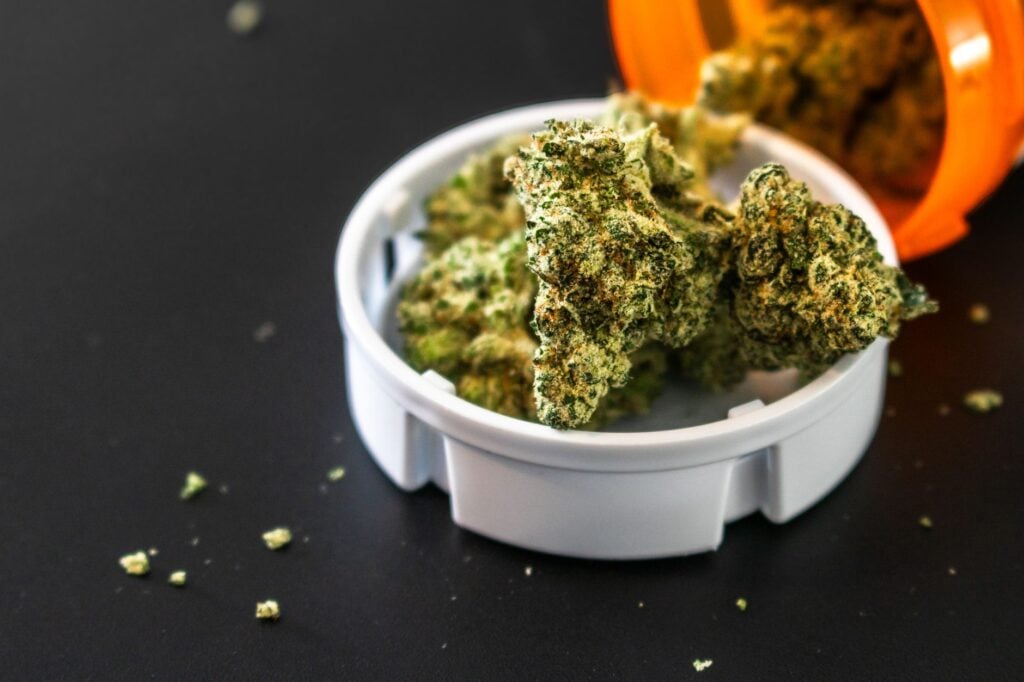
Confused about indica vs sativa vs hybrid? A DC budtender breaks down real effects for pain, sleep, anxiety & energy. Visit MrGreen DC on Connecticut Ave.
● mrgreendc.com
4302 Connecticut Avenue NW, Washington DC
The indica vs sativa vs hybrid question is probably the single thing I get asked most often behind the counter at MrGreen DC on Connecticut Avenue. Every single day. And honestly? The answer most people have been given — “indica makes you sleepy, sativa gives you energy” — is about 60% right and 40% outdated nonsense that’s been copy-pasted across the internet since 2012. I had a patient come in last week, a Capitol Hill attorney, who’d been forcing herself to use a heavy indica every night for insomnia. She was miserable. Groggy mornings, zero motivation, hated the taste. Turns out a myrcene-heavy hybrid at a lower dose knocked her out faster and she actually felt human the next day. That’s the kind of real-world difference I want to break down for you here — not textbook definitions, but what actually matters when you’re a medical cannabis patient in DC trying to feel better.
So What’s the Real Difference Between Indica, Sativa, and Hybrid?
Let’s start with what these words actually mean. Botanically, indica and sativa describe the physical structure of the cannabis plant. Indicas tend to be short, bushy, with wider leaves. Sativas grow tall and lanky with narrow leaves. That’s it. Those are agricultural classifications. They weren’t designed to tell you how you’d feel after smoking them.
But here’s the thing: decades of patient experience and breeding have created real patterns. Most strains labeled indica do tend to produce more relaxing, body-heavy effects. Most sativas do tend to feel more uplifting and cerebral. And hybrids? They’re crosses that land somewhere in between, depending on their parent genetics. The labels aren’t useless — they’re just incomplete.
What actually drives your experience is a combination of cannabinoids (THC, CBD, CBN, etc.) and cannabis terpenes. A strain’s terpene profile is like its fingerprint. Two strains both labeled “sativa” can feel wildly different if one is loaded with limonene and the other is heavy on myrcene. I’ll get into specific terpenes in a minute because that’s where the real answers live. If you want a deeper breakdown, check out our cannabis terpenes guide — it’s one of the most useful pages on our site.
So when someone asks me “what is hybrid cannabis?” the short answer is: it’s any strain bred from both indica and sativa parents, and it represents probably 90% of what’s on dispensary shelves today. Pure landrace indicas and sativas are actually pretty rare now. The indica vs sativa vs hybrid framework is a starting point, not a finish line.
Indica Effects: What They Actually Feel Like and Who They’re For
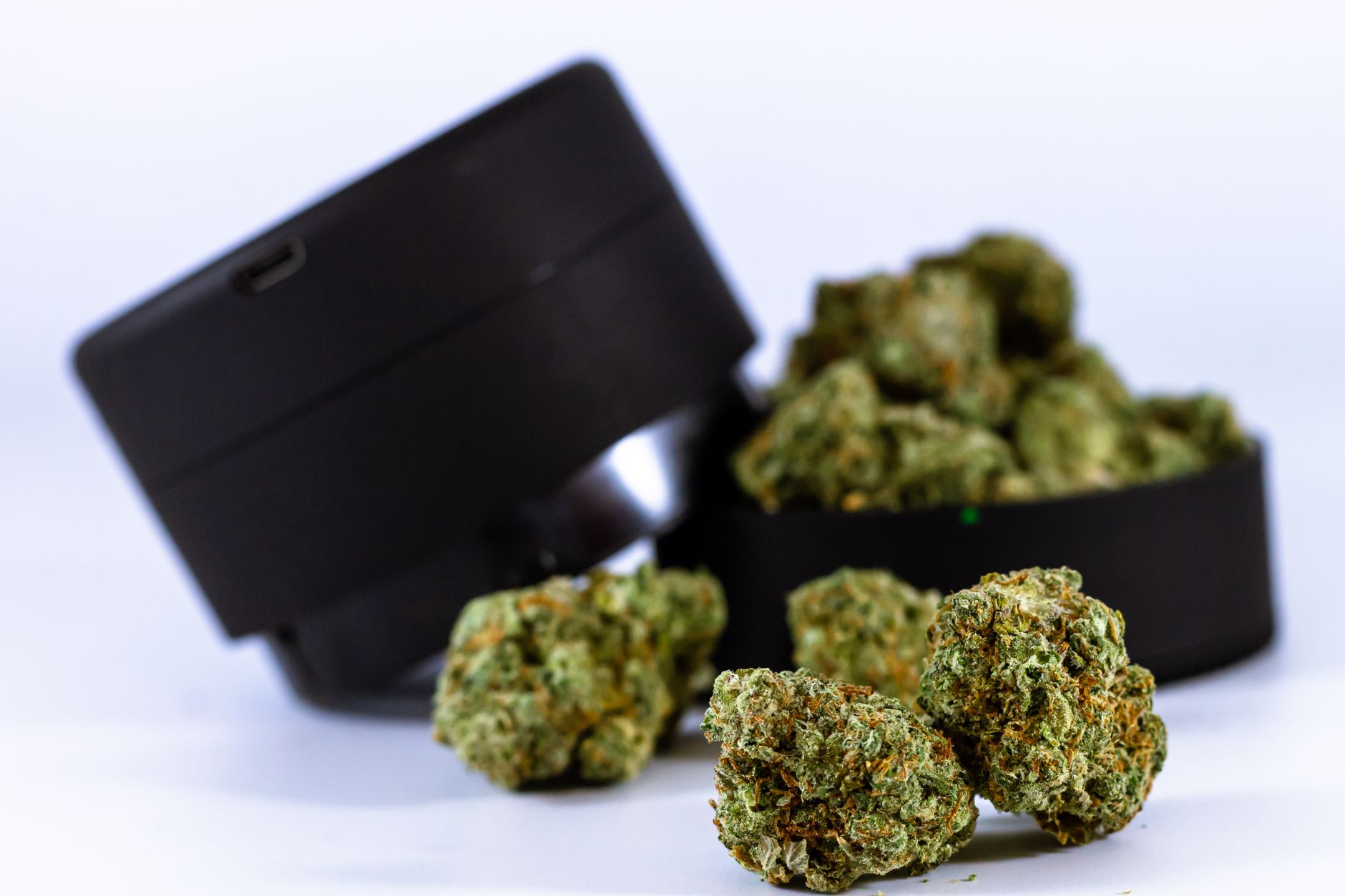
Classic indica effects hit your body first. You’ll feel tension drop out of your shoulders. Your legs get heavy. Your mind slows down — not in a dumb way, more like someone finally turned the volume knob from 10 to 4. This is why indicas have a reputation as the best cannabis for nighttime use.
For cannabis and chronic pain, indicas are often the first thing I’ll suggest. Strains rich in caryophyllene (a terpene that interacts with your CB2 receptors and has anti-inflammatory properties) and myrcene (which enhances THC absorption and promotes sedation) tend to deliver the strongest physical relief. If you’re dealing with muscle spasms, arthritis, or post-surgical pain, this is your lane.
They’re also the obvious choice for cannabis for insomnia. If you’re wondering what strains help with sleep, look for indicas with high myrcene and linalool content. Linalool is the same terpene that makes lavender smell the way it does, and it’s genuinely calming — not in a woo-woo aromatherapy way, in a “your nervous system actually downregulates” way. Gelato Cake is a perfect example. Heavy indica, gorgeous terpene profile, and it’ll have you asleep before you finish the episode you’re watching. You can shop Gelato Cake flower on our menu right now.
The common mistake with indicas? Going too strong too early. People grab the highest THC indica they can find, take a fat rip, and wake up at 3am with cotton mouth and existential dread. Start low. You can always take more (no judgment, everyone learns this the hard way).
indica effects
Sativa Effects: Energy, Focus, and Why They’re Not Just “the Daytime One”
Sativa effects are generally more cerebral. You’ll notice a shift in mood before you notice much in your body. Colors might seem a little brighter. You might suddenly want to reorganize your closet or actually enjoy that walk to the U Street Corridor you’ve been putting off. For patients dealing with depression, fatigue, or low motivation, sativas can be incredibly useful.
They’re the go-to for best cannabis for daytime use because they typically don’t glue you to the couch. Strains high in limonene (citrusy, mood-elevating) and pinene (the one that smells like a pine forest and may actually support alertness and memory retention) are your best bet here. Trainwreck is a classic sativa-dominant strain that our patients in Dupont Circle and Logan Circle love for weekend errands and creative projects — you can shop Trainwreck flower on our menu.
Now, does sativa help with anxiety? This is where I have to push back on the internet consensus. Some people swear by sativas for their cannabis and anxiety needs. Others find that the cerebral stimulation makes racing thoughts worse. If you’re prone to anxious overthinking, a pure sativa at high doses can feel like drinking three espressos — technically energizing, but not in a good way. A hybrid with balanced terpenes usually works better for anxiety than a straight sativa. I’ll get to that in a second.
Can You Use Sativa at Night?
Sure. Rules aren’t rules here. I’ve got patients who use sativa-dominant strains after dinner because it helps them be present with their families instead of zoning out. The key is knowing how your body responds. If a sativa doesn’t keep you awake, it doesn’t keep you awake. Your endocannabinoid system doesn’t read strain labels.
Hybrid Effects: Why Most Patients End Up Here
Honestly, if I had to bet, I’d say 7 out of 10 patients who walk into our dispensary on Connecticut Avenue end up choosing a hybrid once they understand what’s available. Hybrid effects give you the flexibility that pure indicas and sativas sometimes can’t.
A well-bred hybrid can give you pain relief without total sedation. Mood elevation without the jitters. That’s not marketing fluff — it’s just what happens when breeders cross strains with complementary terpene and cannabinoid profiles. Rainbow Runtz, for example, is a hybrid that our Shaw and Columbia Heights patients have been loving. It’s got enough body relaxation for minor chronic pain but keeps your head clear enough to function. Shop Rainbow Runtz flower if that sounds like what you need.
For what strains are good for anxiety, hybrids with linalool and caryophyllene tend to be my top recommendation. They calm the body without sending your mind into overdrive or shutting it off completely. It’s the Goldilocks zone. Gary Payton is another hybrid I find myself recommending constantly — solid balance, interesting terpene profile, and patients report feeling relaxed but social. Perfect for an evening in Adams Morgan when you still want to hold a conversation. Shop Gary Payton flower here.
How to Find the Right Cannabis Strain for Your Needs
Here’s my actual process for helping someone find the right cannabis strain — the same one I use every day at the counter:
- Identify your primary symptom. Pain? Insomnia? Anxiety? Low energy? Pick one, not four.
- Decide on timing. Do you need this to work at 2pm or 10pm? That narrows things fast.
- Look at terpenes, not just THC percentage. A 20% THC strain with the right terpene profile will outperform a 30% THC strain with the wrong one. Every time. The most common question I get behind the counter is “what’s the strongest thing you have?” and my honest answer is always “strongest isn’t the same as best for you.”
- Start with a hybrid if you’re unsure. You’ll learn a lot about your preferences from one good hybrid experience.
- Keep a simple log. Strain name, dose, time, how you felt after 30 minutes, how you felt the next morning. Three entries and you’ll already see patterns (seriously, it takes two minutes per entry).
Browse our cannabis menu and you’ll see terpene info listed for most of our flower. That’s intentional. We want you making informed choices, not guessing.
Getting Your DC Medical Cannabis Card Is Easier Than You Think
A lot of people in DC still don’t realize how simple the process is. There’s no doctor’s appointment required. No fee. No waiting room. DC uses a self-certification system through ABCA’s medical cannabis program — the Alcoholic Beverage and Cannabis Administration. If you’re 21 or older, you go to the ABCA website, self-certify that you have a qualifying condition, and you’re done. The whole thing takes about two minutes.
Look, I know the real hesitation for most people isn’t the process — it’s the privacy concern. Especially if you work for the federal government or a contractor, and a lot of our patients near Capitol Hill and Navy Yard fall into that category. Here’s what you need to know: ABCA does not share your patient data with employers, federal agencies, or anyone else. Your registration is protected. Period. No employer will find out through ABCA that you’re a medical cannabis patient. Zero career risk from the registration itself.
Once you’re registered, you can walk into any licensed medical dispensary in Washington DC — including MrGreen DC — and purchase legally. You can also order cannabis delivery across DC straight to your door. We deliver throughout the District, including to addresses near the DC/Maryland and DC/Virginia borders. If you want step-by-step details, our guide to getting a DC med card walks you through everything.
Indica vs Sativa vs Hybrid: The Bottom Line for DC Patients
The indica vs sativa vs hybrid framework is useful, but it’s a starting point. Terpenes matter more than most people realize. Your individual biology matters even more. What works perfectly for your neighbor in Georgetown might do nothing for you — and that’s normal. The patients who get the best results are the ones who pay attention to terpene profiles, start at reasonable doses, and aren’t afraid to ask their budtender real questions.
If you’re still trying to figure out where you fall on the indica vs sativa vs hybrid spectrum, that’s literally what we’re here for. Come talk to us. We won’t rush you, we won’t judge your questions, and we won’t just point you toward whatever has the highest price tag.

Understanding indica vs sativa vs hybrid is the first step toward building a cannabis routine that actually works for your life — whether that’s managing chronic pain, getting real sleep, or just feeling less anxious on a Tuesday. Stop by MrGreen DC on Connecticut Avenue NW, or order through our same-day delivery service if you’d rather stay home. We’ve got flower, concentrates, edibles, tinctures — whatever format fits. Let’s find your strain.