
Learn how to make cannabutter at home with dosing tips and easy recipes. MrGreen DC budtenders share the complete guide for medical patients. Visit us on Connecticut Ave.
● mrgreendc.com
4302 Connecticut Avenue NW, Washington DC
If you’ve been wondering how to make cannabutter, you’re asking the single most useful question in cannabis cooking. I’m Marcus — I’ve been working in DC’s medical cannabis scene for six years, and I can tell you that cannabutter is the foundation of basically every homemade edible worth eating. I had a patient come in a few weeks back, a retired teacher from Capitol Hill, who told me she’d been buying pre-made edibles for months before realizing she could make her own cannabis butter at home for a fraction of the cost. She was genuinely annoyed nobody told her sooner. So here’s me telling you. In this post, you’ll learn cannabis decarboxylation, the actual step-by-step butter process, how to dose edibles so you don’t end up staring at your ceiling fan for four hours, and a couple of dead-simple recipes to get you started.
Cannabis Decarboxylation: The Step You Can’t Skip
Before you even think about touching a stick of butter, you need to understand cannabis decarboxylation. This is the process of heating raw flower to activate THC. See, raw cannabis contains THCA — the “A” stands for acid — and it won’t get you medicated until heat converts it into actual THC. Skip this step and you’ll end up with expensive, weed-flavored butter that does absolutely nothing.
Here’s what you do. Preheat your oven to 240°F. Break your flower into pea-sized pieces (don’t grind it to powder — you’ll just burn it), spread it evenly on a parchment-lined baking sheet, and bake for 35 to 40 minutes. You want it looking toasted and golden, not dark brown. The kitchen’s going to smell. That’s normal. If you’re in an apartment in Adams Morgan or a rowhouse on U Street, maybe crack a window.
Here’s the thing: a lot of people crank the heat to speed this up, and it ruins everything. THC starts degrading above 300°F, so patience isn’t optional here. Low and slow. The terpenes in your flower — myrcene, limonene, caryophyllene — will partially survive decarboxylation at 240°F, and those terpenes matter for how the final product makes you feel. A limonene-forward strain is going to give your edibles a different character than something heavy in myrcene. If you want to learn more about what those terpenes actually do, check out our cannabis terpenes guide.
How to Make Cannabutter Step by Step — Cannabis Cooking Basics
Alright, your decarbed flower is out of the oven. Now we’re actually making the butter. This is the core of cannabis cooking basics, and once you’ve done it once, you’ll realize how straightforward it is.
What you’ll need:
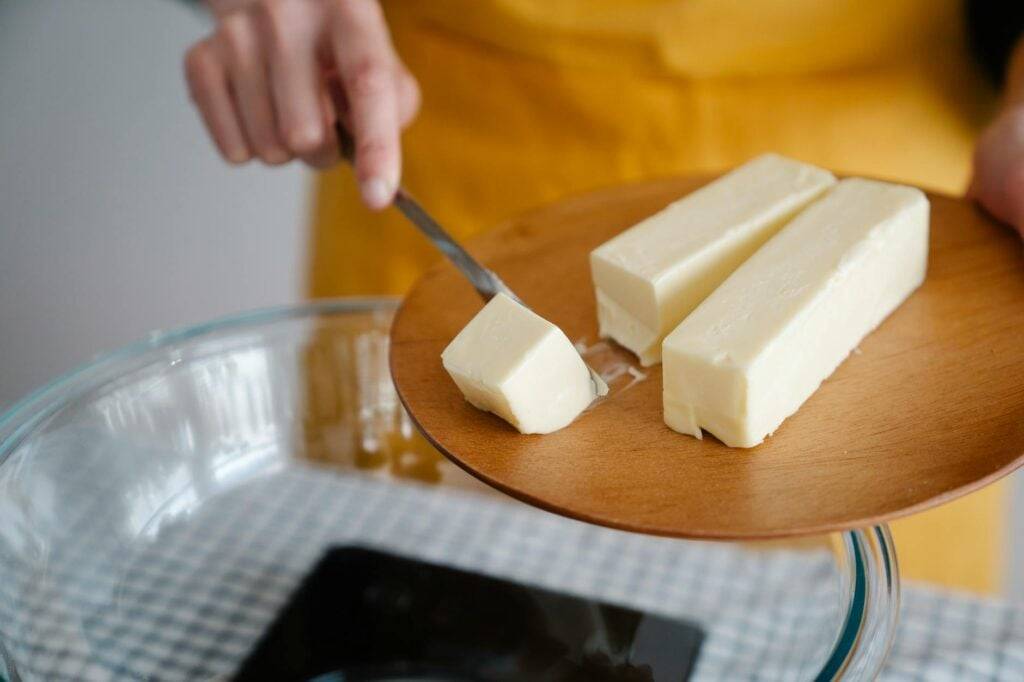
- 1 cup (2 sticks) unsalted butter
- 1 cup of water
- 7–10 grams of decarboxylated cannabis flower
- A saucepan or slow cooker
- Cheesecloth or a fine mesh strainer
- A glass container for storage
The process:
- Melt the butter on low heat in your saucepan. Add 1 cup of water — this prevents the butter from scorching and helps separate out plant material later.
- Add your decarbed cannabis. Stir gently to combine.
- Simmer on the lowest possible heat for 2 to 3 hours. You want tiny bubbles, not a rolling boil. Stir every 20 minutes or so. If you’re using a slow cooker, set it to low for 4 to 6 hours. Honestly, the slow cooker method is more forgiving — you can walk away and come back.
- Strain through cheesecloth into a glass jar or container. Squeeze gently to get all the good stuff out, but don’t wring it like a towel — that pushes through chlorophyll and makes the butter taste harsh.
- Refrigerate overnight. The butter will solidify on top and the water will separate to the bottom. Pop the butter disc off, pat it dry, and discard the water.
That’s it. You now know how to make cannabutter. The whole active cooking part takes maybe 15 minutes of actual effort (seriously, most of it is waiting). What you’ll have is a block of green-tinted butter that’s ready for any recipe that calls for regular butter.
What you’ll need:
How to Dose Edibles: Why This Part Matters More Than the Recipe
Look, this is where most people mess up. They nail the butter, bake gorgeous brownies, eat two because they taste great, and then spend the next six hours questioning every life decision they’ve ever made. Learning how to dose edibles properly is non-negotiable if you’re making your own.
Let’s do some real math. Say you’re using flower that’s 20% THC and you put 7 grams into your butter batch.
- 7 grams = 7,000 mg of flower
- 20% THC = 1,400 mg of total THC
- Decarboxylation and infusion aren’t 100% efficient — figure roughly 60-80% extraction
- Conservative estimate: about 840–1,120 mg of THC in your full batch of butter
- Divide by the number of servings in your recipe to get per-serving dosage
If you make a batch of 24 cookies with that butter, you’re looking at roughly 35–47 mg per cookie. For a newer patient, that’s way too much. For reference, most pre-made cannabis edibles in DC dispensaries come in 10 mg doses, and even that can be strong for some people. The most common question I get behind the counter is “how strong should my first edible be?” My answer is always the same: 5 mg. Maybe even 2.5 mg if you’re cautious. You can always eat more in an hour. You can’t un-eat a cookie.
Microdosing Cannabis with Homemade Butter
Microdosing cannabis is a huge trend among DC medical patients right now, and cannabutter makes it easy. Use less flower in your batch — say 3 to 4 grams instead of 7 to 10 — and you’ll get a milder infusion that’s more forgiving. Spread a thin layer on toast. Melt a measured teaspoon into your morning coffee. That’s a controlled, gentle dose (no judgment, everyone asks about this). It’s particularly popular with patients dealing with low-grade anxiety or chronic inflammation who don’t want to feel “high” — they want subtle relief throughout the day.
How Long Do Edibles Take to Kick In?
Another thing patients constantly ask: how long do edibles take? Typically 45 minutes to 2 hours. Sometimes longer if you’ve eaten a big meal. This is the biggest difference between edibles vs smoking — when you smoke flower, you feel it in minutes. Edibles have to pass through your digestive system and get processed by your liver, which converts Delta-9 THC into 11-hydroxy-THC. That metabolite is actually more potent and longer-lasting than what you get from inhaling. So yes, edibles hit different. Don’t redose after 30 minutes because you “don’t feel anything yet.” That’s how emergency room stories start.
Simple Cannabutter Recipes for Medical Cannabis DC Patients
You don’t need to be a pastry chef. These are quick, practical recipes that medical cannabis DC patients actually use.
Cannabis-Infused Toast (The Simplest Edible on Earth)
Toast a slice of good bread. Spread one measured teaspoon of cannabutter on it. Add honey or cinnamon if you want. Done. This is how most of my patients start — it’s easy to control dosage and it doesn’t require baking anything. If you know the approximate mg per teaspoon of your batch (do that math I laid out above), you’ve got a precise, repeatable dose every morning.
Cannabutter Pasta
Cook your favorite pasta. While it’s still hot, toss it with 1–2 tablespoons of cannabutter, a squeeze of lemon, parmesan, cracked pepper, and some red pepper flakes if you’re feeling it. The heat from the pasta is enough to melt the butter — don’t cook the butter on high heat again or you’ll degrade THC. This is a real dinner. Strains with caryophyllene and linalool tend to produce butter that pairs surprisingly well with savory food — there’s an earthy, almost herbal quality that works in pasta or risotto.
Classic Cannabis Brownies
Use your favorite boxed brownie mix (seriously, nobody’s judging). Swap the regular butter for the same amount of cannabutter. Bake at the temperature on the box. The key is dividing the pan into equal-sized pieces so each brownie has roughly the same dose. Mark your pan into a grid before cutting — 16 squares is a good number if you want moderate servings from a standard 8×8 pan. Keep them labeled and stored away from anyone who shouldn’t eat them. This is really important: label everything.
Cannabis Storage Tips and Keeping Your Butter Fresh
Good cannabis storage tips apply to your butter just like your flower. Cannabutter lasts about 2 weeks in the fridge and up to 6 months in the freezer. I’d recommend portioning it out — freeze it in an ice cube tray so each cube is a measured amount. Pop out one cube when you need it, leave the rest frozen. Keep it in an airtight container away from light. THC degrades with heat, light, and oxygen, so a sealed mason jar in the back of the freezer is perfect.
Same goes for your starting flower, by the way. If you’re buying a larger quantity to make a batch of butter, store it in a cool, dark place with a humidity pack until you’re ready to decarb. We carry plenty of great flower options at our cannabis menu — and our budtenders can help you pick a strain that’ll work well for cooking. Something like Gelato Cake with its myrcene-heavy terpene profile makes incredibly rich, relaxing butter. Shop Gelato Cake flower if that sounds like what you’re after.
Your DC Medical Cannabis Card: Easier Than Making the Butter
If you don’t have your DC medical cannabis card yet, getting one is genuinely simpler than learning how to make cannabutter. DC uses a self-certification system through ABCA’s medical cannabis program — that’s the Alcoholic Beverage and Cannabis Administration, DC’s regulatory body. Anyone 21 or older can apply online with no doctor’s visit required and no fee. The whole process takes about 2 minutes. That’s not an exaggeration.
I know the concern that comes up most often: “Will my employer find out?” No. ABCA does not share your patient data with employers, federal agencies, or anyone else. Your registration is protected by strict privacy rules. Even if you work for the federal government — and half this city does — being a registered medical cannabis patient in DC carries zero career risk from the registration itself. Whether you live in Shaw, Logan Circle, Dupont Circle, or anywhere else in the District, the process is the same and your privacy is fully protected. Check out our guide on getting a DC med card for the step-by-step breakdown.
Edibles vs Smoking: Why Some Patients Prefer Cannabis Butter
The edibles vs smoking conversation is one I have daily. Smoking gives you fast onset and easy dose control, but it’s hard on the lungs and the effects fade within a couple of hours. Edibles — especially homemade ones made from cannabutter — provide longer-lasting, full-body relief that a lot of medical patients prefer for chronic pain, insomnia, and nausea. The trade-off is slower onset and the need for careful dosing.
Honestly, the best edibles DC patients make at home aren’t fancy. They’re just consistent. When you control the butter, you control the medicine. That’s the whole point. You know exactly what strain went in, how much, and what each serving contains. Pre-made cannabis edibles are great for convenience (we carry THC chocolate edibles that are precisely dosed at 10mg per piece), but there’s something satisfying about making your own — and it’s significantly cheaper per milligram.

Now that you know how to make cannabutter, the only thing you need is quality flower to start with. That’s where we come in. Stop by MrGreen DC on Connecticut Avenue NW and tell us you’re making butter — we’ll point you to the right strains at the right price. Don’t feel like leaving the house? We deliver throughout DC, including Dupont Circle, Capitol Hill, and everywhere in between through our cannabis delivery DC service. Your kitchen’s about to become the best dispensary in your neighborhood.