

Cannabis for sickle cell disease pain: DC budtender breaks down the best strains, tinctures, and crisis relief tips. Visit MrGreen DC on Connecticut Ave.
● mrgreendc.com
4302 Connecticut Avenue NW, Washington DC
If you’re researching cannabis for sickle cell disease pain, you’re probably tired of being told to just take more pills and wait it out. I get it. About two months ago, a young woman came into our shop on Connecticut Avenue — she’d been managing sickle cell since childhood, and she told me straight up: “I don’t want to be on opioids anymore. I need something else.” That conversation lasted almost an hour, and it changed how I think about what we do here at MrGreen DC dispensary. This post is everything I’d tell you if you were standing at my counter right now — the strains, the products, the dosing strategies, and the stuff nobody else mentions about using medical cannabis in DC for sickle cell crises and chronic hemolytic pain.
Why Cannabis and Chronic Pain from Sickle Cell Disease Deserve a Serious Conversation
Sickle cell disease isn’t just “pain.” It’s unpredictable, layered, and exhausting. You’ve got the acute vaso-occlusive crises — those sudden episodes where misshapen red blood cells block blood flow and the pain hits like a freight train. Then there’s the chronic hemolytic pain that sits underneath everything, day after day. And on top of all that? Fatigue so heavy it makes getting out of bed feel like running a marathon.
Here’s the thing: the standard treatment protocol leans hard on opioids. Hydromorphone, morphine, oxycodone — they work for acute crises, sure, but the long-term toll is brutal. Tolerance builds. Side effects stack up. And the stigma that sickle cell patients face when they walk into an ER asking for pain relief is something I hear about constantly from patients in Shaw and Capitol Hill. It’s real, it’s unfair, and it pushes people to look for alternatives.
Cannabis isn’t going to replace your hematologist. I’d never say that. But the research on anti-inflammatory cannabis compounds — particularly how cannabinoids interact with CB1 and CB2 receptors involved in pain signaling — is genuinely promising. A 2020 study in Blood Advances showed that sickle cell patients using cannabis reported significantly lower pain scores and fewer ER visits. That tracks with what I see behind the counter every week.
The cannabinoids THC and CBD both bring something to the table. THC handles the acute pain perception — it turns down the volume. CBD works on inflammation and has its own analgesic properties without the psychoactive intensity. And then there are terpenes like caryophyllene (which actually binds to CB2 receptors on its own — it’s basically a cannabinoid in disguise) and myrcene, which has demonstrated sedative and muscle-relaxant effects in preclinical studies. When you stack all of these together, you’re building a real anti-inflammatory cannabis protocol, not just getting high and hoping for the best.
Best Indica Strains and Balanced THC CBD Products for Sickle Cell Pain Relief
Not all cannabis is created equal for this condition. You need specific things: heavy body relaxation, strong anti-inflammatory terpene profiles, and — depending on the situation — either a balanced THC CBD ratio or a full-throttle indica that’ll actually cut through crisis-level pain.
For vaso-occlusive crisis pain, I point patients toward potent indica strains with high myrcene and caryophyllene content. Gelato Cake is one of my top picks — it’s got that deep body sedation with a terpene profile heavy in caryophyllene and limonene, which means you’re getting anti-inflammatory action plus a subtle mood lift that helps when you’re stuck in bed for days. Motorbreath is another one I recommend frequently (seriously, this strain doesn’t mess around). The myrcene content is through the roof, and the heavy indica effects make it ideal for nighttime crisis management when sleep feels impossible.
For daily chronic pain management — the kind where you still need to function, maybe get to work, maybe pick up your kid from school — a balanced THC CBD approach works better. Our Motorbreath double-strength tincture is something I specifically suggest for sublingual cannabis dosing. You drop it under your tongue, hold it for 60 seconds, and effects kick in within 15–20 minutes. That’s faster than edibles and way more controllable. A cannabis tincture gives you precision that flower can’t match — you can start with 2.5mg THC and titrate up by 2.5mg increments until you find your floor.
Here’s what I’d build as a basic daily protocol for a sickle cell patient:
- Morning: Low-dose sublingual cannabis tincture (5–10mg THC with equal or higher CBD) — enough to manage baseline chronic hemolytic pain without impairment
- Afternoon: CBD for pain — a high-CBD product or a balanced vape cartridge for breakthrough discomfort
- Evening: Indica flower or a stronger tincture dose for deep pain relief, muscle relaxation, and sleep support
- Crisis flare: RSO (Rick Simpson Oil) for heavy-hitting systemic relief — our 500mg RSO syringe is designed for exactly this kind of situation
CBN is another cannabinoid worth knowing about if you’re dealing with sickle cell. It’s mildly psychoactive but extremely sedating, and some patients tell me combining CBN with THC at bedtime gives them the first real sleep they’ve had in years. That matters, because fatigue from sickle cell isn’t just tiredness — it’s bone-deep exhaustion made worse by chronic pain stealing your sleep every night.

Morning:
Cannabis Edibles, Topicals, and Opioid Reduction Strategies for Sickle Cell Patients
Honestly, the most common question I get behind the counter from sickle cell patients isn’t “what strain should I try?” It’s “can cannabis actually help me use fewer opioids?” The answer — based on what I’ve seen and what the research shows — is yes, for many people, but you’ve got to be smart about it.
Opioid reduction isn’t something you do overnight. Don’t just toss your prescriptions in the trash because someone on Reddit told you cannabis fixes everything. Work with your doctor. What cannabis does is fill in the gaps — it handles the moderate pain days so you’re not reaching for a Percocet every time discomfort ramps up. Over weeks and months, many patients find they’re using opioids only during the worst crises instead of daily. That’s a massive quality-of-life improvement.
Cannabis edibles are great for extended relief. A 10mg THC chocolate taken an hour before bed can provide 6–8 hours of pain reduction — way longer than smoking or vaping. For sickle cell patients who experience pain that wakes them up at 3am, that duration matters more than almost anything else. Start at 5mg if you’re newer to edibles (no judgment, everyone asks about dosing), and give it 90 minutes before you decide it’s “not working.”
Cannabis topicals deserve a mention too, especially for localized joint pain. During a vaso-occlusive crisis, specific joints or bones can feel like they’re on fire. A high-THC topical applied directly to the affected area won’t get you high — the cannabinoids don’t reach your bloodstream in significant amounts — but they activate local CB2 receptors and can take the edge off while your systemic medicine does its thing. I’ve had patients from Logan Circle and Columbia Heights tell me they keep a topical in their bag specifically for crisis flare-ups at work.
Building Your Cannabis Pain Management Toolkit
The patients who get the best results aren’t using one product. They’re combining methods based on what the day demands:
- Sublingual tincture as your daily baseline — consistent, measurable, discreet
- Vaporizer for breakthrough pain that needs fast relief — a PAX Mini with quality flower heats without combustion, which matters when your lungs are already dealing with potential sickle cell complications
- Edibles for overnight coverage and extended relief
- Topicals for targeted joint and bone pain during crises
- RSO as your heavy-duty option when pain is at its worst
Linalool — the terpene that gives lavender its scent — is one I specifically look for in strains I recommend for sickle cell. It’s got documented analgesic and anxiolytic properties, and anxiety is a huge part of living with this disease. The fear of when the next crisis will hit, the stress of managing a chronic condition in a city where you’re probably working long hours — all of that makes pain worse. Strains high in linalool and pinene help address both the physical and psychological dimensions of cannabis for sickle cell disease pain.
Getting Your Medical Marijuana Card in DC — It’s Easier Than You Think
Look, if you’ve been putting this off because you think getting a medical marijuana card in DC is complicated, expensive, or risky to your career — let me clear that up right now.
DC uses a self-certification process through the ABCA medical cannabis program. That stands for the Alcoholic Beverage and Cannabis Administration — they’re the regulatory body that runs the whole medical cannabis program in the District. Here’s what you actually need to do:
- Be 21 or older
- Go to the ABCA website
- Self-certify as a patient — you’re declaring that you have a qualifying condition
- There’s no doctor visit required and no fee
- The whole process takes about two minutes (seriously, two minutes)
Sickle cell disease absolutely qualifies. Chronic pain qualifies. If you’re managing this condition, you have every right to access a licensed medical dispensary in Washington DC.
Now, the part that matters most for a lot of people: ABCA does not share your patient data with employers, federal agencies, or anyone else. Period. Your enrollment is protected by strict privacy regulations. If you work for the federal government — and this is DC, so a lot of you do — your medical cannabis card is not reported to your agency (yes, even your employer won’t know). That said, federal employees should understand that federal workplace drug policies still apply, so be thoughtful about that. But the card itself? Zero career risk from a data perspective.
Once you’re registered, you can visit us on Connecticut Avenue or use our cannabis delivery DC service. We deliver throughout DC — whether you’re in Capitol Hill, Shaw, or anywhere else in the District. Delivery goes to any valid residential or commercial address.
What Actually Works: Terpene Profiles and Product Selection for Cannabis for Sickle Cell Disease Pain
I want to get specific here because generic advice doesn’t help anyone. When you’re browsing our cannabis menu, here’s exactly what to look for in the terpene profiles (check out our cannabis terpenes guide for deeper detail):
- Caryophyllene: Your #1 terpene for sickle cell. It’s the only terpene that directly activates CB2 receptors, giving you anti-inflammatory effects independent of THC. Found heavily in strains like Gelato Cake and GSC lineages.
- Myrcene: Sedation, muscle relaxation, enhanced THC absorption. Critical for crisis nights. Dominant in indica strains like Purple Urkle.
- Limonene: Mood elevation and secondary anti-inflammatory effects. You need this because depression and anxiety are constant companions to chronic illness.
- Linalool: Analgesic, anxiolytic, and a natural sedative. The unsung hero of pain management terpenes.
- Pinene: Anti-inflammatory and bronchodilatory — that second property is especially useful for sickle cell patients who may have compromised pulmonary function.
The combination of these terpenes with balanced THC CBD ratios creates what researchers call the entourage effect — the idea that whole-plant cannabis works better than isolated compounds. For sickle cell, this isn’t theoretical. It’s practical. A full-spectrum product with multiple cannabinoids and terpenes working together will outperform a THC-only distillate cartridge almost every time for complex pain conditions.
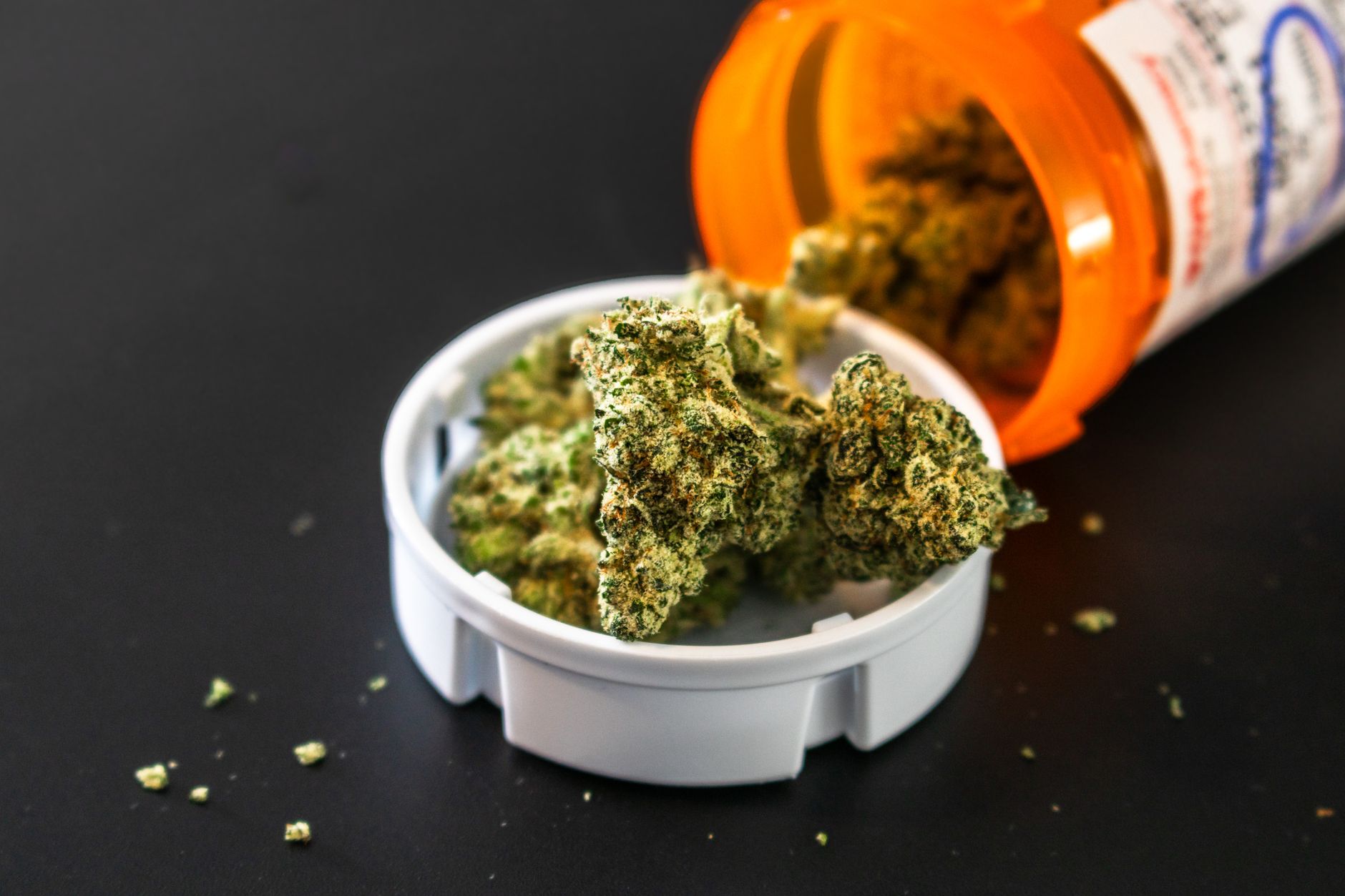
Cannabis for sickle cell disease pain isn’t a miracle cure — I won’t pretend it is. But it’s a legitimate, evidence-supported tool that’s helping real patients in this city reduce their opioid use, sleep through the night, and manage crises with more dignity and less desperation. If you’re living with sickle cell in DC and you want to explore what medical cannabis can do for you, come talk to us at MrGreen DC on Connecticut Avenue NW. We’ll walk through your symptoms, your current medications, and your goals — and we’ll build something that actually fits your life. Not in town? We offer same-day delivery across DC to any valid address. You don’t have to figure this out alone.