

Cannabis for sciatica explained by a DC budtender — best indica strains, topicals, and tinctures for nerve pain relief. Visit MrGreen DC on Connecticut Ave.
● mrgreendc.com
4302 Connecticut Avenue NW, Washington DC
If you’re reading this, you probably already know that sciatica isn’t just “a bad back.” It’s that electric, shooting pain that runs from your lower spine down through your glute, your hamstring, sometimes all the way to your toes — and it doesn’t care whether you’re sitting at your desk on K Street or trying to walk your dog around Logan Circle. Cannabis for sciatica is one of the most common conversations I have behind the counter at MrGreen DC, and I’m not surprised. I had a patient come in a few weeks ago — a paralegal from Capitol Hill, mid-40s — who told me she’d been popping ibuprofen like candy for eight months straight, and her GI doc finally said enough. She was skeptical about medical cannabis, but after two weeks on a specific tincture and topical combo, she came back and told me she slept through the entire night for the first time since her flare-up started. That’s why I’m writing this. Not because cannabis is a miracle cure, but because it’s genuinely helping people with sciatic nerve pain, lower back radiculopathy, leg numbness, and chronic lumbar inflammation — and most of them don’t know where to start.
Why Cannabis and Chronic Pain Management Actually Work Together
Your body already has an endocannabinoid system. That’s not marketing — it’s biology. You’ve got CB1 and CB2 receptors running through your nervous system and immune cells, and cannabinoids from the plant interact with those receptors in ways that can dial down pain signaling, reduce inflammation, and help your muscles stop clenching around that irritated nerve root. Sciatica specifically involves nerve compression or irritation, usually at the L4-L5 or L5-S1 level, and the resulting inflammation is what drives a huge chunk of the pain. Anti-inflammatory cannabis strains — particularly those rich in caryophyllene terpene and myrcene terpene — can target that inflammatory response directly.
Here’s the thing: most people think cannabis for pain just means “get high enough that you don’t notice it.” That’s not how I recommend approaching it, and it’s not how the best results happen. The patients I’ve seen get the most relief from sciatica are the ones using a combination of targeted products — a cannabis topical for local nerve and muscle pain, plus an internal product like a cannabis tincture or low-dose edible for systemic inflammation. THC matters, yes, but so do CBD, terpene profiles, and the method you use to get cannabinoids into your body.
People always ask whether CBD for pain is enough on its own. My honest answer? For mild sciatica, maybe. For the kind that’s making you limp or waking you up at 3 a.m., you’ll almost certainly want some THC in the mix. Research on cannabinoid-mediated analgesia shows THC and CBD work better together than either does alone — that’s the entourage effect, and it’s real.
Best Indica Strains and Products for Sciatic Nerve Pain
When someone walks into our dispensary on Connecticut Avenue and says “my sciatica’s flaring,” I’m reaching for a few specific things. Indica strains tend to be the foundation of most sciatica protocols because they’re generally higher in myrcene — the terpene most associated with muscle relaxation and sedation. But I’m also looking at the full terpene profile, not just indica vs. sativa labels.
My top flower picks for sciatica patients right now:
- Gelato Cake — Heavy indica, packed with caryophyllene and limonene. Caryophyllene is the only terpene that directly activates CB2 receptors, which means it’s genuinely anti-inflammatory, not just “relaxing.” This one’s great for evening use when your lower back and leg are screaming at you.
- Motorbreath — Another heavy hitter. High myrcene content, strong body effects. Patients dealing with chronic lumbar inflammation consistently tell me this strain helps them actually sit still without shifting every 30 seconds.
- Purple Urkle — Classic indica with a linalool-forward terpene profile. Linalool is the same terpene that makes lavender calming, and it’s shown analgesic and anti-inflammatory properties in preclinical studies. If your sciatica comes with anxiety about the pain (and honestly, whose doesn’t), this is a solid choice.
For patients who don’t want to smoke, and I get that — especially if you’re a federal employee in Dupont Circle trying to be discreet — I’d point you toward our Motorbreath double-strength tincture. A cannabis tincture gives you precise dosing, kicks in within 15-30 minutes sublingually, and doesn’t involve your lungs at all. Start with half a dropper under your tongue, wait 45 minutes, and adjust from there. You can take it at your desk (yes, even your employer won’t know).

Indica strains
Cannabis Topicals and Creams: Targeted Relief Right Where It Hurts
Honestly, if I could only recommend one product category for sciatica patients, it’d be cannabis topicals. A good cannabis cream applied directly over the piriformis muscle, along the lower lumbar spine, or down the back of the affected leg can provide localized relief without any psychoactive effects. Zero. You won’t feel high. You’ll feel your muscles start to unclench.
The reason topicals work so well for sciatica specifically is that they’re hitting the problem from the outside in. Your skin has cannabinoid receptors, and so do the muscle and nerve tissues just below it. A topical loaded with THC, CBD, and — this is the key — caryophyllene and menthol can reduce the localized inflammation that’s compressing your sciatic nerve. Most people feel something within 15-20 minutes (seriously, give it that long before reapplying).
I tell patients to apply their cannabis cream generously, really work it in, and then throw a heating pad over it for 10 minutes. The heat increases blood flow to the area, which helps the cannabinoids absorb deeper. It’s a trick I picked up from a physical therapist who sends her patients our way from a practice in Shaw, and it works.
What Cannabis Products Are Good for Pain That Radiates Down the Leg?
Radiating leg pain and numbness are the hallmarks of true sciatica versus just general lower back soreness. For radiculopathy — where the nerve root itself is compressed and sending signals down the leg — you want both internal and external products working together. Apply your topical along the entire nerve path (lower back, glute, hamstring), and pair it with an internal product for systemic anti-inflammatory effects. Our RSO syringe (500mg) is something I recommend to patients with more severe, chronic pain because it’s a full-spectrum extract that preserves the entire range of cannabinoids and terpenes. A rice-grain-sized dose on a cracker before bed can make a meaningful difference in nighttime flare-ups.
Building Your Sciatica Relief Routine: Timing, Dosing, and What to Avoid
The most common question I get behind the counter about cannabis for sciatica is “how often should I use it?” Here’s my framework, based on six years working with chronic pain patients in the DC medical cannabis scene:
- Morning: If your sciatica nags during the day, start with a low-dose tincture (5-10mg THC) or a CBD-dominant product. You want anti-inflammatory effects without being couch-locked before noon.
- Midday: Reapply your cannabis cream, especially if you sit for long stretches. Office workers in the U Street Corridor and Adams Morgan tell me this is the application that saves their afternoon.
- Evening: This is when you can lean into a heavier indica flower or a stronger tincture dose. Pain tends to worsen when you’re tired, and a myrcene-rich strain before bed can help you sleep through what would otherwise be a rough night.
What to avoid? Don’t rely solely on edibles for acute sciatica flare-ups. They take 60-90 minutes to kick in, and the dosing is harder to control. Edibles are great as a supplement — our THC chocolate edibles are excellent for steady, sustained relief — but they’re not your first-line response when the pain spikes. Also, don’t assume higher THC always means better pain relief. It doesn’t. Some of my best results have come from moderate-THC, high-terpene strains that don’t knock patients out but do address the inflammation driving their symptoms.
Can Cannabis Replace My Other Sciatica Medications?
I’m not a doctor, and I won’t pretend to be one. But I can tell you what I’ve observed: many patients gradually reduce their reliance on NSAIDs, muscle relaxants, and even gabapentin after finding the right cannabis protocol for their sciatica. That’s a conversation to have with your physician, not your budtender. What I can do is make sure you’re using the right products, in the right doses, targeting the right terpene profiles, so you and your doctor have real data to work with.
Getting Your Medical Marijuana Card in DC: It’s Easier Than Your Sciatica
Look, if the idea of getting a medical marijuana card in DC sounds like a hassle, let me set you straight. DC uses a self-certification process through ABCA (the Alcoholic Beverage and Cannabis Administration). You don’t need a doctor’s appointment. You don’t need a diagnosis letter. You don’t pay a fee. If you’re 21 or older, you go to the ABCA website, self-certify that you have a qualifying condition, and you’re registered. The whole thing takes about two minutes (no judgment, everyone asks if it’s really that fast — it is).
The question I hear constantly from federal workers and government contractors — especially around Dupont Circle and Capitol Hill — is whether their employer will find out. The answer is no. ABCA does not share your patient data with employers, federal agencies, or anyone. Your registration is protected. Zero career risk. DC’s medical cannabis program was designed with patient privacy as a core principle, and ABCA enforces that strictly. You can read more about the process on our guide to getting a DC med card.
Once you’re registered, you can shop at any licensed medical dispensary in Washington DC, including MrGreen DC. You’ll have access to the full range of products — flower, tinctures, topicals, concentrates, edibles — and a budtender who’ll actually sit down with you and build a plan around your specific pain pattern. That matters more than most people realize.
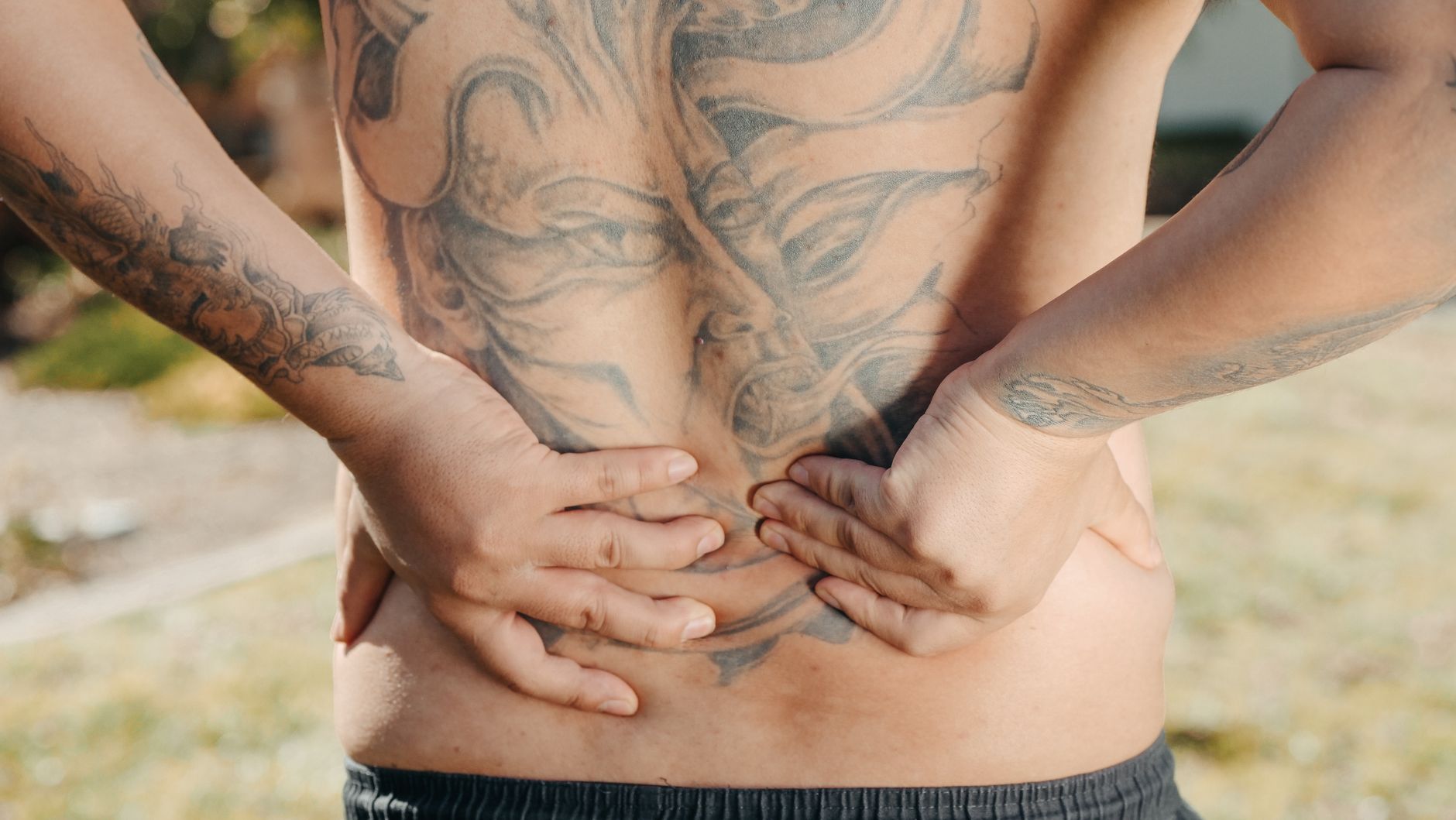
Using cannabis for sciatica isn’t about chasing a high — it’s about targeting inflammation, calming irritated nerves, and finally getting some relief from pain that’s been running your life. Whether you’re dealing with a one-time flare-up from a herniated disc or you’ve been managing chronic lumbar radiculopathy for years, there’s a cannabis product and a protocol that can help. I’ve seen it work too many times to be neutral about it.
If you’re ready to figure out what’s going to work for your body, come see us at MrGreen DC on Connecticut Avenue NW. We’ll walk through your symptoms, talk about what you’ve tried, and build something specific — not generic. Can’t make it in person? We offer cannabis delivery throughout DC, including to addresses in Adams Morgan, Logan Circle, Shaw, and beyond. Check our full menu, or just reach out and tell us what’s going on. We’ll take it from there.