
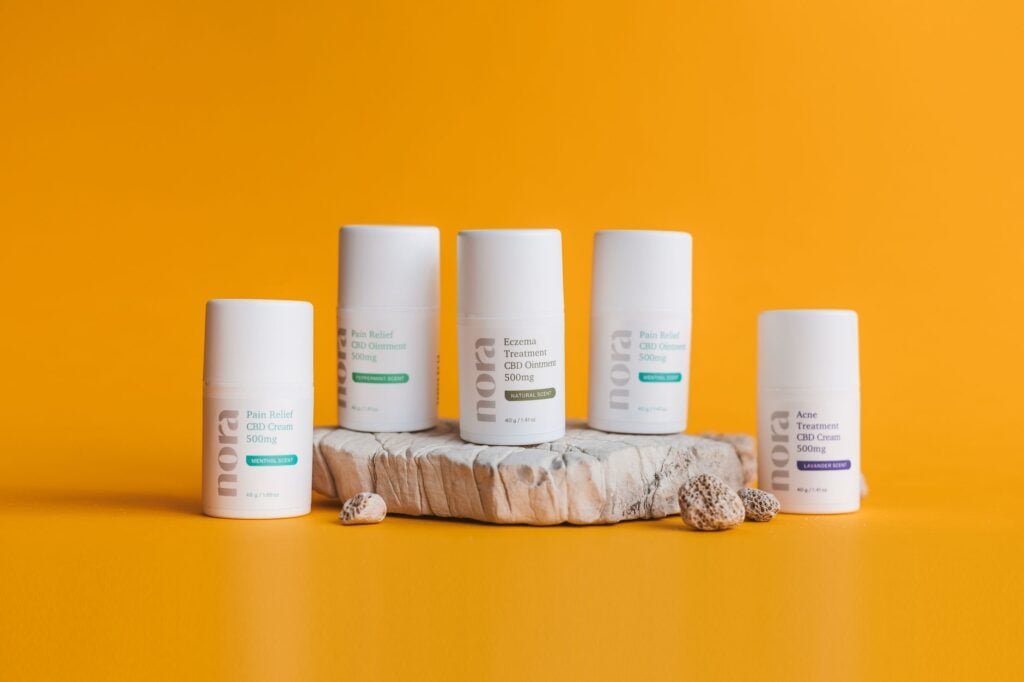
Cannabis for plantar fasciitis can ease heel pain and arch inflammation. MrGreen DC budtenders share the best topicals, strains, and tips. Visit us on Connecticut Ave.
● mrgreendc.com
4302 Connecticut Avenue NW, Washington DC
If you’ve been searching for cannabis for plantar fasciitis, I’m guessing you already know that first-step-out-of-bed feeling — that sharp stab in your heel that makes you question every life choice that led you to this moment. I get it. I had a patient come in a few weeks ago, a Capitol Hill barista who’d been on her feet eight hours a day, six days a week. She’d tried the ice bottles, the night splints, the cortisone shots. Nothing stuck. She was skeptical about cannabis, honestly, but she was also desperate. Three weeks later she came back and told me she was sleeping through the night for the first time in months and that her morning heel pain had dropped from an eight to a three. That’s why I wanted to write this — because cannabis and chronic pain is a conversation that doesn’t happen enough, especially for something as specific and relentless as plantar fasciitis.
In this post, I’ll break down the best anti-inflammatory cannabis products, the strains and terpenes that actually matter for foot pain, and how DC medical patients can get started today.
Why Cannabis and Inflammation Actually Make Sense for Plantar Fasciitis
Plantar fasciitis is inflammation. That’s really the whole story. The thick band of tissue running along the bottom of your foot gets irritated, micro-tears develop, and your body responds with swelling and pain — especially at the heel and arch. Traditional treatments target that inflammation: NSAIDs, ice, stretching, rest. Cannabis works on that same pathway, just differently.
Both THC and CBD interact with your endocannabinoid system, which plays a direct role in regulating inflammatory responses. That’s not woo-woo talk — there’s real science behind cannabis and inflammation. Cannabinoids can reduce the production of pro-inflammatory cytokines, and certain terpenes amplify that effect. Caryophyllene, for example, binds directly to CB2 receptors (the ones most associated with immune and inflammatory regulation). Myrcene is known for its muscle-relaxant and anti-inflammatory properties. Combine both in the right strain or product, and you’ve got something genuinely useful for chronic foot conditions.
Here’s the thing: I’m not telling you to throw out your orthotic inserts. Cannabis for plantar fasciitis works best as part of your overall pain-management approach. But for a lot of patients — especially people standing all day in Shaw restaurants, walking the U Street Corridor, or commuting on foot through Dupont Circle — it’s the missing piece that makes everything else work better.
Best Cannabis Topicals for Foot Pain: Creams, Salves, and Transdermal Patches
When people ask me about CBD for pain in their feet, I almost always start with topicals. Why? Because you’re putting the medicine exactly where the problem is. No waiting for something to pass through your digestive system. No psychoactive effects if you don’t want them. Just direct, localized relief.
Let’s break down what’s actually out there:
- Cannabis cream and cannabis salve — These are your daily workhorses. A good full-spectrum cannabis cream with both THC and CBD will absorb into the skin and target inflammation in the fascia and surrounding tissue. I tell patients to apply it to their heel and arch about 20 minutes before bed, then again before they put on shoes in the morning. The key is consistency — one application won’t change your life, but a week of it often will.
- Cannabis transdermal patch — This is the sleeper pick (no pun intended). A transdermal patch delivers cannabinoids through the skin and into the bloodstream over several hours. For people who are on their feet all shift, a patch on the inner ankle or top of the foot can provide sustained anti-inflammatory effects without reapplying. It’s discreet, it’s steady, and nobody at your job is going to notice.
- Topical cannabis benefits in general — Beyond pain relief, many cannabis topicals contain additional ingredients like menthol, arnica, or camphor that create a cooling or warming sensation. That combo — cannabinoid anti-inflammatory action plus thermal relief — is genuinely effective for arch inflammation and heel pain.
Honestly, the most common question I get behind the counter is “will a topical get me high?” The answer is no (no judgment, everyone asks). Standard cannabis creams and salves don’t cross into your bloodstream in meaningful amounts. Transdermal patches can deliver small amounts of THC systemically, but the effects are mild and gradual — nothing like smoking or edibles.
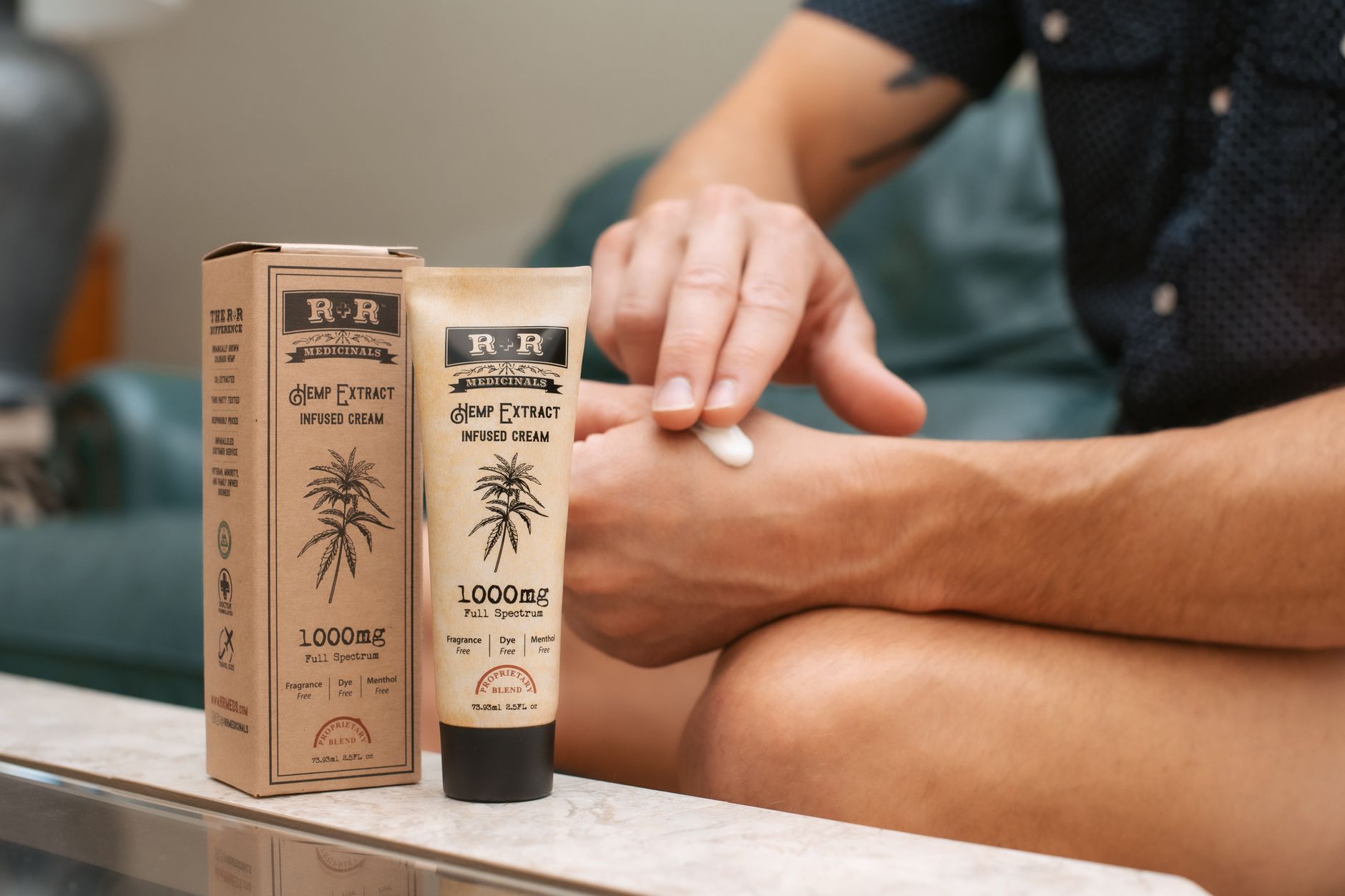
CBD for pain
Best Strains for Plantar Fasciitis and Chronic Foot Pain
Not every strain is created equal when it comes to anti-inflammatory cannabis. You want specific terpene profiles — and I’ve got opinions about which ones work best for foot pain.
High-Caryophyllene Strains for Direct Anti-Inflammatory Action
Caryophyllene is your best friend here. It’s the only terpene that directly activates CB2 receptors, which means it functions almost like a cannabinoid itself. Strains heavy in caryophyllene tend to produce a body-focused relief without heavy sedation. Gelato Cake is one I recommend constantly — it’s got a strong caryophyllene presence along with limonene, so you get anti-inflammatory effects with a mood lift. For plantar fasciitis patients who need to stay functional during the day, that combination is hard to beat.
Myrcene-Heavy Strains for Nighttime Relief
If your foot pain is worst at night or first thing in the morning (and with plantar fasciitis, it usually is), a myrcene-dominant strain before bed can be a game. Myrcene promotes muscle relaxation and has its own anti-inflammatory properties. Purple Urkle is loaded with myrcene and it’ll genuinely help you sleep through the night without your heel waking you up. I’ve seen this strain make a real difference for patients dealing with chronic foot conditions.
Balanced THC:CBD Options
Some patients do better with a balanced ratio, especially if they’re newer to cannabis or sensitive to THC. A 1:1 THC:CBD strain or product gives you the anti-inflammatory benefits of both cannabinoids without a strong psychoactive experience. Check our cannabis menu for current balanced options — availability rotates, but we try to keep something in that ratio on the shelf because the demand from pain patients is real.
Internal Cannabis Products That Help: Tinctures, RSO, and Edibles
Topicals handle the local inflammation. But if you want systemic anti-inflammatory effects — the kind that address the broader chronic pain cycle — you’ll want to add something internal to your routine.
Tinctures are my go-to recommendation for plantar fasciitis patients who are new to cannabis or want precise dosing. Our Motorbreath double-strength tincture is popular with pain patients because you can start with a few drops under the tongue and increase gradually. Sublingual absorption means effects hit in about 15–20 minutes, which is faster than edibles and easier to control.
RSO (Rick Simpson Oil) is the heavy hitter. If you’ve been dealing with chronic foot pain for months or years and lower-dose products aren’t cutting it, an RSO syringe gives you a concentrated, full-spectrum extract. A rice-grain-sized dose before bed provides hours of anti-inflammatory and analgesic effects. It’s not for beginners (seriously, start small), but for established patients managing persistent pain, RSO is often where they land.
Edibles like our THC chocolate edibles offer a longer-lasting effect — typically 4 to 8 hours — which makes them great for overnight relief. I tell patients to take one about 90 minutes before they want to be asleep. You wake up with less stiffness, less of that brutal first-step pain.
Look, the best approach I’ve seen for cannabis for plantar fasciitis is layering: a topical on the foot for direct relief, plus a tincture or edible for systemic anti-inflammatory support. That one-two approach is what the Capitol Hill barista I mentioned ended up using, and it’s what I recommend to most foot-pain patients who walk through our door.
Practical Relief Tips Beyond the Product
Cannabis is powerful for managing plantar fasciitis, but I’d be doing you a disservice if I didn’t mention the stuff that works alongside it. These aren’t revolutionary — but combined with the right medical cannabis DC products, they compound the results.
- Apply your cannabis cream after a warm foot soak. Warm water opens pores and increases blood flow. Your skin absorbs topical cannabinoids more efficiently when it’s warm and clean. Five minutes in warm water, towel dry, apply. That’s it.
- Roll a frozen water bottle under your arch for 10 minutes, then apply cannabis salve. The ice reduces acute inflammation, and the cannabis keeps working after the cold wears off. This combo before bed is the single best tip I can give you.
- Stretch your calves. Tight calves pull on the Achilles tendon, which pulls on the plantar fascia. A cannabis tincture 20 minutes before stretching can help you relax into the stretch more effectively.
- Wear supportive shoes — yes, even inside. I know it sounds annoying. But walking barefoot on hardwood floors with plantar fasciitis is basically punching yourself in the heel repeatedly.
If you’re someone who’s on their feet all day — whether you’re working in an Adams Morgan kitchen, walking patients at a Logan Circle veterinary clinic, or teaching in Columbia Heights — the standing-all-day factor means you need a product that lasts. That’s where understanding your terpenes really pays off, because you can pick a strain or product matched to your schedule and pain pattern.
How to Get Your DC Medical Cannabis Card in About 2 Minutes
Some people assume getting a medical cannabis card in DC requires a doctor’s appointment, paperwork, fees, and weeks of waiting. It doesn’t. DC uses a self-certification system through the ABCA medical cannabis program. If you’re 21 or older, you go to the ABCA website, certify that you have a qualifying condition, and receive your registration. No doctor visit needed. No fee. It takes about two minutes (seriously, two minutes).
And here’s what patients always want to know: ABCA does not share your data with employers, federal agencies, or anyone. Your registration is protected by strict privacy rules. If you’re a federal employee, a contractor, active military — doesn’t matter. Your employer won’t know. Zero career risk. The Alcoholic Beverage and Cannabis Administration enforces patient privacy, and in my six years working in DC cannabis I’ve never seen or heard of a single breach.
Once you’re registered, you can shop at any licensed medical dispensary in Washington DC, including MrGreen DC on Connecticut Avenue. You can also read our full guide to getting your DC med card if you want a step-by-step walkthrough.

Managing cannabis for plantar fasciitis doesn’t have to be complicated. Start with a quality topical for your heel and arch, add a tincture or edible for systemic support, pay attention to terpenes like caryophyllene and myrcene, and be consistent. That’s the formula I’ve watched work for dozens of patients dealing with chronic foot pain — and it can work for you too.
We’re at MrGreen DC on Connecticut Avenue NW, right near Dupont Circle, and our budtenders are happy to walk you through product options in person. Not feeling the trip? We deliver throughout DC — order cannabis delivery straight to your door, whether you’re in Capitol Hill, Shaw, or anywhere else in the District. Your feet have been through enough. Let’s get you some relief.