
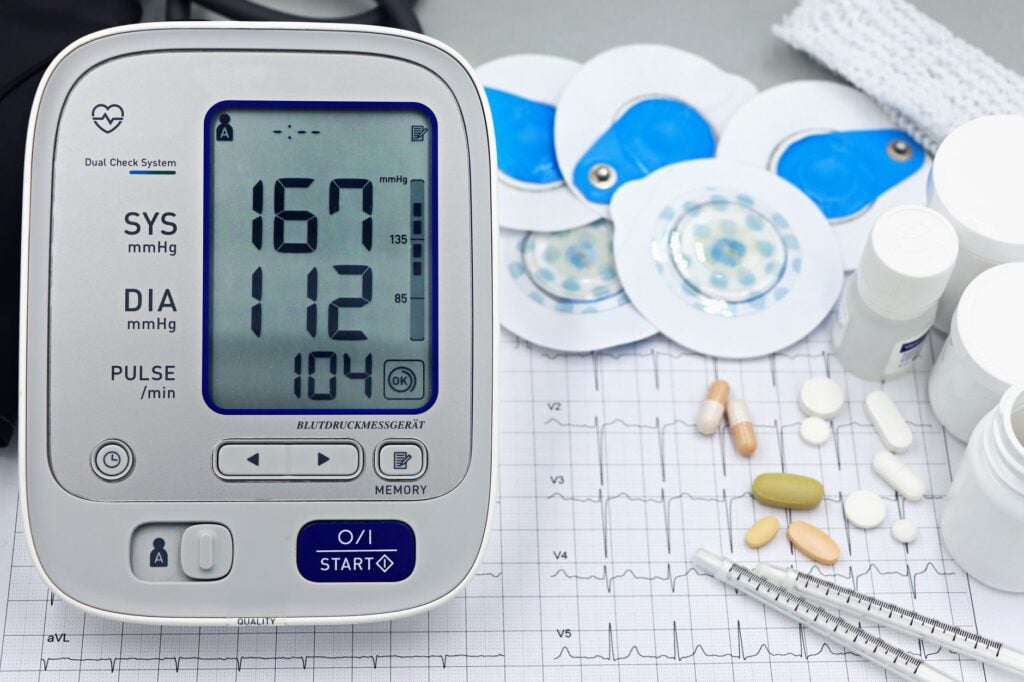
Cannabis for glaucoma can lower eye pressure by 25-30%. MrGreen DC budtenders share the best strains, tinctures, and dosing tips. Visit us on Connecticut Ave.
● mrgreendc.com
4302 Connecticut Avenue NW, Washington DC
If you’re researching cannabis for glaucoma, you’re probably already dealing with the drops, the appointments, and the anxiety that comes with watching your eye pressure numbers. I get it. I had a patient come in a few weeks ago — retired guy from Dupont Circle, diagnosed with open-angle glaucoma about three years back. His ophthalmologist had him on two different prescription drops, and he was still measuring elevated intraocular pressure at his last visit. He walked into MrGreen DC dispensary and said, “Marcus, I don’t want to lose my sight. What can this plant actually do for me?” That’s the kind of question that makes me love this job. So let’s get into it — what the research actually says, which strains and products make sense, and how DC medical cannabis patients can use this plant responsibly alongside their existing treatment.
Does Cannabis Actually Lower Eye Pressure? Here’s What We Know About THC vs CBD
Short answer: yes, THC does lower intraocular pressure. That’s been established since the 1970s. The National Eye Institute funded studies decades ago showing that THC can reduce eye pressure by about 25–30% for a few hours. That’s real. But here’s the thing most articles don’t tell you — the effect is temporary. We’re talking three to four hours, sometimes less. Glaucoma is a 24-hour condition, and your optic nerve doesn’t take breaks.
So does that make cannabis useless for glaucoma? Not at all. It means you need realistic expectations and a plan. Many of my patients use cannabis as a complement to their prescription eye drops, not a replacement. Their ophthalmologists are on board with that approach, and the results speak for themselves — better pressure readings, better sleep, less anxiety about their diagnosis.
Now, the THC vs CBD conversation gets interesting here. A 2018 study from Indiana University found that CBD alone might actually increase eye pressure in some cases. That surprised a lot of people. It doesn’t mean CBD is bad — CBD benefits are well-documented for inflammation, neuroprotection, and sleep. But if your primary goal is cannabis eye pressure reduction, you want THC in the mix. Period. A balanced ratio or a THC-dominant product is what I’d recommend for glaucoma patients specifically.
Best Strains and High CBD Flower for Glaucoma Patients at a Medical Dispensary in Washington DC
When patients ask me what strains work best for glaucoma, I don’t just rattle off names. I think about what’s actually in the plant — the cannabinoid profile and the cannabis terpenes that drive the specific effects you’re after.
For cannabis for glaucoma patients, here’s what I typically recommend:
- Motorbreath — This one’s a heavy hitter with a strong THC content and loads of myrcene and caryophyllene. The myrcene promotes deep relaxation (great for nighttime dosing when eye pressure tends to spike), and caryophyllene has anti-inflammatory properties that may support optic nerve health. Shop Motorbreath flower
- Gelato Cake — Balanced enough to use in the evening without feeling completely knocked out. Rich in limonene, which helps with mood and stress. Stress matters here because cortisol spikes can worsen intraocular pressure. Shop Gelato Cake flower
- Khalifa Kush — A solid THC-dominant strain with a terpene profile that leans toward pinene and limonene. The pinene terpene is particularly interesting for glaucoma patients because some preliminary research suggests it may support blood flow to the eye. I’m not making medical claims here, but the science is worth watching.
If you’re looking for high CBD flower, that’s fine for general wellness, but remember what I said above — for eye pressure specifically, you want a product that includes meaningful THC. A 1:1 THC-to-CBD ratio can be a great middle ground if you’re sensitive to THC’s psychoactive effects. Check our cannabis menu for current availability, because strains rotate.

cannabis terpenes
Cannabis Tincture, Cannabis Oil, and Sublingual Cannabis: The Best Delivery Methods for Sustained Eye Pressure Relief
Honestly, smoking a joint isn’t the most efficient way to manage glaucoma. It works, sure — the IOP drop happens fast, within 15 to 20 minutes. But the effect fades quickly, and frequent smoking carries its own respiratory concerns that most glaucoma patients (often older adults) don’t want to deal with.
Here’s where cannabis tincture and sublingual cannabis become your best friends. A tincture taken under the tongue absorbs through the mucous membranes and hits your system in about 15 to 30 minutes. The effects last longer than smoking — typically four to six hours — which means fewer doses throughout the day. That’s a big deal when you’re managing a chronic condition.
Our Motorbreath double-strength tincture is one I point glaucoma patients toward regularly. It’s potent enough that a small dose goes a long way, and you can titrate precisely. Start with half a dropper. Wait an hour. Adjust from there. (Seriously, patience with dosing saves you from an uncomfortable afternoon.)
Cannabis oil and RSO (Rick Simpson Oil) are other options worth considering. RSO is concentrated, so it’s great for patients who need higher THC doses without consuming large volumes. Our RSO syringe (500mg) lets you measure exact amounts — a rice-grain-sized dose on a cracker or under the tongue is a common starting point.
Can You Use Cannabis Topicals for Glaucoma?
I get this question more than you’d think (no judgment, everyone asks). The short answer is no — cannabis topicals like creams and balms don’t penetrate to the eye in any meaningful way. They’re fantastic for joint pain, muscle soreness, and skin conditions. But cannabinoid eye drops that could actually reach the anterior chamber of the eye aren’t commercially available yet. Researchers are working on water-soluble cannabinoid formulations that could change this, but we’re not there today. Don’t waste your money on topicals for this specific condition.
Is Cannabis a Replacement for Glaucoma Medication?
No. I’ll say that plainly because it matters. Cannabis for glaucoma is a supplement, not a substitute. Your prescription drops — prostaglandins, beta-blockers, whatever your ophthalmologist has you on — are maintaining baseline pressure control around the clock. Cannabis adds another layer of relief, especially during peak pressure times (often early morning or late evening). Talk to your eye doctor. Most of them won’t be surprised you’re asking, and many are supportive as long as you’re not abandoning proven treatments.
Getting Your Medical Marijuana Card in DC Through ABCA Self-Certification
Here’s the part that trips people up. They assume getting a medical marijuana card DC involves a doctor’s visit, paperwork, waiting, fees — the whole bureaucratic nightmare. It doesn’t. Not anymore.
DC uses a self-certification process through the ABCA medical cannabis program. ABCA stands for the Alcoholic Beverage and Cannabis Administration, and they’re the ones who run the show. Here’s how it works:
- You must be 21 or older
- Go to the ABCA website and self-certify online
- No doctor’s visit required. No fee.
- The whole process takes about two minutes (yes, actually two minutes)
- You’ll receive your medical cannabis card, and then you can purchase from any licensed medical dispensary in Washington DC
Look, the most common concern I hear — especially from patients who work for the federal government or contractors — is privacy. ABCA does not share your patient data with employers, federal agencies, or anyone else. Your information is protected. There’s zero career risk from getting your card (yes, even your employer won’t know). I’ve had patients from Capitol Hill, Georgetown, Navy Yard — all walks of life, all kinds of employers — and not one has ever had an issue. If you want a deeper walkthrough, we’ve got a full guide on how to get a DC med card.
Building a Cannabis for Glaucoma Routine That Actually Works
Knowing which products to buy is one thing. Knowing how to use them is another. Here’s a routine I’ve helped several glaucoma patients put together — obviously, adjust based on your own response and your doctor’s input:
- Morning: Use your prescription eye drops as directed. If your eye pressure tends to be highest in the early hours, consider a small sublingual cannabis dose — half a dropper of tincture — about 30 minutes after your drops.
- Midday: If you need a dose and don’t want to feel impaired at work, a low-THC vape cartridge can offer a quick, mild pressure reduction. Our Khalifa Kush cartridge is smooth enough for a single hit without overdoing it.
- Evening: This is where you can lean into a higher-THC flower or a stronger tincture dose. Myrcene-heavy strains like Motorbreath are perfect here — they’ll lower eye pressure and help you sleep, which is when your body does most of its healing.
- Before bed: A small RSO dose (rice-grain size) provides the longest-lasting effect, potentially carrying some benefit through the night when you can’t dose otherwise.
The key with cannabis for glaucoma management is consistency. Random use won’t give you the sustained pressure management you need. Treat it like any other medication — scheduled, measured, tracked. Keep a simple journal noting your dose, time, and how your eyes feel. Bring that journal to your next ophthalmology appointment. Your doctor will appreciate the data, and you’ll see patterns that help you refine your approach.
Also, pay attention to cannabis terpenes — they aren’t just about flavor. Linalool promotes calm and may have neuroprotective qualities relevant to optic nerve health. Pinene has shown bronchodilatory and anti-inflammatory effects. Caryophyllene binds to CB2 receptors, which are involved in inflammation pathways. When you’re shopping, don’t just look at THC percentage. Ask your budtender about the terp profile. That’s where the real customization happens.
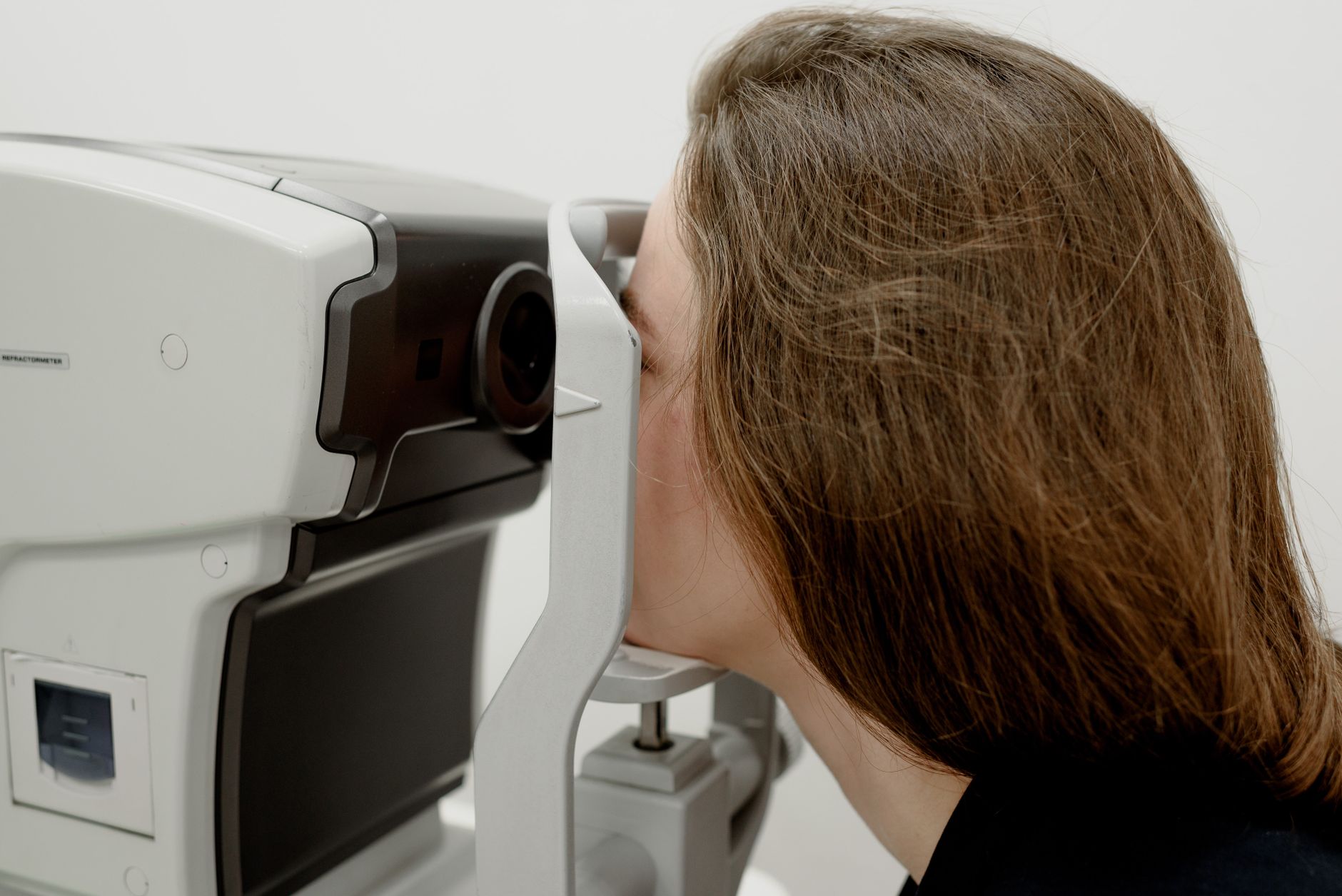
If you’re a DC medical cannabis patient managing glaucoma — or you’ve been thinking about getting your card specifically because of your diagnosis — cannabis for glaucoma is a real, evidence-backed option that deserves serious consideration. Not hype, not miracle claims, just a plant that’s been shown to lower intraocular pressure when used correctly alongside your existing care plan. We’re here to help you figure out the right products and the right routine.
Stop by MrGreen DC on Connecticut Avenue NW and talk to one of our budtenders — we’ll walk you through everything in person. Not nearby? We deliver throughout Washington DC, from Dupont Circle to Navy Yard and everywhere in between. Check out our cannabis delivery page to get started, or reach out directly with any questions. Your eyes are worth it.