
Cannabis for epilepsy can reduce seizures with the right CBD-to-THC ratio. MrGreen DC budtenders share the best strains, products, and dosing tips. Visit us on Connecticut Ave.
● mrgreendc.com
4302 Connecticut Avenue NW, Washington DC
If you’re researching cannabis for epilepsy, you’re probably exhausted — from the seizures themselves, from medications that half-work with brutal side effects, or from doctors who won’t look past the prescription pad. I get it. About three months ago, a patient came into our shop on Connecticut Avenue holding a folder full of pharmacy receipts and EEG printouts. She’d been through four anticonvulsants. None of them fully controlled her focal seizures, and the side effects were wrecking her quality of life. She asked me one question: “Can this plant actually help?” The honest answer is yes — but only if you understand which products, which ratios, and which delivery methods actually make sense for seizure disorders. That’s what this post is about. Not hype. Not miracle claims. Just what I’ve seen work behind the counter, backed by what the research actually says.
Why Cannabis for Epilepsy Is Gaining Serious Traction — and What the Science Says
Let’s get the big one out of the way. The FDA approved Epidiolex, a pharmaceutical-grade CBD product, for Lennox-Gastaut syndrome and Dravet syndrome in 2018. That wasn’t a small deal — it was the federal government’s own agency saying cannabidiol reduces seizures. Since then, the research has expanded. A 2023 meta-analysis in Epilepsia found that CBD-dominant cannabis products reduced seizure frequency by 50% or more in roughly 40-50% of patients with drug-resistant epilepsy. Those are real numbers for people who’ve tried everything else.
Here’s the thing: Epidiolex is just isolated CBD in sesame oil. The medical cannabis products available to DC patients can offer something more — the full spectrum of cannabinoids and terpenes that may work together. You’ll hear people call this the “entourage effect,” and while that term gets thrown around too loosely, there’s legitimate evidence that whole-plant cannabis oil outperforms isolated CBD for some epilepsy patients. A 2018 study in Frontiers in Neurology compared CBD-rich cannabis extracts to purified CBD and found the extracts produced better seizure reduction at lower doses.
So does cannabis reduce seizures? For many patients, yes. CBD is the primary driver, but minor cannabinoids like CBDV and CBG, plus terpenes like linalool and myrcene (both of which have documented anticonvulsant properties), likely contribute. That doesn’t mean you should grab any random product off a shelf. The strain, the ratio, and the delivery method all matter enormously.
Best Strains and CBD-to-THC Ratios for Seizure Disorders
This is where most online guides fail you. They’ll list ten strain names with no context. I’ll do better than that.
For epilepsy and seizure management, you want high CBD flower or products with a balanced THC CBD ratio — but the specific ratio depends on your situation. Here’s how I break it down for patients:
High CBD, Low THC (20:1 to 8:1 Ratios)
This is where most epilepsy patients should start. A 20:1 CBD-to-THC ratio means you’re getting the anticonvulsant CBD benefits without significant psychoactive effects. Strains like ACDC, Charlotte’s Web, Harlequin, and Ringo’s Gift fall into this category. These work especially well for daytime use, for patients who need to drive or function at work, and for anyone who’s never used cannabis before (no judgment, everyone asks).
If you’re a medical cannabis patient in DC managing drug-resistant epilepsy, this ratio is your starting line. The goal is seizure reduction without impairment.
Balanced Ratios (1:1 to 4:1 CBD:THC)
Some patients find that a small amount of THC actually improves their seizure control beyond what CBD alone provides. A 1:1 balanced THC CBD product isn’t going to knock you sideways — especially not in tincture or capsule form at measured doses. The THC in these ratios appears to enhance CBD’s anticonvulsant effect in certain patients while also helping with sleep and anxiety, both of which can be seizure triggers. Pennywise and Cannatonic are classic balanced strains worth looking for.
I’m not going to pretend the THC vs CBD question has a universal answer. It doesn’t. But I’ll tell you what I’ve observed: patients who’ve plateaued on pure CBD products sometimes see meaningful improvement when they add a small amount of THC. Not a lot. Just enough.
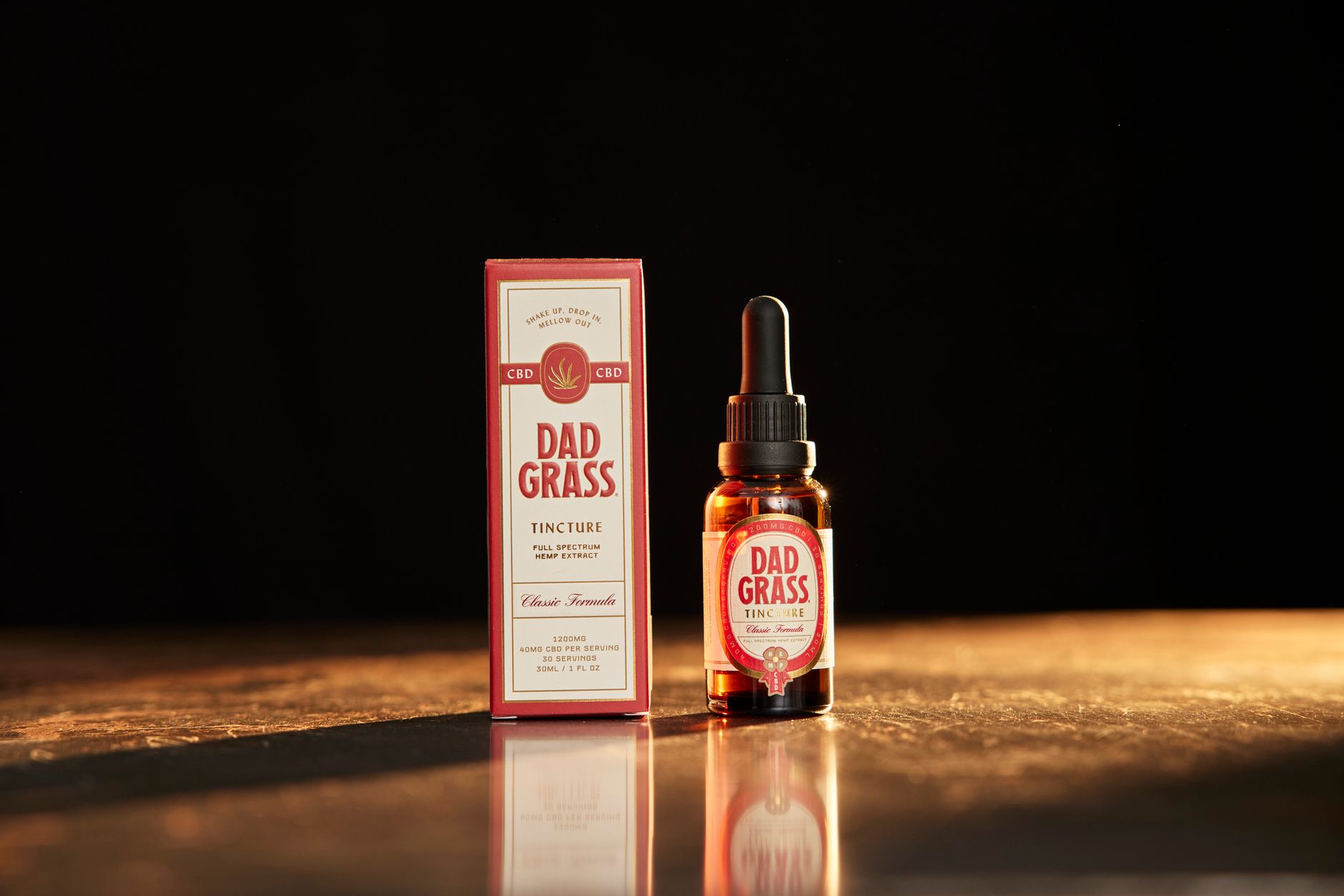
high CBD flower
Best Product Types: Cannabis Tinctures, Capsules, and RSO for Seizure Control
Strain selection matters, but how you take cannabis for epilepsy matters just as much. Smoking a joint isn’t a seizure management plan. You need consistent dosing, predictable onset, and long-lasting effects. Here’s what actually works:
Sublingual Cannabis Tinctures
A cannabis tincture taken sublingually (under the tongue) is the gold standard for most epilepsy patients I work with. Why? You can dose precisely — down to the milligram with a graduated dropper. Onset is 15-30 minutes. Duration is 4-6 hours. And sublingual cannabis bypasses first-pass liver metabolism, so you get more predictable blood levels than edibles.
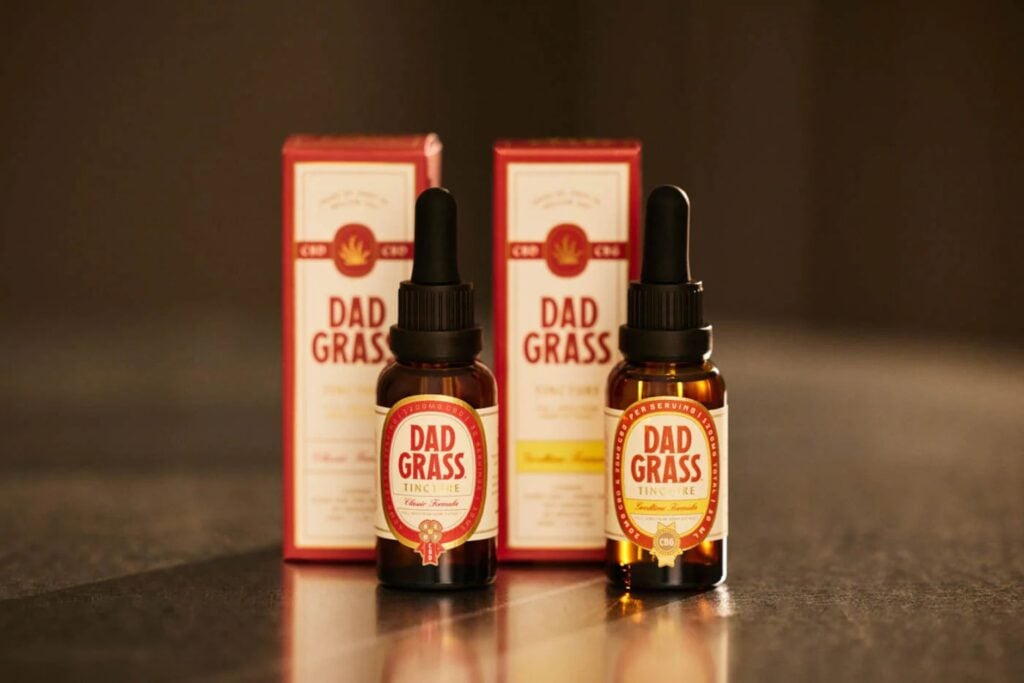
We carry the Motorbreath double-strength tincture, which is THC-dominant — more suited for pain or sleep. For epilepsy specifically, ask our budtenders about CBD-forward tincture options. We can point you to the right product based on your ratio needs.
RSO (Rick Simpson Oil)
RSO is a full-spectrum cannabis oil that’s incredibly concentrated. For patients with severe or drug-resistant epilepsy who need higher doses, RSO is worth considering. You can dose it orally in tiny amounts (think a rice-grain-sized portion to start) and titrate up slowly. Our RSO syringe (500mg) gives you precise control. Some epilepsy patients also use the 2500mg RSO syringe for longer-term supply.
Cannabis Capsules
Cannabis capsules are perfect for patients who want something that feels like taking a normal medication. Consistent dose every time. No taste. Easy to incorporate into an existing medication schedule. The tradeoff is slower onset (45-90 minutes) because they go through digestion, but the effects last 6-8 hours — which is great for overnight seizure prevention.
What About Vaping or Smoking?
Honestly, inhaled cannabis has a role, but it’s narrow. If you feel a seizure aura coming on and need rapid relief (seriously, two minutes to onset), a quick hit from a CBD-dominant vape can act as a rescue measure. But it shouldn’t be your primary method. The effects wear off in 1-2 hours, and consistency is hard to maintain. Think of it as your emergency backup, not your daily plan.
CBD Dosage Guide for Epilepsy: How to Start and Adjust
The most common question I get behind the counter from epilepsy patients is “how much should I take?” Here’s my practical CBD dosage guide:
- Start low: 5-10mg of CBD twice daily. Yes, this sounds tiny. That’s the point.
- Increase slowly: Add 5-10mg every 5-7 days until you notice seizure reduction or side effects (drowsiness, appetite changes, diarrhea).
- Therapeutic range: Most research suggests 5-20mg/kg/day for significant seizure reduction. For a 150-pound person, that’s roughly 340-1360mg of CBD daily — which is a wide range, and why titration matters.
- Keep a seizure diary: Track frequency, duration, and severity alongside your dosing. This is how you know what’s actually working versus placebo hope.
- If adding THC: Start with a 20:1 CBD:THC product, then gradually shift to a 4:1 or 1:1 if needed. Small increments.
Look, I can’t give you a one-size-fits-all number. But I can tell you that the biggest mistake I see is patients who grab a product, take too much on day one, feel weird, and quit. Titration isn’t glamorous, but it’s how you find your dose without unnecessary side effects.
Cannabis Drug Interactions: What Epilepsy Patients Must Know
This part is critical and I won’t sugarcoat it. CBD inhibits cytochrome P450 enzymes in your liver — the same enzymes that metabolize most anticonvulsant drugs. If you’re taking clobazam, valproate, topiramate, or other antiepileptic medications, adding CBD can increase their blood levels. That means your existing meds might hit harder than expected.
Cannabis drug interactions with epilepsy medications aren’t theoretical. They’re documented. This doesn’t mean you can’t use both — it means you need to work with your neurologist. Get your medication levels checked after starting CBD. Your doctor may need to adjust your pharmaceutical dose downward. Don’t skip this step. I’m a budtender, not your physician, and any responsible medical cannabis patient in DC should have both a good dispensary and a doctor who’s willing to collaborate.
Getting Your DC Medical Cannabis Card: It’s Easier Than You Think
If you’re in DC and you haven’t gotten your medical card yet, here’s the truth: it takes about two minutes, it’s free, and you don’t need a doctor’s visit. DC uses a self-certification system through the ABCA medical cannabis program. Anyone 21 or older can go to the ABCA website, self-certify, and receive their medical cannabis patient card.
The most important thing patients with epilepsy ask me about is privacy (yes, even your employer won’t know). ABCA does not share your patient data with employers, federal agencies, or anyone else. Your information is protected. There’s zero career risk. Whether you work on Capitol Hill, in a Georgetown law firm, or at a nonprofit in Columbia Heights — nobody gets notified. Period.
Being a registered medical cannabis patient in DC also gives you access to tested, labeled products from licensed dispensaries like ours, which matters enormously when you’re managing a neurological condition. You need to know exactly what’s in your product and exactly how much you’re taking. That’s not optional for seizure management — it’s essential.
Check out our full guide on how to get a DC med card if you want the step-by-step walkthrough.
Terpenes That May Support Seizure Reduction
Cannabinoids get all the attention, but the terpene profile of your cannabis product matters too. For epilepsy patients, pay attention to these:
- Linalool — Found in lavender and many indica-dominant strains. It has documented anticonvulsant properties in animal studies and also reduces anxiety, which is a known seizure trigger.
- Myrcene — The most common cannabis terpene. It enhances CBD absorption and has sedative, muscle-relaxant properties that may help prevent sleep-related seizures.
- Caryophyllene — Unique because it binds directly to CB2 receptors. It has anti-inflammatory effects that may protect against neuroinflammation, which plays a role in some forms of epilepsy.
- Limonene — Primarily an anti-anxiety terpene. Since stress and anxiety can trigger seizures in many patients, limonene-rich products might offer indirect seizure prevention benefits.
When you’re browsing our cannabis menu, ask about terpene test results. We can help match you to products with the right terpene profile. Our terpenes guide breaks down each one in more detail if you want to do your homework first.

Cannabis for epilepsy isn’t a magic bullet, but for a growing number of DC medical patients — especially those dealing with drug-resistant seizures — it’s becoming an important part of the treatment picture. The right high CBD strain or balanced tincture, dosed carefully alongside (not secretly instead of) your existing medications, can make a real difference. I’ve watched it happen.
If you’re ready to talk through your options, come see us at MrGreen DC on Connecticut Avenue NW. Our budtenders have real cannabis industry experience and we’ll spend whatever time you need finding the right product and ratio. Can’t make it in person? We offer cannabis delivery throughout DC — whether you’re in Dupont Circle, Capitol Hill, or anywhere else in the District. Your seizure management plan deserves better than guesswork. Let’s get it right.