
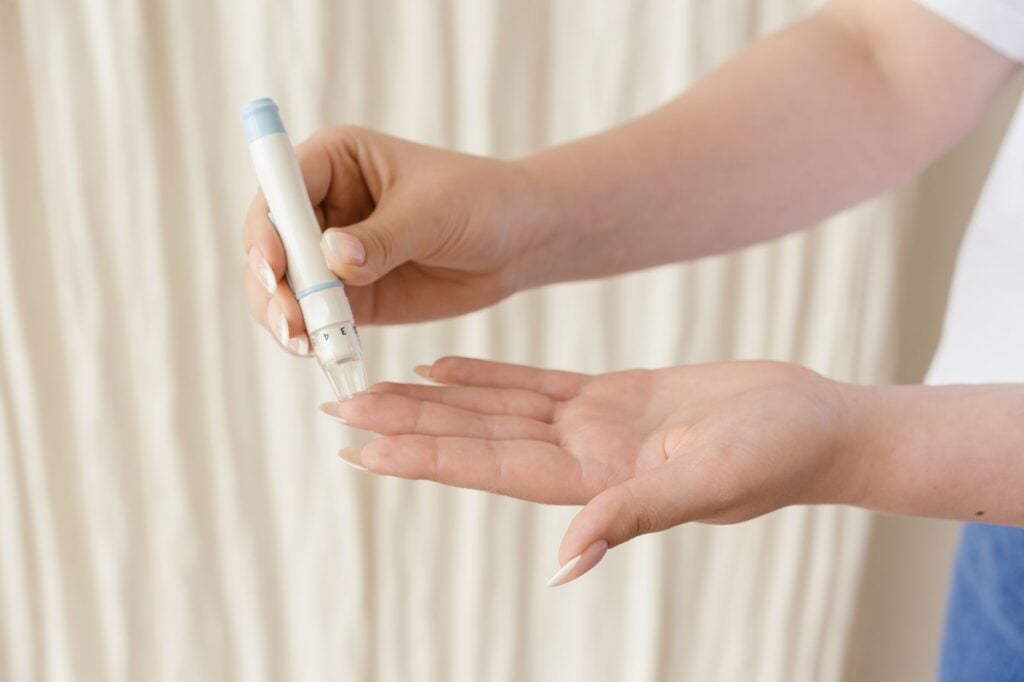
Exploring cannabis for diabetes? MrGreen DC budtenders share the best strains, THCV products, and blood sugar tips for DC medical patients. Visit us on Connecticut Ave.
● mrgreendc.com
4302 Connecticut Avenue NW, Washington DC
If you’re researching cannabis for diabetes, you’re not alone — it’s one of the fastest-growing conversations I have behind the counter at MrGreen DC. Last month, a patient walked in from Dupont Circle who’d been managing Type 2 diabetes for over a decade. She was on metformin, dealing with peripheral neuropathy in her feet, and genuinely exhausted by the inflammation that never seemed to quit. She wasn’t looking to replace her meds. She wanted something to help with the parts her prescriptions weren’t touching — the nerve pain at night, the chronic low-grade inflammation, the stress that was spiking her blood sugar readings. We talked for about twenty minutes, built her a plan around a cannabis tincture and a high-CBD topical, and two weeks later she came back and told me she’d slept through the night for the first time in months. That’s what this post is about: real options, real terpenes, and real talk about what cannabis can and can’t do for diabetes management.
What the Research Actually Says About Cannabis and Blood Sugar
I’m not a doctor. I’ll say that up front and I’ll mean it every time. But I’ve spent six years in the DC cannabis industry reading every study I can find, talking to patients daily, and paying attention to what works. Here’s what we know so far.
Several studies — including a large one published in The American Journal of Medicine — found that current cannabis users had lower fasting insulin levels and smaller waist circumferences than non-users. That’s significant because insulin resistance is basically the engine driving Type 2 diabetes. There’s also growing research on how cannabis and inflammation interact: cannabinoids like CBD and THC appear to reduce inflammatory markers (specifically TNF-alpha and IL-6) that are elevated in people with metabolic syndrome. Does that mean cannabis cures diabetes? Absolutely not. Does it mean there’s a real biological basis for using anti-inflammatory cannabis as part of your management plan? Yeah, I think so.
The cannabinoid that’s gotten the most attention in diabetes research is THCV — tetrahydrocannabivarin. A 2016 study in Diabetes Care found that THCV improved fasting glucose levels and pancreatic beta-cell function in Type 2 diabetics. That’s not anecdotal. That’s a randomized, placebo-controlled trial. THCV also tends to suppress appetite rather than stimulate it, which is the opposite of what most people associate with cannabis. For patients worried about the munchies messing with their dietary plan, THCV-dominant strains are worth a serious look.
Best Strains and Products for Managing Diabetes Symptoms with Medical Cannabis DC
Honestly, the most common mistake I see is patients grabbing whatever’s cheapest or highest in THC without thinking about their actual symptoms. Diabetes isn’t one problem — it’s a cluster of them. Inflammation, neuropathy, sleep disruption, stress, weight management. Different cannabinoid and terpene profiles address different parts of that cluster.
For Chronic Inflammation and Insulin Resistance
You want strains high in caryophyllene — a terpene that actually binds to CB2 receptors and acts as an anti-inflammatory on its own. It’s the only terpene that does this. Strains like Gelato Cake are loaded with caryophyllene and tend to deliver solid body relief without knocking you out. For a more targeted approach, an RSO syringe lets you dose precisely (we’re talking rice-grain-sized amounts) and delivers the full spectrum of cannabinoids that seem to work best for systemic inflammation. Check out our RSO syringe 500mg — it’s one of the most popular products we move for patients dealing with inflammatory conditions.
For Diabetic Neuropathy and Nerve Pain
CBD for pain is probably the search term that brought half of you here, and for good reason. CBD’s anti-inflammatory and neuroprotective properties are well-documented. But here’s a secret most articles won’t tell you: CBD alone often isn’t enough for serious neuropathic pain. The combination of THC and CBD — what researchers call the “entourage effect” — tends to outperform either cannabinoid solo. A 1:1 ratio cannabis tincture taken sublingually at night can make a dramatic difference for patients whose feet are burning or tingling. Our Motorbreath double-strength tincture is a great starting point if you prefer a higher-THC option, but always ask us about what ratios we currently carry.
Cannabis topicals are another tool people overlook. A THC- or CBD-infused balm applied directly to your feet or hands won’t get you high (no, really — it won’t enter your bloodstream in meaningful amounts), but it can reduce localized nerve pain and inflammation right where you need it. I recommend topicals to almost every neuropathy patient I talk to.

caryophyllene
THCV, Microdosing, and the Appetite Question
Look, I get it — the idea of using cannabis when you’re trying to manage your weight and blood sugar seems counterintuitive. “Won’t it give me the munchies and wreck my diet?” That’s literally the most common question I get from diabetic patients (no judgment, everyone asks).
The answer depends entirely on what you’re consuming. High-THC indicas? Yeah, you might raid the fridge. But THCV-forward strains like Durban Poison and Doug’s Varin are actually appetite suppressants. THCV is sometimes called “diet weed” for a reason. It provides a clear, energetic, shorter-duration high without the hunger spike. If your dispensary near you in Washington DC doesn’t carry THCV-specific products, ask them why — because demand is growing fast.
Microdosing cannabis is the other strategy that’s changed the game for my diabetic patients. Instead of taking a full dose and dealing with impairment, you take 2.5–5mg of THC (or a combination of THC and CBD) once or twice a day. At those levels, most people feel zero psychoactive effect but still get the anti-inflammatory and neuroprotective benefits. Our THC chocolate edibles come in 10mg pieces — just break one in half and you’re right in the microdosing sweet spot. Cannabis edibles like these are easy to dose consistently, which matters a lot when you’re tracking blood sugar.
A Note on Cannabis Drug Interactions
Here’s the thing: cannabis can interact with diabetes medications, and you need to take that seriously. THC and CBD are both metabolized by cytochrome P450 enzymes in the liver — the same enzymes that process metformin, sulfonylureas, and insulin. That doesn’t mean you can’t use both, but it does mean you should tell your endocrinologist or primary care doctor what you’re doing. CBD in particular can affect how quickly your body processes certain drugs, potentially making them stronger or weaker than intended. Cannabis drug interactions aren’t a reason to avoid cannabis — they’re a reason to be smart about it. Start low, go slow, monitor your glucose more frequently when you first add cannabis to your routine, and keep your doctor in the loop.
How to Get Your Medical Marijuana Card DC Through Self-Certification
If you don’t have your medical marijuana card DC yet, here’s the good news: it’s ridiculously easy. DC uses a self-certification system administered by the ABCA (Alcoholic Beverage and Cannabis Administration). You don’t need a doctor’s recommendation. You don’t need to prove a qualifying condition. You don’t pay a fee. If you’re 21 or older, you go to the ABCA website, fill out the DC self-certification cannabis form, and you’re done (seriously, two minutes). Your card arrives digitally and you can start shopping at any licensed medical dispensary in Washington DC the same day.
I know the concern that stops a lot of people, especially federal employees working in Shaw or Capitol Hill: “Will my employer find out?” No. ABCA does not share your patient data with employers, federal agencies, or anyone else (yes, even your employer won’t know). Your registration is protected by strict privacy rules. Zero career risk. I’ve had dozens of patients who work for federal agencies, contractors, NGOs — they all asked the same question, and they all got the same answer. You’re protected. Period. If you want more details on the process, check out our guide on how to get a DC med card.
Building Your Cannabis for Diabetes Plan: Practical Tips from the Counter
After six years of helping patients manage chronic conditions with cannabis, here’s the protocol I typically suggest for someone dealing with Type 2 diabetes, insulin resistance, or diabetic neuropathy. This isn’t medical advice — it’s what I’ve seen work behind the counter at our dispensary on Connecticut Avenue DC.
- Morning: Microdose 2.5–5mg THC/CBD edible or tincture. Enough to start the anti-inflammatory cascade without any impairment. Look for products high in limonene or pinene for daytime energy and focus.
- Afternoon (as needed): Apply a cannabis topical to areas affected by neuropathy — feet, hands, lower legs. Reapply every 4–6 hours.
- Evening: Slightly larger dose of a 1:1 THC:CBD tincture or a small amount of flower/vape high in myrcene and linalool. These terpenes promote relaxation and sleep, which directly affects blood sugar regulation. Poor sleep raises cortisol, cortisol raises blood sugar. It’s all connected.
- Track everything: Log your cannabis doses alongside your glucose readings for at least two weeks. You’ll start seeing patterns — certain products or doses that correspond with better numbers.
One more thing people don’t talk about enough: stress management. Cortisol is a blood-sugar wrecking ball, and chronic stress keeps it elevated around the clock. Cannabis — especially strains rich in linalool (the same terpene in lavender) — can meaningfully reduce stress and anxiety. That alone can improve your A1C over time. Learn more about how different terpene profiles affect your body in our cannabis terpenes guide.
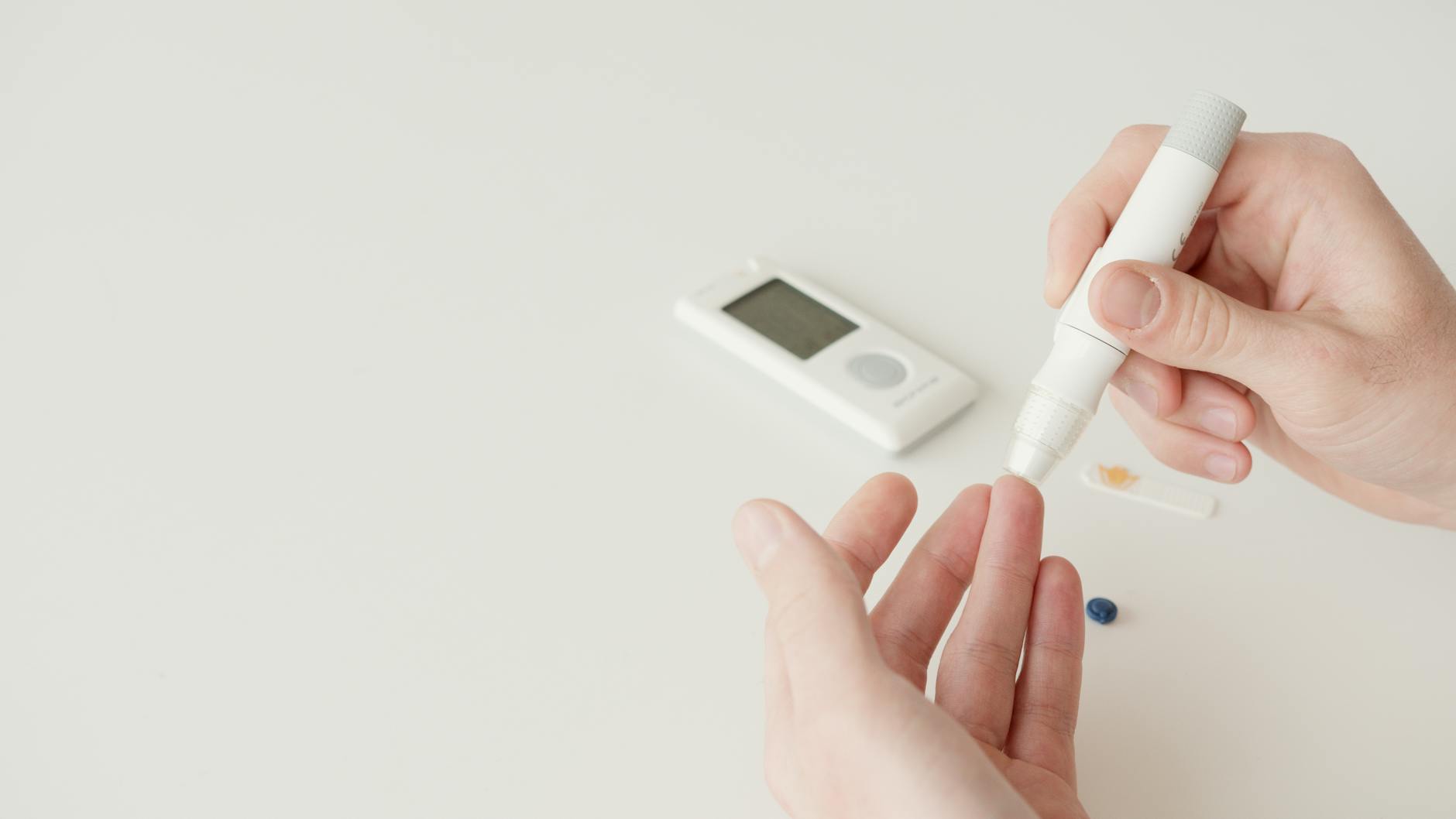
Using cannabis for diabetes management isn’t about replacing your medication or ignoring your endocrinologist. It’s about adding tools to your kit — targeting inflammation, calming nerve pain, improving sleep, and managing stress in ways that conventional medicine sometimes can’t reach. The research is still catching up, but the patients I talk to every week aren’t waiting for a final verdict. They’re feeling better now, and they’re doing it responsibly.
If you’re ready to figure out the right approach for your body, come see us at MrGreen DC on Connecticut Avenue NW. Our budtenders will walk you through every product, every terpene profile, every dosing question — no rush, no pressure. Can’t make it in? We offer cannabis delivery across DC, including Dupont Circle, Capitol Hill, Shaw, and beyond. Your diabetes management plan deserves more than guesswork. Let’s build it together.