
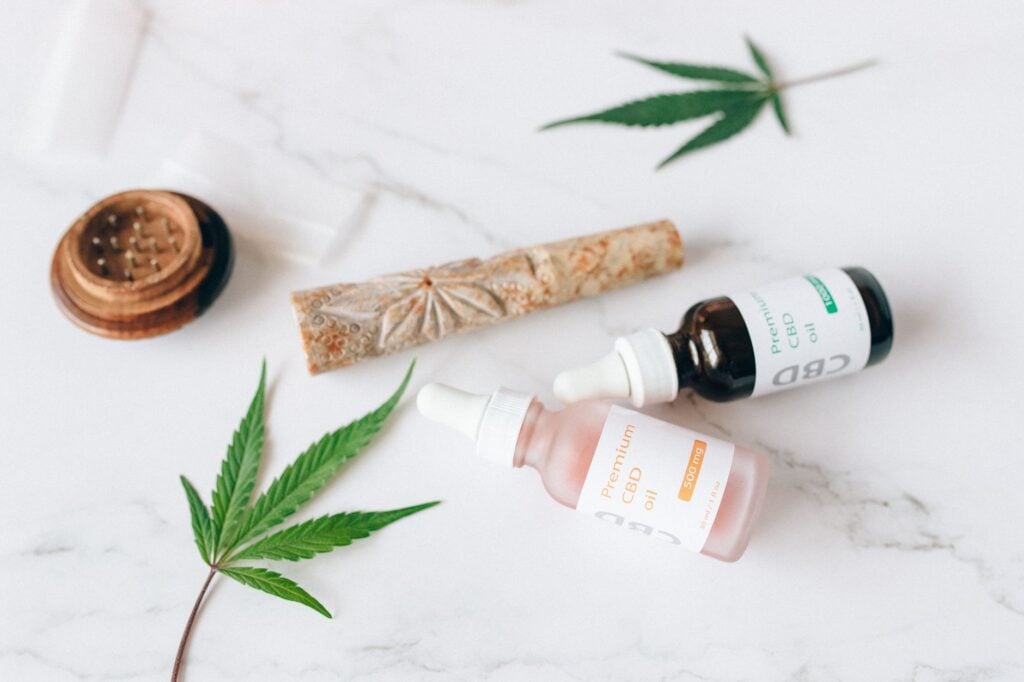
Cannabis for Crohn’s disease: DC budtender breaks down the best strains, tinctures, and dosing tips for IBD relief. Visit MrGreen DC on Connecticut Ave.
● mrgreendc.com
4302 Connecticut Avenue NW, Washington DC
If you’re researching cannabis for Crohn’s disease, you’re probably not doing it out of idle curiosity — you’re doing it because you’re hurting right now. I get it. I had a patient walk into our Connecticut Avenue dispensary a few months back, doubled over from a Crohn’s flare that’d been going on for six days straight. She’d tried everything her GI doctor suggested, was already on biologics, and still couldn’t keep food down. We spent twenty minutes talking through her options, and she left with a cannabis tincture and some high CBD flower. She came back two weeks later and told me it was the first time in a year she’d eaten a full meal without wanting to cry. That’s not a miracle — that’s the right product matched to the right problem. And that’s exactly what we’re going to cover here: the specific strains, delivery methods, and practical tips that actually help DC medical cannabis patients manage IBD flare-ups, intestinal inflammation, abdominal pain, and nausea.
Why Cannabis and Inflammation Matter for IBD Patients
Your gut is basically at war with itself. Whether you’ve got Crohn’s disease or ulcerative colitis, the core issue is the same: your immune system is attacking your own intestinal lining, causing chronic inflammation, cramping, diarrhea, and sometimes pain that makes you cancel every plan you’ve made. Traditional treatments — steroids, immunosuppressants, biologics — work for a lot of people, but they don’t work for everyone, and the side effects can be brutal.
Here’s where anti inflammatory cannabis comes in. Your gut is packed with CB1 and CB2 cannabinoid receptors, which are part of the endocannabinoid system that helps regulate inflammation, motility, and pain signaling throughout your digestive tract. THC binds directly to CB1 receptors in the gut wall, which can slow painful spasms and reduce the urgency that makes you afraid to leave the house. CBD, meanwhile, has well-documented anti-inflammatory properties that work through different pathways — it doesn’t just mask the pain, it may actually help calm the immune response that’s causing the damage in the first place.
And then there’s CBG — cannabigerol — which is getting a lot of attention from IBD researchers right now. Early studies suggest CBG may reduce intestinal inflammation even more effectively than CBD in certain models. It’s still early, but I’ve seen enough patients respond well to CBG-rich products that I always bring it up during IBD consultations. The combination of THC, CBD, and CBG together seems to produce something stronger than any of them alone.
Best Strains and Products for Crohn’s Disease and Ulcerative Colitis
Not every strain is going to help your gut. Some will actually make things worse (I’m looking at you, super-stimulating sativas that send your anxiety through the roof and tighten up your stomach). Here’s what I actually recommend to patients dealing with IBD flare-ups, broken down by what they’re trying to fix.
For Abdominal Pain and Cramping
You want something with high myrcene content and moderate-to-high THC. Myrcene is the terpene that gives cannabis that earthy, musky scent, and it’s known for its muscle-relaxant and analgesic properties. Gelato Cake is one of my go-to suggestions — it’s got a strong body effect that quiets intestinal spasms without completely knocking you out. Our patients over in Dupont Circle and Logan Circle who deal with chronic abdominal pain tend to gravitate toward it. You can Shop Gelato Cake flower on our menu right now.
For Nausea and Appetite Loss
Cannabis and nausea is honestly one of the most well-established therapeutic relationships we’ve got. THC is a potent antiemetic — that’s science, not opinion. If you can’t keep food down during a flare, a small dose of THC before meals can be genuinely life-changing. I like strains rich in limonene for this, because that citrusy terpene also has anti-nausea properties. Sundae Driver works beautifully here: enough THC to settle your stomach, enough sweetness in the terpene profile that it doesn’t taste harsh when you’re already feeling queasy. Shop Sundae Driver flower if that sounds right for you.
For Intestinal Inflammation (During Active Flares)
When things are really bad, I don’t usually recommend smoking. Inhaling combusted plant material when your entire GI tract is inflamed just isn’t ideal. Instead, I push patients toward a cannabis tincture — specifically the Motorbreath double-strength tincture we carry. Tinctures are absorbed sublingually (under the tongue), which means faster onset than edibles and no smoke irritation. The Motorbreath strain is heavy in caryophyllene, which is the only terpene that directly binds to CB2 receptors — the same receptors concentrated in your gut’s immune tissue. That’s not a coincidence.
RSO (Rick Simpson Oil) is another option I bring up constantly for IBD patients. It’s a full-spectrum extract that preserves the complete range of cannabinoids and terpenes. You can dose it precisely with a syringe, mix it into food, or put it in capsules yourself. Our RSO syringe 500mg is a solid starting point if you’re new to concentrated products.

Gelato Cake
Choosing the Right Delivery Method: Edibles, Capsules, Tinctures, and Beyond
Look, the delivery method matters as much as the strain — maybe more. The most common question I get behind the counter from IBD patients is: “Should I smoke it, eat it, or what?” Here’s my honest breakdown.
Cannabis Edibles and Capsules
Cannabis edibles are tricky for Crohn’s patients. If your gut is inflamed and absorption is compromised, the edible might not hit the way it should — or it might hit unpredictably, which is worse. Cannabis capsules have the same issue: they need to pass through your digestive system to work. That said, during remission periods when your gut’s calmer, low-dose edibles (like our 10mg THC chocolates) can provide long-lasting relief that gets you through a full workday without re-dosing.
Tinctures
A cannabis tincture held under your tongue for 60-90 seconds bypasses the gut entirely. This is why I almost always start IBD patients on tinctures. Onset is usually 15-30 minutes, effects last 3-4 hours, and you can dial your dose up or down by a single drop. For someone with Crohn’s or ulcerative colitis, that kind of control is everything.
Cannabis Suppositories — Yes, We Need to Talk About Them
A cannabis suppository is probably the most underused option for IBD patients, and I think it’s mostly because people are embarrassed to ask about it (no judgment, everyone asks eventually). Rectal administration delivers cannabinoids directly to the lower GI tract — exactly where ulcerative colitis inflammation tends to concentrate. The bioavailability is significantly higher than oral dosing, and you skip first-pass liver metabolism entirely. If your flare is centered in the rectum and sigmoid colon, suppositories might give you the most targeted relief possible. Talk to your budtender. We won’t blink.
High CBD Flower for Daily Maintenance
High CBD flower with minimal THC is what I suggest for patients who want daily anti-inflammatory support without the psychoactive effects. It’s great for people who work federal jobs in Capitol Hill or Georgetown and can’t afford to feel impaired during the day but still want the inflammation-modulating benefits. You can vaporize it (much gentler than smoking) and get near-instant relief without the head change. Check our cannabis menu for current CBD-dominant strains — stock rotates, so it’s worth checking often.
Cannabis for Crohn’s Disease: Dosing Tips That Actually Help
Honestly, the biggest mistake I see IBD patients make is starting too high. Your gut is already sensitive — blasting it with a 50mg edible on day one is just going to add nausea on top of nausea. Here’s what works:
- Start with 2.5-5mg THC if you’re new to cannabis. That’s it. You can always take more tomorrow.
- Add CBD at a 1:1 ratio — so if you’re taking 5mg THC, pair it with 5mg CBD. The CBD moderates THC’s psychoactive effects while adding its own anti-inflammatory action.
- Dose 30 minutes before meals if nausea and appetite loss are your primary symptoms. This primes your stomach before food arrives.
- Keep a symptom journal. Track what you took, how much, what time, and how your gut felt for the next 4-6 hours. After two weeks you’ll have a clearer picture than any Reddit thread could give you.
- Consider microdosing — 1-2.5mg of THC, two or three times a day. Some patients find this more effective for managing chronic intestinal inflammation than a single larger dose.
Here’s the thing: cannabis for Crohn’s disease isn’t a replacement for your GI doctor’s treatment plan. It’s an addition. The patients I’ve seen get the best results are the ones using cannabis alongside their prescribed medications, not instead of them. If your doctor isn’t open to that conversation, it might be time to find one who is.
Getting Your Medical Cannabis Card in DC — It’s Easier Than You Think
A lot of people assume becoming a medical cannabis patient DC requires a doctor’s visit, a pile of paperwork, and weeks of waiting. It doesn’t. DC’s self-certification process is handled through the ABCA medical cannabis program — that’s the Alcoholic Beverage and Cannabis Administration, which is the regulatory body that runs DC’s medical cannabis program. If you’re 21 or older, you can self-certify online in about two minutes (seriously, two minutes). There’s no doctor visit required and no fee.
I know the big worry for a lot of our patients — especially folks working in Shaw, on Capitol Hill, or anywhere near a federal agency — is: “Will my employer find out?” The answer is no. ABCA does not share your patient data with employers, federal agencies, or anyone else. Your registration is protected by strict privacy rules. Zero career risk. I’ve had patients from every corner of the federal government come through our doors, and not a single one has had an issue (yes, even your employer won’t know). If you need help with the process, check out our guide on how to get a DC med card.
Once you’re registered, you can shop at any licensed medical dispensary in Washington DC — including ours on Connecticut Avenue, where we’ve got people on staff who’ve spent years in the DC medical cannabis industry and actually understand conditions like Crohn’s and ulcerative colitis. That matters. A budtender who doesn’t know the difference between myrcene and linalool isn’t going to help you manage a flare.
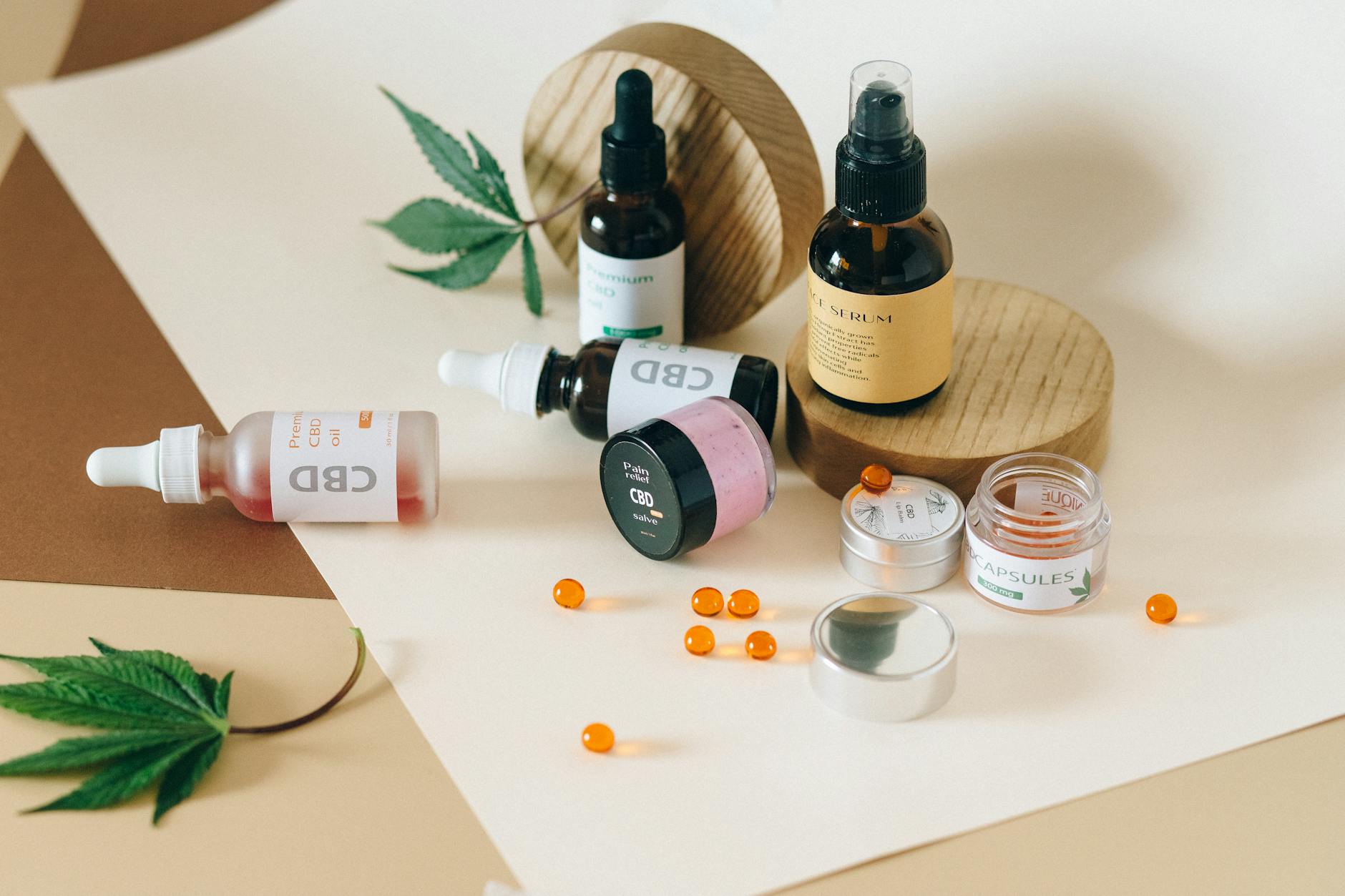
If you’re a medical cannabis DC patient dealing with Crohn’s disease, ulcerative colitis, or any form of IBD, you don’t have to figure this out alone. Cannabis for Crohn’s disease is real, it’s backed by growing evidence, and when you match the right product to the right symptoms, the relief can be significant. Come see us at MrGreen DC on Connecticut Avenue NW — we’re right near Dupont Circle, and our team will walk you through every option without rushing you. Not in the neighborhood? We deliver throughout DC, including to patients in Capitol Hill, Shaw, Georgetown, and beyond. Browse our cannabis menu, order delivery, or just reach out with questions. Your gut’s been through enough — let’s get you some relief.