
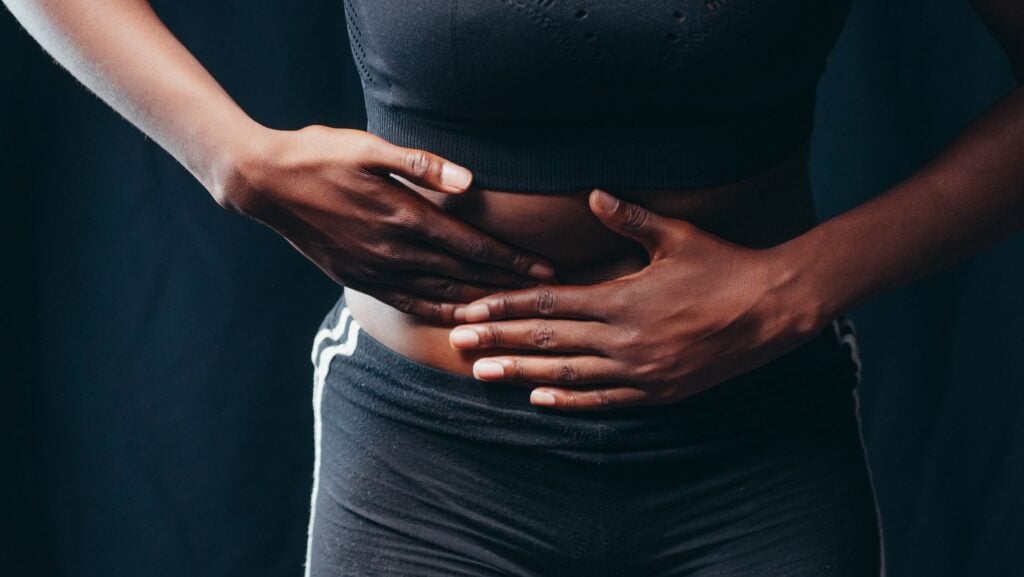
Cannabis for Crohn’s disease can reduce flares, pain, and nausea. DC budtender picks the best strains, tinctures, and RSO for IBD. Visit MrGreen DC on Connecticut Ave.
● mrgreendc.com
4302 Connecticut Avenue NW, Washington DC
If you’re researching cannabis for Crohn’s disease, I’m guessing you’ve already been through the ringer — the prednisone, the biologics, maybe a surgery or two, and you’re still dealing with flare-ups that hijack your entire week. I get it. I had a patient come in about three months ago, a Capitol Hill attorney in her thirties, and she told me she hadn’t eaten a full meal in six days because the cramping was so bad she was afraid to put anything in her stomach. Six days. She’d been on Humira for two years, and while it helped some, the nausea and appetite loss were still wrecking her quality of life. We got her set up with a low-dose cannabis tincture and an indica flower for nighttime, and she came back two weeks later and told me she’d had dinner with friends for the first time in months. That’s why I do this work. In this post, I’m going to break down exactly which strains, products, and dosing strategies I recommend for IBD patients — whether you’re dealing with Crohn’s, ulcerative colitis, or some undiagnosed gut situation that won’t quit.
Why Cannabis and Inflammation Are a Real Conversation Now
For years, the medical establishment kind of shrugged at cannabis as a tool for inflammatory bowel disease. That’s changing fast. Your gut is loaded with CB1 and CB2 receptors — part of your endocannabinoid system — and cannabinoids like THC and CBD interact directly with them to modulate inflammation, pain signaling, and gut motility. This isn’t bro science. There are peer-reviewed studies showing that cannabis reduces inflammatory markers in Crohn’s patients and can even help achieve clinical remission in some cases.
Here’s the thing: anti-inflammatory cannabis isn’t just about getting high and hoping your stomach calms down. Specific cannabinoids and terpenes target inflammation in different ways. Caryophyllene, for example, actually binds to CB2 receptors the same way a cannabinoid would — it’s a terpene that acts like medicine. Myrcene has its own anti-inflammatory properties and helps other cannabinoids cross the blood-brain barrier more efficiently. When I’m working with a medical cannabis patient DC who has IBD, I’m thinking about the full chemical profile of what they’re consuming, not just THC percentage.
The most common question I get behind the counter from IBD patients is whether cannabis will make their diarrhea worse. Fair question. The answer is that it depends on what you use and how you use it — but in most cases, cannabis actually slows gut motility, which can reduce the frequency and urgency of bowel movements during a flare. Smoking harsh flower through a dry pipe? That might irritate things. A clean vaporizer or a sublingual tincture? Totally different story.
Best Strains and Products for Crohn’s, Ulcerative Colitis, and IBD Flare-Ups
I’ve got strong opinions here, so let me just give them to you straight. Not every strain works the same for gut issues, and the “best strain for Crohn’s” lists you find online are usually just whatever the writer felt like recommending that day. I’m basing this on six years of working with actual patients in the DC medical cannabis scene and tracking what they come back for.
Indica Strains for Nighttime Gut Relief and Sleep
When you’re flaring, sleep is nearly impossible. The cramping wakes you up, the urgency wakes you up, the anxiety about tomorrow wakes you up. Indica strains with high myrcene and linalool content are your best friend here. I consistently recommend Gelato Cake — it’s got a heavy body effect that genuinely relaxes the smooth muscle in your gut, and the linalool content helps with the anxiety that always tags along with chronic illness. Purple Urkle is another one I keep pointing people toward for its sedative, anti-spasmodic qualities. If you’re a Purple Urkle person, you already know.
Cannabis and Nausea: What Actually Works
Nausea is probably the single most underrated symptom of IBD. It’s not just a Crohn’s thing — ulcerative colitis patients deal with it too, especially when they’re on methotrexate or azathioprine. For cannabis and nausea, I lean toward strains with high limonene content. Limonene is that bright, citrusy terpene, and it’s genuinely effective at calming the stomach. Trainwreck is a classic for this — it’s a sativa-leaning hybrid, so it won’t knock you out during the day, but it hits nausea hard and fast. Check out our Trainwreck flower if that sounds like what you need.
Cannabis and Appetite: Getting Yourself to Eat Again
Weight loss from IBD isn’t the fun kind. It’s your body literally not absorbing nutrients because your intestinal lining is inflamed and damaged. Cannabis and appetite stimulation is one of the most well-documented effects of THC — and for Crohn’s patients who’ve lost 15, 20, even 30 pounds during a bad stretch, it can be genuinely lifesaving. I’ve seen patients go from forcing down Ensure shakes to actually craving real food within a week of starting cannabis. The key is using something with enough THC to trigger appetite but not so much that you get couch-locked and still don’t eat. Sundae Driver hits this sweet spot perfectly — it’s a balanced hybrid with a creamy, dessert-like flavor that doesn’t irritate sensitive stomachs. Grab some Sundae Driver from our cannabis menu and see what I mean.

Indica strains
Tinctures, Edibles, and RSO: Why Delivery Method Matters for Your Gut
Honestly, this is where most IBD patients go wrong. They start smoking flower, it helps a little, they assume that’s the whole picture. It’s not. The delivery method you choose has a massive impact on how cannabis interacts with your digestive system — and if your digestive system is the problem, you’d better get this right.
Cannabis Tincture: The MVP for IBD
A cannabis tincture taken sublingually (under your tongue) bypasses your gut almost entirely. That matters when your gut is inflamed and not absorbing things properly. The cannabinoids go straight into your bloodstream through the mucous membranes in your mouth, so you get reliable dosing even during a flare when your intestines aren’t cooperating. Our Motorbreath double-strength tincture is what I hand to most Crohn’s patients first. Start with half a dropper, hold it under your tongue for 60 seconds (seriously, time it), and wait 20 minutes before redosing.
Cannabis Edibles: Proceed With Caution
Cannabis edibles are tricky for IBD patients. On one hand, they provide the longest-lasting relief — 4 to 8 hours — which is incredible for getting through the night or a long workday. On the other hand, they have to pass through your digestive system, and if you’re dealing with inflammation, strictures, or rapid transit time from diarrhea, absorption is unpredictable. You might take 10mg and feel nothing, then take the same dose the next day and get floored. My advice: start with 5mg, use our THC chocolate edibles (each piece is precisely dosed at 10mg, easy to cut in half), and keep a log of how you feel. If edibles aren’t consistent for you, switch to tinctures or RSO.
RSO for Serious Intestinal Inflammation
RSO — Rick Simpson Oil — is the heavy artillery. It’s a full-spectrum, whole-plant extract with very high THC content, and it’s what I recommend for patients dealing with severe, chronic intestinal inflammation that hasn’t responded well to lower doses. You take it orally in tiny amounts (a grain-of-rice-sized dose to start), and because it’s so concentrated, a little goes a very long way. We carry both a 500mg RSO syringe and a 2500mg RSO syringe for patients who’ve dialed in their dosing. If you’re new to RSO, start with the 500mg and work up slowly.
CBD for Pain and How It Pairs with THC for Crohn’s
CBD for pain is real, but I need to push back on the idea that CBD alone is enough for Crohn’s or ulcerative colitis. I see patients come in all the time who’ve been taking CBD gummies from a gas station in Adams Morgan (no judgment, everyone asks) and wondering why they’re not feeling better. Here’s the reality: CBD has genuine anti-inflammatory and analgesic properties, but for IBD-level inflammation, you almost always need THC in the mix. The two cannabinoids work together — CBD modulates the psychoactive effects of THC while amplifying its anti-inflammatory action. A 1:1 THC-to-CBD ratio is a great starting point for patients who are THC-sensitive or new to medical cannabis.
Terpenes matter here too. If you want to maximize the anti-inflammatory effect, look for products high in caryophyllene and pinene alongside your CBD. Check out our cannabis terpenes guide for a deeper breakdown of which terpenes do what — it’s genuinely useful information that most dispensaries don’t bother explaining.
Getting Your Medical Marijuana Card in DC: It’s Easier Than Your Last Flare-Up
Look, I know a lot of you are reading this from your couch in Shaw or your apartment in Dupont Circle thinking “this sounds great, but I don’t have a card and I don’t want my employer finding out.” Let me put that fear to rest right now.
Getting a medical marijuana card DC is absurdly simple. DC uses a self-certification process through ABCA (the Alcoholic Beverage and Cannabis Administration). You don’t need a doctor’s recommendation. You don’t need to prove your diagnosis. If you’re 21 or older, you go to the ABCA website, self-certify that you have a qualifying condition, and you’re done. It takes about two minutes. There’s no fee. That’s it.
And here’s the part that matters most for federal employees, government contractors, and anyone else who works near the Capitol: ABCA does not share your patient data with employers, federal agencies, or anyone else. Your registration is protected by strict privacy rules. Zero career risk (yes, even your employer won’t know). I’ve had patients who work at three-letter agencies come in with their card and buy medicine without any issues. If you want a step-by-step walkthrough, we’ve got a full guide on how to get a DC med card.
Practical Tips for Using Cannabis for Crohn’s Disease During Flare-Ups
After six years of working with IBD patients in the DC medical cannabis community, here’s what I’ve learned actually works in practice — not in theory, not in a lab, but in real life when someone’s gut is on fire:
- Microdose during the day, macro-dose at night. Take 2.5–5mg THC (via tincture) during work hours for background inflammation control and nausea relief. Save the heavier indica flower or RSO for bedtime when you need deep, restorative sleep.
- Keep a symptom journal. Track what you consume, when, and how your gut responds over the next 2–4 hours. IBD is cyclical and unpredictable — data is your friend.
- Don’t smoke during active flares if you can avoid it. Combustion introduces irritants. A clean vaporizer like the PAX Mini gives you the same rapid onset without the harshness.
- Eat something small before your dose. Even a few crackers. Cannabis on a completely empty, inflamed stomach can sometimes increase nausea before it reduces it.
- Combine cannabis with your existing treatment. This isn’t an either/or situation. The best outcomes I’ve seen are in patients who use cannabis alongside their GI-prescribed medications, not instead of them.
Cannabis for Crohn’s disease isn’t a silver bullet. I won’t pretend it is. But it’s a genuinely powerful tool for managing abdominal pain, reducing flare severity, restoring appetite, and getting back some of the quality of life that IBD steals from you. The patients I work with who get the best results are the ones who approach it intentionally — right strain, right delivery method, right dose, right timing.
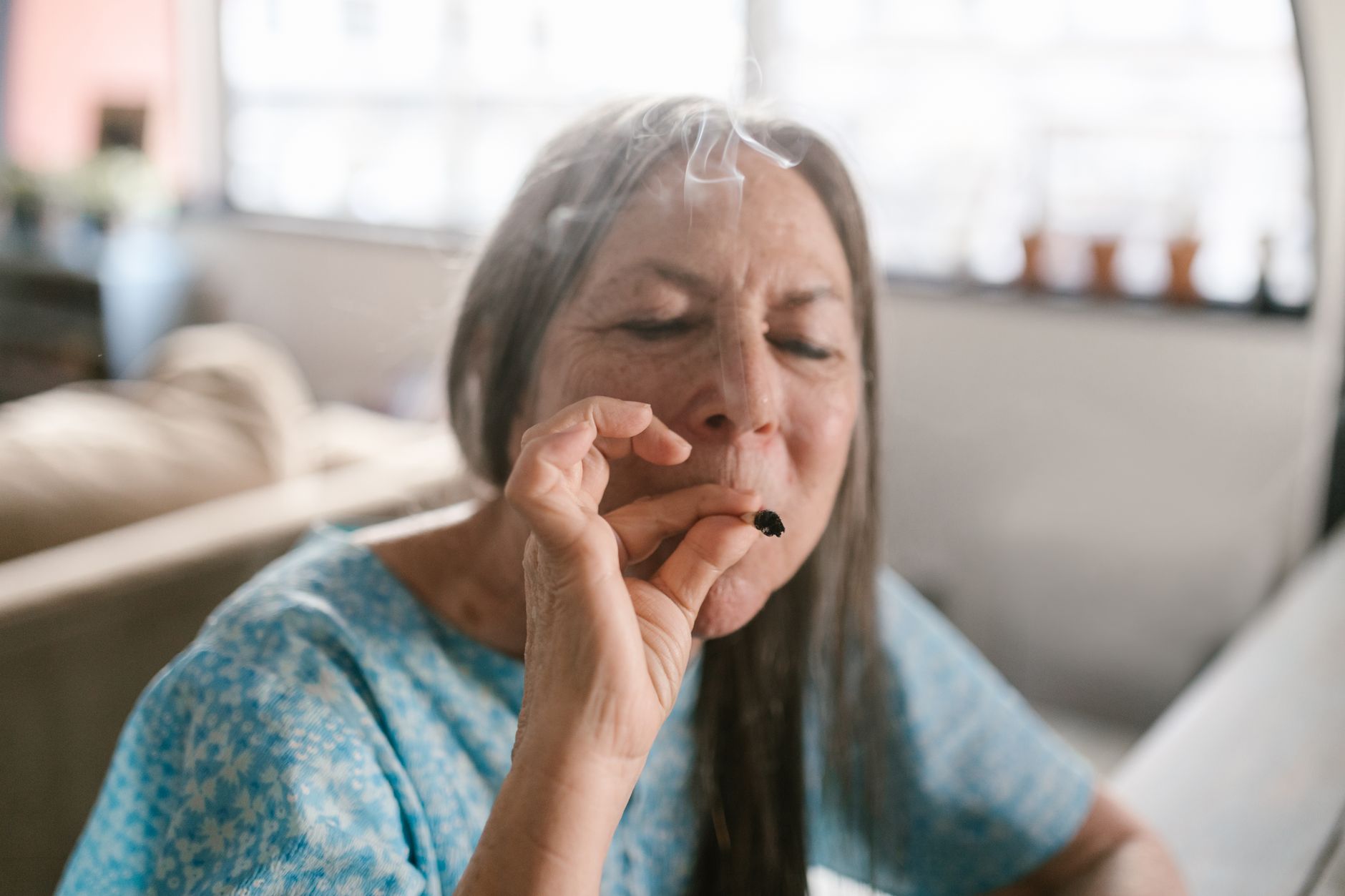
If you’re a medical cannabis patient DC dealing with Crohn’s, ulcerative colitis, or any form of IBD, we’re here to help you figure this out. Our dispensary on Connecticut Avenue NW is right in the heart of the city — easy to get to from Logan Circle, Columbia Heights, or anywhere along the Red Line. Don’t feel like making the trip? We offer cannabis delivery across DC, including Dupont Circle, Capitol Hill, and Shaw. Come talk to us. We’ll match you with the right products for your specific situation — because cannabis for Crohn’s disease works best when someone who knows the plant actually helps you dial it in. Shop Now — MrGreen DC menu.