
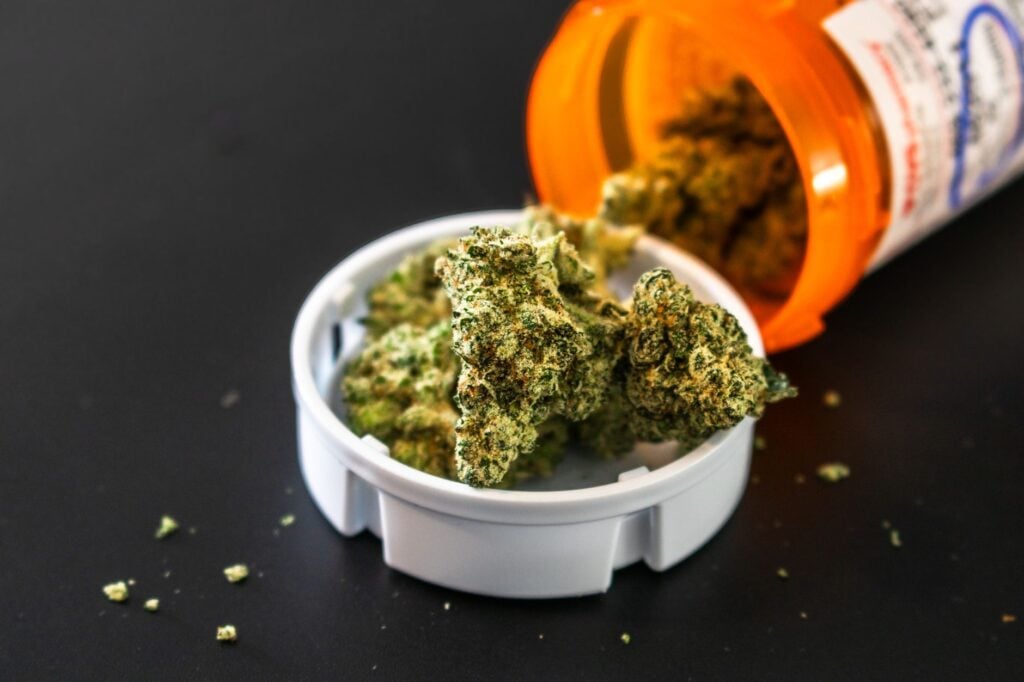
Discover the best cannabis for chronic pain — strains, tinctures, topicals & dosing tips from DC budtenders. Visit MrGreen DC on Connecticut Ave.
● mrgreendc.com
4302 Connecticut Avenue NW, Washington DC
If you’re researching cannabis for chronic pain, I’m guessing you’ve already tried a lot of other stuff that didn’t work — or stopped working, or came with side effects that made you feel worse than the pain itself. I get it. I had a patient come in last month, a retired Capitol Hill staffer with arthritis in both hands so bad she couldn’t open a jar. She’d been on NSAIDs for years, and her doctor basically shrugged when she asked about alternatives. Two weeks after we got her set up with the right cannabis tincture and a topical, she texted our shop to say she made dinner with her grandkids for the first time in a year. That’s why I do this job. Whether you’re dealing with arthritis, nerve damage, post-surgical pain, or you’re trying to move away from opioids, this post is going to break down exactly what products work, which strains to ask for, and how to build a pain management plan that actually holds up over time.
Why Cannabis and Chronic Pain Actually Work Together
Your body already has an endocannabinoid system — it’s basically a network of receptors that regulate pain signaling, inflammation, and mood. Cannabis works because THC and CBD interact directly with those receptors, which is why anti-inflammatory cannabis products aren’t some woo-woo wellness trend. There’s real biology behind it. THC binds to CB1 receptors in the brain and nervous system to blunt pain perception. CBD, meanwhile, works on CB2 receptors and other pathways to reduce the inflammation that’s causing the pain in the first place.
Here’s the thing: most patients I see behind the counter aren’t choosing between cannabis and their other medications. They’re adding cannabis to what they already do, and over time, a lot of them are able to cut back on the prescription stuff with their doctor’s guidance. That’s especially true for folks exploring cannabis as an opioid alternative. I’m not a doctor, so I’ll never tell you to stop taking something prescribed. But I’ve watched dozens of patients reduce their opioid use after finding the right cannabis routine, and the research backs that up.
The terpene profile matters just as much as the THC percentage — maybe more. Caryophyllene is a terpene that actually binds to CB2 receptors on its own, which means it’s doing real anti-inflammatory work before the cannabinoids even kick in. Myrcene is the one responsible for that deep body relaxation you feel from a good indica. And linalool, which also shows up in lavender, has been studied for nerve pain specifically. When someone asks me what cannabis products are good for pain, I always start with terpenes, not THC numbers.
Best Strains and Products for Arthritis, Nerve Damage, and Post-Surgical Pain
Not all pain is the same, so the best flower DC dispensaries carry for a bad knee isn’t necessarily what you’d want for neuropathy. Let me break this down by condition.
Arthritis and Joint Inflammation
For arthritis, you want anti-inflammatory cannabis strains heavy in caryophyllene and myrcene. Gelato Cake is one of my go-to recommendations here — it’s an indica-dominant strain with a terp profile that leans hard into body relief without putting you in a coma. Pair it with a cannabis cream or topical for the specific joints that are screaming at you, and you’ve got localized plus systemic relief working together.
A lot of our patients from Dupont Circle and Logan Circle are professionals who can’t be visibly medicated during the day. For them, I recommend a CBD for pain tincture during work hours and a higher-THC indica strain like Purple Urkle for evenings. That way you’re managing inflammation all day and getting the deep pain relief and sleep support at night.
Nerve Pain and Neuropathy
Nerve damage is tricky. It doesn’t respond to traditional anti-inflammatories the same way joint pain does, which is exactly why a lot of neuropathy patients end up on gabapentin or opioids. Full spectrum cannabis products tend to work best here because you need the “entourage effect” — THC, CBD, CBN, and terpenes all working in concert. An RSO syringe is one of the most effective delivery methods I’ve seen for neuropathy. Our 500mg RSO syringe gives you precise dosing and the full plant profile. Start with a grain-of-rice-sized dose (seriously, that small) and work up.
Strains with linalool and pinene tend to be particularly effective for nerve-related pain. Trainwreck gets brought up a lot in chronic pain circles for a reason — it hits fast and seems to specifically target that burning, shooting nerve pain that makes people miserable.
Post-Surgical Pain Recovery
After surgery, you’re dealing with acute inflammation, tissue trauma, and often a prescription for opioids you’d rather not refill. Cannabis edibles are my top pick here because they provide 4–6 hours of relief per dose, which means you’re not re-dosing every 90 minutes. Our THC chocolate edibles come in 10mg pieces, so you can dial in exactly what you need. Many post-surgical patients do well starting at 5mg (just break a piece in half) and adjusting from there.

best flower DC
Building a Long-Term Pain Management Plan with Medical Cannabis in DC
Using cannabis for chronic pain isn’t about finding one magic product. It’s about building a routine that covers your pain throughout the day without leaving you too impaired to function. The most common question I get behind the counter from pain patients is: “How do I use this every day without building up a huge tolerance?” Good question. Here’s what works.
The Power of Microdosing Cannabis
Honestly, microdosing cannabis has changed the game for my chronic pain patients more than any single strain recommendation. The idea is simple: take the smallest effective dose, not the largest tolerable one. For most people, that means 2.5–5mg of THC via a cannabis tincture or edible, taken consistently rather than reactively. Our Motorbreath tincture is great for this because you can measure doses by the drop.
When you microdose, you keep your endocannabinoid system gently activated throughout the day. Your tolerance stays low. Your pain stays manageable. And you don’t end up in that cycle of “I need more and more to get the same relief” that plagues both cannabis and pharmaceutical pain management.
Layering Products: The Real Strategy
The patients who get the best long-term results from cannabis for chronic pain are almost always using more than one product type. Here’s a sample daily routine I’ve helped patients build:
- Morning: CBD-dominant tincture (sublingual, 15–20mg CBD) for baseline inflammation control
- Midday: Cannabis topical applied directly to problem areas — knees, hands, lower back, wherever the pain concentrates
- Evening: Indica flower or a low-dose edible (5–10mg THC) for deeper relief and sleep support
- As needed: A vape cartridge for breakthrough pain moments that can’t wait 45 minutes for an edible to kick in
This layered approach gives you anti-inflammatory cannabis coverage all day long. The topical handles localized pain. The tincture handles systemic inflammation. And the evening dose handles the pain that always gets worse when you finally sit down and your body remembers everything it went through that day (no judgment, we all know that feeling).
Why CBN Matters for Pain Patients
CBN doesn’t get enough attention. It’s a minor cannabinoid that forms as THC ages, and it’s particularly useful for pain patients because it enhances the sedative and analgesic effects of THC. If you’re dealing with pain that keeps you up at night — and most chronic pain does — look for products that list CBN on the label. RSO naturally contains higher CBN levels than most other products, which is another reason it’s so effective for pain management.
Getting Your DC Self-Certification Cannabis Card Through ABCA
If you’re a DC resident or even just spending time here, getting your medical marijuana card DC is absurdly easy. The ABCA medical cannabis program runs on a self-certification model. That means you don’t need a doctor’s appointment, you don’t need to prove a diagnosis, and you don’t need to pay a fee. You just go to the ABCA website, confirm you’re 21 or older, and self-certify that you have a qualifying condition. The whole process takes about two minutes.
Look, I know a lot of people hesitate because they’re worried about their job finding out — especially folks who work for the federal government or federal contractors in DC. ABCA does not share your patient data with employers, federal agencies, or anyone else. Your information is protected. Period. There’s zero career risk in getting your card, and having it means you can walk into a licensed medical dispensary in Washington DC like MrGreen and actually get guidance from someone who knows what they’re talking about instead of guessing with unregulated products.
We’ve had patients come in from Shaw, Adams Morgan, Navy Yard — all over the city — who put off getting their card for months because of privacy fears. Every single one of them said the same thing afterward: “That’s it? Why didn’t I do this sooner?”
Cannabis for Chronic Pain: What to Ask Your Budtender
Walking into a dispensary for the first time as a pain patient can feel overwhelming. The menu’s long. The terminology’s unfamiliar. And you’re probably already in pain, which doesn’t exactly help your decision-making. So here’s what I’d tell you to ask for if you came into our store on Connecticut Avenue:
- “I’m dealing with [specific type of pain]. What terpene profiles should I look for?”
- “Can you show me your indica strains that are high in caryophyllene or myrcene?”
- “What’s the best way to dose a tincture for someone who’s never used cannabis before?”
- “Do you carry any cannabis topicals I can use at work without any psychoactive effects?”
Those four questions will tell your budtender everything they need to know to make a solid recommendation. Don’t ask for “the strongest thing you have.” Strongest doesn’t mean best for pain. I can’t stress that enough. A 15% THC strain with the right terpene profile will outperform a 30% THC strain with the wrong one every single time when it comes to cannabis and chronic pain management.
Check out our cannabis terpenes guide before your visit if you want to walk in already knowing what to look for. It’ll make the conversation go faster and help you feel more confident about your choices.
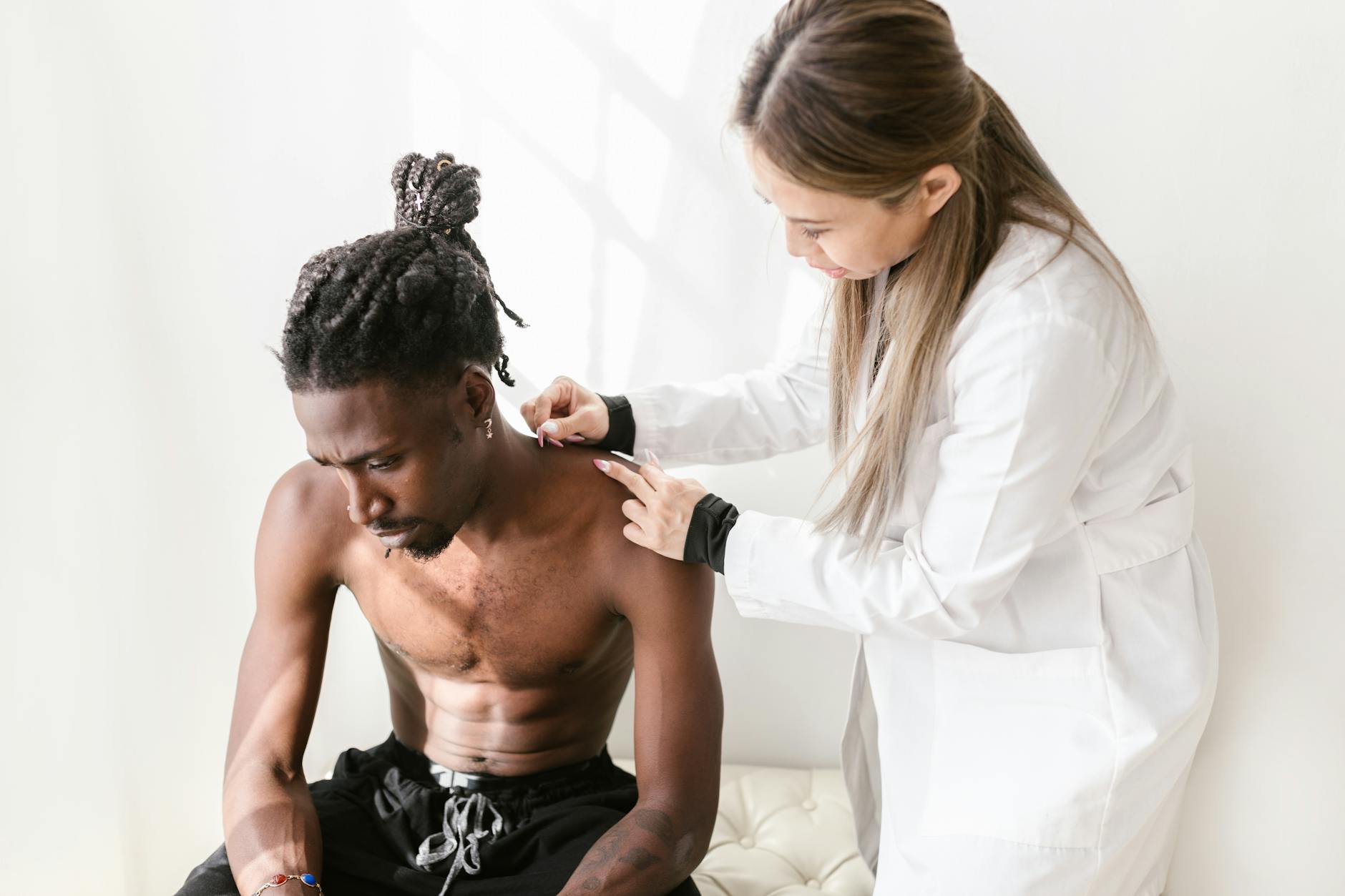
Using cannabis for chronic pain isn’t about getting high — it’s about getting your life back. Whether you’re dealing with arthritis that won’t quit, nerve damage that nothing else touches, post-surgical recovery, or you’re actively looking for an alternative to the opioids sitting in your medicine cabinet, the right cannabis products and the right guidance can make a real difference. I’ve seen it happen hundreds of times.
Stop by MrGreen DC on Connecticut Avenue NW and let’s talk about what’s actually going to work for your pain. Or if getting to the shop isn’t easy right now (because, you know, chronic pain), we offer cannabis delivery throughout DC — including Adams Morgan, Navy Yard, and everywhere in between. Browse our cannabis menu, or reach out to us with questions. We’re here for exactly this.