Expert advice on cannabis epilepsy seizures DC — best CBD strains, tinctures, ratios, and drug interactions. MrGreen DC budtenders guide you. Visit us on Connecticut Ave.
● mrgreendc.com
4302 Connecticut Avenue NW, Washington DC
If you’re researching cannabis epilepsy seizures DC, you’re probably not doing it casually. You’re doing it because you or someone you love is dealing with seizures that haven’t responded well to conventional meds, or because the side effects of those meds are almost as bad as the condition itself. I get it. About three months ago, a woman came into our shop on Connecticut Avenue — mid-40s, works in Capitol Hill — and told me she’d been on four different anti-epileptic drugs over six years. None of them fully controlled her focal seizures, and the brain fog was wrecking her career. She’d read about CBD. She had questions. Good ones. This post is basically everything I told her, plus everything I’ve learned since from patients managing tonic-clonic episodes, treatment-resistant epilepsy, and everything in between. We’ll cover the best strains, product formats, CBD-to-THC ratio optimization, cannabis drug interactions you absolutely can’t ignore, and how to get your medical marijuana card DC patients need — in about two minutes.
Why Medical Cannabis DC Patients Are Turning to CBD and THC for Seizure Control
This isn’t hype. The FDA literally approved a cannabis-derived CBD medication (Epidiolex) for certain forms of epilepsy. That’s about as close to a federal endorsement as cannabis has ever gotten. But here’s what most articles won’t tell you: Epidiolex is pure CBD isolate, and a lot of patients I talk to at MrGreen DC do better with full spectrum cannabis products that include small amounts of THC and a broader terpene profile. That’s not me being anti-pharmaceutical. It’s just what I’ve observed behind the counter.
The science backs up the idea that CBD interacts with your endocannabinoid system in ways that can reduce the electrical misfiring behind seizures. THC plays a trickier role — in some patients it helps, in others it can potentially lower the seizure threshold. That’s why the ratio matters so much, and why blanket statements like “just take CBD” aren’t good enough. Your specific seizure type — focal, tonic-clonic, absence, myoclonic — changes what might actually help you.
Honestly, the most common question I get behind the counter from epilepsy patients isn’t “does it work?” It’s “will this mess with my Keppra?” We’ll get to that. It’s a critical question.
Best High CBD Flower and Products for Seizure Reduction
Let’s talk specifics, because you didn’t come here for vague advice. For patients managing focal seizures or tonic-clonic episodes, I almost always recommend starting with a high CBD flower or a balanced THC CBD product. Here’s my breakdown by product type:
High CBD Flower
Strains with CBD-to-THC ratios of roughly 10:1 or higher are where most epilepsy patients should begin. You want something rich in the terpene linalool (the same compound that makes lavender calming) and myrcene, which promotes relaxation without heavy sedation. If you can find a strain that also carries caryophyllene, even better — it has its own anti-inflammatory properties that may support seizure reduction. Check our cannabis menu for current high-CBD options, or ask a budtender to point you to whatever’s testing highest in CBD that week.
Cannabis Tincture: The Best Format for Precise Dosing
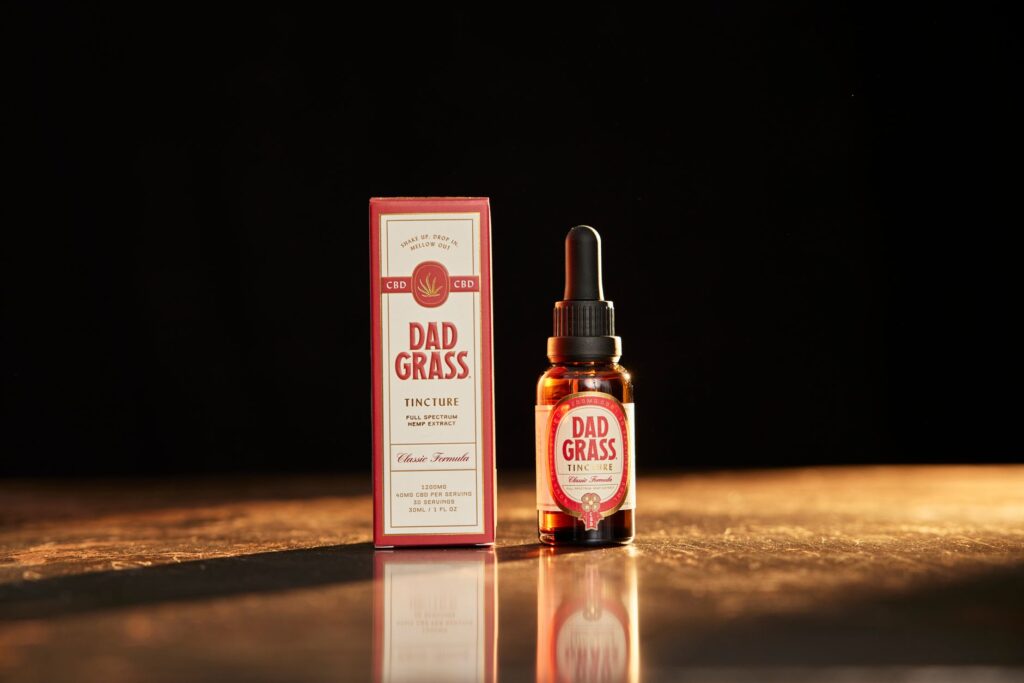
If I had to pick one product format for an epilepsy patient, it’s a cannabis tincture every time. Sublingual cannabis benefits are real — you get faster absorption than edibles (usually 15–20 minutes vs. 60–90), and you can measure your dose down to the milligram with a graduated dropper. That precision matters when you’re trying to dial in a specific CBD-to-THC ratio. Our Motorbreath tincture runs higher on the THC side, so if you’re using it, you’d pair it with a separate CBD tincture to build your own balanced ratio. Some patients in the Dupont Circle and Logan Circle areas order these for cannabis delivery DC — no need to come in every time once you know your dose.
RSO for Treatment-Resistant Epilepsy
For patients dealing with treatment-resistant epilepsy who haven’t had luck with lower-dose options, RSO (Rick Simpson Oil) is worth a serious conversation with your neurologist. Our RSO syringe 500mg delivers a concentrated full spectrum cannabis extract that includes the full range of cannabinoids and terpenes. The potency is significantly higher than flower or standard tinctures. Start incredibly small — a grain-of-rice-sized dose — and titrate up slowly over weeks.
Cannabis Capsules for Consistency
Cannabis capsules don’t get enough love. They’re pre-measured, discreet, and you can take them on a schedule that mirrors your existing medication routine. For someone who needs consistent, predictable dosing throughout the day (which is most epilepsy patients), capsules remove the guesswork entirely.

CBD-to-THC Ratio Optimization: Getting Your Numbers Right
Here’s the thing: the ratio between CBD and THC in your cannabis product isn’t a minor detail. It’s probably the single most important variable for seizure management. And there’s no universal “best ratio” — but there are solid starting points based on what I’ve seen work.
Starting Ratios by Seizure Type
- Focal seizures: Start at 20:1 CBD-to-THC. Many patients find relief here without any psychoactive effects. This is the most conservative approach and where I’d begin with anyone new to medical cannabis DC options.
- Tonic-clonic episodes: Consider 10:1 or 8:1 CBD-to-THC. The slightly higher THC content may provide additional anticonvulsant support, and the entourage effect from a balanced THC CBD product tends to be more pronounced.
- Treatment-resistant epilepsy: Some patients eventually work down to 4:1 or even 1:1 ratios, but only after gradually titrating over several weeks and keeping a detailed seizure diary. Don’t jump to this. Seriously.
Microdosing Cannabis for Seizure Management
Microdosing cannabis is especially relevant for epilepsy patients. We’re talking 2.5–5mg of CBD with trace amounts of THC, taken two to three times daily. The goal isn’t to feel anything — it’s to maintain a baseline level of cannabinoids in your system. A lot of patients find this approach reduces seizure frequency without any cognitive impairment. That Capitol Hill patient I mentioned? She started with 5mg CBD sublingually, three times a day. After four weeks she’d reduced her focal seizures by roughly half. Her neurologist was surprised. I wasn’t.
THC vs CBD: What Each Actually Does for Seizures
CBD is the primary anticonvulsant. That’s well-established. It modulates sodium channels and calcium channels in neurons — basically calming the electrical storms that cause seizures. THC is more complicated. At very low doses, it appears to have anticonvulsant properties of its own. At higher doses, some research suggests it could theoretically increase seizure risk in susceptible individuals. That’s why the ratio matters, and why I push back hard when someone tells me they want to jump straight to a high-THC product for epilepsy. You might get there eventually. But CBD leads this particular dance.
Cannabis Drug Interactions Every Epilepsy Patient Needs to Know
Look, I can’t stress this enough: if you’re on anti-epileptic drugs like clobazam (Onfi), valproate, or carbamazepine, CBD can affect how your liver metabolizes those medications. CBD inhibits certain cytochrome P450 enzymes — the same enzymes your body uses to break down many prescription drugs. This doesn’t mean you can’t use cannabis. It means you need to tell your neurologist, and they may need to adjust your medication dosages.
The most documented interaction is between CBD and clobazam. CBD can increase clobazam levels in your blood, which may increase sedation and other side effects. Your doctor can monitor drug levels with a simple blood test and adjust accordingly (no judgment, everyone asks about this). This is also why I recommend sublingual tinctures or capsules over smoking for epilepsy patients — the dosing is more predictable, which makes managing cannabis drug interactions much more straightforward.
One more thing patients don’t always consider: the terpene pinene, found in some cannabis strains, may actually support cognitive clarity and counteract some of the sedation from both THC and certain anti-epileptic medications. Ask your budtender about terpene profiles when you’re shopping. We geek out about this stuff at our Connecticut Avenue store, and our cannabis terpenes guide breaks down the major ones.
How to Get Your Medical Marijuana Card DC — Cannabis Epilepsy Seizures DC Registration
People assume getting a medical marijuana card DC requires a doctor’s appointment, a pile of paperwork, and weeks of waiting. It doesn’t. DC uses a self-certification process through the ABCA medical cannabis program — that’s the Alcoholic Beverage and Cannabis Administration, which is the actual regulatory body overseeing medical cannabis in Washington DC.
Here’s the process:
- You must be 21 or older.
- Go to the ABCA website and self-certify online. No doctor visit needed. No fee.
- The whole thing takes about two minutes (seriously, two minutes).
- You’ll receive your registration, which lets you purchase from any licensed medical dispensary in Washington DC.
And here’s the part I know you’re wondering about, especially if you work for the federal government or a contractor in Shaw, Georgetown, or anywhere else in the District: ABCA does not share your patient data with employers, federal agencies, or anyone else. Period. Your registration is protected. Zero career risk. I’ve had patients from every corner of DC government come through our doors, and their privacy has never been compromised (yes, even your employer won’t know).
Building Your Cannabis Epilepsy Seizures DC Treatment Plan
Managing seizures with cannabis isn’t a one-product-and-done situation. The patients I’ve seen get the best results treat it like a structured protocol. Here’s what a reasonable plan looks like:
- Get your card through ABCA — takes two minutes, costs nothing.
- Start with a high-CBD sublingual tincture at a 20:1 ratio. Take it two to three times daily at consistent intervals.
- Keep a seizure diary. Log every dose, the time, your seizure activity, sleep quality, and any side effects. This data is gold when you’re adjusting.
- After 2–3 weeks, evaluate. If seizure frequency hasn’t changed, consider gradually increasing your CBD dose or shifting to a 10:1 balanced THC CBD product.
- Tell your neurologist. Bring your diary. Show them the data. Most neurologists in the DC area are more open to this conversation than you’d think.
- Consider adding a terpene-focused high CBD flower for breakthrough situations. Vaporizing delivers cannabinoids faster than any other method — useful if you feel a seizure aura coming on.
We work with patients across Adams Morgan, the U Street Corridor, Columbia Heights, and throughout DC who are managing cannabis epilepsy seizures DC treatment plans exactly like this. Whether you stop by our shop on Connecticut Avenue or use our same-day weed delivery DC service, our budtenders can walk you through product selection based on your specific situation.

If you’re managing epilepsy or seizure disorders and you’ve been considering cannabis epilepsy seizures DC treatment options, you don’t have to figure this out alone. Come see us at MrGreen DC on Connecticut Avenue NW — we’ll sit down with you, talk through your seizure type, your current medications, and help you find the right full spectrum cannabis product and ratio to start with. Not in the mood to leave the house? We deliver throughout DC, including Dupont Circle, Capitol Hill, Shaw, and beyond. Your seizures don’t take days off, and neither do we.