
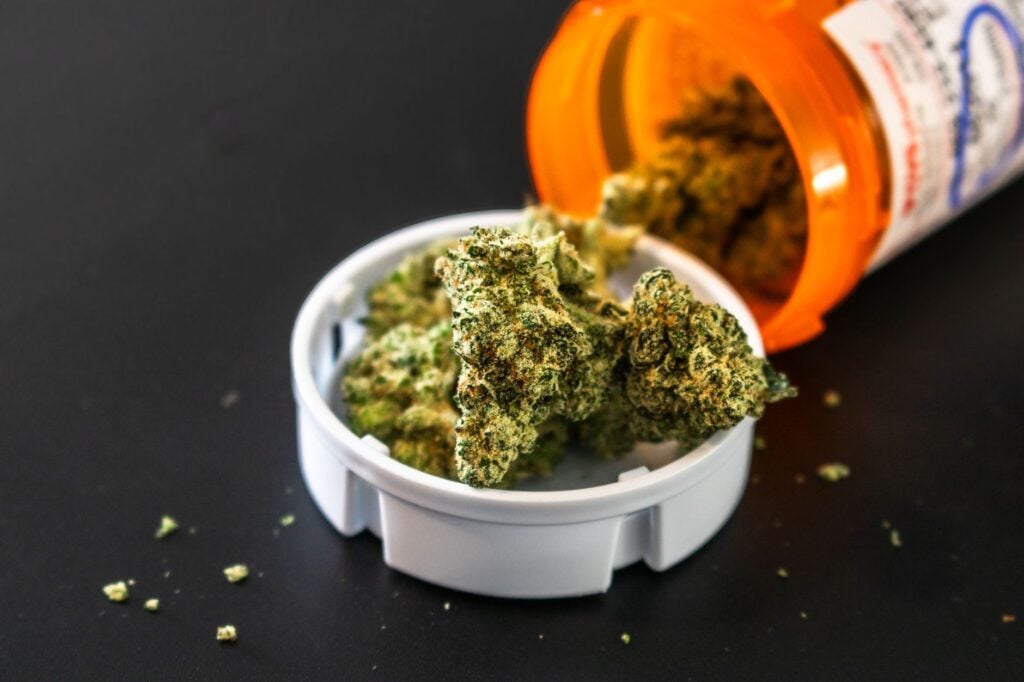
Cannabis chronic fatigue syndrome relief starts with the right strains, doses, and timing. DC budtender breaks down the top 5 products. Visit MrGreen on Connecticut Ave.
● mrgreendc.com
4302 Connecticut Avenue NW, Washington DC
If you’re searching for information on cannabis chronic fatigue syndrome, I’m guessing you already know what it feels like to wake up after eight hours of sleep and still feel like you got hit by a Metro bus. I’m Marcus, a budtender at MrGreen DC on Connecticut Avenue, and I want to be straight with you — CFS is one of the conditions I hear about most behind this counter. Just last month, a patient from Dupont Circle came in almost in tears. She’d been dealing with crushing fatigue, brain fog so thick she couldn’t finish emails, and joint pain her doctor kept brushing off. She’d tried everything — supplements, sleep hygiene protocols, elimination diets. Cannabis was her last resort. Six weeks later, she told me it was the first thing that actually moved the needle. That’s not a miracle story. That’s what happens when you match the right product to the right problem.
In this post, I’ll break down which strains actually give you energy (and which ones will plant you on the couch), the specific cannabinoids and terpenes that matter for fatigue and immune dysfunction, and how DC’s medical cannabis program makes all of this accessible — faster and easier than you’d think.
What Makes Cannabis Useful for Chronic Fatigue Syndrome?
CFS — also called ME/CFS — isn’t just being tired. It’s a multi-system breakdown involving immune dysfunction, neuroinflammation, unrefreshing sleep, and cognitive impairment that most people call brain fog. Traditional medicine doesn’t have great answers for it. That’s not a knock on doctors; it’s just the reality that most CFS treatments address symptoms one at a time, and the condition doesn’t work that way.
Cannabis is interesting here because it hits multiple pathways at once. The endocannabinoid system is deeply involved in immune regulation, sleep architecture, pain signaling, and even how your brain handles inflammation. When that system’s out of balance — and there’s growing evidence that CFS patients have endocannabinoid deficiencies — the right cannabinoid profile can help bring things back toward baseline.
Here’s the thing: not all cannabis is created equal for fatigue. The wrong strain will make your symptoms worse. I’ve watched people grab a heavy indica because they “just want to rest,” and then they’re foggier than they were before. Cannabis and inflammation have a complicated relationship too — certain terpenes like caryophyllene act as anti-inflammatory agents by binding to CB2 receptors, while others like myrcene are better for sedation and pain. You need to know which tools do what.
Can Cannabis Actually Help with Brain Fog and Cognitive Fatigue?
This is the most common question I get from CFS patients, and the answer is yes — with a big asterisk. High-THC products used recklessly can make brain fog worse. But low-dose THC combined with CBD benefits like reduced neuroinflammation and improved focus? That’s where people report real improvement. The terpene pinene is worth paying attention to here. It’s been studied for its ability to counteract some of THC’s cognitive effects, and strains rich in pinene tend to produce a clearer, more focused high. Limonene is another one — it’s associated with mood elevation and mental clarity, which are exactly what CFS patients are missing.
Best Strains and Products That Give You Energy — Not Couch Lock
When people ask me what strains give you energy, I don’t just rattle off sativa names. That old indica-versus-sativa binary is mostly marketing at this point. What actually matters is the cannabinoid and terpene profile. That said, certain genetic lines consistently deliver the uplifting, functional effects CFS patients need for best cannabis for daytime use.
Here’s what I’d recommend looking at on our cannabis menu:
- Trainwreck — This is a personal favorite for daytime patients. It’s got a strong pinene and limonene presence, delivers clear-headed energy, and most people can function on it without feeling impaired. Great entry point if you’re new to sativa strains. Shop Trainwreck flower
- Khalifa Kush — A well-balanced hybrid that leans energizing without the raciness some pure sativas can produce. Patients with anxiety alongside their CFS tend to do well here because the linalool content keeps things smooth. Shop Khalifa Kush flower
- Gary Payton — If your CFS comes with a heavy mood component (and whose doesn’t?), this one’s limonene-forward profile is worth trying. It’s motivating without being jittery. Shop Gary Payton flower
Beyond flower, I’d point CFS patients toward two product categories that don’t get enough attention: cannabis tincture and low-dose edibles. A tincture like our Motorbreath double-strength tincture gives you precise dosing control, and it hits faster than an edible when taken sublingually (under the tongue, hold it there for 60 seconds). For CFS, that precision matters because you’re not trying to get blasted — you’re trying to find the minimum effective dose that clears the fog and eases the fatigue.

what strains give you energy
THCV, CBG, and Microdosing: The CFS Patient’s Secret Weapons
If you haven’t heard of THCV and CBG, pay attention — these are the cannabinoids that I think will define the next wave of cannabis chronic fatigue syndrome treatment.
THCV (tetrahydrocannabivarin) is sometimes called “diet weed” because it suppresses appetite, but that’s selling it short. For CFS patients, THCV’s real value is that it provides a burst of clear, focused energy without the sedation or munchies that come with regular THC. It’s a shorter-acting cannabinoid too, usually lasting about half as long as THC, which makes it ideal for daytime use when you just need to get through a few productive hours. The tricky part? THCV is still relatively rare in flower — you’ll find it more reliably in certain concentrates and vape cartridges.
CBG (cannabigerol) is the other one I’m excited about. It’s non-intoxicating, has shown anti-inflammatory and neuroprotective properties in early research, and anecdotally, my patients who use CBG-rich products report better mental clarity and less of that “wading through mud” feeling. Combined with CBD, it can address the immune dysfunction piece of CFS without any psychoactive effects at all.
Why Microdosing Cannabis Changes the Game for Fatigue
Honestly, microdosing cannabis is probably the single most important strategy for CFS patients, and it’s the one most people skip. The goal isn’t to feel high. It’s to gently activate your endocannabinoid system just enough to reduce inflammation, improve sleep quality, and lift the cognitive haze.
What does microdosing look like practically? For most people, that’s 2.5 to 5 milligrams of THC, often paired with an equal or greater amount of CBD. Our THC chocolate edibles are 10mg per piece — snap one in half or even quarters, and you’ve got a controlled microdose. Take it in the morning with breakfast and see how your first three hours feel. You shouldn’t feel stoned. You should feel… more normal. Like your brain actually booted up for once.
A patient I work with — government worker over in Logan Circle — told me he started microdosing 2.5mg THC with 5mg CBD every morning and it was the first time in two years he didn’t need a nap by 1pm (no judgment, everyone asks about the nap thing). That’s the sweet spot. Not heroic doses. Just enough.
Can Cannabis Help with the Immune Dysfunction Side of CFS?
This is where things get genuinely interesting from a science perspective. CFS is increasingly understood as an immune-mediated condition — many patients show elevated inflammatory cytokines, natural killer cell dysfunction, and signs of chronic viral reactivation. Cannabis and inflammation research has shown that both THC and CBD can modulate immune responses, reducing pro-inflammatory signaling without fully suppressing immune function the way steroids do.
The terpene caryophyllene deserves special mention again here. It’s the only terpene that directly activates CB2 receptors — the cannabinoid receptors concentrated in your immune tissue. That’s anti-inflammatory action without any psychoactive effect. You’ll find caryophyllene in strains with peppery, spicy aroma profiles. Check our cannabis terpenes guide for a deeper breakdown of what each one does.
Look, I’m not going to sit here and tell you cannabis cures CFS. Nobody should be saying that. But when you’re dealing with a condition where the medical establishment is still debating whether it’s even “real” (it is, and that debate is infuriating), a tool that addresses pain, inflammation, sleep, cognition, and immune regulation simultaneously is worth serious consideration. That’s not hype. That’s practical cannabis wellness for people who need it most.
How DC Medical Cannabis Patients Can Get Started — It Takes About 2 Minutes
Here’s where a lot of people get stuck. They assume getting a medical cannabis patient DC card is this whole bureaucratic ordeal involving doctor visits and waiting periods. It’s not. DC uses a self-certification system through the ABCA medical cannabis program — that’s the Alcoholic Beverage and Cannabis Administration, DC’s actual regulatory body.
The process is almost comically simple:
- Go to the ABCA website
- Fill out the self-certification form (you’re confirming that you have a qualifying condition — CFS absolutely qualifies)
- You must be 21 or older
- There’s no doctor visit required and no fee
- You’ll receive your registration, and you’re a legal medical cannabis DC patient
The whole thing takes about two minutes (seriously, two minutes). And here’s the part that matters for anyone working in this city — especially if you’re in a federal job or have a security clearance: ABCA does not share your patient data with employers, federal agencies, or anyone. Your registration is protected. Zero career risk. I can’t stress this enough because it’s the number one concern I hear from patients in Shaw, Capitol Hill, and everywhere else in this city where federal employment is the norm.
If you want more details on the process, we’ve got a full walkthrough at our how to get a DC med card page.
Building Your Daily Cannabis Routine for CFS Management
Managing cannabis chronic fatigue syndrome isn’t about finding one magic product and calling it done. It’s about building a daily routine that uses different cannabinoid profiles at different times. Here’s the framework I recommend to CFS patients who come into our dispensary near Washington DC:
- Morning (6-9am): Microdose of THC + CBD via tincture or low-dose edible. Focus on pinene and limonene-rich profiles. Goal: clear the fog, reduce morning stiffness, set a baseline.
- Midday (12-2pm): If energy dips, a small hit of a sativa-leaning vape cartridge can provide a quick lift. Something like our Fuel Biscuits cartridge works well — onset is fast, duration is manageable, and you can control how much you’re taking hit by hit.
- Evening (7-9pm): This is when you can lean into slightly heavier THC to promote deep, restorative sleep. CFS sleep is notoriously unrefreshing — cannabis can help shift your sleep architecture toward more slow-wave sleep, which is where physical restoration actually happens.
The key mistake I see? People using the same product morning, noon, and night. An indica that’s perfect for 9pm will wreck your productivity at 9am. Treat your cannabis like you’d treat any other medication — time of day matters, dose matters, and your body’s specific response matters more than whatever someone on Reddit told you.

Whether you’re dealing with cannabis chronic fatigue syndrome for the first time or you’ve been managing it for years and just haven’t found the right approach yet, we’re here to help you figure it out. Stop by MrGreen DC on Connecticut Avenue NW and talk to one of our budtenders about what’s actually going to work for your specific symptoms. Not sure you can make it in? We offer cannabis delivery throughout DC — including Dupont Circle, Logan Circle, and Capitol Hill — straight to your door. Because honestly, when you’re running on empty, the last thing you need is another errand.