
Cannabis for neuropathy relief — best strains, topicals, and tinctures for nerve pain. DC budtender picks for 2026. Visit MrGreen DC on Connecticut Ave.
● mrgreendc.com
4302 Connecticut Avenue NW, Washington DC
If you’re researching cannabis for neuropathy, you’re probably already exhausted from trying everything else. I get it. I had a patient walk in last month — retired government worker from Capitol Hill, diabetic nerve pain in both feet for three years. She’d been through gabapentin, duloxetine, lidocaine patches, the whole pharmacy carousel. Nothing worked well enough, and the side effects made her feel foggy all day. Within two weeks of starting on a low-dose cannabis tincture and a topical cream, she told me the burning in her feet dropped from a seven to a three. That’s not a miracle. That’s the plant doing what it does. In this post, I’ll walk you through the best strains for nerve pain, which cannabis products are good for pain specifically tied to neuropathy, and how DC’s medical program makes access easier than you’d think.
Why Cannabis Works for Nerve Pain (and Why Your Doctor Might Not Mention It)
Peripheral neuropathy — whether it’s from diabetes, chemotherapy, autoimmune conditions, or just bad luck — involves damaged or misfiring nerves. The tingling, burning, numbness in your hands and feet? That’s your nervous system sending garbled signals. Traditional pain meds often target inflammation or opioid receptors, but neuropathic pain doesn’t always respond to those pathways. That’s why so many patients feel like nothing touches it.
Here’s the thing: cannabis interacts with your endocannabinoid system, which plays a direct role in how your body processes pain signals. THC and CBD both bind to receptors (CB1 and CB2) that modulate nerve firing and inflammation. Research published in the Journal of Pain and multiple clinical trials have shown that inhaled and ingested cannabis can reduce neuropathic pain scores by 30% or more compared to placebo. That’s not just “taking the edge off.” For someone who hasn’t slept through the night in months because their feet feel like they’re on fire, a 30% reduction changes everything.
Does cannabis reduce nerve inflammation? Yes — and that’s partly thanks to specific terpenes. Caryophyllene binds directly to CB2 receptors and acts as an anti-inflammatory cannabis compound on its own. Myrcene adds sedation and muscle relaxation. Linalool (the same terpene that gives lavender its calming effect) has shown analgesic properties in animal studies. You don’t need a chemistry degree — you just need a budtender who actually knows which strains are loaded with these terpenes and which ones are hype. That’s literally my job. Check out our full cannabis terpenes guide if you want the deeper breakdown.
Best Strains for Neuropathy: Indica Strains, Hybrids, and What Actually Helps
I’m going to give you actual recommendations, not a list of twenty strains with no context. The most common question I get behind the counter from neuropathy patients is: “Should I use indica or sativa?” Short answer — indica strains tend to win here, but it’s really about the terpene profile and cannabinoid ratio, not just the indica/sativa label.
Strains High in Caryophyllene and Myrcene for Nerve Pain
Gelato Cake is one of my go-to suggestions for patients dealing with diabetic nerve pain or chemotherapy-induced neuropathy. It’s heavy on caryophyllene and myrcene, hits with deep body relaxation, and doesn’t leave most people completely couch-locked. The pain relief is real, and it tends to set in fast — within minutes if you’re smoking or vaping. Shop Gelato Cake flower from our menu.
Motorbreath is another strong pick. It runs heavy indica with a diesel-forward terpene profile rich in myrcene and limonene. Patients tell me the body high starts in the legs and moves outward, which is exactly what you want when the pain is concentrated in your extremities. It’s not subtle — save this one for evening use. We also carry it as a double-strength tincture, which I’ll talk about below.
Purple Urkle deserves a mention too. Classic indica, deeply sedating, loaded with linalool. If your neuropathy keeps you up at night (and it probably does), this one pulls double duty as a sleep aid and pain reducer. Shop Purple Urkle flower.
Can cannabis help with tingling and numbness? Patients report mixed results on numbness specifically — cannabis is better at addressing the burning, shooting, and stabbing sensations. But many people find that reducing the pain also reduces their awareness of the numbness, if that makes sense. The nervous system calms down overall.
indica strains
Cannabis Topicals, Tinctures, and Products That Target Nerve Damage
Smoking flower works great for fast, full-body relief. But neuropathy patients often need something more targeted — especially when the pain is localized to hands and feet. That’s where cannabis topicals, tinctures, and a few other product categories really shine.
Cannabis Cream and Topicals for Localized Nerve Pain
A good cannabis cream applied directly to your feet, ankles, or hands can provide localized relief without any psychoactive effect (no judgment, everyone asks). Topicals don’t cross the blood-brain barrier, so you won’t feel high. What they do is deliver THC, CBD, and terpenes directly to the tissue where your nerves are screaming. Look for topicals that contain both THC and CBD — the combination works better than either alone for neuropathic pain.
Cannabis transdermal patches are a step up from creams. Unlike a regular topical, a transdermal patch does push cannabinoids into your bloodstream through the skin. You get steady, low-level systemic relief over 8–12 hours. For someone working a desk job in Dupont Circle or on their feet all day in Adams Morgan, a patch can be a lifeline. It’s discreet, it’s consistent, and nobody at work knows. Ask us about patch availability when you contact us.
Cannabis Tinctures and RSO for Sustained Relief
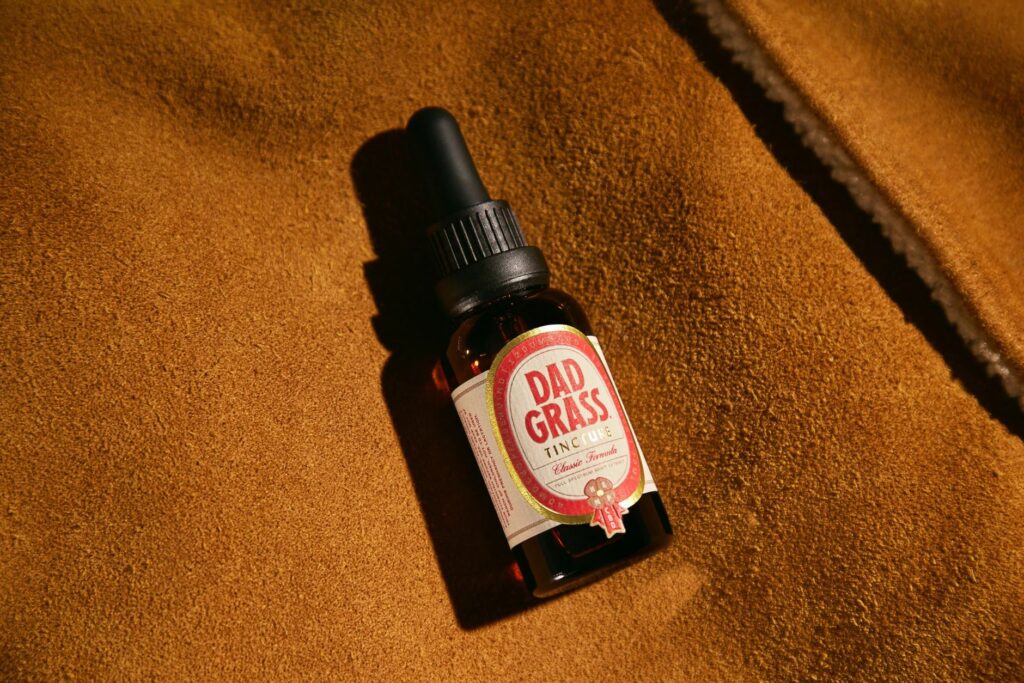
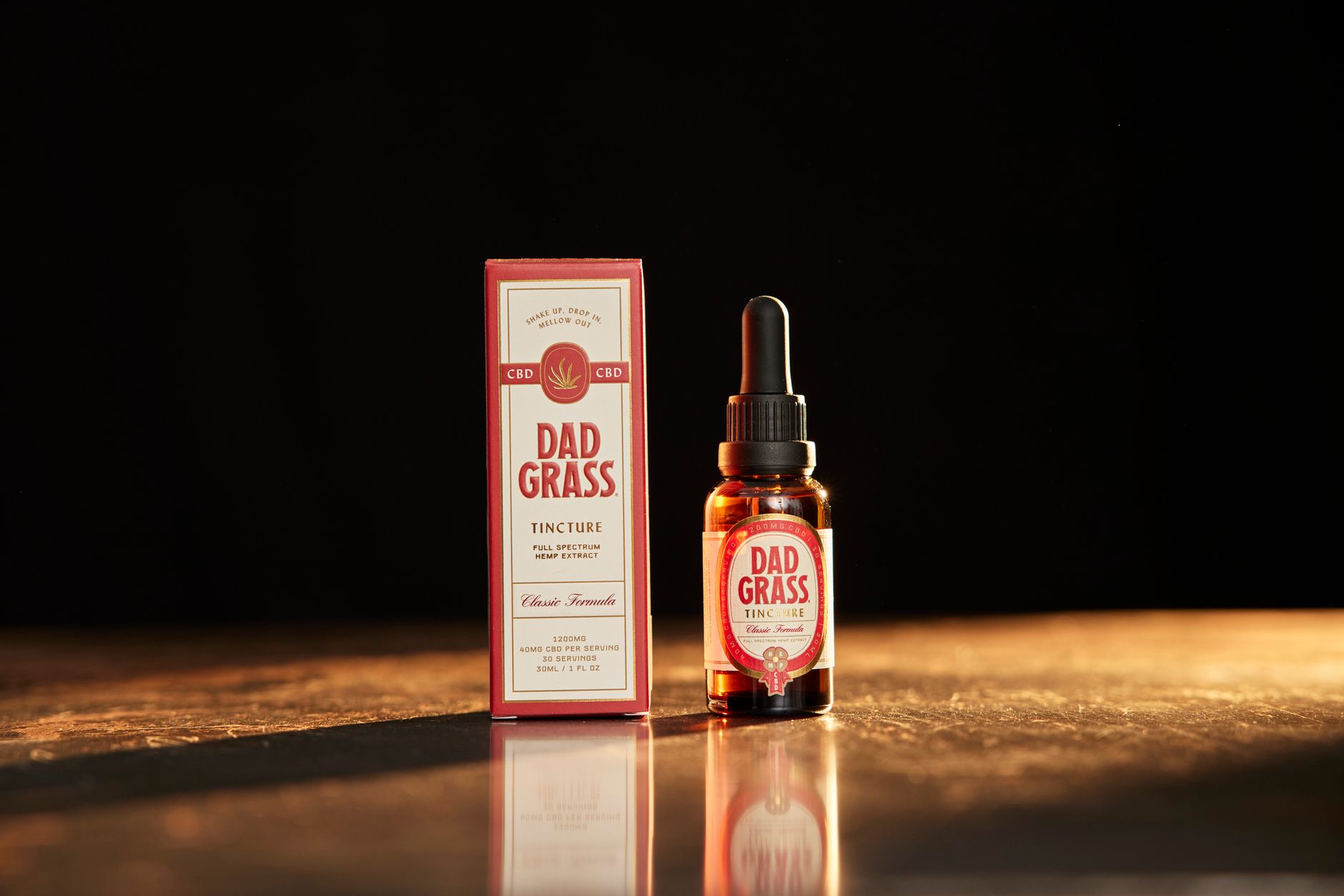
A cannabis tincture taken under the tongue gives you relatively fast absorption (15–30 minutes) with effects that last 4–6 hours. Our Motorbreath double-strength tincture is popular with chronic pain patients because you can dial in your dose precisely. Start with half a dropper. Wait. Adjust. This isn’t a guessing game — it’s medicine, and the dose matters.
RSO (Rick Simpson Oil) is the heavy hitter. It’s a full-spectrum extract that contains the entire range of cannabinoids and terpenes from the plant. For patients dealing with severe chemotherapy-induced neuropathy, RSO taken orally (a grain-of-rice-sized dose to start) provides deep, long-lasting relief. We carry both 500mg and 2500mg RSO syringes. If you’ve never used RSO, come talk to us first — the dosing curve is steep and you don’t want to overshoot it.
What About CBD for Pain — Does It Work Alone?
CBD for pain has real evidence behind it, but here’s my honest take after six years in this industry: CBD alone is usually not enough for moderate-to-severe neuropathy. It’s anti-inflammatory, it modulates pain signaling, and it helps with anxiety that often accompanies chronic pain. But for the kind of burning, electric-shock sensations neuropathy patients describe? You almost always need at least some THC in the mix. A 1:1 THC:CBD ratio is a great starting point — you get the analgesic punch of THC with the calming, anti-inflammatory backup of CBD. Patients who can’t tolerate THC well often do great with a 3:1 CBD:THC ratio. But pure CBD isolate for diabetic nerve pain? I’ve seen too many people come in frustrated after spending months on CBD-only products that barely moved the needle.
Your DC Medical Cannabis Card: Easier Than You Think
Honestly, the biggest barrier for most neuropathy patients in DC isn’t finding the right product — it’s the assumption that getting a medical marijuana card DC is complicated. It isn’t. DC uses a self-certification process through the ABCA medical cannabis program. If you’re 21 or older, you go to the ABCA website, fill out the form, and self-certify that you have a qualifying condition. No doctor’s appointment. No fee. It takes about two minutes (seriously, two minutes). That’s it.
The concern I hear most from patients — especially federal employees working in Shaw, Logan Circle, or anywhere along the corridor — is about privacy. Will my employer find out? Will this show up on a background check? The answer is no. The ABCA does not share your patient data with employers, federal agencies, or anyone else. Your enrollment is protected. Zero career risk from registration itself. I’ve walked hundreds of people through this process, including plenty who work for agencies whose names you’d recognize. They’re fine. You’ll be fine. For a full walkthrough, read our guide on how to get a DC med card.
Building a Cannabis for Neuropathy Routine That Actually Works
The patients who get the best results don’t just buy one product and hope for the best. They layer. Here’s what a solid neuropathy management routine looks like based on what I’ve seen work over and over:
- Morning: Cannabis topical cream applied to hands or feet. No high, just localized relief to start the day. Consider a transdermal patch if you need all-day coverage.
- Afternoon (if needed): A low dose of cannabis tincture — half a dropper of a 1:1 THC:CBD formula. Enough to keep pain manageable without impairing your workday.
- Evening: This is when you can lean into a stronger indica strain like Gelato Cake or Purple Urkle. Smoke, vape, or use an edible. Let the full-body relief settle in, reduce the day’s accumulated pain, and set yourself up for sleep.
- Before bed: RSO (a small oral dose) for patients with severe neuropathy. The effects last 6–8 hours and can carry you through the night without waking up in pain.
You don’t have to use all four layers. Some patients do great with just a tincture and a topical. Others need the full stack. The point is that cannabis for neuropathy works best as a system, not a single product. Browse our cannabis menu to see what’s currently in stock across flower, tinctures, concentrates, and topicals.
Common Mistakes Neuropathy Patients Make with Cannabis
I see three mistakes all the time. First: starting with a dose that’s way too high. If you’ve never used cannabis or haven’t in decades, a full edible or a massive dab is going to send you to the moon — and not in a good way. Start low. Be patient. Second: giving up after one bad experience with the wrong strain. A racy sativa that spiked your anxiety doesn’t mean cannabis doesn’t work for your nerve pain — it means that strain wasn’t right. Third: ignoring terpenes entirely and shopping by THC percentage alone. A 35% THC flower with the wrong terpene profile will do less for your neuropathy than a 22% strain loaded with caryophyllene and myrcene. I’ll say it louder for the people in the back — THC percentage is not the whole story.

If you’re a DC medical patient dealing with peripheral neuropathy, diabetic nerve pain, or chemotherapy-induced neuropathy, cannabis for neuropathy isn’t a fringe idea anymore — it’s a legitimate, evidence-supported option that thousands of patients in this city are already using. You deserve relief that actually works, and you deserve a budtender who’ll spend the time to help you find it. Come see us at MrGreen DC on Connecticut Avenue NW, or order through our cannabis delivery service — we deliver throughout DC, including Capitol Hill, Dupont Circle, and Shaw. Let’s get you something that actually helps.