
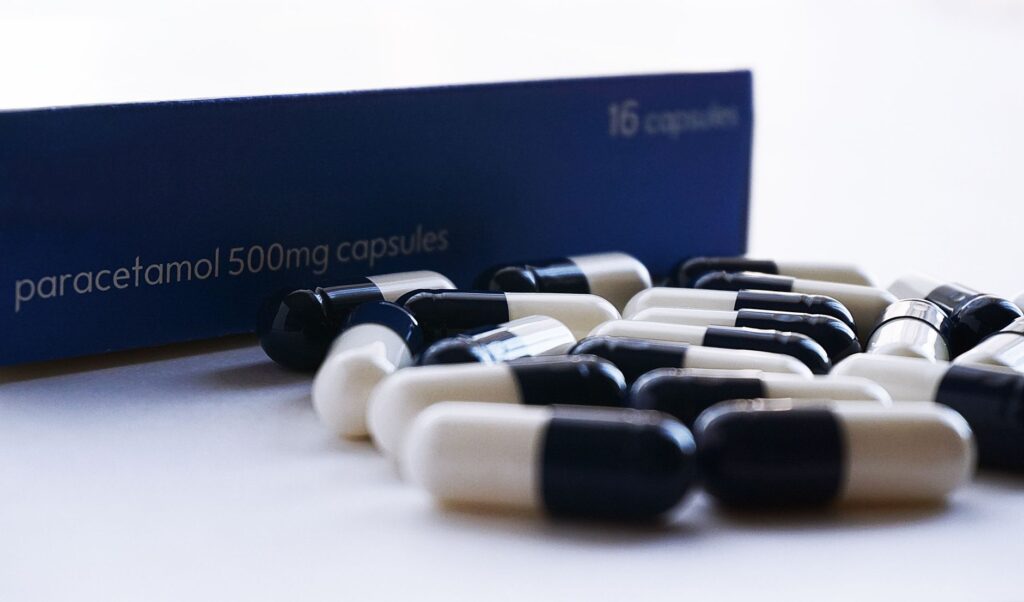
Learn how DC medical patients can use cannabis to reduce opioid use safely. MrGreen DC budtenders share real tapering strategies. Visit us on Connecticut Ave.
● mrgreendc.com
4302 Connecticut Avenue NW, Washington DC
More DC medical cannabis patients than you’d expect are walking into our dispensary on Connecticut Avenue asking the same question: can cannabis reduce opioid use? The honest answer is yes — for a lot of people, it absolutely can. I had a patient come in about three months ago, a Capitol Hill resident in her late fifties who’d been on oxycodone for six years after a botched knee surgery. Her doctor had started tapering her dose, and she was miserable. Couldn’t sleep. Constant muscle aches. Anxiety through the roof. She’d never touched cannabis in her life, and she was nervous. We got her started on a sublingual cannabis tincture with a 1:1 CBD-to-THC ratio, and within two weeks she told me she’d cut her opioid dose by a third — with her doctor’s blessing. That’s not a miracle. That’s just the plant doing what it does.
This post is for every medical cannabis patient in DC who’s dealing with chronic pain, who’s tired of being chained to a prescription they didn’t ask for, and who wants a safer long-term plan. I’ll break down how cannabis actually works alongside opioid tapering, which products and delivery methods make the most sense, what to watch out for with cannabis drug interactions, and how to get your medical marijuana card in DC if you don’t already have one.
Why Medical Cannabis DC Patients Are Turning Away from Opioids
The numbers are brutal. DC has one of the highest per-capita opioid overdose rates in the country. And a huge chunk of those cases started with a legitimate prescription for pain. People don’t set out to become dependent — it creeps up. Your tolerance builds, the dose goes up, and before long you’re taking pills just to feel normal, not even to manage the pain that started all this.
Here’s the thing: cannabis and chronic pain have a relationship that goes back thousands of years, but we’re only now getting clinical research that explains why it works. The endocannabinoid system — your body’s own network of CB1 and CB2 receptors — directly modulates pain signaling. THC binds to CB1 receptors in the brain and spinal cord, which is where a lot of your pain processing happens. CBD works differently, acting on inflammation and nerve sensitivity without getting you high. Together, they can lower the volume on pain signals enough that patients need fewer opioids (or none at all) to function.
A 2023 study in the Journal of the American Medical Association found that states with medical cannabis programs saw a 20-30% reduction in opioid prescriptions. That’s not anecdotal — that’s population-level data. And it matches what I see every week behind the counter. Medical cannabis patients in DC are asking for anti-inflammatory cannabis options specifically because they want off the pills.
How Cannabis Helps Manage Opioid Withdrawal Symptoms
Opioid withdrawal is genuinely awful. I won’t sugarcoat it. The insomnia, the restless legs, the nausea, the anxiety that feels like your skin is crawling — it’s enough to make anyone reach for the bottle they’re trying to quit. This is where cannabis can be a real lifeline, and where specific terpenes and cannabinoid ratios start to matter a lot.
For sleep disruption during tapering, you want strains high in myrcene — it’s a sedating terpene found in heavy indicas. Purple Urkle is a perfect example. It’s got that deep, grape-heavy myrcene profile that can knock out the insomnia without making you groggy the next day. For daytime anxiety and muscle tension, look for linalool (the same terpene in lavender) and caryophyllene, which is actually an anti-inflammatory terpene that binds directly to CB2 receptors. Our terpenes guide breaks this down in detail if you want the full picture.
The most common question I get behind the counter from tapering patients is: “Will cannabis make my withdrawal worse?” No. Not if you’re using it correctly. Cannabis doesn’t activate the same receptor pathways as opioids, so there’s no cross-tolerance issue. What it does do is address the secondary symptoms — the insomnia, the anxiety, the GI distress — that make withdrawal feel unbearable. When you can actually sleep and eat, tapering becomes survivable.
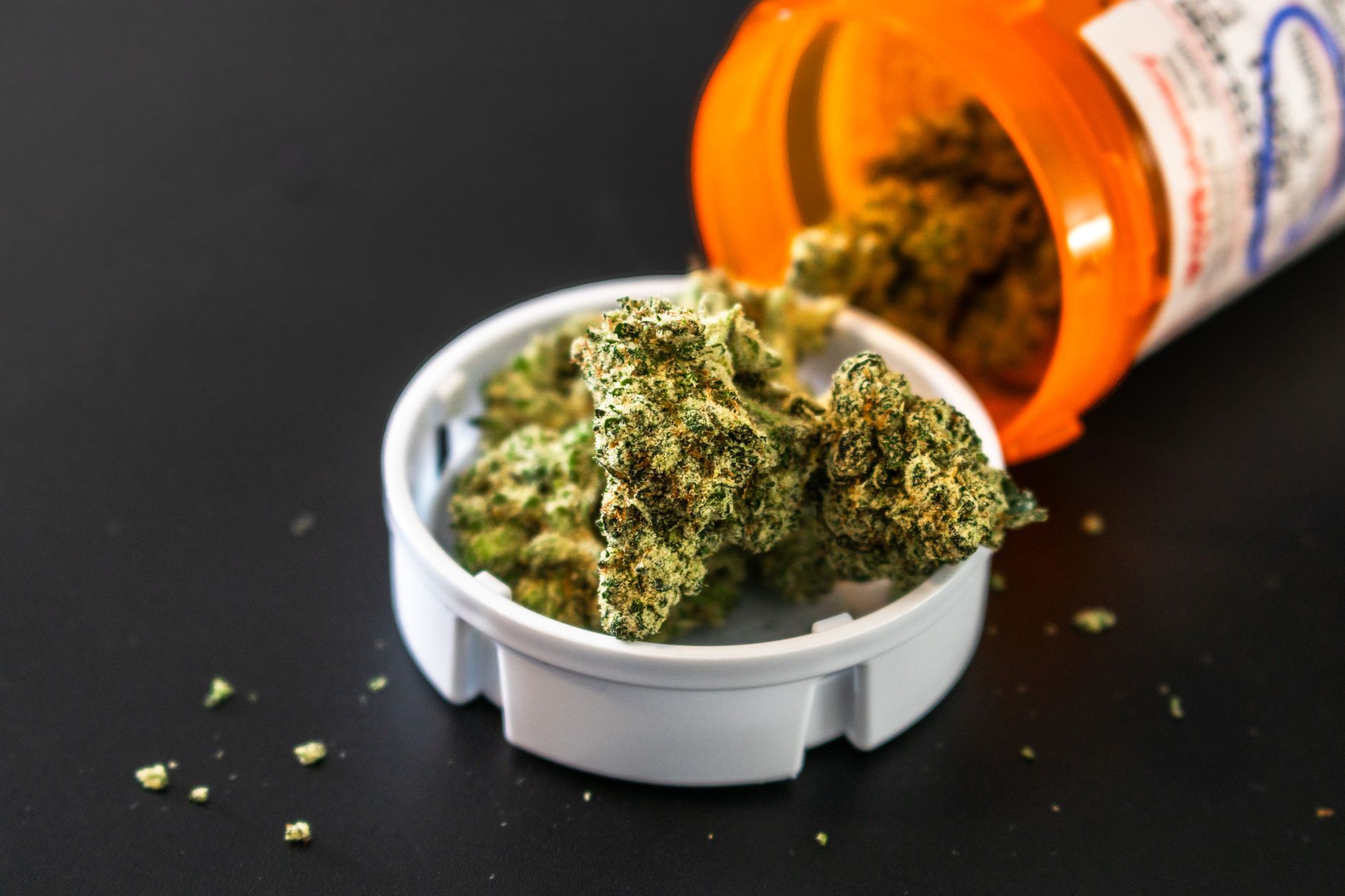
myrcene
Best Cannabis Products for Opioid Tapering: Tinctures, Capsules, and Microdosing
If you’re tapering opioids, smoking a joint isn’t the move. Sorry. You need consistent, predictable dosing — the kind of control you get from a cannabis tincture, cannabis capsules, or RSO (Rick Simpson Oil). These are the formats I recommend to every single patient who’s managing medication alongside cannabis.
Sublingual Cannabis Tinctures
Sublingual cannabis is my top recommendation for tapering patients, full stop. You drop it under your tongue, it absorbs through the mucous membranes (bypassing your liver on the first pass), and you feel it in 15-20 minutes. That’s fast enough to address breakthrough pain or sudden anxiety, and the dosing is precise down to the milligram. Our Motorbreath double-strength tincture is one of my go-to suggestions — it’s got a heavy indica terpene profile with tons of myrcene and caryophyllene, which means pain relief and sedation without a racy head high.
RSO for Severe Pain
For patients who’ve been on high-dose opioids and need something stronger, RSO is the answer. It’s a full-spectrum whole-plant extract that delivers a massive dose of cannabinoids. You can take it orally in tiny amounts (seriously, a grain-of-rice-sized dose is enough to start). We carry both a 500mg RSO syringe and a 2500mg RSO syringe for patients who need higher potency. RSO is especially useful at night — it helps with deep, restorative sleep, which is exactly what your body needs during opioid tapering.
Microdosing Cannabis During Tapering
Honestly, microdosing cannabis is underrated for this. A lot of tapering patients don’t want to feel stoned — they’ve got jobs, kids, lives. Microdosing means taking 2.5 to 5mg of THC at regular intervals throughout the day. It’s enough to blunt pain and anxiety without cognitive impairment. Our 10mg THC chocolates break easily into quarters, giving you a 2.5mg microdose that’s perfect for daytime use. Pair that with a stronger tincture or RSO at bedtime and you’ve got a 24-hour pain management framework that doesn’t involve a single opioid.
CBD for Pain: The Foundation
CBD for pain is real. It’s not just marketing. CBD is a potent anti-inflammatory that works on different pathways than THC — it modulates serotonin receptors, reduces neuroinflammation, and can help with the nerve pain that opioids often mask poorly anyway. For tapering patients, I almost always recommend starting with a high-CBD product before adding THC. It sets a baseline of anti-inflammatory activity that makes the THC more effective when you layer it in. This is called the entourage effect, and it’s why full-spectrum products outperform isolates every time.
Cannabis Drug Interactions: What You Need to Know Before Mixing
This is the section most blogs skip, and it’s the one that matters most. Cannabis and medication interactions are real. They’re not usually dangerous, but they can change how your body processes other drugs — including the opioids you’re tapering.
THC and CBD are both metabolized by the cytochrome P450 enzyme system in your liver. So are most opioids, benzodiazepines, blood thinners, and SSRIs. When cannabis inhibits these enzymes, it can slow down how quickly your body clears other medications. That means the effective dose of your opioid might temporarily increase even though you’re taking less. This is actually useful during tapering (it can make a lower opioid dose feel sufficient), but you need to know it’s happening.
- Tell your prescribing doctor you’re using medical cannabis. I know that feels risky, but ABCA patient data is protected (more on that below), and your doctor needs to know to adjust your taper schedule safely.
- Start low, go slow. If you’re adding cannabis to an existing opioid regimen, begin with 2.5-5mg THC and see how your body responds over 48 hours before increasing.
- Avoid combining smoked cannabis with opioids in the first two weeks. The onset is too fast, dosing is imprecise, and the combined sedation can be risky. Stick with tinctures, capsules, or RSO until you know your tolerances.
- Keep a symptom journal. Track your cannabis dose, your opioid dose, pain levels, sleep quality, and any side effects. This data is gold for your doctor and for your own understanding.
Look, I’m a budtender, not a physician. I’m not going to pretend I can write your taper protocol. But I’ve spent years in the DC cannabis industry watching patients make this transition successfully, and the ones who do it well are the ones who communicate with their medical team and use cannabis strategically, not randomly.
Getting Your Medical Marijuana Card in DC: It’s Easier Than You Think
If you’re reading this and you don’t have your DC medical marijuana card yet, here’s the good news: the DC medical marijuana program runs through the ABCA (Alcoholic Beverage and Cannabis Administration), and the process is called self-certification. There’s no doctor’s visit required. No fee. If you’re 21 or older, you go to the ABCA website, fill out a form, and you’re done (seriously, two minutes). You’ll get a temporary card that same day and a physical card in the mail.
The question I hear constantly from patients in the U Street Corridor and Shaw neighborhoods especially — folks who work for the federal government or government contractors — is: “Will my employer find out?” The answer is no. ABCA does not share your patient data with employers, federal agencies, or anyone else. Your medical cannabis patient status is protected. Zero career risk. This is written into DC law, and ABCA enforces it strictly. I’ve had patients who work at the Pentagon, on the Hill, at every three-letter agency you can think of. They’re all protected. You can read more about the process in our complete guide to getting a DC med card.
Being a registered medical cannabis patient in DC also gives you access to higher possession limits, products that aren’t available through other channels, and the ability to work directly with budtenders who can help you build a real pain management plan. For someone tapering opioids, that guidance isn’t optional — it’s essential.
Building a Safer Long-Term Pain Management Plan with Cannabis
Using cannabis to reduce opioid use isn’t a one-time decision. It’s a process. And the patients who succeed treat it that way — they build an actual plan rather than winging it.
Here’s what a solid plan looks like for most of my patients:
- Weeks 1-2: Add CBD-dominant products (20:1 or higher CBD:THC ratio) twice daily. Don’t change your opioid dose yet. Let the anti-inflammatory cannabis compounds build up in your system.
- Weeks 3-4: Introduce low-dose THC via sublingual cannabis tincture (5-10mg) at night. Begin reducing your evening opioid dose by 10-20%, with your doctor’s guidance.
- Weeks 5-8: Add a daytime microdosing protocol (2.5mg THC every 4-6 hours). Continue reducing opioid doses by 10-20% every two weeks, as tolerated.
- Weeks 9+: By now, many patients are at 50% or less of their original opioid dose. Some are off entirely. Continue your cannabis regimen and adjust based on symptoms.
This isn’t medical advice — it’s a framework based on what I’ve watched work repeatedly for DC medical cannabis patients. Your timeline will be different. Some people taper faster, some slower. The point is that cannabis gives you a tool that addresses pain, sleep, anxiety, and inflammation simultaneously, which is something no single opioid has ever done.
Strains high in pinene are worth mentioning here too — pinene is an anti-inflammatory terpene that also promotes alertness, making it perfect for daytime pain management when you need to stay sharp. And strains with significant limonene content can help with the depression that sometimes accompanies long-term opioid use and withdrawal. Check our cannabis menu for current strain availability and terpene profiles.
The evidence that patients can use cannabis to reduce opioid use keeps growing, and the DC medical marijuana program makes it possible to do this legally, safely, and privately. Whether you’re in Dupont Circle, Columbia Heights, or anywhere else in the District, you’ve got access to the same program and the same products.

If you’re a medical cannabis patient in DC — or you’re ready to become one — and you’re thinking about using cannabis to reduce opioid use, come talk to us. We’re at MrGreen DC on Connecticut Avenue NW, and our budtenders have real experience helping patients through exactly this process (no judgment, everyone asks). If you can’t make it in, we offer cannabis delivery throughout DC — including Dupont Circle, Columbia Heights, and Capitol Hill. Bring your questions. Bring your prescriptions list. We’ll help you figure out the right products, the right doses, and the right plan. You don’t have to do this alone.