
Cannabis for multiple sclerosis relief — best strains, tinctures, topicals & dosing tips from DC budtenders. Visit MrGreen DC on Connecticut Ave or order delivery.
● mrgreendc.com
4302 Connecticut Avenue NW, Washington DC
If you’re researching cannabis for multiple sclerosis, you’re probably past the point of curiosity — you’re looking for actual answers. I get it. I had a patient walk in a few months ago, a woman who’d moved to the Dupont Circle area from out of state. She’d been managing her MS for years with a cocktail of pharmaceuticals, and she was exhausted — not just from the disease, but from the side effects stacking on top of each other. Muscle relaxants made her foggy. Pain meds wrecked her stomach. She wanted to know if medical cannabis in DC could fill in some gaps. That conversation lasted about forty-five minutes, and by the end of it, she had a plan that actually made sense for her body. That’s what I want to give you here: not a textbook rundown, but the stuff I’d actually say to you if you were standing at my counter on Connecticut Avenue.
Why MS Patients Are Turning to Medical Cannabis DC Programs
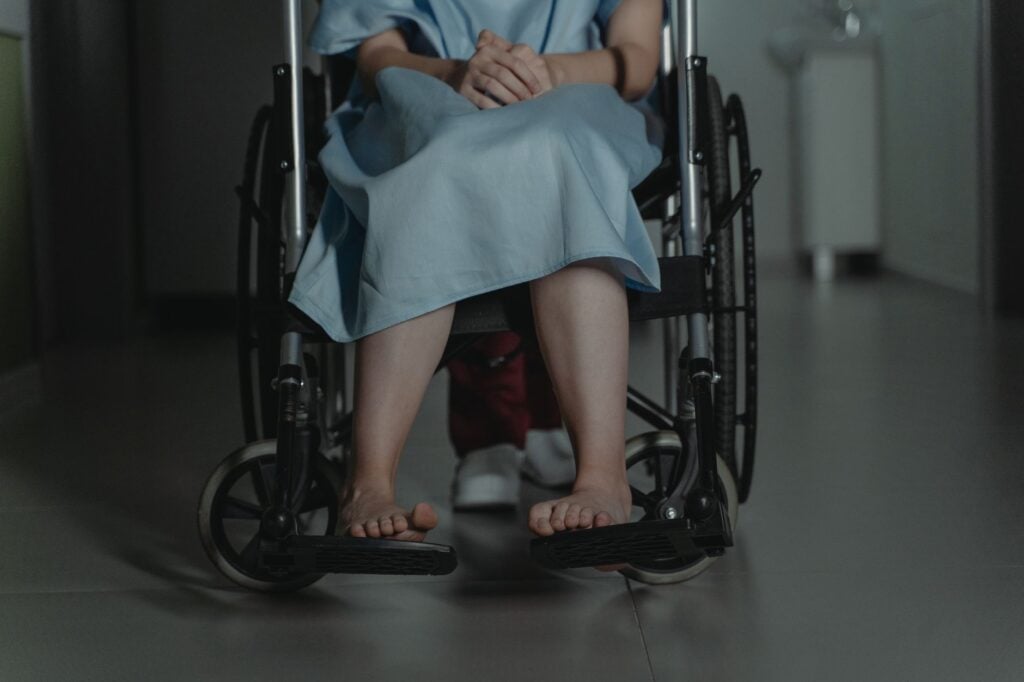
Multiple sclerosis is brutal because it doesn’t pick one symptom and stick with it. You might wake up with nerve pain screaming down your legs, deal with spasticity that locks your calves by noon, and crash into bone-deep fatigue by 3pm. Traditional medications each target one thing, which means you end up juggling four or five prescriptions just to get through a day. Cannabis works differently. It interacts with your endocannabinoid system — a network your body already has — and it can address cannabis and chronic pain, muscle stiffness, sleep disruption, and inflammation without requiring a different pill for each problem.
The research is catching up to what patients have been telling me for years. Studies out of Israel, Canada, and several U.S. institutions show that cannabinoids reduce spasticity scores and improve patient-reported quality of life. The most common question I get behind the counter from MS patients is whether cannabis will interact with their existing meds. Short answer: it can, especially with muscle relaxants and certain anti-seizure drugs. That’s why I always tell people to loop in their neurologist. I’m not replacing your doctor — I’m filling in the gaps your doctor probably doesn’t have time to cover.
Best Indica Strains and Products for MS Spasticity and Nerve Pain
Let’s talk specifics, because vague advice helps nobody. For spasticity — that tight, pulling sensation in your muscles that can wake you up at 2am — you want indica strains with high myrcene content. Myrcene is the terpene responsible for that deep physical relaxation, and it works hand-in-hand with THC to calm overactive muscle signals. Strains like Gelato Cake are excellent here. Heavy body effect, enough THC to actually do something meaningful, and a flavor profile that doesn’t make you feel like you’re taking medicine.
For nerve pain specifically, I lean toward strains rich in caryophyllene. This terpene actually binds to CB2 receptors — the ones most associated with cannabis and inflammation — which means it’s doing double duty: easing pain signals and reducing the inflammatory response that drives a lot of MS nerve damage. Motorbreath is a strain I recommend constantly for this. It’s got that caryophyllene punch, it’s potent, and it doesn’t leave most people feeling completely couch-locked (though you’ll definitely want to be home). You can Shop Motorbreath flower or grab the Motorbreath double-strength tincture if smoking isn’t your thing.
A balanced THC CBD ratio is something I push for newer patients. You don’t need to be blasted to get relief. A 1:1 or even 2:1 THC-to-CBD product can reduce spasticity and pain without the intense psychoactive effects that make some people anxious. CBD moderates the THC high while contributing its own anti-inflammatory properties. It’s not a lesser option — it’s a smarter starting point.

indica strains
Cannabis Tinctures, Topicals, and Patches: The Best Delivery Methods for MS
Here’s the thing: how you consume cannabis matters almost as much as what strain you pick. Smoking flower works, sure, but it’s not always practical for someone dealing with mobility challenges or fatigue so heavy they can barely sit up. That’s where alternative delivery methods shine.
Cannabis Tincture for Precise, Consistent Dosing
A cannabis tincture is probably my number-one recommendation for MS patients. You squeeze a measured dose under your tongue, hold it for 30-60 seconds, and it absorbs directly into your bloodstream. Onset is usually 15-30 minutes (way faster than edibles), and you can dial your dose in milligram by milligram. For someone managing daily spasticity or nerve pain, that precision is everything. Our Motorbreath tincture is double-strength, which means experienced patients don’t need to use as much per dose — it lasts longer and costs less per milligram over time.
Cannabis Topicals for Localized Muscle Relief
Cannabis topicals — creams, balms, salves — don’t get you high. Period. They work locally, right where you apply them. If your spasticity concentrates in your calves or your hands lock up, a topical with THC and CBD can reduce that tightness without any psychoactive effect. I tell my patients in the Logan Circle and Capitol Hill neighborhoods that topicals are great for layering with other methods. Use a tincture for your baseline systemic relief, then apply a topical to the specific spots that flare up. That combination is incredibly effective.
Cannabis Transdermal Patches for Sustained Release
A cannabis transdermal patch is different from a topical. Patches deliver cannabinoids through your skin and into your bloodstream over 8-12 hours. Think of it like a nicotine patch, but for pain and spasticity. For MS patients who need all-day relief without re-dosing, patches are a serious option. They’re discreet — nobody at your office knows — and they provide steady, consistent levels of THC or CBD without the peaks and valleys of smoking or even edibles. Ask about patch availability when you contact us.
Microdosing Cannabis for MS Fatigue and Daytime Function
Fatigue is the MS symptom nobody talks about enough. It’s not tired-because-you-stayed-up-late tired. It’s a crushing, neurological exhaustion that doesn’t respond to coffee or naps. And here’s where most people make their biggest mistake with cannabis for multiple sclerosis: they take too much during the day and end up trading fatigue for sedation. That’s not an improvement.
Microdosing cannabis is the answer for daytime MS management. We’re talking 2.5-5mg of THC — sometimes even less — taken consistently throughout the day. At those doses, you’re getting anti-inflammatory and pain-relieving effects without cognitive impairment. Some of my patients take a low-dose tincture in the morning, another around lunch, and then use a stronger indica strain at night for sleep. That rhythm works. It lets them stay functional through their workday, handle the commute through Shaw or Columbia Heights, and still get meaningful symptom relief.
Honestly, microdosing changed the way I recommend cannabis to about half my chronic-illness patients. The old model was “smoke a joint and feel better.” The new model is therapeutic dosing — consistent, measured, intentional. It’s how pharmaceuticals work, and it’s how cannabis works best for a condition like MS that doesn’t take days off.
Cannabis for Insomnia: Nighttime MS Relief
Cannabis for insomnia in MS patients usually requires a different approach than daytime dosing. At night, you want that sedation. You want myrcene-heavy indicas, possibly combined with linalool (the same terpene found in lavender — deeply calming). Purple Urkle is a strain I keep coming back to for this. It’s a classic indica with serious sleep-inducing properties, and it’s got enough body relaxation to quiet spasticity that tends to flare at night. You can Shop Purple Urkle flower on our cannabis menu.
RSO — Rick Simpson Oil — is another nighttime option I recommend. Our RSO syringe delivers a concentrated, full-spectrum dose that most patients find deeply sedating when taken about an hour before bed. A rice-grain-sized amount is enough for most people (no judgment, everyone asks how much to take). It’s potent, it’s efficient, and it covers pain, spasticity, and insomnia in a single dose.
Getting Your Medical Marijuana Card in DC — It’s Easier Than You Think
A lot of people assume getting a medical marijuana card DC requires jumping through hoops. It doesn’t. DC uses a self-certification process through ABCA’s medical cannabis program. If you’re 21 or older, you go to the ABCA website, fill out the application, self-certify that you have a qualifying condition, and you’re done. No doctor visit required. No fee. It takes about two minutes (seriously, two minutes).
The concern I hear most from MS patients — especially those working federal jobs on Capitol Hill or in government-adjacent roles — is privacy. Here’s what you need to know: ABCA does not share your patient data with employers, federal agencies, or anyone else. Your enrollment in DC’s medical cannabis program is protected information. Zero career risk. Your medical choices stay between you, your doctor, and your medical dispensary in Washington DC. That’s it.
Once you’ve got your card, you can purchase from any licensed dispensary in the District, including our shop right here on Connecticut Avenue. If mobility is an issue — and for many MS patients, it absolutely is — we offer cannabis delivery throughout DC, including to addresses in Dupont Circle, Columbia Heights, Shaw, and everywhere else in the District. We’ll bring it right to your door — a real address is all we need.

Look, cannabis for multiple sclerosis isn’t a miracle cure — and I’d never tell you it is. But after six years in the DC cannabis industry and countless conversations with patients managing this disease, I can tell you it’s one of the most effective tools available for spasticity, nerve pain, fatigue, and sleep disruption. The key is finding the right product, the right dose, and the right delivery method for your specific symptoms. That’s exactly the kind of thing we help with every day.
If you’re ready to figure out what cannabis for multiple sclerosis looks like for you, come see us at MrGreen DC on Connecticut Avenue NW, or check out our same-day delivery if getting to the shop isn’t easy right now. Browse our full menu, or read up on terpenes and what they do so you walk in already knowing what to ask for. We’re here for exactly this kind of conversation.