Exploring cannabis for ADHD? DC budtender Marcus breaks down the 5 best strains, terpenes, and microdosing tips for focus. Visit MrGreen DC on Connecticut Ave.
● mrgreendc.com
4302 Connecticut Avenue NW, Washington DC
If you’re researching cannabis for ADHD, you’re probably tired of the same recycled advice that doesn’t actually tell you what to buy or how to use it. I get it. I’m Marcus, a budtender at MrGreen DC dispensary on Connecticut Avenue, and I talk to patients managing attention deficit hyperactivity disorder almost every single day. Last week, a guy came in — government job in Dupont Circle, recently diagnosed at 34 — and said something I hear constantly: “I don’t want to feel high, I just want to finish a task without opening twelve browser tabs.” That’s the conversation we’re having today. I’ll break down what strains help with focus, which products are actually worth your money for daytime use, how microdosing cannabis works in practice, and why some of the stuff you’ve read online is flat-out wrong.
Why People with ADHD Are Turning to Cannabis (and What the Science Actually Says)
ADHD isn’t just about being distracted. It’s about executive function — the brain’s ability to prioritize, initiate tasks, regulate emotions, and manage impulses. Traditional medications like Adderall and Ritalin work for a lot of people. They also don’t work for a lot of people, or they come with side effects that make daily life miserable. That’s where cannabis and focus enter the conversation.
Here’s the thing: the formal clinical research on cannabis for ADHD is still limited. I won’t pretend otherwise. But what I can tell you is what I see behind the counter every week at our dispensary in Washington DC. Patients with ADHD consistently report that certain strains and consumption methods help them settle into a focused headspace — especially when stimulant medications either aren’t an option or need supplementing. Some use cannabis to manage the anxiety that rides alongside ADHD. Others use it specifically for the “I can’t start this project” paralysis that kills productivity.
Does cannabis treat ADHD the way a prescription stimulant does? No. Can it be a genuinely useful tool in your toolkit? Based on six years in the DC medical cannabis scene, absolutely yes — but only if you’re choosing the right products and using them the right way.
What Strains Help with Focus: Sativa Strains, Terpenes, and THCV
This is the most common question I get behind the counter: “What’s the best strain for focus?” And my honest answer is that the strain name matters less than the chemical profile. Two batches of the same strain can have totally different terpene and cannabinoid ratios depending on the grow. That said, patterns exist, and they’re worth paying attention to when you’re figuring out how to find the right cannabis strain.
The Terpenes That Actually Matter for Concentration
Forget indica vs. sativa for a second (no, really — that’s an oversimplified framework). What you actually want to look at is cannabis terpenes, because they’re driving a huge part of the effect.
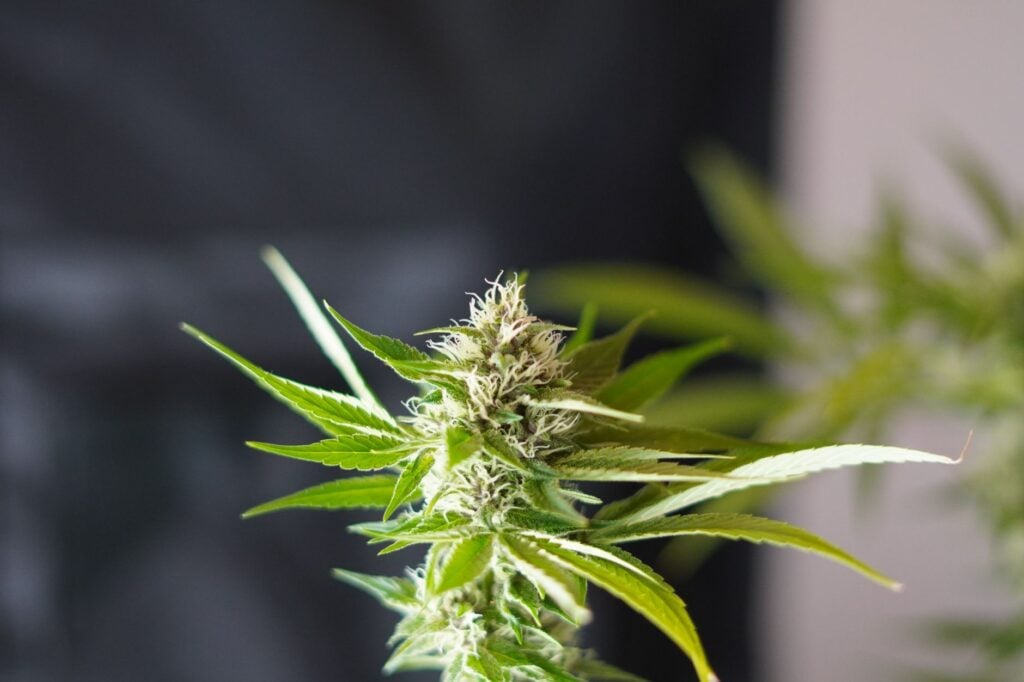
- Pinene — This is the big one for ADHD patients. The pinene terpene is associated with alertness and memory retention. It’s literally what makes pine trees smell sharp and clean. Strains high in pinene tend to produce a clear-headed, present feeling — the opposite of couch-lock. If you’re shopping for best cannabis for daytime use, check the terpene label for pinene first.
- Limonene — Bright, citrusy, mood-elevating. Limonene won’t make you focused on its own, but it fights the low mood and emotional dysregulation that often tank ADHD productivity. Think of it as clearing the emotional fog so you can actually think.
- Caryophyllene — This one’s anti-anxiety without being sedating. For patients whose ADHD comes packaged with racing thoughts and impulsivity, caryophyllene can take the edge off without slowing you down.
What you want to avoid for daytime focus: heavy myrcene-dominant profiles. Myrcene is the terpene that makes you want to melt into the couch. It’s fantastic for sleep. Terrible for getting through a workday in Shaw or Capitol Hill.
THCV: The Cannabinoid Nobody’s Talking About Enough
THCV is a minor cannabinoid that shows up in certain strains, and it’s a genuine standout for ADHD patients. At low doses, THCV provides a short, energetic, clear-headed effect — some patients describe it as “the espresso of cannabinoids.” It doesn’t last as long as THC, which is actually a feature, not a bug, when you just need two focused hours to knock out a report. Sativa strains from African landrace genetics (Durban Poison, for example) tend to carry higher THCV levels. Ask your budtender to check the COA (certificate of analysis) — if THCV shows up above 0.5%, that’s worth your attention.

Pinene
Microdosing Cannabis: The Real Strategy for ADHD Focus
Honestly, if you’re using cannabis for ADHD and you’re getting noticeably stoned, you’ve probably overshot the dose. The patients who get the most consistent focus benefits are the ones microdosing cannabis — taking just enough to shift their brain chemistry without impairing function.
What does microdosing actually look like? For most people, it’s somewhere between 2.5mg and 5mg of THC. That’s a quarter of a standard edible, or one small puff off a vape pen and then putting it down. The goal isn’t euphoria. The goal is to quiet the mental noise enough that your brain can lock onto one thing instead of seven.
Best Products for Microdosing with ADHD
- Tinctures — This is my top recommendation for ADHD patients, period. A tincture like our Motorbreath tincture lets you dose in precise increments. Start with a couple of drops under the tongue, wait 15–20 minutes, and adjust from there. You can dial in your exact sweet spot over a few sessions.
- Low-dose edibles — Our THC chocolate edibles (10mg x 10ct) are 10mg per piece. Break one in half — or even quarters — and you’ve got a precise, long-lasting microdose that’ll carry you through a few hours of work.
- Vape cartridges — One short draw gives you near-instant onset. The Fuel Biscuits cartridge has a nice uplifting profile that several of my ADHD patients swear by. Take one hit, wait five minutes, and see where you land before taking another.
A common mistake I see: patients start with flower, smoke a full bowl, get way too high, and decide cannabis doesn’t work for their ADHD. That’s like chugging four espressos and deciding coffee makes you jittery. Dose matters more than strain, honestly.
Does Cannabis Help or Hurt ADHD? Cutting Through the Myths
Look, I’m not going to pretend every strain is going to turn you into a productivity machine. Cannabis affects people with ADHD differently than it affects neurotypical brains, and the relationship is more nuanced than any clickbait article suggests.
Can Cannabis Make ADHD Worse?
Yes — if you’re using it wrong. High-THC indica strains with heavy myrcene content can absolutely tank your motivation and make executive function worse. Daily heavy use without intentionality can also increase brain fog over time. That’s not fearmongering; that’s what I’ve observed across hundreds of patient conversations. The patients who struggle are usually the ones using cannabis recreationally rather than medicinally — no specific strain selection, no dose tracking, just grabbing whatever’s available and smoking a lot of it.
What About Cannabis and Impulsivity?
This is where things get interesting. Several patients tell me that a small dose of a caryophyllene-rich or linalool-rich strain helps them pause before reacting — whether that’s snapping at a coworker or impulse-buying something they don’t need (no judgment, everyone asks). Linalool, the terpene found in lavender, has calming properties that seem especially useful for the emotional regulation side of ADHD. It won’t fix impulsivity on its own, but combined with whatever other strategies you’re using — therapy, exercise, medication — it can smooth out the rough edges.
Getting Your Medical Cannabis Card in DC: Faster Than You Think
If you’re in DC and don’t have your medical cannabis card yet, here’s something that’ll surprise you: you can self-certify through the ABCA medical cannabis program online. That’s the Alcoholic Beverage and Cannabis Administration — they’re the regulatory body that manages DC’s medical cannabis program. Anyone 21 or older can do it. No doctor visit needed. No fee. It takes about two minutes (seriously, two minutes).
Here’s what I tell nervous patients, especially the ones working federal-adjacent jobs on Capitol Hill or in Logan Circle: ABCA does not share your patient data with employers, federal agencies, or anyone else. Your registration is protected. Zero career risk. I’ve had so many patients agonize over this for months before finally registering and then telling me they wish they’d done it sooner. The privacy protections are real, they’re enforced, and they’re the reason DC’s medical program actually works for working professionals.
Once you’re registered, you can visit a licensed medical dispensary in Washington DC like MrGreen and get actual guidance from someone who knows the products — not just a menu with strain names and THC percentages.
Building Your Personal Cannabis-for-Focus Protocol
I’ve watched enough patients go through trial and error to give you a shortcut. Here’s what tends to work for DC medical patients managing ADHD, concentration issues, and executive function challenges:
- Start with a tincture or low-dose edible in the morning. Aim for 2.5–5mg THC. If you can find a product with measurable THCV, even better.
- Choose sativa-leaning strains with pinene and limonene. Check our cannabis menu for current terpene profiles — they change with each batch.
- Keep a simple log. Strain name, dose, time of day, and a 1–10 focus rating. After two weeks, you’ll have real data on what works for your brain. ADHD brains are wildly individual — what works for the U Street Corridor freelancer won’t necessarily work for the Adams Morgan grad student.
- Don’t mix cannabis for ADHD focus with cannabis for nighttime relaxation. Treat them as completely separate use cases with different products. Your daytime pinene-forward vape pen and your nighttime myrcene indica should never cross purposes.
- Re-evaluate every 30 days. Tolerance builds. Rotate strains. Adjust doses. This isn’t a set-it-and-forget-it situation.
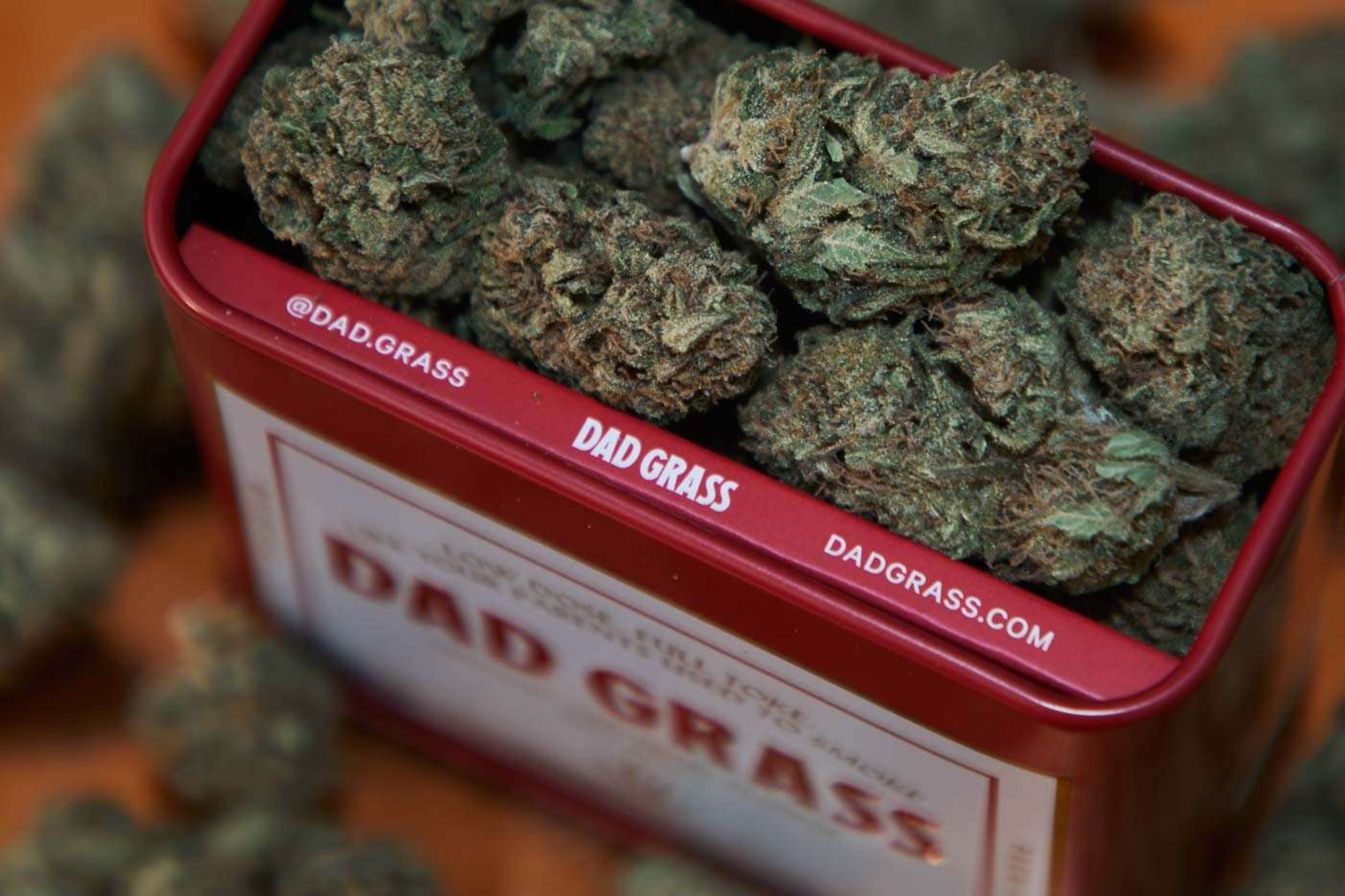
Using cannabis for ADHD isn’t about getting high — it’s about getting functional. The right strain, the right dose, and the right delivery method can make a genuine difference in your ability to concentrate, manage impulsivity, and actually follow through on what you set out to do. But it takes intentionality, not guesswork. That’s exactly what we’re here for.
Stop by MrGreen DC on Connecticut Avenue NW and talk to one of our budtenders about what’s currently on the shelf with the terpene profiles that match your needs. Or if you’re across town — whether that’s Dupont Circle, Shaw, Capitol Hill, or anywhere else in the District — we offer cannabis delivery throughout DC straight to your door. Let’s find what actually works for your brain.