
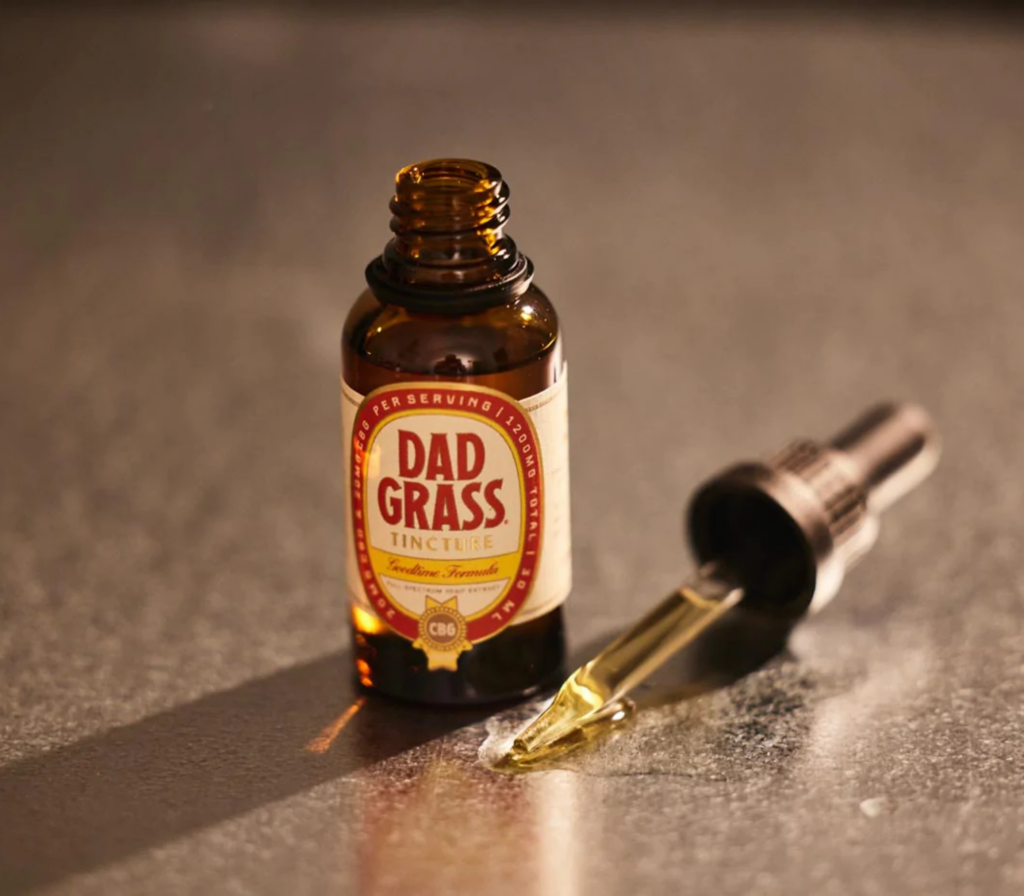
Cannabis for IBS can ease bloating, cramping, and diarrhea. MrGreen DC budtenders share the best strains, tinctures, and dosing tips. Visit us on Connecticut Ave.
● mrgreendc.com
4302 Connecticut Avenue NW, Washington DC
If you’re a medical cannabis DC patient dealing with IBS, I want you to know something right away — you’re not alone behind my counter. Cannabis for IBS is one of the most common conversations I have at MrGreen DC dispensary, and it’s been that way since I started working in the DC cannabis industry. I had a patient come in just last week — young professional from Dupont Circle, maybe 30 years old — and she told me she’d been dealing with bloating and cramping for two years before anyone suggested she try cannabis. Two years. She’d burned through every over-the-counter option at CVS. Two different gastroenterologists. A low-FODMAP diet that made her miserable. Within a month of dialing in the right strain and delivery method, she told me she’s eating meals without dread for the first time since grad school. That’s the kind of thing that keeps me doing this work. In this post, I’ll break down the best indica strains for gut relief, which cannabis edibles and tinctures actually make sense for IBS symptoms, and how DC’s medical cannabis program makes all of it more accessible than you’d think.
Why Cannabis and Inflammation in the Gut Are So Connected
Your gut has more cannabinoid receptors than almost anywhere else in your body. That’s not some stoner trivia — it’s basic biology, and it matters a lot if you’re dealing with IBS. The endocannabinoid system (ECS) plays a direct role in gut motility, visceral pain signaling, and inflammation. When the ECS is out of balance, you get exactly the symptoms IBS is famous for: bloating, cramping, diarrhea, constipation, or that fun combo where you alternate between both.
THC activates CB1 receptors in the gut, which can slow motility (great for diarrhea-predominant IBS) and reduce pain perception. CBD works more indirectly on inflammation. And here’s where it gets interesting — CBG, a cannabinoid most people haven’t even heard of, shows real promise for reducing intestinal inflammation specifically. I’ve started recommending CBG-rich products to IBS patients, and the feedback has been genuinely encouraging.
Here’s the thing: cannabis and inflammation aren’t just buzzwords I’m throwing together. The research on cannabinoids reducing inflammatory markers in the GI tract is solid enough that gastroenterologists are starting to pay attention. You don’t need to wait for them to catch up. DC medical patients already have legal access to products that target these exact pathways.
Best Indica Strains for IBS Relief at MrGreen DC
Not every strain works the same way for gut issues. I’ve seen patients grab whatever’s highest in THC and wonder why their symptoms got worse. THC percentage alone doesn’t tell you much about how a strain will affect your digestive system. What matters more is the terpene profile.
For IBS patients, I consistently recommend strains heavy in these terpenes:
- Myrcene — the most common terpene in indica strains. It’s anti-inflammatory and sedating, which helps with both pain and the anxiety that makes IBS worse.
- Caryophyllene — this one actually binds to CB2 receptors, making it functionally anti-inflammatory in a way no other terpene can match. If your IBS involves a lot of bloating and abdominal pain, caryophyllene-heavy strains are your friend.
- Linalool — also found in lavender. It’s calming, anti-spasmodic, and genuinely useful for stress-triggered IBS flares.
- Limonene — good for nausea and mood. If IBS makes you anxious about eating (and it does for a lot of people), limonene-dominant strains can take the edge off.
Specific strains I’d point you toward on our cannabis menu:
- Gelato Cake — heavy indica, rich in caryophyllene and limonene. Patients report solid relief from cramping and that post-meal bloating that makes you want to cancel plans. Shop Gelato Cake flower.
- Purple Urkle — old-school indica loaded with myrcene. This one’s deeply relaxing without being overwhelming. Great for evening use when IBS is keeping you up. Shop Purple Urkle flower.
- Motorbreath — heavier hitter with a caryophyllene-forward profile. I’d suggest this for patients dealing with significant abdominal pain, not just mild discomfort. Shop Motorbreath flower.
A quick note on sativa vs. indica for IBS: I generally steer IBS patients toward indica strains or indica-leaning hybrids. Sativas can increase anxiety and speed up gut motility in some people, which is the last thing you want during a flare-up. That said, a mild sativa with pinene can be fine during the day if your symptoms are manageable — it just takes some trial and error.

Myrcene
Cannabis Tinctures, Edibles, and Capsules: Which Delivery Method Works Best for IBS?
This is where most IBS patients make their biggest mistake. They assume smoking flower is the only option, or they jump straight to high-dose cannabis edibles and end up feeling worse. The delivery method matters enormously for gut conditions, and I’ll tell you exactly why.
Sublingual Cannabis Tinctures — My Top Pick for IBS
If I had to recommend one product type for IBS, it’s a cannabis tincture used sublingually (under the tongue). Here’s why: sublingual cannabis bypasses the digestive system almost entirely. The cannabinoids absorb through the mucous membranes in your mouth and hit your bloodstream in about 15-20 minutes. You’re not adding anything to a gut that’s already inflamed and irritated.
Our Motorbreath double-strength tincture is specifically what I’d point IBS patients toward. It’s alcohol-based, potent, and the Motorbreath strain brings that caryophyllene-heavy anti-inflammatory profile I talked about earlier. Start with a low dose — maybe a quarter dropper — and hold it under your tongue for 60 seconds before swallowing (seriously, time it).
Cannabis Edibles and IBS — Proceed with Caution
I’m not going to tell you to avoid cannabis edibles entirely. But I will say this: if your IBS involves a lot of sensitivity to what you put in your stomach, edibles can be a mixed bag. They have to pass through your entire digestive tract, which means they can trigger symptoms in some patients before the cannabinoids even kick in. The onset is also slow — 45 minutes to two hours — so you might eat one during a flare, feel nothing, take more, and then be way too medicated three hours later.
If you do want to try edibles, microdosing cannabis is the smart approach. Our THC chocolate edibles come in 10mg pieces, but I’d suggest starting with half of one (5mg) and seeing how your gut responds. Some patients actually find that low-dose edibles taken consistently — not just during flares — help regulate their symptoms over time.
Cannabis Capsules and RSO for Longer-Lasting Relief
Cannabis capsules work similarly to edibles but tend to be more predictable in dosing. For patients who want consistent, all-day relief without smoking, capsules are worth trying. RSO (Rick Simpson Oil) is another option that packs a serious punch — our RSO syringe lets you dose precisely and you can take it sublingually or add a tiny amount to food. RSO is full-spectrum, meaning you get the whole range of cannabinoids including CBN and CBG alongside THC — that full entourage effect is what a lot of IBS patients respond best to.
What About Cannabis Topicals for IBS?
I get this question more than you’d expect (no judgment, everyone asks). Cannabis topicals won’t do much for IBS directly — they don’t penetrate deep enough to reach your intestines. However, some patients use a topical balm on their abdomen during painful cramping episodes and swear it helps with the surface-level muscle tension. It’s not going to replace internal use, but it can be a supplemental comfort measure. Think of it as the difference between an ice pack and actual medication.
Microdosing Cannabis for IBS: The Smartest Strategy Most Patients Miss
Honestly, the most effective approach I’ve seen for cannabis for IBS isn’t about getting the strongest product — it’s about microdosing cannabis consistently. I’m talking 2.5 to 5mg of THC taken once or twice daily, often combined with CBD or CBG.
Why does this work? IBS is a chronic condition. It’s not like acute pain where you need a big dose to knock out a headache. Your endocannabinoid system responds better to small, regular inputs than to occasional large ones. Patients who microdose report fewer overall flares, less baseline bloating, and better sleep — which matters because poor sleep is one of the biggest IBS triggers people ignore.
Here’s how I’d structure a microdosing protocol for a new IBS patient:
- Start with a sublingual tincture, 2.5mg THC, taken in the morning.
- If well-tolerated after three days, add a second 2.5mg dose in the evening.
- Slowly increase by 2.5mg increments every 4-5 days until you find your sweet spot.
- If you can find a product with CBG, even better — CBG at low doses supports gut function specifically.
The goal isn’t to feel high. Most of my IBS patients who microdose tell me they don’t feel any psychoactive effects at their optimal dose — they just notice that their gut cooperates more. That’s the win.
Getting Your Medical Marijuana Card in DC Is Easier Than You Think
Look, if you’ve been putting off getting your medical marijuana card DC because you think it involves a doctor’s visit, a stack of paperwork, and some bureaucratic nightmare — stop worrying. DC uses a self-certification system, and it’s genuinely one of the easiest processes in the country.
Here’s what you actually need to do:
- Go to the ABCA medical cannabis program website.
- Self-certify that you have a qualifying condition. IBS counts — any condition where cannabis provides therapeutic benefit qualifies under DC’s program.
- You must be 21 or older.
- There’s no fee. Zero dollars.
- No doctor visit required. No referral needed.
- The whole process takes about two minutes (seriously, two minutes).
The ABCA (DC’s Alcoholic Beverage and Cannabis Administration) administers and regulates the entire program. And here’s something federal employees and folks with security clearances always ask me about: ABCA does not share your patient data with employers, federal agencies, or anyone else (yes, even your employer won’t know). Your medical cannabis registration is protected information. There’s zero career risk to getting your card. I can’t stress this enough, especially for patients working in Shaw, Capitol Hill, or anywhere near the Hill — your job is safe.
If you want a step-by-step walkthrough, check out our full guide on how to get a DC med card.
Building a Cannabis for IBS Routine That Actually Works
Let me put this all together in a way that’s practical, because theory doesn’t help you when you’re doubled over before a meeting.
The most common question I get behind the counter from IBS patients is, “What do I take and when?” So here’s what I’d tell you if you were standing across from me right now:
- Morning — sublingual tincture, low-dose (2.5-5mg THC), ideally with some CBG. This sets a baseline of anti-inflammatory activity in your system before you eat breakfast.
- Before meals — if you know eating is a trigger, a small sublingual dose 15-20 minutes before your meal can reduce the reactive cramping and bloating.
- Flare-ups — this is when you might want to reach for flower. A few puffs of a caryophyllene-rich indica like Gelato Cake or Motorbreath gives you the fastest onset (under 5 minutes) for acute pain and spasms.
- Evening — a slightly higher tincture dose or a low-dose edible to help with overnight symptoms and improve sleep quality. Poor sleep fuels inflammation, which fuels IBS. Break the cycle.
Keep a simple log for the first two weeks. Note what you took, when, and how your gut felt afterward. Patients who track their usage find their optimal routine way faster than people who just wing it. Cannabis for IBS works best when you treat it like the medicine it is — consistent, intentional, and dosed thoughtfully.

If you’re ready to find the right cannabis for IBS approach for your body, come talk to us. Our budtenders at MrGreen DC on Connecticut Avenue NW have helped dozens of patients with gut conditions find what works — and we’ll take the time to walk you through options without rushing you out the door. Can’t make it in? We offer cannabis delivery throughout DC, including Dupont Circle, Shaw, and Capitol Hill. Your gut doesn’t have to run your life. Let’s find you something that actually helps.