
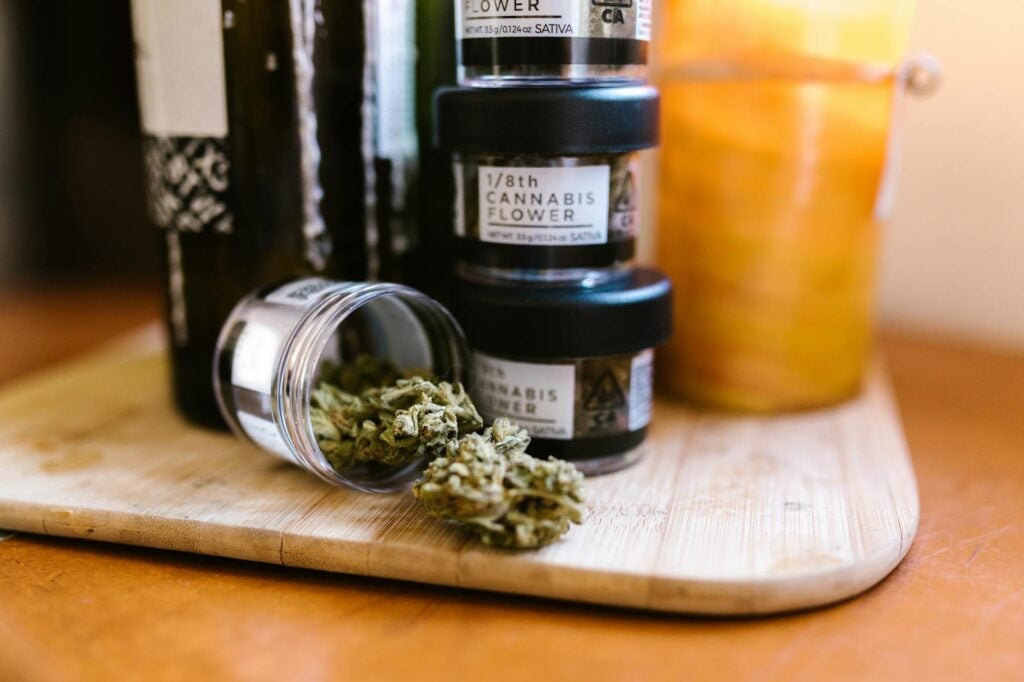
What is cannabis sauce? MrGreen DC budtenders explain how it’s made, how to dab it, and why this terpene-rich concentrate is ideal for DC patients. Visit us on Connecticut Ave.
● mrgreendc.com
4302 Connecticut Avenue NW, Washington DC
So, what is cannabis sauce? It’s the question I probably answer three or four times a shift, and honestly, I love talking about it every single time. Last week a patient came in — she’d been using flower for about two years for her chronic pain — and her friend told her to “try sauce.” She walked up to the counter looking genuinely confused, like maybe we were selling pasta condiments. By the time she left, she’d grabbed a gram and texted me the next day saying it was the best cannabis experience she’d ever had. That’s the thing about sauce: once people understand what it is and how to use it, they don’t go back. In this post, I’m going to break down exactly how this terpene-rich cannabis concentrate is made, how to dab it properly, and what DC medical cannabis patients should know before their first hit.
What Is Cannabis Sauce, and Why Is It Different from Other Cannabis Concentrates?
Let’s get specific. Cannabis sauce — sometimes called “terp sauce” — is a cannabis concentrate with a wet, syrupy texture that’s loaded with cannabis terpenes. It typically looks like a thick, amber or golden liquid with small crystalline chunks floating in it. Those crystals? That’s THCa. The liquid surrounding them is a concentrated pool of terpenes, the aromatic compounds that give each strain its distinct flavor, aroma, and a big chunk of its effects.
Here’s the thing: most concentrates sacrifice flavor for potency. Shatter, for example, can test at 80-90% THC, but it’s been processed in a way that strips out a lot of the terpene content. Sauce flips that equation. It intentionally preserves terpenes like myrcene, limonene, caryophyllene, linalool, and pinene — sometimes at concentrations five to ten times what you’d find in dried flower. The result is a product that doesn’t just get you medicated; it tastes incredible and produces a more nuanced, full-spectrum effect that many patients swear works better for symptom relief.
The difference between sauce and something like live resin is subtle but important. Live resin is flash-frozen at harvest and extracted to preserve terpenes — and it’s excellent. Sauce takes that concept further by allowing the extract to separate naturally into terpene-rich liquid and THCa crystals during a process called “diamond mining” (more on that in a second). You can think of live resin as the broader category and sauce as a specific, terpene-forward subcategory within it. Not all live resin is sauce, but the best sauces often start as live resin extracts.
How Cannabis Sauce Is Made: The Science Behind the Flavor
Making sauce isn’t something you do in your kitchen. Period. Don’t try it. This is a professional extraction process that requires closed-loop equipment, trained technicians, and lab testing at every stage. Here’s the basic rundown of how it works.
It starts with fresh, often flash-frozen cannabis. Freezing the plant immediately after harvest locks in the terpene profile that you’d lose during traditional drying and curing. A solvent — usually butane or a butane-propane blend — washes over the frozen plant material and pulls out cannabinoids and terpenes together. What comes out is a raw extract that’s rich in everything the plant had to offer.
Now here’s where sauce gets interesting. Instead of purging all the solvent quickly at high heat (which is how you’d make shatter), extractors leave the raw extract in a sealed container at a controlled, low temperature for days or even weeks. During this slow purge, THCa molecules naturally crystallize and fall to the bottom of the container while the liquid terpene fraction rises. This separation process is what the industry calls “diamond mining,” and it’s the reason sauce has that signature chunky-in-liquid texture.
After the crystals form, the remaining solvent gets purged at low temperatures to preserve those precious terpenes. The final product gets sent to a lab for potency and safety testing — checking for residual solvents, pesticides, heavy metals, and microbials. At a medical dispensary in Washington DC like ours, every concentrate on the shelf has passed those tests. That’s not optional; it’s the law under ABCA (DC’s Alcoholic Beverage and Cannabis Administration) regulations.

How to Use a Dab Rig for Cannabis Sauce: A Beginner-Friendly Walkthrough
Dabbing for beginners can feel intimidating. I get it — there’s a torch, there’s a hot nail, it looks like a chemistry experiment. But once you’ve done it twice, it’s no more complicated than making pour-over coffee. Let me walk you through it.
What You’ll Need
- A dab rig — a small water pipe specifically designed for concentrates. They’re shorter than bongs because you want less air between you and the vapor.
- A banger (nail) — quartz is the standard. It heats evenly and doesn’t affect flavor.
- A torch — butane kitchen torches work fine. Or skip the torch entirely with an e-rig like the Puffco Peak Pro, which gives you precise temperature control at the press of a button.
- A dab tool — a small metal or glass pick to scoop your sauce.
- A carb cap — covers the banger to trap heat and create convection. This is non-negotiable if you care about flavor.
- A timer — your phone works.
The Low-Temp Dab Method (This Is the Move for Sauce)
Heat your banger with the torch until it’s glowing. Then — and this is the part most beginners get wrong — let it cool down. Set a timer for 45 to 60 seconds after you stop torching. You want the banger around 350-450°F, not 700°F. If it’s too hot, you’ll incinerate those terpenes you paid good money for and get a harsh, throat-scorching hit that tastes like nothing.
Once cooled, use your dab tool to drop a rice-grain-sized piece of sauce into the banger. Immediately cap it with your carb cap and inhale slowly. You should see the sauce melt and produce a thin, flavorful vapor. The taste should be rich and distinct — if your sauce is high in limonene, you’ll taste citrus; if it’s caryophyllene-dominant, expect pepper and spice. That’s the whole point.
Honestly, if you’re not tasting anything or the hit is making you cough like crazy, your temperature is too high. Cool it down. Sauce rewards patience. The entourage effect — where cannabinoids and terpenes work together to produce stronger, more targeted relief — only happens when you preserve those terpenes through proper low-temp dabbing.
No Dab Rig? No Problem.
You can also use sauce in a concentrate-compatible vaporizer pen, on top of a bowl of flower (called “topping off”), or in a nectar collector. The dab rig gives you the best flavor and control, but don’t let equipment be the barrier. Plenty of patients I’ve talked to at our shop on Connecticut Avenue started with a simple wax pen before upgrading.
What Are Terpenes, and Why Do They Matter So Much in Sauce?
If you’ve spent any time reading about cannabis, you’ve probably seen the word “terpenes” everywhere. So what are terpenes, really? They’re organic compounds produced by the cannabis plant (and tons of other plants — lavender, pine trees, lemons) that create aroma and flavor. But they do way more than smell nice.
Research is showing that terpenes have their own therapeutic effects. Myrcene is associated with sedation and muscle relaxation — it’s the reason mangoes smell the way they do, and it’s dominant in strains that make you want to melt into your couch. Limonene has mood-elevating and anti-anxiety properties. Linalool (also found in lavender) is calming. Pinene can help with focus and alertness. Caryophyllene actually binds to CB2 receptors in your endocannabinoid system, which means it acts like a cannabinoid itself, potentially reducing inflammation.
The reason sauce matters for medical cannabis patients is that it preserves these compounds at concentrations you simply can’t get from flower. When you check our cannabis terpenes guide, you’ll see we take this seriously. A gram of well-made sauce might have 8-15% total terpene content. Compare that to flower, which typically sits around 1-3%. That’s a massive difference, and patients dealing with chronic pain, anxiety, insomnia, or nausea often tell me the terpene effects in sauce hit different than anything else they’ve tried.
I had a patient from the Logan Circle area — a federal employee, actually — who was nervous about even getting his card (no judgment, everyone asks about that, and I’ll cover it below). He’d been using edibles for sleep but found them too unpredictable. We got him started with a linalool-heavy sauce, and within a week he told me his sleep had improved more than with anything he’d tried in five years. The terpene profile made the difference, not just the THC number.
Getting Your DC Medical Cannabis Card Is Easier Than You Think
Look, I know some of you reading this aren’t patients yet. Maybe you’re in Shaw or over in Capitol Hill, and you’ve been curious about medical cannabis but assumed it required doctor visits, fees, and a bunch of paperwork. It doesn’t.
DC uses a self-certification process through ABCA. If you’re 21 or older, you go to the ABCA medical cannabis program page, fill out a short form certifying that you have a qualifying condition, and submit it. No doctor’s appointment. No fee. It takes about two minutes (seriously, two minutes). Your temporary card arrives digitally, and you can start shopping at any licensed DC marijuana dispensary that same day.
The concern I hear most often — especially from patients living near Dupont Circle and the federal corridors — is about privacy. Will my employer find out? Will a federal agency know? The answer is no. ABCA does not share your patient data with employers, federal agencies, or anyone. Your information is protected. There’s zero career risk. I’ve had nurses, government contractors, lawyers, and teachers all become patients without a single issue. The program exists to protect you, not expose you.
If you’ve got questions about the process, swing by the shop or check out our walkthrough on how to get a DC med card. We’ll walk you through the whole thing right at the counter if you need a hand.
How to Pick the Best Concentrates in DC: What to Look For on the Label
Not all sauce is created equal, and knowing what is cannabis sauce on a technical level helps you shop smarter. Here’s what I tell every patient who’s looking at our concentrate selection for the first time.
Check the Terpene Profile, Not Just THC
This is the single biggest mistake I see. People grab whatever has the highest THC percentage and ignore everything else. A sauce with 65% THC and 12% total terpenes will almost always provide a better, more well-rounded experience than a distillate at 90% THC with barely any terpene content. The entourage effect is real, and chasing THC numbers alone is like judging wine purely by alcohol content.
Look for Lab Test Results
Every product at a licensed dispensary should have lab-tested cannabis results available. At MrGreen DC dispensary, you can ask any budtender to pull up testing data. You want to see clean passes on residual solvents, pesticides, and heavy metals. If a brand can’t show you test results, that’s a red flag.
Strain-Specific vs. Mixed
The best sauces are strain-specific, meaning they’re extracted from a single cultivar. This preserves the unique terpene fingerprint of that particular plant. Mixed or blended concentrates aren’t necessarily bad, but you lose that specificity. If you’re a medical cannabis patient in DC trying to target specific symptoms, strain-specific sauce gives you the most control.
Want something in-stock right now? Our Gelato Cake concentrate is a great starting point — rich, dessert-forward terpene profile with heavy caryophyllene for patients managing pain or inflammation. The Pavé live sugar is another favorite that captures what makes terpene-rich concentrates so special.
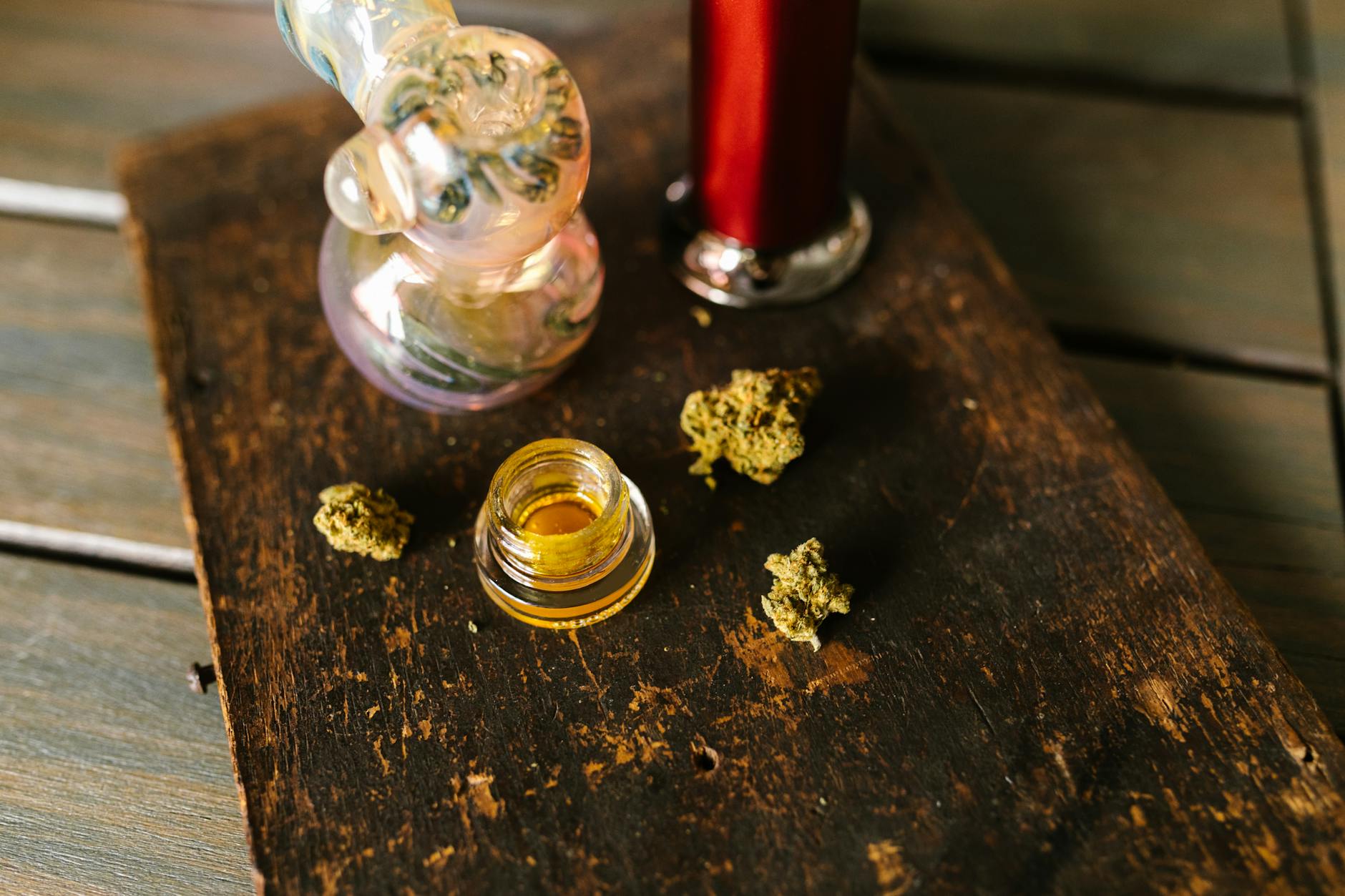
Now that you understand what is cannabis sauce — how it’s made, why the terpenes matter, how to dab it without torching your throat, and how to pick a quality product — you’re already ahead of most first-time concentrate buyers. This is one of those products where a little knowledge completely changes the experience, and I genuinely think it’s the best way for DC patients to get the full benefit of this plant.
We’re at MrGreen DC on Connecticut Avenue NW, and our team is always happy to talk you through your first sauce purchase in person. Not close to the shop? We offer cannabis delivery across DC — whether you’re in Adams Morgan, Capitol Hill, or anywhere else in the District. Browse our cannabis menu, ask us anything, and let’s get you the right concentrate for what you actually need. That’s what we’re here for.