
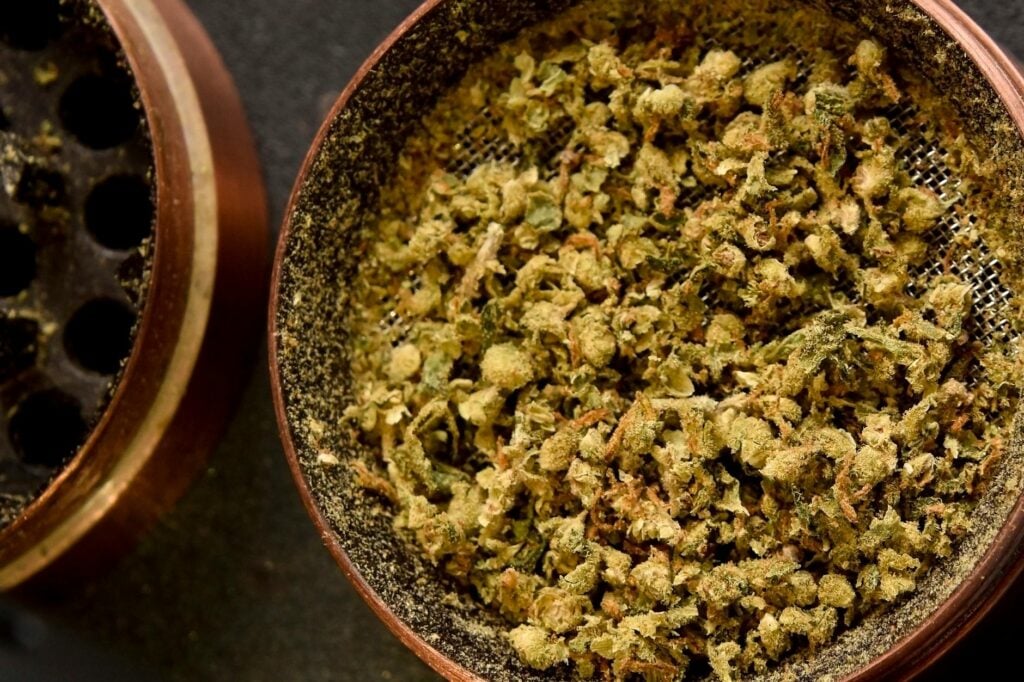
Learn what cannabis wax is, how to dab it, and why DC medical patients love it. MrGreen DC budtenders break it all down. Visit us on Connecticut Ave.
● mrgreendc.com
4302 Connecticut Avenue NW, Washington DC
Cannabis wax is the concentrate that keeps showing up in conversations behind my counter at MrGreen DC — and for good reason. It hits faster, lasts longer, and delivers relief that flower simply can’t match at the same dose. I had a medical cannabis patient come in last month, a Capitol Hill nurse working twelve-hour overnight shifts, who told me she’d been smoking two bowls every evening for her chronic back pain and barely getting four hours of sleep. We got her set up with a small dab of wax before bed and she came back the following week genuinely emotional about sleeping through the night for the first time in months. That’s the kind of difference we’re talking about. In this post, I’ll break down exactly what cannabis wax is, how it’s made, how to use a dab rig without embarrassing yourself, and everything DC medical patients need to know before their first dab.
What Is Cannabis Wax and Why Is This Cannabis Concentrate So Popular?
Cannabis wax is a type of cannabis concentrate that gets its name from its texture — it looks like earwax or crumbly beeswax, depending on how it’s processed. THC levels typically land between 60% and 85%, which is roughly three to four times stronger than top-shelf flower. That potency isn’t about getting obliterated (no judgment if that’s your thing). It’s about efficiency. Medical cannabis DC patients dealing with severe pain, nausea, or insomnia don’t always have the luxury of smoking three joints and waiting around. A single rice-grain-sized dab can deliver the same cannabinoids as an entire bowl pack.
Here’s the thing: wax isn’t the only concentrate on the shelf, and people get confused by the names. You’ve got cannabis shatter, which is glassy and translucent. There’s cannabis rosin, which uses heat and pressure instead of solvents. Live resin preserves terpenes by flash-freezing the plant right after harvest. And live rosin combines that fresh-frozen approach with solventless extraction for what a lot of connoisseurs consider the gold standard. They’re all concentrates, but the texture, terpene profile, and experience vary more than you’d think. Wax sits in this sweet spot — it’s easy to handle, easy to dose, and the flavor is excellent when it’s made right.
The question I get most often at our dispensary in Northwest DC is whether wax is “safe.” Short answer: yes, as long as you’re buying from a licensed source. The stuff that lands people in emergency rooms almost always comes from unregulated markets where residual solvents weren’t purged properly. Every product on our cannabis menu is lab-tested and ABCA-compliant. That matters more than most people realize.
How Cannabis Wax Is Made: From Plant to Dab-Ready Concentrate
Most cannabis wax starts with butane or CO2 extraction. Dried or fresh cannabis gets packed into a tube, and the solvent washes through the plant material, stripping out cannabinoids and terpenes along the way. The resulting solution then goes through a purging process — usually a vacuum oven — that removes the residual solvent while keeping the good stuff intact. The specific temperatures and agitation techniques during purging determine whether you end up with wax, budder, crumble, or shatter. More whipping during the purge? You get that creamy, opaque wax texture. Less agitation? Shatter.
Solventless options exist too. Cannabis rosin is made by pressing flower or hash between heated plates — no butane, no CO2, just heat and mechanical pressure. Live rosin takes it further by starting with fresh-frozen material, which preserves volatile terpenes like limonene and linalool that would otherwise evaporate during traditional drying and curing. If you care about flavor and a full-spectrum terpene profile (and you should — check out our cannabis terpenes guide for the deep breakdown), live rosin is hard to beat.
Honestly, the average patient doesn’t need to memorize extraction chemistry. What you do need to know is this: always buy lab-tested concentrates from a licensed medical dispensary in Washington DC. Unlicensed products skip the testing that catches pesticides, heavy metals, and leftover solvents. Your lungs deserve better than that.

Dabbing for Beginners: How to Use a Dab Rig Without Wasting Your Wax
If you’ve never dabbed before, the setup looks intimidating. Blowtorches, glass nails, carb caps — it feels more like a chemistry lab than a smoke session. But once you do it twice, it becomes second nature (seriously, two minutes and you’re a pro). Here’s the step-by-step for using a traditional dab rig:
- Gather your gear. You’ll need a dab rig (basically a small water pipe with a nail or banger instead of a bowl), a butane torch, a dabber tool, a carb cap, and your cannabis wax.
- Heat the nail. Hit the banger with your torch until it glows slightly. Then — and this is the part most beginners mess up — let it cool down for 30–45 seconds. You want the surface around 350°F–450°F, not 700°F. Too hot and you’ll scorch the terpenes, waste product, and cough your head off.
- Apply the dab. Use your tool to place a tiny amount of wax onto the inside of the banger while inhaling slowly through the mouthpiece.
- Cap it. Drop the carb cap on top of the banger. This traps heat and lets you vaporize the concentrate at a lower, more flavorful temperature.
- Exhale and wait. Give it a minute before deciding you need more. Concentrates hit harder and faster than flower, and even experienced patients can overdo it on their first dab.
Don’t want to deal with a torch? I get it. An electronic dab rig like the Puffco Peak Pro handles temperature control for you, which is a legitimate upgrade for patients who dab regularly. Set it to your preferred temp and press a button. No guesswork, no scorched terpenes, no singed eyebrows.
Vaporizer Temperature Guide for Concentrates
Temperature changes everything about a dab. Here’s what I recommend to patients at our Connecticut Avenue shop:
- 315°F–400°F (low temp): Maximum flavor. You’ll taste individual terpenes — the citrusy punch of limonene, the peppery kick of caryophyllene. Vapor is smooth and easy on the lungs. Best for flavor chasers and patients with respiratory sensitivity.
- 400°F–500°F (medium temp): The sweet spot for most people. Good balance of flavor, vapor production, and effect. This is where I tell dabbing-for-beginners patients to start.
- 500°F–600°F (high temp): Bigger clouds, stronger immediate hit, but you’ll lose subtle terpene flavors and the vapor gets harsher. Some patients with severe pain prefer this for the faster onset.
My personal opinion? Low temp dabs are almost always the way to go. You get the full entourage effect from those terpenes — myrcene for relaxation, pinene for alertness, linalool for calm. Blasting your concentrate at high heat just throws all of that away.
Cannabis Wax vs. Other Concentrates: Which One’s Actually Right for You?
I sell every type of cannabis concentrate behind our counter, and people always ask me to rank them. So here’s my honest take:
- Cannabis wax: Easiest to handle for beginners. Scoops cleanly onto a dab tool. Great flavor if you’re buying quality. This is what I recommend for first-time concentrate users nine times out of ten.
- Cannabis shatter: Looks cool, breaks into sharp pieces, and can be annoying to dose precisely because it shatters (hence the name) when you try to break off a small piece. Potency is similar to wax.
- Live resin: Preserves more of the original terpene profile because the plant’s frozen fresh. Saucier texture. Amazing flavor. A step up in price, and worth it if terpenes matter to you.
- Live rosin: The connoisseur’s choice. Solventless, fresh-frozen, and absolutely packed with flavor. It’s the best concentrate DC has to offer if your budget allows it.
- Cannabis rosin: Solventless like live rosin but made from cured flower instead of fresh-frozen. Slightly less terpene complexity, but still clean and effective.
If you want to try concentrates without committing to a full dab setup, grab a Gelato Cake cured batter or our Pavé live sugar and load them into a concentrate-compatible vape pen. It’s less gear, less fuss, and still a massive upgrade from flower in terms of potency and speed of relief.
Getting Your DC Medical Cannabis Card: Easier Than You Think
Look, I know the whole “medical card” thing sounds like paperwork and waiting rooms. It’s not. DC uses a self-certification process through the ABCA medical cannabis program — that’s the Alcoholic Beverage and Cannabis Administration, the actual regulatory body that runs DC’s medical cannabis program. If you’re 21 or older, you can register online in about two minutes. There’s no doctor visit required, no fee, and no waiting period.
The concern I hear most from patients — especially federal workers commuting from Dupont Circle or government contractors living in Shaw — is whether their employer will find out. They won’t. ABCA does not share your patient data with employers, federal agencies, or anyone else. Period. Your registration is protected, your purchases are confidential, and your career isn’t at risk. I can’t tell you how many patients have come in terrified about this and left relieved once they understood how the privacy protections actually work (yes, even your employer won’t know).
Being a medical cannabis patient in DC also means you’re buying from licensed dispensaries that carry lab-tested products. Every gram of cannabis wax, every cartridge, every edible at MrGreen DC dispensary has been tested for potency, pesticides, and contaminants. That peace of mind is worth the two minutes it takes to self-certify.
First-Time Concentrate Advice from Behind the Counter
After six years working in DC’s medical cannabis scene, I’ve watched hundreds of patients try concentrates for the first time. The mistakes are always the same, so let me save you the trouble:
- Start absurdly small. Your first dab should be the size of a grain of rice, maybe smaller. You can always take more. You can’t un-dab what you’ve already inhaled.
- Don’t hold it in. Contrary to stoner mythology, holding vapor in your lungs doesn’t get you higher. Cannabinoids absorb almost instantly. Holding just irritates your airways.
- Stay hydrated. Concentrates will dry out your mouth faster than flower. Have water nearby.
- Don’t dab and dash. Give yourself at least 30 minutes in a comfortable setting for your first session. Couch, snacks, something good on TV. Adams Morgan taco run can wait.
- Keep your rig clean. Reclaim buildup changes the flavor and can harbor bacteria. A quick wipe with isopropyl alcohol after each session keeps things fresh.
The most common question I get behind the counter is “will this make me freak out?” Not if you dose responsibly. Cannabis wax is strong, but it’s still cannabis. Start low, go slow, and you’ll be fine. If you do overdo it, remember: nobody in the history of recorded medicine has died from too much THC. Uncomfortable? Sure. Dangerous? No. Lie down, breathe, maybe eat something, and it’ll pass.
Also — and this is a specific recommendation you won’t find on some generic website — if you’re new to concentrates and dealing with pain or insomnia, ask us about strains heavy in myrcene and caryophyllene. Those terpenes work with THC to enhance sedation and anti-inflammatory effects. A wax made from something like Gelato Cake or Motorbreath is going to do more for nighttime relief than a random sativa-dominant extract. We can walk you through options at our dispensary in Northwest DC.

Cannabis wax isn’t complicated once someone shows you the ropes, and that’s exactly what we do every day at MrGreen DC on Connecticut Avenue NW. Whether you’re a first-time dabber or a seasoned patient looking for the best concentrates DC dispensaries carry, our budtenders will match you with the right product, the right dose, and the right gear. Stop by our store, browse our full menu online, or get it brought straight to your door with our DC cannabis delivery service — we deliver throughout Washington DC, including to addresses near the DC/Maryland and DC/Virginia borders. Your relief shouldn’t have to wait.