
What is delta-8 THC and how does it compare to delta-9? MrGreen DC budtenders break down effects, legality, and why lab-tested cannabis wins. Visit us on Connecticut Ave.
● mrgreendc.com
4302 Connecticut Avenue NW, Washington DC
So, what is delta-8 THC? I get asked this at least three or four times a week behind the counter at MrGreen DC dispensary on Connecticut Avenue. Just last month a patient named Kevin came in — retired federal worker, early 60s, lives over near Dupont Circle — and he’d been buying delta-8 gummies from a gas station for months because someone told him they were “legal weed.” He wasn’t getting the relief he needed for his back pain, and honestly, he didn’t really understand what he was putting in his body. That conversation is exactly why I’m writing this. If you’re a medical cannabis patient in DC (or thinking about becoming one), you deserve a straight answer about delta-8 THC, how it compares to delta-9 THC, what the actual effects feel like, and why the stuff you’re buying matters more than the label on the package.
What Is Delta-8 THC, Really? Breaking Down THC vs CBD and the Cannabinoid Family
Let’s start simple. Delta-8 THC is a naturally occurring cannabinoid found in the cannabis plant. It’s a close chemical cousin of delta-9 THC — the compound most people just call “THC” — which is responsible for the classic cannabis high. The difference between the two comes down to one tiny bond in their molecular structure. That’s it. One double bond sits on the eighth carbon chain instead of the ninth. Small tweak, but it changes how the molecule interacts with your endocannabinoid system.
Here’s the thing: delta-8 does occur naturally in cannabis, but only in trace amounts. The delta-8 products flooding smoke shops and gas stations across DC aren’t extracted from cannabis flower in meaningful quantities. They’re typically synthesized from hemp-derived CBD through a chemical conversion process. That distinction matters a lot, and I’ll explain why in a minute.
If you’re new to all of this, here’s a quick primer on what is THC versus CBD. Delta-9 THC is psychoactive — it gets you high. CBD is non-psychoactive — it won’t. Delta-8 THC falls somewhere in between. It is psychoactive, but most users describe the effects as roughly 50–70% the intensity of delta-9. Think of it as THC’s mellower younger sibling. Less intense, less anxious, but also less therapeutically potent for many conditions.
Delta-8 THC Effects: What Does It Actually Feel Like Compared to Delta-9?
People want to know: does delta-8 get you high? Yes. It does. But the experience is different from what you’d get from full spectrum cannabis products at a licensed medical dispensary in Washington DC. Most patients who’ve tried both tell me delta-8 feels like a lighter, more clear-headed version of a traditional THC high. Less couch-lock, less paranoia, less of that heavy behind-the-eyes feeling.
That might sound appealing, and for some people it genuinely is. But here’s where I push back on the hype. If you’re using cannabis medicinally — for chronic pain, insomnia, nausea, PTSD — the reduced potency of delta-8 often means reduced relief. The terpene profile matters too. A well-grown delta-9 flower strain rich in myrcene and caryophyllene is going to do more for pain than a synthetically converted delta-8 gummy with zero terpene content. That’s not opinion — that’s how the entourage effect works.
Honestly, the most common question I get behind the counter is some version of “can I just use delta-8 instead of getting my med card?” You can, technically. But you’re trading lab-tested cannabis from a regulated DC dispensary for an unregulated product with no third-party testing requirements, no terpene standardization, and no guarantee that what’s on the label matches what’s in the package. That tradeoff doesn’t make sense to me.
Is Delta-8 THC Legal in DC? What Medical Cannabis Patients Need to Know
This is where things get messy. Delta-8 THC exists in a legal gray area nationally. The 2018 Farm Bill legalized hemp and hemp-derived compounds with less than 0.3% delta-9 THC. Some manufacturers have used that loophole to argue that delta-8 derived from hemp CBD is federally legal. Several states disagree and have banned it outright. DC’s regulatory situation is evolving, and the ABCA (DC’s Alcoholic Beverage and Cannabis Administration) has been tightening oversight on unregulated cannabinoid products.
What I can tell you with certainty: if you’re a registered medical cannabis patient in DC, every product on the shelf at a licensed cannabis dispensary DC location has been lab tested. That includes testing for potency, pesticides, heavy metals, and residual solvents. The delta-8 products at your corner bodega? They don’t have to meet any of those standards. That’s not a scare tactic — it’s just the regulatory reality.
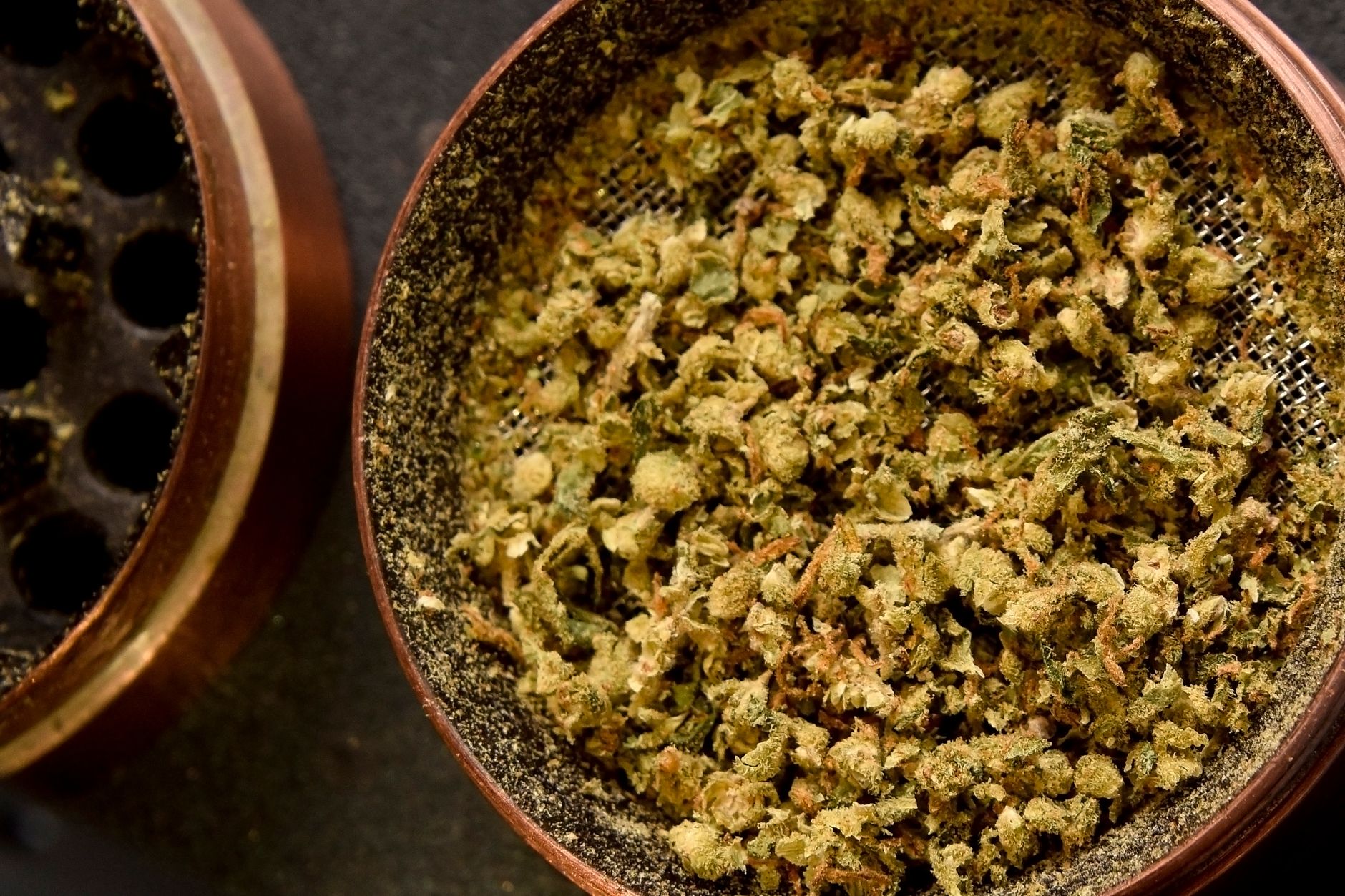
And let’s talk about THCA vs THC while we’re here, because this trips people up too. THCA is the raw, non-psychoactive form of THC found in fresh cannabis flower. When you apply heat (smoking, vaping, cooking), THCA converts to delta-9 THC. It’s a natural process. That’s completely different from the synthetic chemical conversion used to turn CBD into delta-8. One is the plant doing its thing. The other is a laboratory process that, when done poorly, can leave behind harmful byproducts.
Why Full Spectrum Delta-9 Products Beat Delta-8 for Most DC Patients
Look, I’m not here to demonize delta-8 THC entirely. For someone who’s extremely THC-sensitive and wants the mildest possible psychoactive experience, it has a narrow use case. But for the vast majority of medical cannabis patients I work with — folks in Shaw dealing with insomnia, patients over in Capitol Hill managing chemo side effects, people commuting through the U Street Corridor who need evening pain relief — full spectrum delta-9 cannabis products are simply more effective.
Here’s why. Full spectrum cannabis contains not just THC but a complete profile of cannabinoids, terpenes, and flavonoids that work together. Limonene for mood. Linalool for calm. Pinene for focus. Myrcene for sedation. These compounds amplify each other. A Motorbreath tincture with its heavy myrcene and caryophyllene profile, for example, is going to deliver more meaningful pain and sleep benefits than any delta-8 product I’ve ever seen (and I’ve looked at a lot of them).
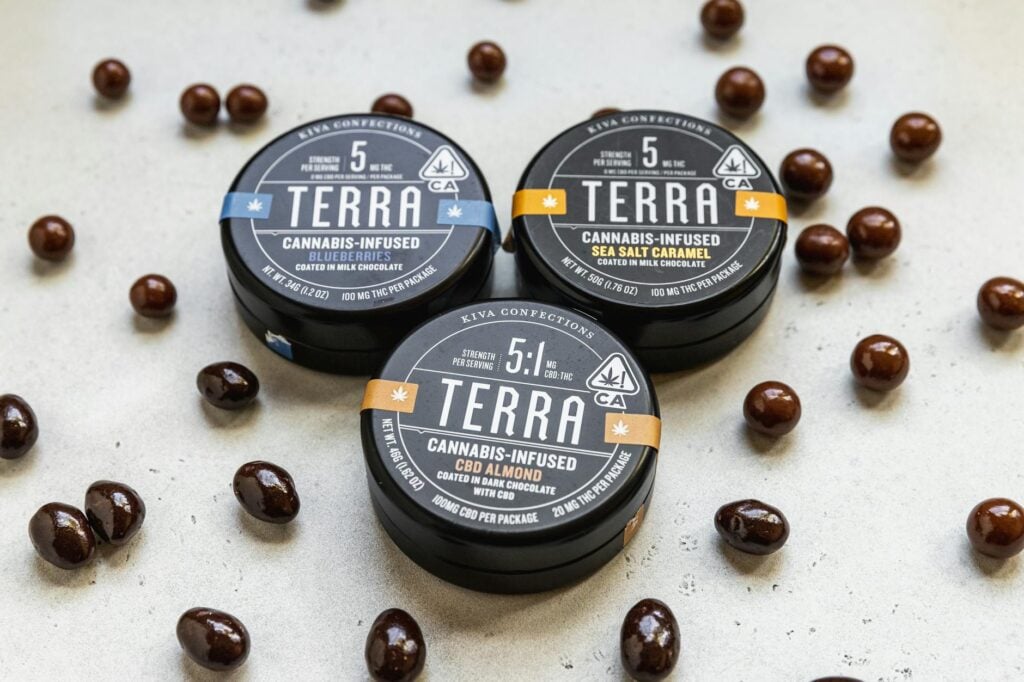
Cannabis edibles are another area where the delta-8 vs delta-9 distinction really matters. A lab tested THC chocolate edible from our menu has a precise 10mg delta-9 dose per piece. You know exactly what you’re getting. With unregulated delta-8 edibles, independent lab analyses have repeatedly shown that actual cannabinoid content can vary wildly from what the packaging claims — sometimes by 50% or more. For a medical patient who needs consistent dosing, that’s unacceptable.
Same goes for cannabis vape products. Our Khalifa Kush cured resin cartridge is tested for everything — potency, terpenes, contaminants. It’s full spectrum, meaning you’re getting the whole plant’s benefit in every pull. Compare that to a delta-8 vape cart from an unregulated source, and there’s no contest in terms of safety or effectiveness.
Getting Your DC Medical Cannabis Card: It’s Easier Than You Think
If you’ve been buying delta-8 because you assumed getting a medical cannabis card in DC was expensive or complicated, I’ve got great news. It’s neither. The ABCA runs DC’s medical cannabis program, and they’ve made self-certification available to anyone 21 or older. No doctor visit needed. No fee. You fill out the application on the ABCA medical cannabis program website, and it takes about two minutes (seriously, two minutes). That’s it.
The number-one concern I hear from patients — especially the ones who work for the federal government or government contractors — is privacy. Will my employer find out? The answer is no. ABCA does not share your patient data with employers, federal agencies, or anyone else. Your registration is protected. Zero career risk. I’ve had patients from every agency you can think of walk through our door on Connecticut Avenue, and their jobs have never been affected (no judgment, everyone asks).
Once you’re registered, you have access to every product at a licensed DC marijuana dispensary — lab tested flower, concentrates, edibles, tinctures, vapes, RSO. Products made from real cannabis, not synthesized in a lab from industrial hemp. If you want to learn more about the process, we’ve got a full breakdown on how to get a DC med card.
So Should You Choose Delta-8 or Delta-9 THC?
My honest recommendation? If you’re a medical cannabis patient in DC or considering becoming one, skip the delta-8 products from unregulated sources. Get your card through ABCA. Walk into a licensed dispensary. Talk to a budtender who can match you with the right strain, the right terpene profile, and the right product format for your specific needs. That’s what we do every day at MrGreen DC.
If you’re curious about what is delta-8 THC and whether it might have a place in your routine, that’s a conversation worth having in person. But nine times out of ten, once patients try properly grown, lab tested, full spectrum delta-9 products, they don’t look back. The quality difference is night and day. Check out our cannabis terpenes guide to understand why specific terpene profiles matter just as much as THC percentage.
Now that you understand what is delta-8 THC and how it stacks up against delta-9 for medical use, the next step is easy. Come see us at MrGreen DC on Connecticut Avenue NW — we’re right near Dupont Circle — and let our budtenders help you find the right product for what you’re dealing with. Not sure about the drive? We offer cannabis delivery throughout DC, including Dupont Circle, Capitol Hill, and Shaw. Browse our cannabis menu online, or just stop by. We’re here to help you make the switch from guesswork to real medicine.