What is CBD? MrGreen DC budtenders explain CBD benefits, dosing, THC vs CBD, and full spectrum vs isolate for DC medical cannabis patients. Visit us on Connecticut Ave.
● mrgreendc.com
4302 Connecticut Avenue NW, Washington DC
So, what is CBD? It’s the question I hear most often behind the counter at our dispensary on Connecticut Avenue — and honestly, most people already know something about cannabidiol, they just aren’t sure if what they know is actually right. I had a medical cannabis patient come in last month, a government employee from Dupont Circle, convinced that CBD was basically a placebo and that only THC “did anything.” Twenty minutes later, after we talked through how CBD benefits work in combination with THC, she left with a balanced cannabis tincture and texted me two days later saying her shoulder pain was finally manageable for the first time in months. That’s not magic. That’s just good information meeting the right product. In this guide, I’ll break down exactly how CBD works, how it’s different from THC, how to dose it, and what DC medical cannabis patients actually need to know — no corporate fluff, no recycled Wikipedia paragraphs.
What Is CBD, Really? And Why Should DC Medical Cannabis Patients Care?
CBD — short for cannabidiol — is one of over a hundred cannabinoids found in the cannabis plant. It doesn’t get you high. That’s THC’s job. But calling CBD “the non-psychoactive one” and leaving it at that is like calling a car battery “the part that isn’t the engine.” It’s doing way more than people give it credit for.
CBD interacts with your body’s endocannabinoid system, specifically CB1 and CB2 receptors, but it doesn’t bind to them the way THC does. Instead, it modulates those receptors — turning the volume up or down on signals your body is already sending. That’s a big part of why CBD for anxiety, CBD for pain, and CBD for sleep have all picked up so much interest. It’s not introducing a foreign feeling. It’s adjusting what’s already happening inside you.
Here’s the thing: most of the CBD products you see at gas stations, corner stores, and random online shops aren’t regulated anywhere near the level of what you’ll find at a licensed medical dispensary in Washington DC. The stuff on our shelves has been tested. It has a certificate of analysis. You know exactly how many milligrams you’re getting. That matters more than most people realize, especially if you’re a medical cannabis patient in DC using CBD for a real condition.
THC vs CBD: What’s the Actual Difference?
I get the THC vs CBD question almost daily. They’re both cannabinoids. They both come from the same plant. But they behave very differently once they’re in your system.
THC is psychoactive — it produces the “high.” CBD isn’t. But that doesn’t mean CBD is weak or inactive. Think of it this way: THC is the accelerator. CBD is the steering wheel. One pushes the experience forward; the other shapes the direction it goes. A lot of patients, especially those new to medical cannabis in DC, don’t want to feel impaired. They want relief. CBD gives them a way to get it without the head change, or with a much smaller one when combined properly with THC.
Does CBD actually counteract THC? Sort of. Research suggests that CBD can blunt some of THC’s less desirable effects — the paranoia, the racing thoughts, the “I ate too much edible and now I think my neighbors can hear my heartbeat” feeling. It won’t completely cancel a THC high, but balanced THC CBD products tend to produce a smoother, more functional experience. That’s why a lot of our patients in Adams Morgan and Shaw specifically ask for ratios like 1:1 or 2:1 CBD to THC.

Full Spectrum vs Isolate vs Broad Spectrum CBD — Which One Do You Actually Want?
This is where people’s eyes start to glaze over, but stick with me because it matters for your results.
CBD isolate is pure cannabidiol. Nothing else. No other cannabinoids, no terpenes, no THC. It’s the white powder of the CBD world. Some patients prefer it because they genuinely want zero THC in their system (no judgment, everyone asks). But isolate misses out on something important.
Full spectrum CBD contains CBD plus all the other naturally occurring cannabinoids, terpenes, and flavonoids from the plant — including a small amount of THC (usually under 0.3% in hemp-derived products, or higher in products from a licensed DC medical dispensary). This is where the entourage effect comes in. The idea is simple: cannabinoids and terpenes work better together than alone. Myrcene enhances sedation. Limonene lifts mood. Caryophyllene acts as an anti-inflammatory. Linalool promotes calm. When they’re all present alongside CBD, the overall effect is greater than any single compound by itself. If you want to geek out on terpenes, check out our cannabis terpenes guide.
Broad spectrum CBD is the middle ground — everything from full spectrum minus the THC. It’s a decent option if you want some entourage effect without any THC exposure.
My actual recommendation? If you’re a medical cannabis patient in DC and you don’t have a specific reason to avoid THC entirely, go full spectrum. You’ll get more benefit per milligram. Period. I’ve watched dozens of patients switch from isolate to full spectrum and report better results at lower doses. That’s the entourage effect doing its thing — not marketing hype, just plant chemistry.
CBD Dosage Guide: How Much Should You Take?
Honestly, this is where I wish I could give you a neat chart with your weight and a magic number. I can’t. CBD dosing is personal. But I can give you a framework that works for almost everyone.
How Much CBD Should a Beginner Take?
Start low. I mean genuinely low — 10 to 15 milligrams. Take it at the same time each day for at least a week before you change anything. CBD isn’t like ibuprofen. You won’t always feel it working within an hour. Some patients notice effects immediately; others need consistent dosing for several days before the benefits build up.
After a week, bump up by 5mg increments. Most patients I work with land somewhere between 25mg and 50mg per day for general wellness — anxiety, mild pain, sleep support. Patients dealing with more intense conditions sometimes go higher, but that’s a conversation you should have with a budtender who can look at your specific situation. Microdosing cannabis with CBD is a real strategy, too. Taking small amounts (5 to 10mg) multiple times a day often works better than one big dose, especially for sustained anxiety relief.
Does CBD Dosage Depend on the Product Format?
Absolutely. Cannabis bioavailability varies dramatically by delivery method. A cannabis tincture dropped under your tongue hits faster (15–30 minutes) and delivers more CBD to your bloodstream than an edible, which has to pass through your digestive system and liver first — losing potency along the way. Vaping or smoking CBD-rich flower delivers effects almost instantly but wears off quicker. Edibles take longer to kick in (seriously, sometimes 90 minutes) but last much longer.
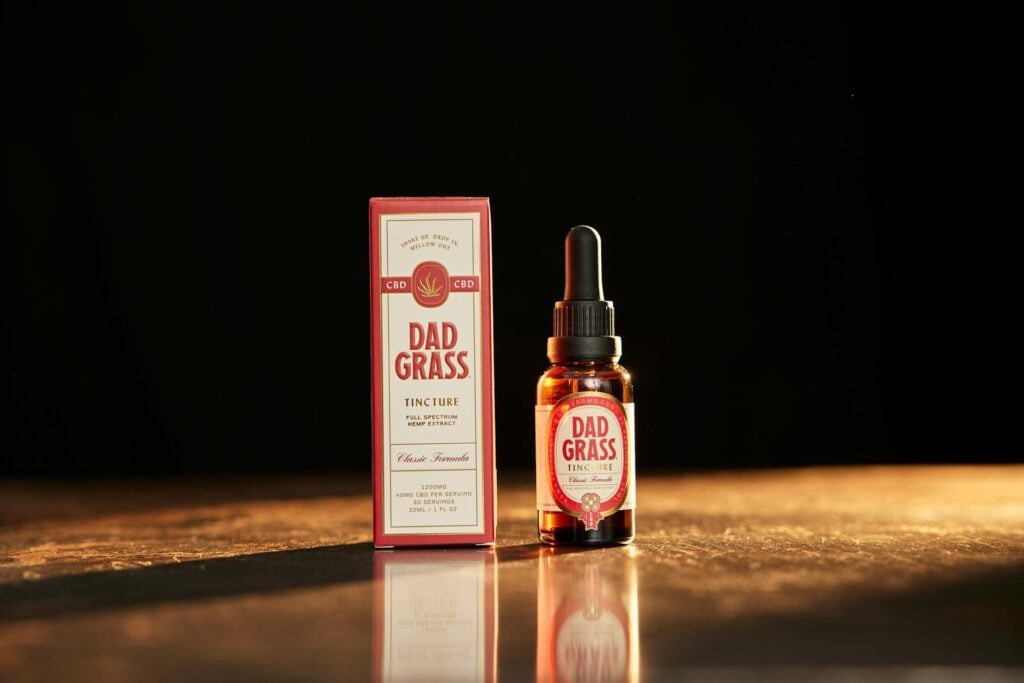
For patients looking for precise dosing, I usually recommend starting with a tincture. Something like our Motorbreath double-strength tincture gives you control over every milligram. Droppers have measurements. You can dial it in exactly. Edibles like our THC chocolate edibles are great once you know your dose, but they’re harder to fine-tune when you’re still figuring things out.
CBD for Anxiety, Pain, and Sleep: What the Science and My Patients Actually Say
Look, I’m a budtender, not a doctor. I don’t diagnose anything. But I’ve spent six years in the DC cannabis industry listening to patients describe their experiences, and patterns emerge.
CBD for Anxiety
This is the number one reason people walk through our door asking about CBD. Patients from Capitol Hill, Logan Circle, U Street — it doesn’t matter the neighborhood. Anxiety is universal in this city. Most of them have tried traditional medications and either didn’t like the side effects or wanted something additional. CBD, especially full spectrum products with linalool and limonene in the terpene profile, tends to take the edge off without sedation. A 25mg dose in the morning is a common sweet spot I hear about repeatedly.
CBD for Pain
CBD for pain relief usually requires higher doses than anxiety — think 40 to 60mg, sometimes more. Caryophyllene-rich strains and products seem to perform best here, since that terpene has its own anti-inflammatory properties. Balanced THC CBD products often outperform CBD alone for pain because THC has its own analgesic effects. The two together can be genuinely powerful.
CBD for Sleep
CBD for sleep is interesting because CBD by itself isn’t necessarily sedating. It’s calming. For a lot of people, their sleep problem is an anxiety problem — they can’t turn their brain off. CBD helps with that. But if you need actual sedation, you want CBD paired with myrcene-heavy products or a balanced THC CBD ratio that includes enough THC to promote drowsiness. A 1:1 tincture taken 45 minutes before bed is one of the most effective combos I recommend.
Getting Your DC Medical Cannabis Card Is Easier Than You Think
If you’re in DC and you’re 21 or older, getting your medical cannabis card through the ABCA medical cannabis program is dead simple. DC uses a self-certification process — you don’t need a doctor’s visit, there’s no fee, and the whole thing takes about two minutes on the ABCA website. You self-certify that you have a qualifying condition, and that’s it.
The question I get from nearly every federal employee and government contractor: “Will my employer find out?” No. The ABCA does not share your patient data with employers, federal agencies, or anyone else. Your registration is protected. Zero career risk. I can’t tell you how many patients from around Dupont Circle and Columbia Heights have walked in relieved after learning that (yes, even your employer won’t know). If you want more details on the process, we’ve got a full walkthrough on how to get a DC med card.

Now you know what is CBD, how it differs from THC, and why the format and spectrum of your product matters just as much as the dose. The most common mistake I see? People buying random CBD isolate from a non-dispensary source, taking a random dose, feeling nothing, and concluding CBD doesn’t work. It does work — you just need the right product, the right dose, and someone who actually knows what they’re talking about to point you in the right direction. That’s literally what we do every day at MrGreen DC on Connecticut Avenue NW. Come by the shop, browse our cannabis menu, or set up cannabis delivery straight to your door anywhere in DC. We’re here to help you find what actually works — not just what’s trending.