
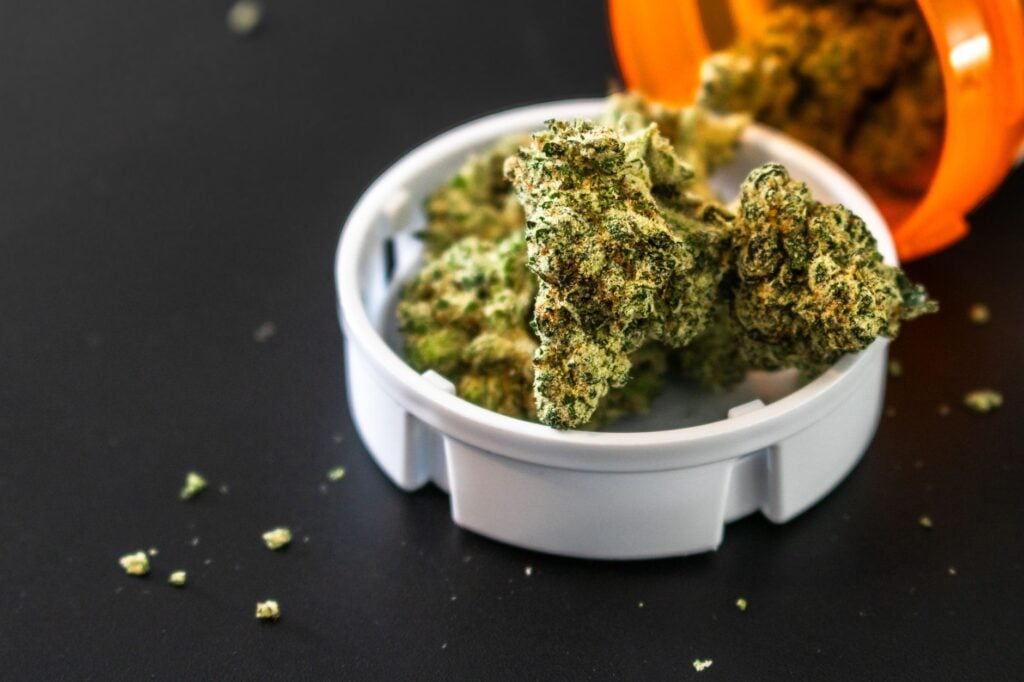
Learn to read cannabis label info like a pro — THC percentages, terpenes, COAs & more. MrGreen DC budtenders break it down. Visit us on Connecticut Ave.
● mrgreendc.com
4302 Connecticut Avenue NW, Washington DC
Learning to read cannabis label information is one of the single most useful things you can do as a medical patient in DC — and almost nobody does it. I get it. You walk into a medical dispensary in Washington DC, stare at a jar or a pouch, and your eyes glaze over somewhere between “total cannabinoids” and “batch number.” I had a patient come in last month — a retired teacher from Capitol Hill who’d been buying cannabis for over a year — and she told me she’d never once looked past the strain name. She just picked whatever sounded cool. That’s not her fault. Nobody taught her what any of it means. So that’s what we’re doing today. I’m going to walk you through every section of a cannabis product label, from THC percentages to certificates of analysis, so you can actually shop with confidence.
THC Percentages and CBD Ratios: What Cannabis Potency Testing Actually Tells You
Let’s start with the numbers everyone fixates on. THC percentage. It’s right there on the front of most packaging, bold and impossible to miss, and it’s probably the most misunderstood number in the entire industry.
Here’s the thing: a higher THC percentage doesn’t automatically mean a better experience. I know that sounds counterintuitive. The most common question I get behind the counter is “What’s the strongest thing you’ve got?” And I always pump the brakes. Cannabis potency testing measures the concentration of THC (and other cannabinoids) in a given sample, but that number alone won’t tell you how the product will actually make you feel. A 20% THC flower with a killer terpene profile can hit harder and feel more satisfying than a 30% THC flower that’s been poorly cured.
When you read cannabis label details, here’s what to look for in the cannabinoid section:
- THC (or delta-9-THC): The primary psychoactive compound. Listed as a percentage for flower and concentrates, or in milligrams for edibles and tinctures.
- THCA: The raw, non-psychoactive precursor to THC. When you smoke or vape, heat converts THCA into THC. If you see a high THCA number and a low THC number on flower, that’s totally normal.
- Total THC: This is the number that matters most. It accounts for the THCA-to-THC conversion. The math is roughly: Total THC = THC + (THCA × 0.877).
- CBD: Non-psychoactive, anti-inflammatory, calms anxiety for a lot of patients. If you’re looking at THC vs CBD ratios, a 1:1 product gives balanced effects — less head buzz, more body relief.
- Total Cannabinoids: The sum of everything detectable — THC, CBD, CBN, CBG, and minor cannabinoids. Full spectrum cannabis products will have a wider range here.
So what ratio should you pick? If you’re a medical cannabis DC patient dealing with pain but you still need to function during the day, I’d steer you toward something with a measurable CBD content — maybe a 2:1 or even a 4:1 THC-to-CBD ratio. Pure high-THC products are great for some people, but they’re not the only option. Check our cannabis menu and you’ll notice we list cannabinoid breakdowns because we think you deserve to know what you’re buying.
Terpene Profiles: Why They Matter More Than You Think
If THC is the engine, terpenes are the steering wheel. They determine where the ride goes. And yet most patients skip right past the terpene profile on a label — if there even is one.
Terpenes are aromatic compounds found in all plants, not just cannabis. They’re what makes a lemon smell like a lemon and a pine tree smell like a pine tree. In cannabis, they do more than create flavor. They actively shape your experience through something researchers call the entourage effect — the idea that cannabinoids and terpenes work better together than any single compound does alone.
Here are the big five you’ll see on lab tested cannabis DC products:
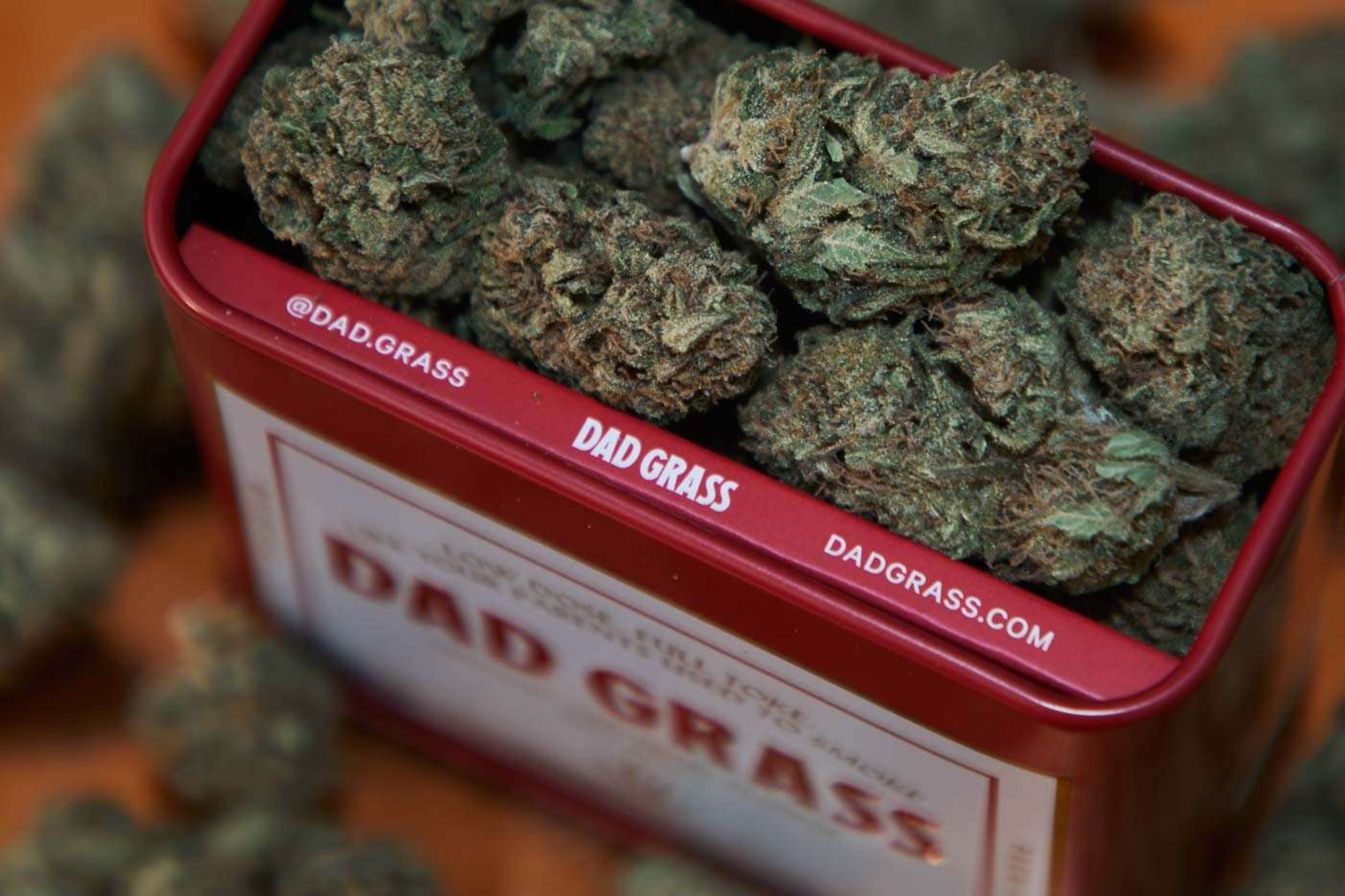
- Myrcene: Earthy, musky, herbal. The most common terpene in cannabis. Associated with relaxation and sedation. If a strain knocks you out, myrcene is probably why.
- Limonene: Citrusy and bright. Tends to elevate mood. Great for daytime use or patients managing stress.
- Caryophyllene: Peppery, spicy. The only terpene that also acts on your CB2 receptors, which means it may have anti-inflammatory properties on its own. I recommend caryophyllene-dominant strains to patients with chronic pain all the time.
- Linalool: Floral, lavender-like. Calming. Shows up in strains people reach for when they can’t sleep.
- Pinene: Exactly what it sounds like — pine trees. Associated with alertness and may help counteract some of THC’s short-term memory effects.
When you read cannabis label terpene data, you’ll usually see percentages listed from highest to lowest. The dominant terpene (or top two) tells you the most about what to expect. A strain with 1.2% myrcene and 0.8% linalool? That’s a bedtime strain. One with limonene on top and pinene close behind? You’re looking at a productive, clear-headed session. For a deeper breakdown, check out our cannabis terpenes guide.
Honestly, once you start paying attention to terpenes instead of just THC numbers, your whole relationship with cannabis changes. I’ve watched it happen hundreds of times.
Myrcene:
What Is a COA? Understanding Third Party Lab Testing Cannabis
COA stands for Certificate of Analysis, and it’s arguably the most important document associated with any cannabis product you buy. Think of it as the product’s report card from an independent lab.
Third party lab testing cannabis means a licensed, independent laboratory — not the grower, not the dispensary — tests the product and issues results. In DC, the ABCA (Alcoholic Beverage and Cannabis Administration) requires that products sold through licensed dispensaries undergo this testing. That’s a big deal. It’s one of the main reasons buying from a licensed cannabis dispensary in DC is worth it — you know what’s actually in the product.
What Does a Certificate of Analysis Cannabis Report Include?
A standard COA covers several categories:
- Cannabinoid Potency: Exact percentages of THC, CBD, CBG, CBN, and other cannabinoids. This is where the numbers on your product label come from.
- Terpene Analysis: A breakdown of the terpene profile by percentage. Not every COA includes this, but the good ones do.
- Pesticide Screening: Tests for hundreds of pesticide compounds. A pass means none were detected above allowable limits.
- Heavy Metal Testing: Checks for lead, arsenic, cadmium, and mercury. Cannabis is a bioaccumulator — it pulls stuff from the soil — so this matters.
- Microbial Contaminants: Tests for mold, yeast, E. coli, and salmonella. Especially important for immunocompromised patients.
- Residual Solvents: Applies to concentrates and extracts. Makes sure no harmful chemicals from the extraction process are left behind.
- Moisture Content: Relevant for flower. Too much moisture means mold risk; too little means harsh, degraded product.
When you’re trying to figure out how to read a cannabis label properly, the COA is your verification layer. The label summarizes it. The COA proves it. At MrGreen DC, if you ever want to see the full lab results for something on our shelf, just ask (seriously, two minutes and we’ll pull it up). That level of transparency is what separates a real medical program from guesswork.
Decoding the Rest of the Packaging: Batch Numbers, Dates, and Serving Info
Beyond cannabinoids and terpenes, there’s a bunch of other stuff printed on cannabis packaging that patients tend to ignore. Don’t. Some of it is genuinely useful.
Harvest and Packaging Dates
Freshness matters. Cannabis degrades over time — THC slowly converts to CBN, terpenes evaporate, and flower loses potency. If you’re buying flower, look for a harvest date within the last few months. Anything older than six months should give you pause. Concentrates and edibles have longer shelf lives, but you still want to check.
Batch and Lot Numbers
These might seem like meaningless codes, but they tie your specific product back to the exact COA from the lab. If there’s ever a recall or quality issue, the batch number is how you (and the dispensary) trace it. Think of it like the serial number on, well, anything important.
Serving Size and Dosage Information
This is critical for edibles and tinctures. DC medical products will tell you the total milligrams of THC in the package and the milligrams per serving. A chocolate bar with 100mg total and 10 pieces means 10mg per piece. That distinction matters a lot (no judgment, everyone asks). New patients should start at 5mg or less and wait at least two hours before taking more.
Strain Name and Type Classification
Most labels will say indica, sativa, or hybrid. These categories are increasingly considered outdated by cannabis scientists, but they’re still a rough starting point. I tell my patients in Adams Morgan and Dupont Circle the same thing: pay more attention to the actual terpene and cannabinoid data than the indica/sativa label. The chemical profile tells you way more than a category that’s basically marketing at this point.
What’s on the Dispensary Menu Explained
When you’re browsing a dispensary menu — online or in-store — you’re seeing a condensed version of all this label information. THC percentage, strain name, product type, maybe a terpene or two. It’s a starting point, not the full picture. Always read the actual label when you’ve got the product in hand. The dispensary menu explained in shorthand doesn’t replace what the packaging tells you in detail.
Your DC Medical Cannabis Card: How Self-Certification Works and Why Your Info Stays Private
To buy from a licensed dispensary like MrGreen DC and access properly labeled, lab tested cannabis, you need a DC medical cannabis card. And getting one is way easier than most people think.
DC uses a self-certification process through the ABCA medical cannabis program. Here’s how it works:
- You must be 21 or older.
- Go to the ABCA website and fill out the self-certification form online.
- No doctor’s visit required. No fee. It takes about two minutes.
- You’ll receive your temporary card, and you can start purchasing from any DC medical dispensary.
Look, I know the concern that stops a lot of people — especially folks working federal jobs on Capitol Hill or in Shaw — is the privacy question. ABCA does not share your patient data with employers, federal agencies, or anyone else. Period. Your registration is protected. There’s zero career risk from getting your medical cannabis patient DC card. We’ve got patients from every neighborhood and every profession, and their information stays exactly where it should: confidential.
If you need help with the process, our guide to getting a DC med card walks you through it step by step.
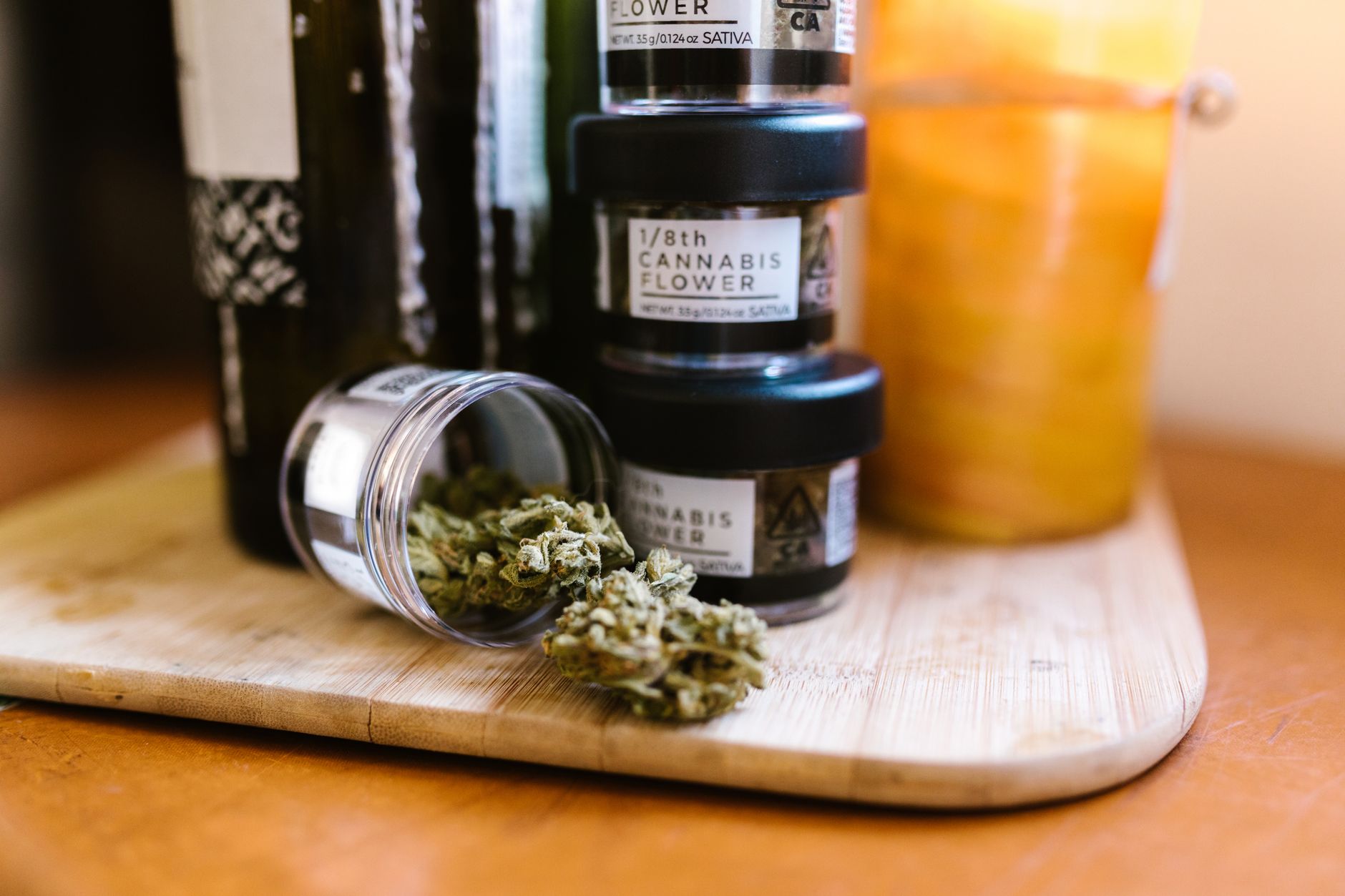
Once you learn to read cannabis label information — really read it, not just glance at the THC number and move on — you start making choices based on data instead of guesswork. You pick strains that actually match your symptoms. You understand why one product works and another doesn’t. You stop overpaying for high-THC flower that doesn’t do what you need it to do. That’s the kind of informed decision-making that makes the medical cannabis program actually work for you.
We’re here for exactly this kind of thing. Whether you want to stop by our shop on Connecticut Avenue NW, give us a call through our contact page, or order through our DC cannabis delivery service — including deliveries to Dupont Circle, Capitol Hill, Shaw, and everywhere else in DC — our budtenders are happy to walk you through any label, pull up a COA, or help you find the right product for what you’re dealing with. That’s literally why we’re here. Shop Now — MrGreen DC menu and see the difference real transparency makes.