
How long does THC stay in your system? DC budtender breaks down detection windows for urine, blood, hair & saliva tests. Visit MrGreen DC on Connecticut Ave.
● mrgreendc.com
4302 Connecticut Avenue NW, Washington DC
“How long does THC stay in your system?” — it’s the most common question I get behind the counter at MrGreen DC dispensary on Connecticut Avenue. Not what strain hits hardest, not what terpenes help with sleep. This one. I had a patient come in last month — a Capitol Hill government contractor — visibly stressed because he’d used a tincture for back pain over the weekend and had a random screening on Thursday. He didn’t know if he was in trouble or not. That conversation lasted twenty minutes, and honestly, I wish I could hand every patient an article that covered it all: detection windows for every test type, what THC actually is, how your body breaks it down, and why two people can use the same product and get wildly different results. So here it is.
What Is THC and How Does Your Body Actually Process It?
Let’s start at the beginning. THC — delta-9-tetrahydrocannabinol — is the primary psychoactive compound in cannabis. It’s what gets you high. But here’s what most people don’t realize: your body doesn’t just flush THC out like alcohol. It’s fat-soluble, which means it gets absorbed into your fat cells and released back into your bloodstream gradually over days or even weeks. That’s the fundamental reason how long THC stays in your system varies so dramatically from person to person.
When you inhale flower or a cartridge, THC enters your bloodstream through your lungs almost instantly. Cannabis bioavailability through smoking runs somewhere between 15% and 35% — meaning that’s the portion of THC that actually makes it into your blood. Your liver then converts THC into a metabolite called THC-COOH, and that’s the compound most drug tests are actually looking for. Not the THC itself.
Edibles vs smoking is a completely different story for metabolism. When you eat a THC chocolate edible, it passes through your digestive system and liver first. Your liver converts the THC into 11-hydroxy-THC, which is actually more potent and longer-lasting than regular delta-9. That’s why edible highs feel different — and why they can linger in your system longer. The cannabis bioavailability of edibles is lower (around 4–12%), but the metabolites stick around because the processing is slower and more thorough.
THC vs CBD — Does CBD Show Up on Drug Tests?
People ask me this daily (no judgment, everyone asks). Short answer: pure CBD won’t trigger a standard drug test. Those tests screen for THC-COOH, not CBD metabolites. But — and this is important — full-spectrum CBD products can contain trace amounts of THC, sometimes enough to accumulate over time. If you’re worried about a screening, stick to isolate-based CBD products or talk to your budtender about the cannabinoid profile of what you’re buying. We can pull up lab results right at the counter.
Detection Windows: Urine, Blood, Hair, and Saliva Tests Explained
Here’s the thing: does cannabis show up on a drug test? Yes. But the window in which it shows up depends entirely on the test type, your usage frequency, your body composition, and your metabolism. Let me break it down by test.
Urine Tests — The Most Common Screening
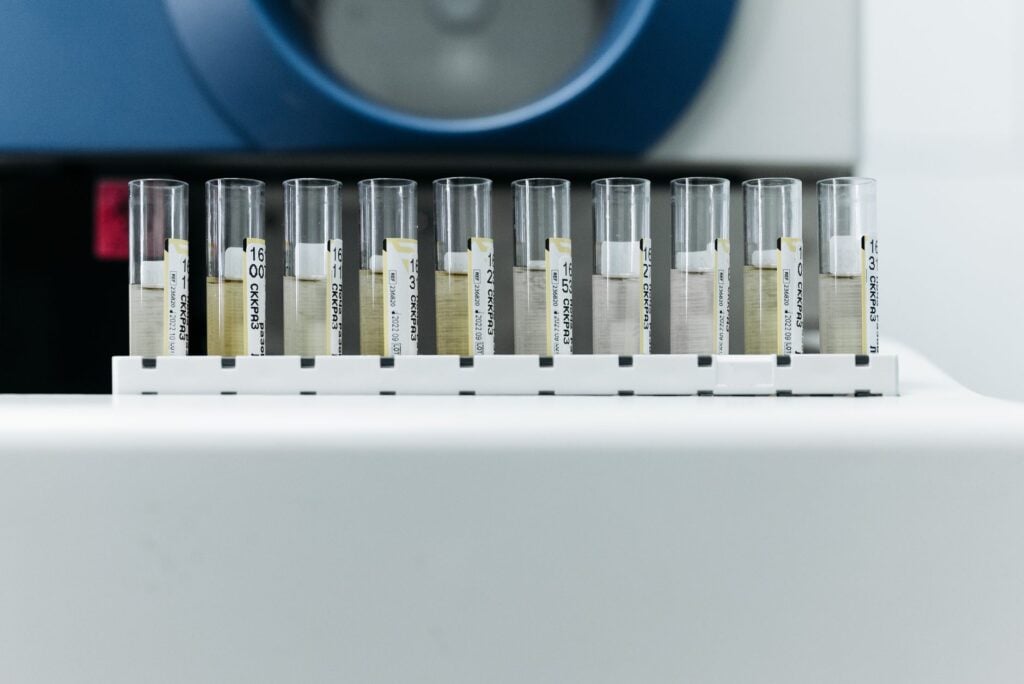
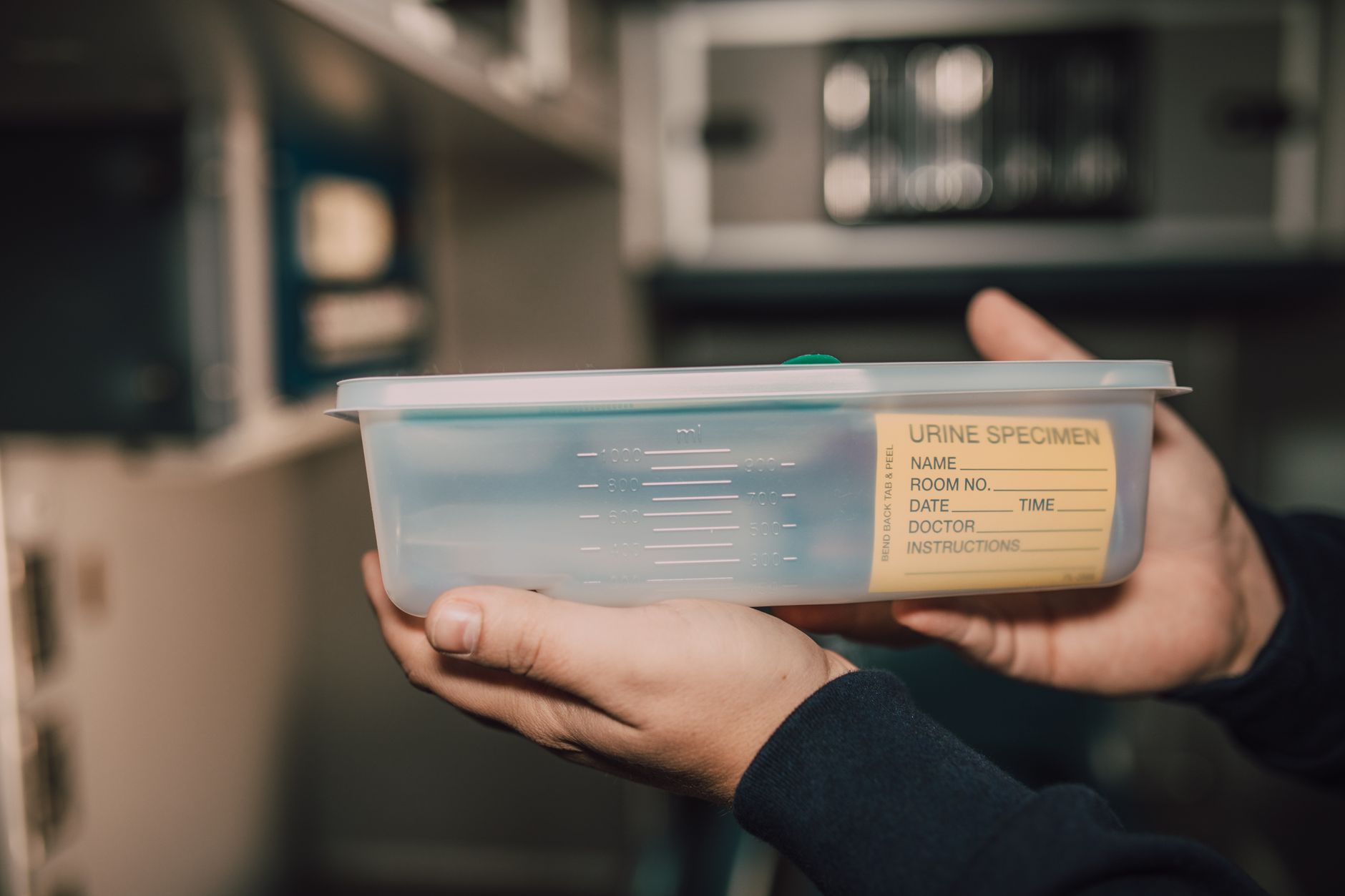
About 90% of workplace drug tests are urine-based. They’re cheap, easy to administer, and reasonably accurate. Here’s what you’re looking at for detection windows:
- Single use (once in 30+ days): detectable for roughly 3–4 days
- Moderate use (a few times per week): 5–7 days
- Daily use: 10–15 days
- Heavy daily use (multiple sessions per day): 30 days or more — sometimes up to 45–90 days in extreme cases
Cannabis tolerance plays a role here too, but not how you’d hope. Someone with high tolerance doesn’t clear THC faster — they usually have more THC stored in fat tissue because they’re consuming more frequently. Body fat percentage is actually one of the biggest variables. A lean person with fast metabolism can clear metabolites significantly faster than someone carrying extra weight, even if their consumption patterns are identical.
Blood Tests
Blood tests detect active THC, not just metabolites. That makes them better for determining recent impairment rather than past use. THC typically clears from blood within 1–2 days for occasional users and up to 7 days for heavy users. These are less common for employment screening but sometimes used in legal or medical contexts.
Hair Follicle Tests
This is the one that scares people. Hair tests can detect THC metabolites for up to 90 days — three full months. The standard test uses the 1.5 inches of hair closest to the scalp, and since hair grows about half an inch per month, that covers roughly a 90-day window. I won’t sugarcoat it: if you’re facing a hair test and you’ve consumed cannabis in the last three months, it’ll probably show up. There aren’t reliable shortcuts around this one despite what the internet tells you.
Saliva Tests
Saliva (oral fluid) tests are becoming more popular, especially for roadside screenings. They detect parent THC rather than metabolites, so they have the shortest window: typically 24–72 hours after last use. For an occasional user, you’re probably clear after a day. Heavy users might test positive for up to a week, but that’s less common.
Single use (once in 30+ days):
What Factors Actually Change How Long THC Stays in Your System?
I’ve seen two patients with nearly identical usage — same strain, same frequency, same dosage — get completely different results on screening timelines. That’s because how long does THC stay in your system isn’t a fixed number. It’s influenced by a stack of biological and behavioral factors.
Body Fat and Metabolism
Since THC is lipophilic (it loves fat), people with higher body fat percentages store more THC metabolites for longer periods. Exercise can actually release stored THC back into your bloodstream temporarily — so ironically, hitting the gym right before a drug test can work against you. If you’ve got a test coming up, avoid intense cardio in the 24–48 hours beforehand.
Consumption Method: Edibles vs Smoking vs Tinctures
Your consumption method directly affects how your body processes THC. Smoking or vaping a Khalifa Kush cartridge produces a faster onset and shorter duration — how long does a cannabis high last from smoking? Typically 1–3 hours. Edibles take 45 minutes to 2 hours to kick in but can last 4–8 hours. A Motorbreath tincture falls somewhere in between depending on whether you hold it sublingually or swallow it.
The longer the high lasts, the longer your body spends metabolizing those compounds, and generally the wider your detection window becomes. That’s why I tell patients in Shaw and Dupont Circle who are managing workplace testing to think carefully about which delivery method makes sense for their situation.
Frequency and Cannabis Tolerance
This is the single biggest factor. A medical cannabis patient in DC who uses daily for chronic pain is going to have a much longer detection window than someone who uses once a month for insomnia. THC builds up in your system cumulatively. Regular use means your fat cells are constantly being replenished with fresh metabolites before old ones fully clear. That’s just how the pharmacology works.
Cannabis Drug Interactions and Other Variables
Some medications affect how your liver processes THC. CYP450 enzymes — specifically CYP3A4 and CYP2C9 — are responsible for metabolizing THC, and certain prescription drugs can slow those enzymes down. If you’re taking ketoconazole, fluoxetine, or certain blood pressure medications, your body might process THC more slowly than average. Always tell your budtender and your doctor what else you’re taking. Cannabis drug interactions are real, and they can affect both your experience and your test results.
Cannabis Withdrawal: What Happens When You Stop
Honestly, this doesn’t get talked about enough in the cannabis community. Cannabis withdrawal is real, but it’s not dangerous in the way alcohol or benzodiazepine withdrawal can be. If you’ve been a daily or heavy user and you stop abruptly — maybe because you’ve got a test coming up — you might experience irritability, trouble sleeping, reduced appetite, and mild anxiety for the first 1–2 weeks. It peaks around day 3–4 and then fades.
Strains high in myrcene and linalool (the same terpenes that make cannabis relaxing) tend to produce slightly more noticeable withdrawal effects for heavy users simply because your endocannabinoid system has adapted to that constant sedative input. It’s not medical emergency territory, but it’s worth knowing so you’re not caught off guard. Check out our cannabis terpenes guide to understand what you’re consuming.
Your DC Medical Marijuana Card and ABCA Patient Privacy
Look, I know what’s really driving this question for a lot of our patients. You work on the Hill, you work for a federal contractor, you’re in Logan Circle pulling long hours at some firm, and you’re worried that being a medical cannabis patient in DC could cost you your career. Let me put your mind at ease.
The DC medical marijuana card is managed by the ABCA (Alcoholic Beverage and Cannabis Administration). Getting one is straightforward: DC self-certification means anyone 21 or older can register online in about two minutes (seriously, two minutes). No doctor visit. No fee. You self-certify your qualifying condition right on the ABCA website and you’re done.
Here’s what matters most: ABCA does not share your patient data with employers, federal agencies, or anyone. Your registration is confidential. Your employer won’t know. A federal background check won’t reveal it. The patient protections are airtight, and ABCA enforces strict privacy standards. Zero career risk from getting your card.
That said — and I want to be direct about this — your card doesn’t protect you from a failed drug test at work. If your employer has a drug-free workplace policy, a positive result is a positive result regardless of your medical patient status. That’s why understanding how long does THC stay in your system is so critical for medical cannabis DC patients who face any kind of screening. Know your detection windows, plan accordingly, and choose products and dosing schedules that work within your real-world constraints.
Practical Tips From Behind the Counter
After six years in the DC cannabis industry, here’s my honest advice for patients worried about drug testing:
- Know your test type. Ask your employer or HR department what kind of screening they use. The detection window difference between saliva (24–72 hours) and hair (90 days) is enormous.
- Track your usage. Keep a simple note in your phone: date, product, dose. This isn’t paranoia — it’s information that helps you estimate your clearance time.
- Don’t trust detox drinks. Most of them don’t work. They might dilute your urine enough to trigger a retest, which just buys time, but they don’t actually accelerate THC metabolism. I’ve watched too many patients waste money on these.
- Hydration helps, but it’s not magic. Drinking water supports normal metabolic function, but chugging gallons of water before a test can flag your sample as diluted. Moderate and consistent hydration is the move.
- Consider your product choice. Lower-THC options and CBD-dominant strains produce fewer metabolites. If you’re a medical cannabis patient DC managing a condition while navigating testing, talk to us about products that minimize THC load while still being effective.
Browse our cannabis menu to see full cannabinoid and terpene profiles — caryophyllene-dominant and pinene-forward strains often pair with lower THC concentrations if that’s what you need right now.
Understanding how long does THC stay in your system isn’t just trivia — it’s essential information for any medical cannabis patient in DC who’s balancing treatment with real-world obligations. Whether you’re a daily user in Columbia Heights managing chronic pain or you tried an edible once at a friend’s place in Adams Morgan, your answer is going to be different. The science is clear, even when the timelines aren’t one-size-fits-all.
Got more questions? Come see us at MrGreen DC on Connecticut Avenue NW — our budtenders will walk you through product selection, dosing strategies, and anything else you need. Not close by? We offer cannabis delivery throughout DC, including Dupont Circle, Shaw, and Navy Yard. We’re here to help you use cannabis responsibly — and confidently.