
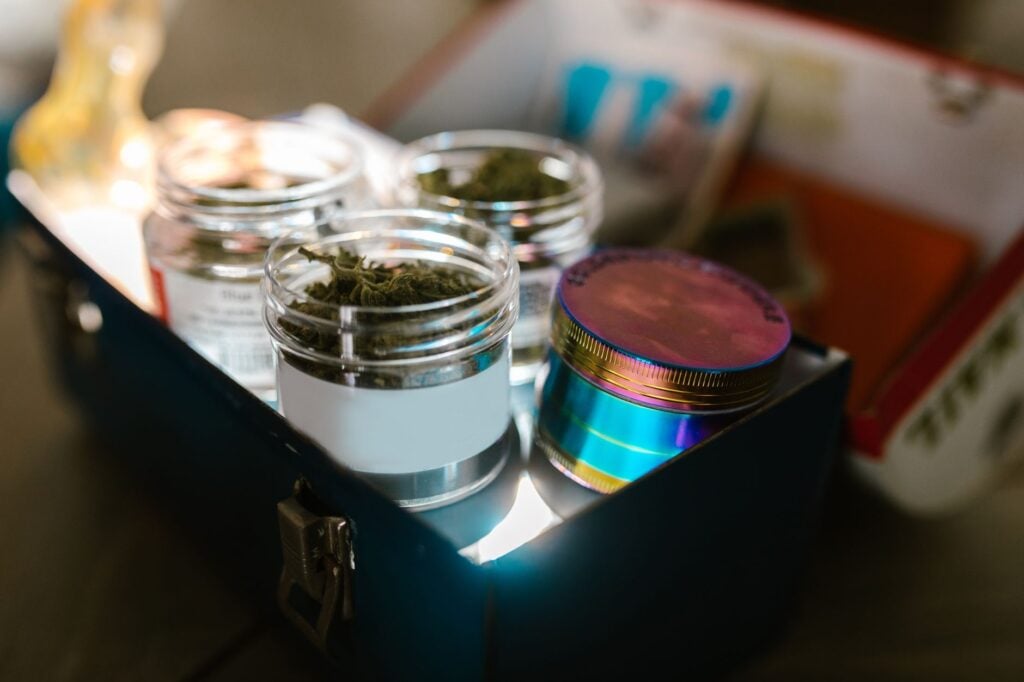
Plan your cannabis tolerance break the right way. DC budtender Marcus shares 5 proven steps to reset THC tolerance and get more from your medicine. Visit MrGreen DC.
● mrgreendc.com
4302 Connecticut Avenue NW, Washington DC
If you’re a medical cannabis patient in DC and your medicine just isn’t hitting like it used to, it might be time to consider a cannabis tolerance break. I hear this almost every day behind the counter — someone walks in, tells me they’ve been using the same strain at the same dose for months, and now they need twice as much to feel anything. Just last week, a patient from Dupont Circle came in genuinely frustrated. She’d gone from a single puff of flower before bed to ripping through a whole gram cartridge in three days, and her insomnia was still keeping her up past 2am. That’s not a product problem. That’s a tolerance problem. And the fix is simpler than most people think, even though the process can feel uncomfortable. In this guide, I’ll walk you through exactly when a T break from cannabis makes sense, what cannabis withdrawal actually looks and feels like (no, you won’t die), and how to come back to your medicine smarter so you get more relief from less product.
What Is Cannabis Tolerance, and Why Does It Happen?
Your body is annoyingly efficient at adapting. When you consume THC regularly, your CB1 receptors — the little docking stations in your brain that THC binds to — start to downregulate. They basically pull back inside the cell, like a turtle retreating into its shell. Fewer receptors available means you need more THC to get the same effect. That’s cannabis tolerance in a nutshell.
This isn’t a character flaw. It’s biology. Every medical cannabis patient in DC who uses consistently will build tolerance at some rate. Daily users build it faster. Concentrate users build it fastest. If you’ve been dabbing live sugar every morning for six months, your receptors are deep in that shell.
Here’s the thing: tolerance doesn’t just mean you need more to get high. For medical patients, it means your medicine stops managing your symptoms effectively. Pain creeps back. Anxiety returns. Sleep gets rough again. And the instinct is to increase your dose, which works temporarily — but you’re just chasing a moving target, spending more money, and digging the tolerance hole deeper.
The most common question I get behind the counter is some version of “is cannabis addictive?” The honest answer is that cannabis can create cannabis dependence — your body gets used to it and doesn’t love when you stop — but it’s not addictive the way opioids or alcohol are. You won’t seize. You won’t need medical supervision. You will, however, probably be irritable and have weird dreams for a few days. We’ll get into that.
When Should a Medical Cannabis DC Patient Take a T Break?
Not every patient needs a tolerance break. If you’re using cannabis for chronic pain and your current dose still works, don’t fix what isn’t broken. But there are clear signs it’s time to reset.
- Your dose has doubled (or more) in the last few months. This is the biggest red flag. If you’ve gone from 10mg edibles to needing 50mg for the same relief, your receptors are begging for a vacation.
- You’re not getting symptom relief anymore. Cannabis for insomnia should actually help you sleep. If it’s not working, more isn’t always the answer.
- You’re spending significantly more money. Medicine should be affordable. If your cannabis budget is creeping toward your rent, something needs to change.
- The effects feel “flat.” You consume, you feel something, but it’s muted. The terpene profiles you used to love — the limonene in your favorite sativa, the myrcene in that heavy indica — just don’t seem to do their thing anymore.
How long does a cannabis tolerance break need to be? Research suggests CB1 receptors begin recovering within 48 hours, and after about 2-4 weeks, most regular users’ receptor density is back to near-baseline levels. For a lot of my patients, even a 3-5 day break makes a noticeable difference. You don’t always need the full month that the internet insists on.

Your dose has doubled (or more) in the last few months.
Cannabis Withdrawal: What Actually Happens When You Stop
Let’s rip the bandage off. Cannabis withdrawal is real, and pretending it doesn’t exist does patients a disservice. It’s also not dangerous. But it can be uncomfortable enough that people quit their T break early, which defeats the whole purpose.
Here’s what you might experience in the first 72 hours:
- Irritability. Everything your coworker does will annoy you. (No judgment, everyone goes through this.)
- Trouble sleeping. If you’ve been relying on cannabis and sleep as a package deal, your first few nights will be restless. Melatonin helps. So does linalool-rich chamomile tea, interestingly.
- Decreased appetite. You won’t starve, but food might seem boring for a few days.
- Vivid dreams. THC suppresses REM sleep. When you stop, your brain goes on a REM rebound, and the dreams get wild. Not nightmares for most people — just extremely cinematic and weird.
- Mild anxiety or mood swings. Usually peaks on days 2-3 and then starts fading.
Look, none of this is fun. I’m not going to sugarcoat it. But it passes. Most withdrawal symptoms are gone or significantly reduced within a week. The sleep issues tend to linger the longest — sometimes up to two weeks for heavy daily users. If cannabis for insomnia has been your primary tool, have a backup plan before you start your break. Magnesium glycinate, a consistent bedtime routine, and limiting screen time actually matter more than people give them credit for.
Is Cannabis Withdrawal Dangerous?
No. Full stop. Unlike alcohol or benzodiazepine withdrawal, cannabis withdrawal won’t cause seizures, delirium, or anything life-threatening. It’s closer to quitting caffeine — annoying, sometimes headache-inducing, but your body handles it. If your symptoms feel severe or you have a serious underlying medical condition, talk to your doctor. But the vast majority of patients get through a T break with nothing worse than bad sleep and a shorter temper.
How to Take a Cannabis Tolerance Break the Smart Way
Going cold turkey works, but it’s not the only approach — and it’s not always the best one for medical patients who rely on cannabis for real symptom management. Here are the strategies I actually recommend to patients at our shop on Connecticut Avenue.
The Full Reset (7-21 Days Off)
This is the gold standard T break cannabis approach. Stop all THC for at least a week, ideally two to three. Your CB1 receptors recover, and when you come back, even a small dose feels significant again. I had a patient — a Capitol Hill regular — who took 14 days off after a year of heavy concentrate use. When he came back and tried a single hit of Sundae Driver flower, he said it felt like his first time. That’s what a real reset does.
The Step-Down Method
If you can’t go fully without your medicine (chronic pain patients, I see you), try cutting your dose in half for a week, then in half again the following week. You won’t get the same dramatic reset, but you’ll slow the tolerance escalation and give your receptors some breathing room. This is especially useful for patients who know how to dose edibles precisely — cutting a 10mg THC chocolate in half is a lot easier than smoking half a bowl.
Microdosing Cannabis After Your Break
Microdosing cannabis is the re-entry strategy that most people skip, and it’s the one that makes the biggest difference long-term. After your tolerance break, don’t go right back to your old dose. Start with a quarter or a third of what you were using before. For flower, that might mean one small hit instead of a full bowl. For edibles, try 2.5-5mg instead of your old 25mg. You’ll be surprised how effective a low dose is when your receptors are fresh.
The magic of microdosing isn’t just about saving money (though you will). It’s about finding the minimum effective dose — the smallest amount that manages your symptoms. That’s responsible cannabis use at its core, and it keeps your tolerance from racing back up to where it was.
Switch Your Consumption Method
Sometimes a full break isn’t necessary. Switching from concentrates to flower, or from smoking to a low-dose tincture like our Motorbreath tincture, can partially reset how your body responds. Different delivery methods hit different receptor populations in slightly different ways. It’s not a substitute for a real break, but it’s a useful tool between breaks.
Also, pay attention to terpene profiles. If you’ve been smoking the same myrcene-heavy indica for months, switching to something limonene-dominant or high in caryophyllene can make your sessions feel fresh again — partially because of the entourage effect and partially because your specific terpene receptors haven’t been hammered the same way.
Your DC Medical Cannabis Card and Taking a T Break
Some patients worry that taking a tolerance break somehow affects their medical cannabis card status. It doesn’t. Your DC self-certification through the ABCA medical cannabis program stays valid regardless of whether you’re actively purchasing or consuming. A break is a break — your card doesn’t expire because you paused.
If you don’t have your card yet, the process is almost laughably easy. DC self-certification is available to anyone 21 and older through the ABCA website. There’s no doctor visit required, no fee, and it takes about two minutes (seriously, two minutes). You fill out the form, certify your own qualifying condition, and you’re a legal medical cannabis patient in DC.
And for anyone with a federal job or security clearance — I know you’re reading this — ABCA does not share your patient data with employers, federal agencies, or anyone else. Your enrollment is protected. Zero career risk. This comes up constantly with patients from around the Logan Circle and Shaw areas who work downtown, and I always give the same answer: your information is private, period. (Yes, even your employer won’t know.)
Getting More From Your Medicine After a Cannabis Tolerance Break
The whole point of a cannabis tolerance break isn’t suffering for two weeks. It’s making your medicine work better on the other side. Here’s how to set yourself up for success post-break.
Start low. I can’t emphasize this enough. Your first session back should feel almost tentative. If you were using a gram of concentrate a day before your break, come back with a small bowl of flower. If you were eating 50mg edibles, start with 5-10mg. Your receptors are fresh and sensitive — respect that.
Keep a consumption journal. Write down what you used, how much, and how it made you feel. Patients who track their use consistently maintain lower tolerance levels because they notice the creep before it becomes a problem. It takes thirty seconds after each session.
Build in regular mini-breaks. Even two days off per week can significantly slow tolerance buildup. Some of my patients take weekends off. Others skip their daytime dose and only use at night. The specific schedule matters less than the consistency of giving your receptors periodic rest.
Honestly, the patients who get the most from their medicine long-term aren’t the ones buying the strongest products. They’re the ones who use intentionally — right dose, right product, right timing. That’s what separates someone who’s managing a condition from someone who’s just consuming out of habit.
Whether you’re mid-break and planning your re-entry or you’re just starting to think about a cannabis tolerance break, we’re here to help you figure out the right products and doses for where you are right now. Come see us at MrGreen DC on Connecticut Avenue NW, check out our cannabis menu to plan your post-break reintroduction, or order cannabis delivery anywhere in DC — from Adams Morgan to Navy Yard. Your medicine should work for you, not the other way around. Let’s make that happen.