
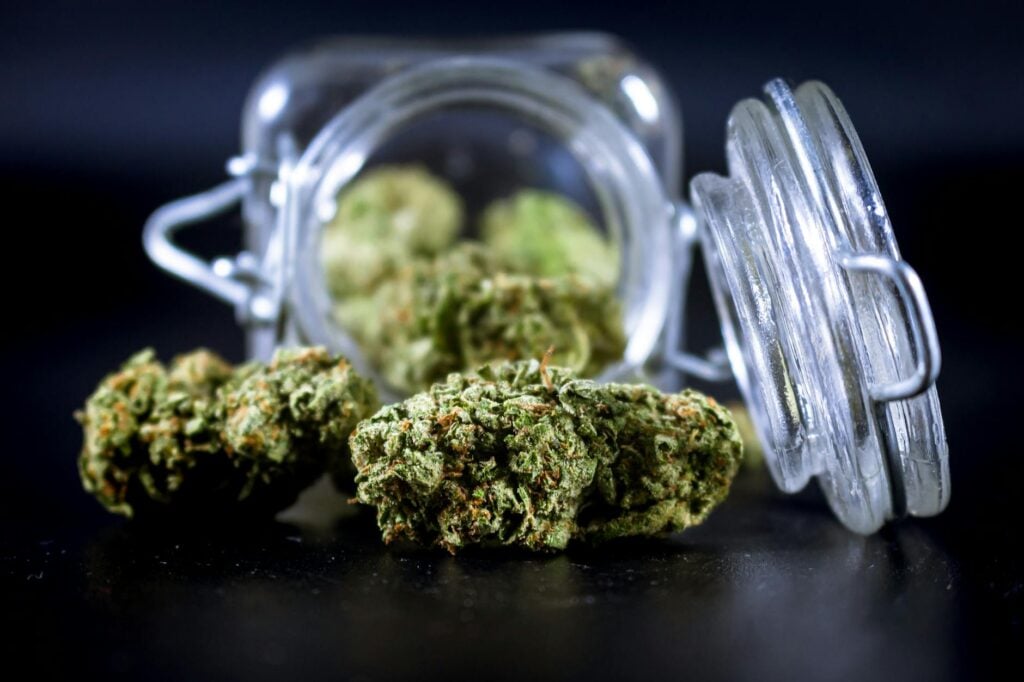
Planning a cannabis tolerance break? MrGreen DC budtenders share the 5-step reset protocol for DC medical patients. Visit us on Connecticut Ave or order delivery.
● mrgreendc.com
4302 Connecticut Avenue NW, Washington DC
If you’re a medical cannabis patient in DC and your usual dose just isn’t hitting the way it used to, you’re probably due for a cannabis tolerance break. I hear it every single week behind the counter at MrGreen DC — someone walks in, tells me they’ve been upping their dose for months, and they’re frustrated because the relief they used to get from one bowl now takes two or three. I had a patient come in last month, a Capitol Hill nurse who’d been using the same cartridge strength for chronic back pain since spring. She looked at me and said, “Marcus, am I broken?” She wasn’t broken. Her CB1 receptors were just tired. That’s exactly what a T break is designed to fix, and I’m going to walk you through how to do it without losing the symptom relief you actually need.
Why Cannabis Tolerance Builds — and Why Medical Patients Should Care
Here’s how it works in plain English. THC binds to your CB1 receptors. Use cannabis regularly — daily, multiple times a day — and those receptors start to downregulate. They essentially pull back inside the cell membrane, making themselves less available. Your body isn’t rejecting cannabis. It’s just adapting, the same way it adapts to caffeine or anything else you put into it consistently.
For recreational users, tolerance is annoying. For a medical cannabis patient in DC managing chronic pain, anxiety, PTSD, or insomnia, it’s a real problem. You end up spending more money, consuming more product, and still not getting adequate relief. That cycle is exhausting. The science is actually encouraging, though — research published in the journal Molecular Psychiatry found that CB1 receptor availability starts bouncing back within just 48 hours of abstinence and returns to near-baseline levels in roughly two to four weeks.
So the question isn’t really whether a cannabis tolerance break works. It does. The question is how to do one when you’re relying on cannabis for legitimate medical symptom management.
How Long Should a T Break Last for Cannabis Patients?
The most common question I get behind the counter is: “How many days do I actually need?” And I’m going to give you a real answer instead of the vague “it depends” you’ll find on Reddit.
For most daily users, 48 to 72 hours produces a noticeable reset. That’s it. You don’t need to white-knuckle it for a month. Three days off and your next session will feel dramatically different — closer to what it felt like when you first started. For patients who’ve been heavy daily consumers for over a year, a full two-week T break from cannabis is going to deliver the most complete receptor reset. But even a single week makes a significant difference.
Here’s what I recommend based on your usage level:
- Light daily use (once per day, flower or low-dose edibles): 2–3 days off
- Moderate daily use (2–3 sessions per day, mixed methods): 5–7 days off
- Heavy daily use (concentrates, high-dose edibles, all day): 14–21 days off
If you’re using concentrates exclusively — live sugar, cured batter, RSO at high doses — your tolerance is going to be significantly higher than someone who sticks to flower. That’s just the math of milligrams hitting your system. Concentrate users should plan for the longer end of a cannabis tolerance break.
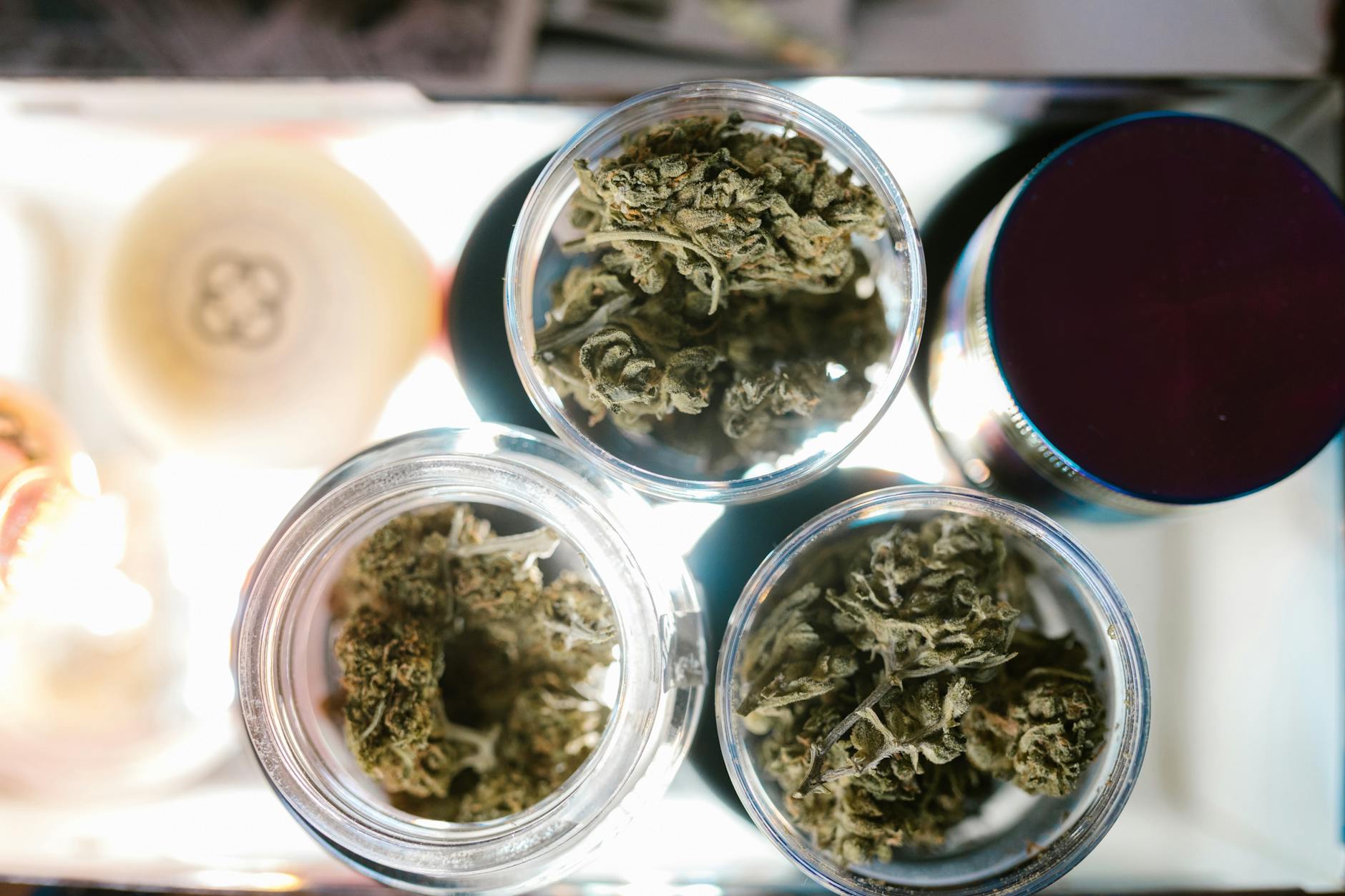
For most daily users, 48 to 72 hours produces a noticeable reset.
Cannabis Withdrawal Is Real — Here’s What to Expect and How to Handle It
Let’s talk about the part nobody wants to talk about. Cannabis withdrawal is real. It’s not dangerous. It won’t send you to the ER. But it’s uncomfortable, and pretending it doesn’t exist does patients a disservice.
Honestly, the first 48 hours are the hardest. Here’s what you might experience:
- Sleep disruption: This is the big one. If you’ve been relying on cannabis and sleep to go hand in hand, expect a few rough nights. Vivid dreams — sometimes intense ones — are incredibly common because THC suppresses REM sleep, and your brain rebounds hard when you stop.
- Irritability and mood swings: Mild to moderate. Feels like you had a bad day at work even when you didn’t.
- Decreased appetite: Some patients barely want to eat for a day or two. It passes.
- Mild anxiety: Especially if cannabis for stress relief was your primary use case.
These symptoms typically peak around day two and improve noticeably by day four or five. They’re temporary. Your body is recalibrating.
Tips for Managing Symptoms During Your Break
You don’t have to just suffer through it. There are concrete things that help:
- For sleep: Magnesium glycinate before bed, no screens an hour before sleep, and keep your room cold. Some patients have luck with melatonin (start at 0.5mg, not the 10mg horse pills from CVS).
- For anxiety: Exercise is the closest thing to a cheat code. Even a 20-minute walk through Adams Morgan or along the U Street Corridor will take the edge off more than you’d expect.
- For appetite: Eat small amounts frequently instead of trying to force full meals. Smoothies and soups are your friend for the first couple of days.
- For irritability: Tell the people you live with what you’re doing (no judgment, everyone needs support). Seriously, just a heads-up goes a long way.
Microdosing Cannabis Instead of a Full Break — A Strategy That Actually Works
Look, I get it. Some of you are dealing with chronic pain that doesn’t take a vacation. PTSD doesn’t pause because you need a receptor reset. For patients who genuinely can’t go cold turkey, microdosing cannabis during a partial tolerance break is a legitimate strategy.
Here’s what that looks like in practice. Instead of your normal dose, you cut down to roughly 10–20% of what you’d usually consume. If you normally eat a 25mg edible, you drop to 2.5–5mg. If you usually take a full dropper of tincture, you take a quarter dropper. The goal is to maintain just enough cannabinoid activity to manage your worst symptoms while still allowing significant receptor recovery.
Sublingual dosing tips are especially useful here. A tincture like our Motorbreath double-strength tincture gives you precise control. Hold it under your tongue for 60–90 seconds (seriously, time it — most people swallow too fast) and you’ll get more predictable absorption than edibles, which have to survive your digestive system first. That precision matters when you’re trying to find the minimum effective dose.
How to dose edibles during a microdose break: start with our 10mg THC chocolate squares and cut one piece into quarters. That gives you a 2.5mg dose — perfect for maintaining some relief during a partial cannabis tolerance break without spiking your tolerance right back up.
Why Terpenes Matter When You Come Back
After your break, you have a real opportunity to be smarter about what you consume. Your terpene profile matters as much as your THC percentage — probably more. Myrcene-dominant strains are going to feel more sedating and body-heavy. Limonene will lift your mood. Caryophyllene actually binds to CB2 receptors and has its own anti-inflammatory properties, which is why strains rich in it tend to be so good for pain without needing sky-high THC.
When patients come back from a T break, I almost always steer them toward a strain with a diverse terpene profile rather than just the highest THC on the shelf. Something like Gelato Cake — it’s got that caryophyllene backbone with limonene and linalool in the mix. You’ll actually feel each of those terpenes working when your receptors are fresh. Patients who blast through the highest-testing concentrate within a week of their break are just speed-running back to tolerance again.
Your DC Medical Cannabis Card Protects You — Even During a Break
Some patients have told me they’re nervous about being “in the system” as a medical cannabis patient in DC, especially if they work for the federal government or a contractor. I understand the concern. Let me put it to rest.
DC’s medical cannabis program is administered by the ABCA (Alcoholic Beverage and Cannabis Administration), and they enforce strict patient privacy protections. Your registration data isn’t shared with employers, federal agencies, or anyone else (yes, even your employer won’t know). It doesn’t show up on background checks. It doesn’t appear in any public database.
Getting your card is shockingly simple. DC uses a self-certification process — anyone 21 or older can register through the ABCA website in about two minutes. No doctor visit needed. No fee. You self-certify that you have a qualifying condition, and that’s it. Whether you live in Shaw, Logan Circle, or Navy Yard, the process is the same, and your patient status is completely protected.
If you need a step-by-step walkthrough, we’ve got a full guide on how to get a DC med card. There’s zero career risk involved.
Coming Back Stronger: How to Reintroduce Cannabis After a Tolerance Break
Here’s the thing: the break itself is only half the equation. How you reintroduce cannabis determines whether you stay in that sweet spot or end up right back where you started within a few weeks.
Rule number one — start at half your pre-break dose. Your receptors have upregulated. They’re sensitive again. What used to be a normal session might now feel overwhelming, especially if your cannabis tolerance was sky-high before the break. I’ve seen patients take their first post-break hit and look at me wide-eyed like it’s 2019 again. That’s the goal.
Here’s my reintroduction protocol for medical cannabis patients in DC:
- Day one back: Use half your previous dose. Wait at least two hours before redosing. Take notes on relief and duration.
- First week: Try to use only once per day, preferably in the evening when your symptoms are worst. Single sessions preserve the reset.
- Rotate strains: Don’t just go back to the same product. Different cannabinoid and terpene combos hit your receptors differently, which slows tolerance buildup. Browse our cannabis menu and pick two or three to rotate between.
- Consider adding CBD: A small amount of CBD alongside your THC can modulate how THC interacts with your receptors. It’s not a miracle, but it helps keep your effective dose lower for longer.
Patients who follow these steps after a cannabis tolerance break consistently report that the benefits last four to six months before they need to consider another reset. That’s a huge improvement over the escalation treadmill most people are stuck on.
A cannabis tolerance break isn’t punishment — it’s maintenance. Same as changing your oil or stretching before a run. If you’re a medical cannabis patient who’s been feeling like your medicine isn’t working anymore, this is the most effective thing you can do before spending more money on higher doses or stronger products. The plant hasn’t changed. Your body just needs a reset.
When you’re ready to come back — or if you want to talk through a break strategy that makes sense for your specific situation — come see us at MrGreen DC on Connecticut Avenue NW. We’re a cannabis dispensary in DC staffed by budtenders who’ve actually done T breaks themselves and helped hundreds of patients through theirs. Not sure you want to make the trip? We offer cannabis delivery throughout DC — from Dupont Circle to Navy Yard and everywhere in between. Your receptors will thank you.