
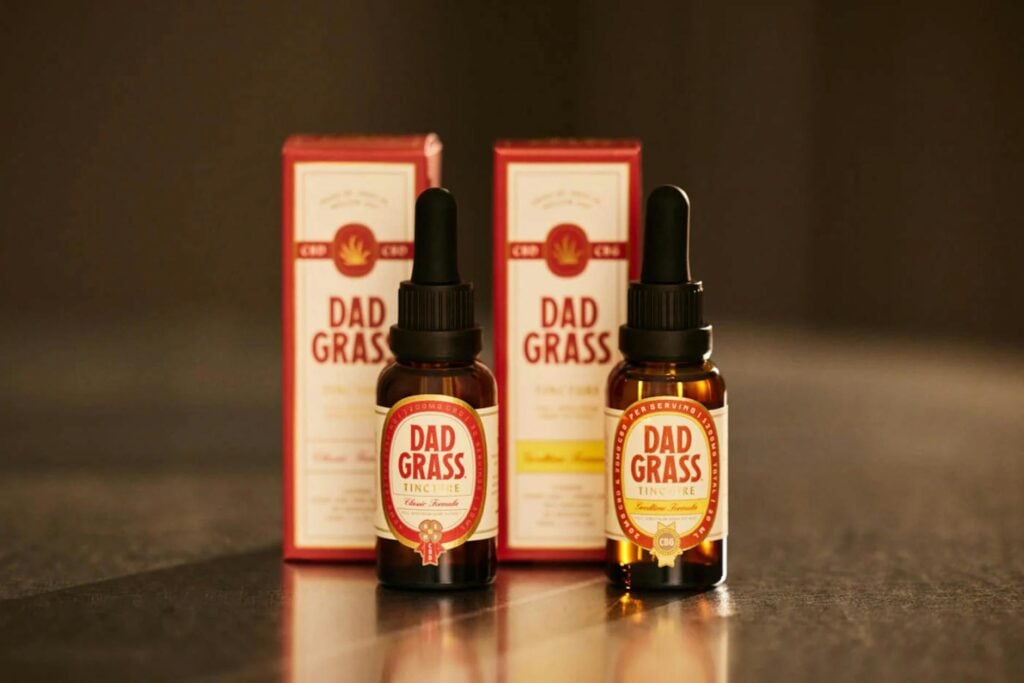
What is a cannabis tincture and how do you dose it? MrGreen DC budtenders share sublingual tips, THC vs CBD advice, and benefits for DC medical patients. Visit us on Connecticut Ave.
● mrgreendc.com
4302 Connecticut Avenue NW, Washington DC
A cannabis tincture is probably the most underrated product sitting on our shelves right now, and I say that after six years behind dispensary counters in this city. Most people walk into our shop on Connecticut Avenue asking about flower or edibles. Fair enough. But last month a patient from Dupont Circle came in — retired federal worker, chronic knee pain, never used cannabis in her life — and I handed her a tincture. She came back two weeks later and told me it changed her mornings completely. That’s the kind of story I hear more and more. In this post, I’m going to break down exactly how sublingual cannabis works, how to dose it without overthinking things, and why it might be the best-kept secret in DC’s medical cannabis program.
How a Cannabis Tincture Actually Works (Sublingual Cannabis Explained)
Let’s start simple. A cannabis tincture is a liquid extract — cannabis oil suspended in a carrier like MCT oil or alcohol. You take it by placing drops under your tongue, which is the sublingual part. The thin tissue under your tongue is loaded with blood vessels, so cannabinoids absorb directly into your bloodstream without passing through your digestive system first.
That’s a big deal. When you eat an edible, THC has to go through your stomach and liver before it hits your brain. That process takes 45 minutes to two hours, sometimes longer. Sublingual dosing typically kicks in within 15 to 30 minutes. Faster onset, more predictable effects, fewer surprises. The cannabis bioavailability — basically how much of the active compound your body actually uses — is significantly higher with sublingual delivery compared to swallowing a gummy.
Here’s the thing: a lot of patients confuse “taking a tincture” with “swallowing a tincture.” They’re not the same. If you just squirt it on your tongue and swallow immediately, you’re essentially making it an edible. You lose that sublingual advantage. Hold it under your tongue for 60 to 90 seconds (seriously, time it once and you’ll realize it’s nothing). Then swallow whatever’s left. That’s how to take a cannabis tincture properly, and it makes all the difference.
THC vs CBD Tinctures: Which One Do DC Medical Patients Actually Need?
This is the most common question I get behind the counter: “Should I get THC or CBD?” My answer depends on what you’re dealing with.
THC-dominant tinctures are what most medical cannabis patients in DC end up choosing. They’re effective for pain, nausea, appetite loss, insomnia, and muscle spasms. The psychoactive effect is real but manageable — especially at low doses. If you’ve never used cannabis, a THC tincture with proper sublingual dosing tips is actually one of the gentlest ways to start.
CBD-dominant tinctures won’t get you high. They’re better suited for anxiety, mild inflammation, and general tension. Some patients use them during the workday because there’s zero impairment. Others combine CBD with a small amount of THC for what’s called the entourage effect — where cannabinoids and terpenes work together more effectively than isolated compounds.
Full spectrum cannabis tinctures contain a range of cannabinoids (THC, CBD, CBN, CBG) plus terpenes like myrcene, linalool, and caryophyllene. I recommend full spectrum over isolate every single time. Why? Because the plant works better as a team. Myrcene promotes relaxation. Linalool adds a calming, almost lavender-like quality. Caryophyllene has anti-inflammatory properties. You lose all of that with a pure THC isolate.
Our Motorbreath double-strength alcohol tincture is a great example of a potent, full spectrum option. High THC, great terpene profile heavy on limonene and caryophyllene, and it’s designed for patients who’ve already dialed in their dose and want something with more punch.

THC-dominant tinctures
Sublingual Dosing Tips: How Much Cannabis Tincture Should You Take?
Dosing is where people mess up. Not because it’s complicated, but because they’re impatient. I get it — you want relief. But microdosing cannabis is your best friend when you’re starting out.
The Low-and-Slow Method for New Patients
Start with 2.5mg of THC. That’s usually a quarter of a dropper or less, depending on the product’s concentration. Hold it under your tongue, wait 30 minutes. Feel nothing? Don’t redose yet. Wait a full hour. Your body might process cannabinoids slower than someone else’s, and there are real physiological reasons for that — metabolism, body weight, whether you ate recently.
After your first session, you’ll have a baseline. Next time, try 5mg. Then maybe 7.5mg. Most medical cannabis patients in DC land somewhere between 5mg and 25mg of THC per dose, depending on their condition and tolerance. The beauty of a tincture is that you can adjust by a single milligram. Try doing that with an edible.
Dosing Tips for Experienced Patients
If you’ve been using cannabis for a while, you probably already know your tolerance. A double-strength tincture saves you from having to take half a dropper at a time. And if you’re transitioning from smoking to sublingual cannabis, expect the effects to feel different. Sublingual hits are more gradual, more body-focused, and they tend to last longer — usually 4 to 6 hours versus 1 to 3 hours for inhalation.
One thing I’ll say (no judgment, everyone asks): yes, you can mix a tincture into food or a drink. Coffee, smoothies, salad dressing — people get creative. Just know that once you mix it into something you swallow, you’re converting it from sublingual to oral ingestion. Slower onset, different metabolic pathway, potentially stronger peak effect because your liver converts delta-9 THC into 11-hydroxy-THC. That’s a more potent metabolite. So adjust your dose accordingly.
Why Tinctures Are Ideal for Medical Cannabis Patients in DC
Look, I sell every category of product we carry. Flower, concentrates, edibles, vapes — they all have their place. But for medical cannabis patients specifically, tinctures solve a bunch of problems at once.
- Discretion. No smell. No smoke. Nobody on the Metro knows you just dosed. Patients commuting through Shaw or Capitol Hill tell me this matters a lot.
- Precision. Every dropper is measured. You know exactly how many milligrams you’re taking. That’s critical for patients managing chronic conditions who need consistent relief.
- Speed without combustion. Faster than edibles, doesn’t require inhaling anything. Perfect for patients with respiratory concerns.
- Long shelf life. Alcohol-based tinctures last months if stored in a cool, dark place. Cannabis oil tinctures in MCT are slightly less shelf-stable but still outlast most flower.
- Easy to combine with other products. Some of my patients use a low-dose CBD tincture in the morning and add a THC tincture at night. That kind of stacking is much harder with edibles or flower.
The sublingual cannabis benefits are real and well-documented. Faster absorption, more predictable timing, better dose control. If you’re a medical cannabis patient in DC trying to build a routine that actually works around your life, a tincture deserves serious consideration.
Getting Your DC Medical Cannabis Card Is Easier Than You Think
Honestly, this is the part that surprises people the most. DC’s medical cannabis program doesn’t require a doctor’s visit, a diagnosis letter, or any kind of fee. The ABCA (Alcoholic Beverage and Cannabis Administration) runs the program, and they’ve made it about as simple as it can get.
Here’s what you do: go to the ABCA website, fill out the self-certification form, and confirm that you’re 21 or older and a DC resident. That’s it. The whole thing takes about two minutes. No appointment. No waiting room. No fee. You’ll get your temporary card electronically, and your physical card arrives by mail.
And the privacy question — because I hear it every single week from patients near Logan Circle and Columbia Heights who work in government or for federal contractors — ABCA does not share your patient data with employers, federal agencies, or anyone else (yes, even your employer won’t know). Your registration is protected. There’s zero career risk from having a DC medical cannabis card. This is codified in DC law, and ABCA enforces strict patient privacy. So if that’s been the thing holding you back, put it to rest.
If you want a more detailed walkthrough, we’ve got a full guide on how to get a DC med card.
How to Choose the Right Cannabis Tincture at a DC Dispensary
Not all tinctures are created equal, and the label matters. Here’s what to look for when you’re standing at the counter — whether that’s our dispensary on Connecticut Avenue or anywhere else.
Carrier Oil: Alcohol vs. MCT
Alcohol-based tinctures absorb slightly faster sublingually and have a longer shelf life. MCT oil tinctures taste milder and are easier on the stomach. My personal recommendation? If speed of onset is your priority, go alcohol-based. If you’re mixing it into food or have a sensitive palate, MCT is the move.
Potency and Ratio
Check the mg/mL on the label. A “double-strength” product has more milligrams per milliliter, meaning you need less liquid per dose. For new patients, a standard-strength tincture (around 10-15mg THC per mL) gives you more room to adjust. Experienced patients or those managing severe pain might want something stronger.
Ratio products — like 1:1 THC:CBD or 2:1 CBD:THC — are worth trying if you want the benefits of both cannabinoids without a heavy psychoactive load. I’ve had great feedback from patients in Adams Morgan who use a 1:1 before bed for sleep and pain.
Terpene Profile
This is where most dispensaries drop the ball. Terpenes aren’t just about flavor — they shape the effect. A cannabis tincture rich in pinene will feel more alert and focused. One dominant in myrcene will lean sedative. If the product doesn’t list its terpene profile, ask. And if they can’t tell you, that’s a red flag. We break down terpene science in our cannabis terpenes guide if you want to go deeper.
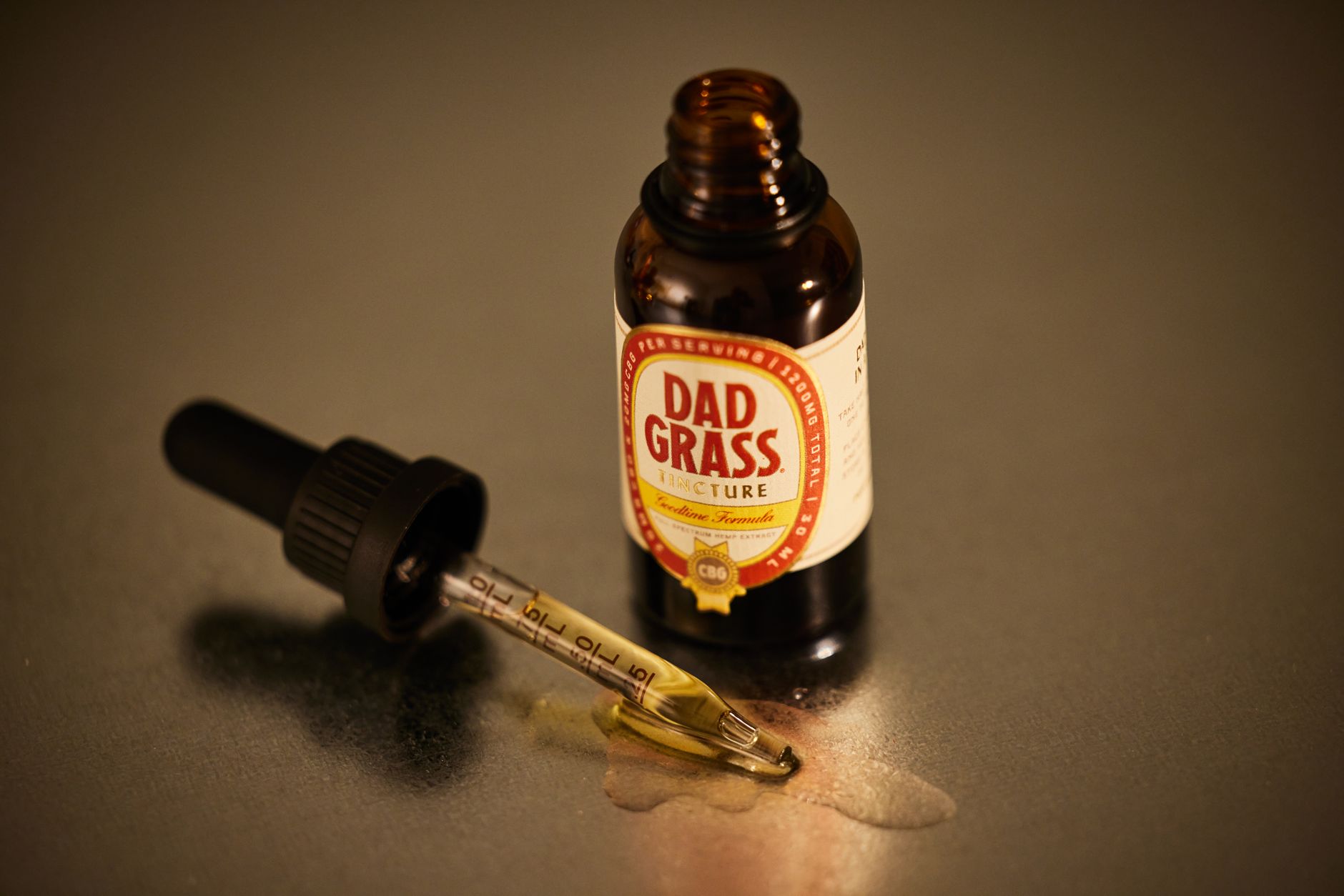
A cannabis tincture is one of the most practical, precise, and patient-friendly products in the medical dispensary case. Whether you’re brand new or you’ve been part of DC’s medical program for years, sublingual drops give you control that other formats just can’t match. If you’re ready to try one — or if you’ve got questions about what strength or ratio is right for you — come see us at MrGreen DC on Connecticut Avenue NW. Our budtenders will walk you through everything. Don’t feel like making the trip? We deliver throughout DC, including to addresses near the Maryland and Virginia borders. Check out our cannabis delivery page or shop our Motorbreath tincture online and let us bring it to your door.