
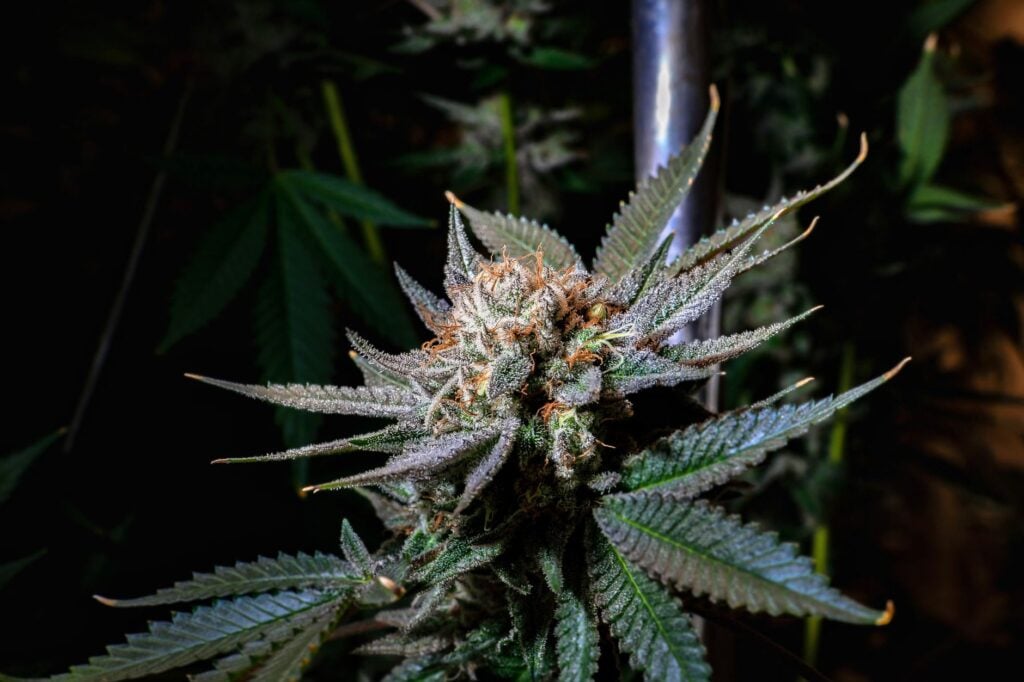
This cannabis terpenes guide breaks down myrcene, limonene, linalool, pinene, and caryophyllene so DC patients can pick the right strain. Visit MrGreen DC on Connecticut Ave.
● mrgreendc.com
4302 Connecticut Avenue NW, Washington DC
If you’ve been looking for a real cannabis terpenes guide — one that actually helps you pick the right strain instead of just throwing science words at you — you’re in the right place. I’m Marcus, and I’ve spent six years behind dispensary counters in DC watching people grab whatever has the highest THC number and then wonder why it didn’t help their back pain or kept them wired at 2 a.m. I had a patient come in last week, a Capitol Hill paralegal dealing with brutal anxiety, and she’d been buying nothing but 30%+ THC flower for months. We switched her to a strain with half that THC but loaded with linalool and myrcene. She came back three days later and told me it was the first time she’d slept through the night since November. That’s what terpenes do. They’re the missing piece most people skip, and by the end of this post you’ll know exactly how to use terpene profiles to match strains to your specific needs — whether that’s chronic pain, insomnia, stress relief, or mood support.
What Are Terpenes and Why Should Medical Cannabis Patients Care?
Terpenes are aromatic compounds produced by the cannabis plant. They’re the reason one strain smells like a pine forest and another smells like someone peeled a grapefruit in a gas station. But here’s the thing: terpenes aren’t just about smell. They have real, measurable effects on your body and brain, and they work hand-in-hand with cannabinoids like THC and CBD to shape your experience.
You already know terpenes even if you don’t think you do. Lavender? That calming scent comes from linalool. The sharp bite of black pepper? Caryophyllene. Citrus peel? Limonene. These same compounds show up in cannabis, and they’re a big reason why two strains with identical THC percentages can feel completely different.
The entourage effect is the idea that cannabinoids and terpenes work better together than any single compound does alone. Full spectrum cannabis products preserve this natural chemistry instead of stripping it away. It’s why a lot of my patients who tried isolate-based products and felt nothing end up having a totally different experience with full spectrum options like RSO. The terpenes matter. They’re not decoration.
The Big Five: Terpene Effects You’ll Actually Feel
Most cannabis terpenes guides throw twenty compounds at you and expect you to memorize a chemistry textbook. I’m going to focus on the five terpenes that come up most often on our shelf and that have the most noticeable terpene effects for medical cannabis patients. These are the ones I talk about every single day at our dispensary on Connecticut Avenue.
Myrcene Terpene — The Couch-Lock King
The myrcene terpene is the most common terpene in cannabis, period. It’s earthy, a little musky, and it shows up in mangoes and hops (yes, that’s partly why beer makes you sleepy). Myrcene is associated with sedation, muscle relaxation, and pain relief. If you’re dealing with cannabis and chronic pain or cannabis for insomnia, myrcene-dominant strains should be at the top of your list.
Strains heavy in myrcene tend to produce that deep body relaxation people call “indica effects.” Gelato Cake is a great example — patients dealing with nighttime pain or restlessness grab this one constantly, and the myrcene content is a big reason why.
Limonene Terpene — Mood and Stress Relief
The limonene terpene smells exactly like you’d expect: citrus, bright, energizing. It’s linked to elevated mood, cannabis for stress relief, and even some anti-anxiety properties. I reach for limonene-forward strains when patients tell me they want something that won’t knock them out but will take the edge off a brutal workday.
Honestly, limonene is underrated. A lot of people in the Dupont Circle and Logan Circle crowd — professionals with demanding jobs — do really well with a limonene-dominant strain in the early evening. It’s uplifting without being racy.
Linalool Terpene — Nature’s Anxiety Medication
The linalool terpene is the lavender connection. Floral, slightly spicy, and strongly associated with calming effects. Research has shown linalool has anti-anxiety and anti-inflammatory properties, and it’s the terpene I point to most often for patients managing cannabis and anxiety.
Remember my Capitol Hill patient from the intro? Linalool was half the equation. Combined with myrcene, it produced a calm that high-THC strains alone never delivered. Purple Urkle tends to carry a nice linalool profile, and it’s one of my go-to recommendations for anxiety and sleep without heavy grogginess the next morning.
Caryophyllene Terpene — The Only Terpene That Acts Like a Cannabinoid
The caryophyllene terpene is genuinely unique. It’s the only terpene known to bind directly to CB2 receptors in your endocannabinoid system, which means it has anti-inflammatory and pain-relieving effects that go beyond what other terpenes typically offer. It smells peppery and woody — think cracked black pepper and cloves.
For patients dealing with chronic inflammation, arthritis, or nerve pain, caryophyllene-heavy strains are worth seeking out specifically. Motorbreath is a strain I keep recommending for this — it’s got that gassy, spicy profile and patients report serious relief. We also carry a Motorbreath double-strength tincture for people who don’t want to smoke.
Pinene Terpene — Focus and Breathing
The pinene terpene smells like walking through a pine forest (no surprise there). It’s associated with alertness, memory retention, and it may even act as a bronchodilator — meaning it can open up your airways slightly. Some research suggests pinene counteracts some of the short-term memory fog that THC can cause.
Pinene-forward strains are great for daytime use. If you need to stay sharp but still want relief from low-level pain or tension, this is your terpene. Trainwreck typically carries a solid pinene profile alongside some limonene, making it a solid daytime option for patients who can’t afford to zone out.

terpene effects
How to Find the Right Cannabis Strain Using Terpene Profiles
Alright, so you know the terpenes. Now what? How to find the right cannabis strain comes down to matching your symptoms to the terpene profiles instead of just chasing THC numbers. This is the core of any good cannabis terpenes guide, and it’s where most patients start getting results instead of just getting high.
Here’s a practical breakdown by condition:
- Chronic pain: Look for strains dominant in myrcene and caryophyllene. The combination of sedation and direct CB2 activation is hard to beat. Full spectrum cannabis products preserve both.
- Anxiety: Linalool and limonene together. Avoid strains heavy in pinene if your anxiety manifests as racing thoughts — the alertness can sometimes backfire (no judgment, everyone’s different).
- Insomnia: Myrcene-dominant, hands down. A little linalool in there doesn’t hurt either. Evening use, lower dose than you think you need.
- Mood support and stress relief: Limonene forward, possibly with some caryophyllene for that anti-inflammatory background. Great for after-work decompression.
- Focus and daytime function: Pinene and limonene. Skip the heavy myrcene unless you want a nap at your desk.
The most common question I get behind the counter is, “What’s the strongest thing you’ve got?” And my answer is always the same: strongest doesn’t mean best for you. A 20% THC strain with the right terpene profile will outperform a 30% strain with the wrong one almost every time. That’s not opinion — it’s what I’ve watched happen with thousands of patients over six years in this industry.
Reading Labels Like a Budtender
When you check our cannabis menu, pay attention to strain descriptions that mention specific terpenes. At MrGreen DC, we make it a point to highlight terpene profiles because we know that’s how you find the right match. Not every dispensary in DC does this, but we think it’s the most important information on the label after cannabinoid content.
If a product says “full spectrum” — that usually means the terpene profile has been preserved during processing. That matters. A lot. Distillate cartridges that strip everything out and add artificial flavors back in won’t give you the entourage effect. Compare that to a cured resin cartridge like the Khalifa Kush, which retains the original terpene chemistry. Night-and-day difference (seriously, try them side by side and you’ll never go back).
Your DC Medical Cannabis Card: Easier Than You Think
If you’re reading this cannabis terpenes guide because you’re considering becoming a medical cannabis patient in DC, let me save you some time. Getting your card is absurdly simple.
DC uses a self-certification process through the ABCA (Alcoholic Beverage and Cannabis Administration). You don’t need a doctor’s visit. You don’t need a diagnosis letter. You don’t pay a fee. If you’re 21 or older, you go to the ABCA website, self-certify, and you’re done. The whole thing takes about two minutes (seriously, two minutes). That’s it.
Look, the question I hear most often from people in Shaw, Adams Morgan, and all over the city is: “Will my employer find out?” No. ABCA does not share patient data with employers, federal agencies, or anyone else. Your registration is protected by strict privacy rules. Zero career risk. Federal employees, government contractors, people with security clearances — I’ve worked with all of them. Your information stays with ABCA and nowhere else.
If you want a more detailed walkthrough, we’ve got a full page on how to get a DC med card that walks you through every step. But honestly, you’ll probably finish the registration before you finish reading that page.
Using This Cannabis Terpenes Guide at the Dispensary
Knowledge is only useful if you actually apply it. So here’s what I’d suggest: next time you visit a medical dispensary in Washington DC, tell your budtender what you’re trying to accomplish — not what strain name you saw on Instagram. Say “I need help with sleep” or “I want stress relief without being couch-locked.” A good budtender will immediately start thinking about terpene profiles, not just THC percentages.
At MrGreen DC, that’s exactly how we work. We’ll walk you through the terpene breakdown of what’s on our shelf and help you pick something that actually matches your goals. Whether you’re stopping by our Connecticut Avenue NW location or ordering through cannabis delivery across DC — from Columbia Heights to Navy Yard — we’ll make sure you’re not flying blind.
A few strains I’d point you toward right now based on this cannabis terpenes guide:
- For pain and sleep: Gelato Cake — myrcene-heavy, deep body relaxation.
- For anxiety and calm: Purple Urkle — linalool presence makes this one special.
- For pain with inflammation: Motorbreath — caryophyllene powerhouse.
- For daytime focus: Trainwreck — pinene and limonene keeping you sharp.

Stop guessing and start using terpene profiles to make real decisions about your medical cannabis. This cannabis terpenes guide is just the beginning — the conversation gets way more specific when you’re standing at our counter or chatting with us about your order. Come see us at MrGreen DC on Connecticut Avenue NW, or set up a same-day delivery anywhere in DC. We’ll match you with the right terpenes, the right strain, and the right product — because that’s what a good dispensary actually does.