
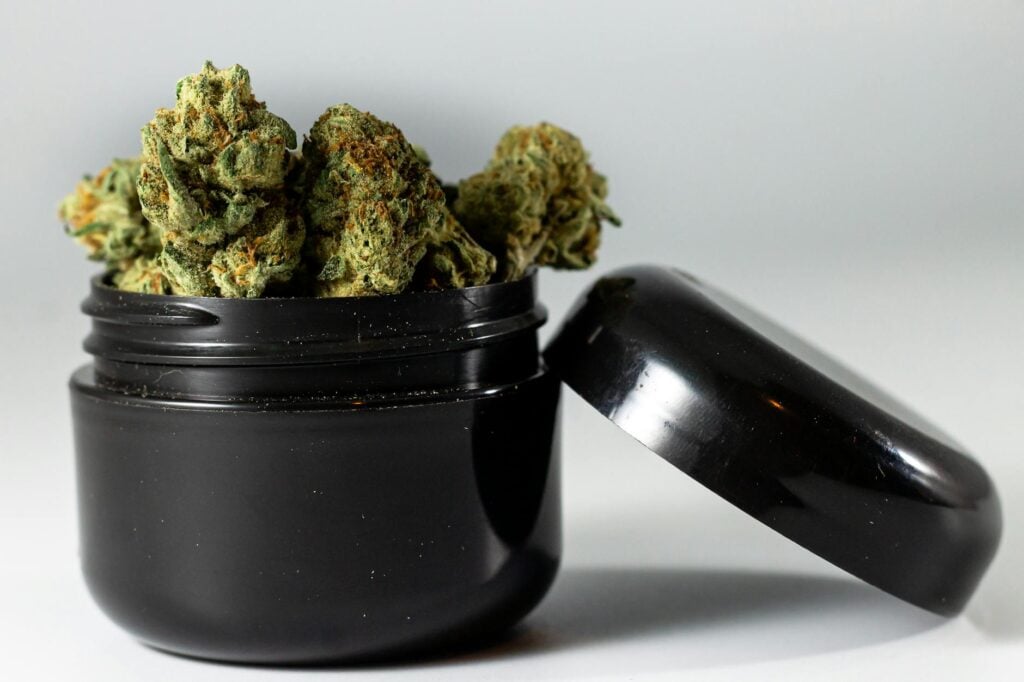
Cannabis suppositories offer targeted pain and nausea relief with less high. MrGreen DC explains bioavailability, dosing, and how to get started. Visit us on Connecticut Ave.
● mrgreendc.com
4302 Connecticut Avenue NW, Washington DC
Cannabis suppositories aren’t the first product most patients ask about when they walk into a dispensary. I get it. But they should be on your radar, especially if you’re dealing with chronic pain, inflammation, or nausea that won’t quit. I had a patient come in about two months ago — she’d been managing endometriosis pain with edibles and tinctures for years, and she was frustrated because the psychoactive effects were making it hard to function at work. When I mentioned cannabis suppositories as an option, she looked at me like I’d grown a second head. Two weeks later she came back and said it was the first time she’d had real relief without feeling high during the day. That conversation is exactly why I’m writing this.
In this post, I’ll break down how suppositories work, who they’re best for, how they compare to other forms of medical cannabis in DC, and why cannabis bioavailability matters way more than most people realize. If you’re a medical cannabis patient in DC — or thinking about becoming one — this is worth your time.
What Are Cannabis Suppositories and How Do They Work?
A cannabis suppository is exactly what it sounds like: a small, solid dose of cannabis (usually in a cocoa butter or coconut oil base) designed for rectal or vaginal insertion. Once inside, your body heat melts the base, and the cannabinoids — THC, CBD, or both — absorb through the mucosal lining into surrounding tissue and, depending on the formulation, into your bloodstream.
Here’s the thing: the way cannabinoids absorb through mucosal tissue is fundamentally different from eating an edible. When you eat a gummy or a chocolate, everything passes through your liver first. That’s called first-pass metabolism, and it converts THC into 11-hydroxy-THC, which is actually more psychoactive than regular THC. That’s why edibles can hit so hard and feel so different from smoking.
Suppositories largely bypass that liver processing. The cannabinoids absorb more directly into local tissue and the bloodstream. What does that mean for you? Potentially stronger localized relief with significantly less head high. For patients dealing with pelvic pain, menstrual cramps, lower back issues, or GI inflammation, this is a massive advantage. You’re getting cannabis and chronic pain relief right where you need it most.
Rectal vs. Vaginal: Different Uses, Different Benefits
Rectal suppositories tend to offer more systemic absorption — meaning more cannabinoids make it into your general circulation. They’re a strong option for patients who can’t keep food or oral medication down (think chemotherapy-related nausea, Crohn’s flares, or severe gastroparesis). If you’re wondering whether cannabis and nausea relief can work when you literally can’t swallow anything, this is your answer.
Vaginal suppositories, on the other hand, tend to stay more localized. They’re popular among patients dealing with endometriosis, menstrual cramps, vulvodynia, and pelvic floor dysfunction. The cannabinoids concentrate in the surrounding tissue rather than circulating widely through the body. Many patients report significant anti-inflammatory effects with minimal to no psychoactive experience.
Cannabis Bioavailability: Why the Delivery Method Matters More Than the Dose
Most patients fixate on milligrams. “How many milligrams of THC should I take?” It’s the most common question I get behind the counter. But milligrams only tell part of the story — cannabis bioavailability is the rest.
Bioavailability is just a fancy word for how much of what you consume actually makes it into your system. Smoking flower? Roughly 20-30% bioavailability. Edibles? Often 6-15%, because your liver chews through so much of it. Sublingual cannabis benefits come partly from better absorption — maybe 20-35% — because the tissue under your tongue lets cannabinoids skip the digestive system.
Cannabis suppositories sit in an interesting spot. Research is still catching up (no surprise there, given federal prohibition), but patient reports and preliminary studies suggest rectal bioavailability could be anywhere from 25-50% depending on the formulation. That’s potentially two to three times what you’d get from an edible at the same dose. For patients managing serious cannabis and chronic pain challenges, that efficiency matters.
How Cannabis Suppositories Compare to Other Product Forms
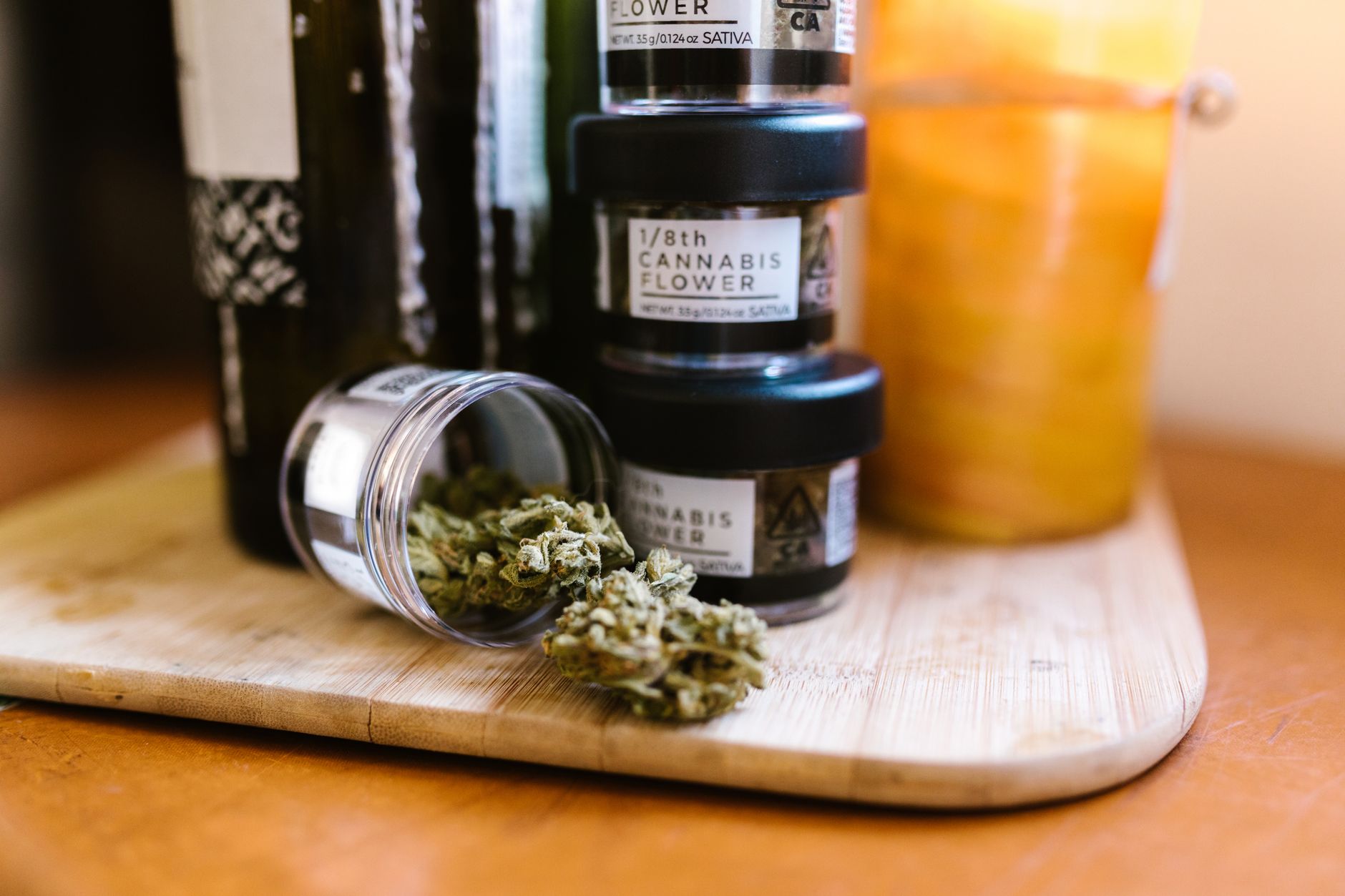
When patients ask me what cannabis products are good for pain, I don’t give a one-size-fits-all answer — but I do walk through the tradeoffs honestly:
- Edibles and cannabis capsules: Convenient and familiar, but slow onset (45-90 minutes), significant first-pass metabolism, and harder to dose precisely. Great for all-day systemic relief if you don’t mind some psychoactive effects.
- Tinctures (sublingual): Faster onset than edibles (15-30 minutes), better bioavailability when held under the tongue, and easier to microdose. The Motorbreath tincture we carry is a patient favorite for pain. Sublingual cannabis benefits are real, but you’re still getting systemic effects.
- Topical cannabis: Topical cannabis benefits are localized — they’re great for surface-level muscle soreness or joint pain, but cannabinoids don’t penetrate deep enough through skin to reach internal organs or deep tissue.
- RSO (Rick Simpson Oil): Extremely potent, full-spectrum, and versatile. Our RSO syringe can actually be used to make DIY suppositories at home (more on that below). But taken orally, it hits like a freight train because of that liver metabolism.
- Suppositories: Higher localized concentration, potentially higher bioavailability, minimal psychoactive effects, and they work even when you can’t eat or keep food down. The downside? Availability is still limited, and yeah — there’s an awkwardness factor that keeps people from asking about them.
Honestly, I think suppositories are the most underutilized product form in medical cannabis. People will try every edible, tincture, and vape cartridge on the shelf before they’ll consider one, and that’s a shame. If you’re a medical cannabis patient in DC dealing with pelvic pain, GI issues, or treatment-resistant nausea, you owe it to yourself to at least explore this option.
Edibles and cannabis capsules:
Who Should Consider Cannabis Suppositories for Pain and Inflammation?
Not everyone needs a suppository. Let me be direct about that. But for certain patients, they’re genuinely the best tool available. Here’s who I typically recommend them to:
Patients With Chronic Pelvic and Abdominal Pain
Endometriosis, interstitial cystitis, IBS, Crohn’s disease, prostatitis — these conditions cause deep, internal pain that topical cannabis can’t reach and oral cannabis can’t always target effectively. Cannabis and inflammation go hand in hand in the research: cannabinoids like THC and CBD interact with CB1 and CB2 receptors throughout the gut and pelvic tissue. Terpenes matter here too. Caryophyllene, which is actually a cannabinoid and a terpene, binds directly to CB2 receptors and has documented anti-inflammatory properties. Myrcene contributes muscle-relaxing and analgesic effects. A full-spectrum cannabis suppository with these terpenes intact can deliver targeted relief that other methods just can’t match.
Patients Dealing With Severe Nausea
This one’s practical. If you’re vomiting or too nauseated to swallow, you can’t take a tincture or a capsule. Cannabis and nausea relief through rectal administration bypasses the entire digestive system. It’s a lifeline for chemo patients and people with severe gastroparesis (no judgment, everyone asks about this once they realize it’s an option).
Patients Who Need Relief Without the High
Some patients can’t afford to be impaired. They’re working. They’re parenting. They’re driving to pick up their kids in Columbia Heights or commuting through Dupont Circle. Because suppositories largely avoid first-pass metabolism, many patients report significantly reduced psychoactive effects compared to edibles at equivalent doses. You’re not going to feel stone-cold sober necessarily, but the difference is notable.
Older Adults and Patients With Swallowing Difficulties
I see this more often than you’d think. Older patients or those with throat conditions, esophageal issues, or post-surgical restrictions sometimes can’t swallow pills or hold tinctures under their tongue. A cannabis suppository is a dignified, effective alternative.
Making or Finding Cannabis Suppositories in DC
Here’s where I’ll be straight with you: what forms of cannabis are sold in DC dispensaries doesn’t always include pre-made suppositories on every shelf. The DC medical cannabis market is growing fast, and the product variety at a licensed cannabis dispensary in DC keeps expanding, but suppositories aren’t as widely stocked as flower, edibles, or vape carts. That’s changing, but it’s the reality right now.
What many patients do — and what I often suggest — is make their own using RSO. It’s not complicated (seriously, two minutes of active work once you’ve got the ingredients). Here’s the basic process:
- Melt coconut oil or cocoa butter in a double boiler — just enough to fill a silicone suppository mold.
- Mix in your measured dose of RSO. Our 2500mg RSO syringe works great for this because you can dose precisely. Start low — 10-25mg THC per suppository is a common starting point.
- Pour into the mold and refrigerate until solid.
- Store them in the fridge. They’ll melt at body temperature, which is the entire point.
If you want a CBD-dominant or balanced ratio, ask our team about what’s currently in stock. The goal is finding a cannabinoid and terpene profile that matches your specific condition. Linalool (also found in lavender) adds calming, anti-anxiety properties. Limonene may help with mood and has its own anti-inflammatory action. Pinene could support alertness if you need to stay functional. These details aren’t just nice-to-know — they’re how you dial in the right cannabis wellness approach for your body.
Getting Your DC Medical Cannabis Card: It’s Easier Than You Think
Look, if you’re reading this and you’re not yet a registered medical cannabis patient in DC, the process to fix that takes about two minutes. I’m not exaggerating. DC uses a self-certification system administered by the ABCA (Alcoholic Beverage and Cannabis Administration). You don’t need a doctor’s appointment. You don’t need a specific diagnosis. You don’t pay a fee. If you’re 21 or older, you go to the ABCA website, self-certify, and you’re in the system.
The question I hear most from folks in Shaw, Logan Circle, and Capitol Hill is about privacy. “Will my employer find out?” The answer is no. ABCA does not share your patient data with employers, federal agencies, or anyone else. Your information is protected. Zero career risk. Even if you work for the federal government — and in this city, a lot of people do — your registration is confidential. Period.
Once you’re registered, you can shop at any licensed medical dispensary in Washington DC, including MrGreen DC on Connecticut Avenue NW. You can also use our cannabis delivery service throughout DC, whether you’re in Adams Morgan, Navy Yard, or anywhere else in the District.
Cannabis suppositories aren’t glamorous. Nobody’s posting about them on Instagram. But for the right patient with the right condition, they’re one of the most effective, most underappreciated tools in the entire medical cannabis toolkit. If you’ve been struggling with pain, inflammation, or nausea and haven’t found the relief you need from edibles, tinctures, or topicals, it’s worth having an honest conversation about suppositories with someone who actually knows the products.
That’s what we’re here for. Come see us at MrGreen DC on Connecticut Avenue NW, or order through our same-day delivery service if you’d rather stay home. Our budtenders will walk you through everything — RSO options, dosing, terpene profiles, all of it. No awkwardness, no judgment. Just real answers from people who’ve spent years helping patients find what actually works.