
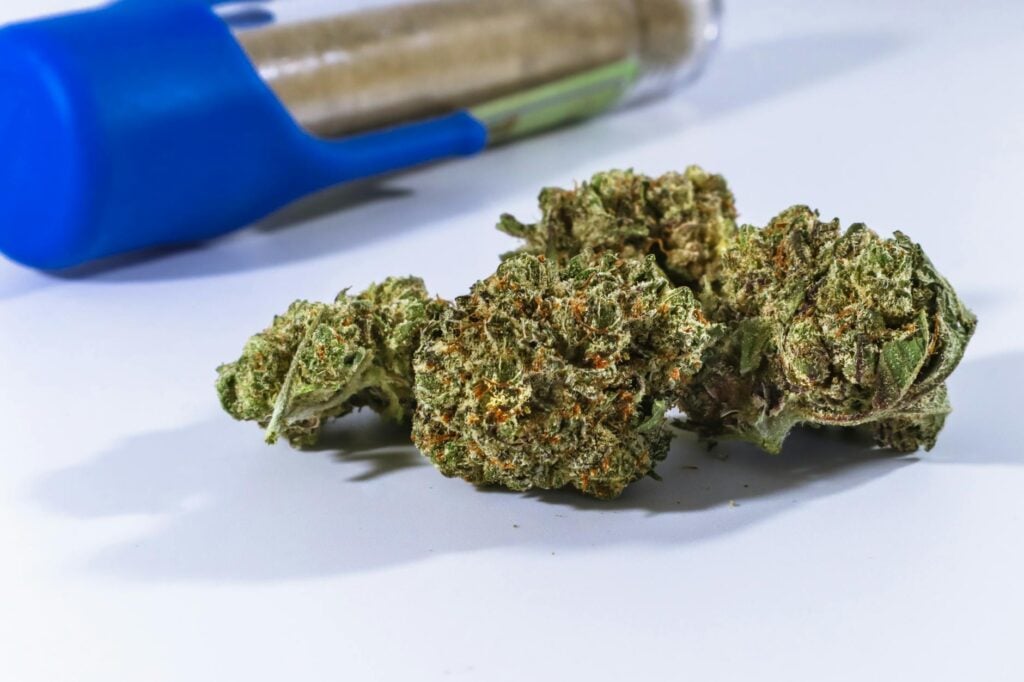
Learn about cannabis medication interactions every DC medical patient should know. MrGreen DC budtenders explain drug risks, safe methods & CBD concerns. Visit us on Connecticut Ave.
● mrgreendc.com
4302 Connecticut Avenue NW, Washington DC
If you’re a medical cannabis patient DC who’s also taking prescription drugs, understanding cannabis medication interactions isn’t optional — it’s critical. I had a patient come into our Connecticut Avenue shop last month, a Capitol Hill attorney in her fifties, who’d been mixing her nightly edible with a blood thinner for weeks without telling her doctor. She felt “off” but couldn’t figure out why. Five minutes at the counter and we’d identified the likely problem. That conversation is exactly why I’m writing this — because too many patients don’t know that cannabis and medication can interact in real, sometimes serious ways, and nobody’s talking to them about it.
In this post, I’ll break down the specific cannabis drug interactions you should be aware of, which consumption methods affect cannabis bioavailability (and why that matters for your prescriptions), how CBD benefits come with their own interaction risks, and what to actually do about all of it as a medical cannabis patient in DC.
Why Cannabis Drug Interactions Are More Common Than You Think
Here’s the thing: cannabis isn’t just one compound floating around in your system. THC, CBD, and dozens of minor cannabinoids are all processed by the same liver enzyme system — the cytochrome P450 family — that breaks down a huge percentage of prescription medications. That’s the core issue. When two substances compete for the same enzyme, one of them wins and the other builds up in your bloodstream longer than it should.
CBD is actually the bigger concern here, which surprises people. Most patients assume THC is the “strong” one and CBD is harmless. Not true. CBD is a potent inhibitor of CYP3A4 and CYP2D6, two of the most important drug-metabolizing enzymes in your liver. That means if you’re taking a CBD-heavy cannabis tincture alongside certain prescriptions, those drugs might hit harder and last longer than your doctor intended.
THC vs CBD creates different interaction profiles, too. THC primarily affects CYP2C9, which metabolizes drugs like warfarin and some NSAIDs. CBD goes after a broader range of enzymes. Neither is “safe” to mix blindly — they’re just different. And when patients use full-spectrum products that contain both? The interaction picture gets even more complex.
I’ve been behind the counter at MrGreen DC for six years, and the most common question I get about cannabis and medication isn’t “will it interact?” — it’s “why didn’t my doctor mention this?” Honestly, most doctors don’t have cannabis pharmacology training. That’s not a knock on them. It’s just reality.
The Prescription Drugs Most Likely to Interact with Medical Cannabis DC Products
Not every medication is equally risky to combine with cannabis. Some categories deserve extra caution, and I want to be specific because vague warnings don’t help anybody.
Blood thinners (Warfarin, Heparin): This is the big one. Both THC and CBD can increase warfarin levels in your blood by inhibiting CYP2C9. That means your blood gets thinner than your doctor calibrated for. If you’re a medical cannabis patient DC on anticoagulants, your INR levels need monitoring — period.
Benzodiazepines (Xanax, Klonopin, Valium): CBD slows down how fast your liver clears benzos. The sedation stacks. I’ve had patients in our Dupont Circle delivery area describe feeling excessively drowsy the next morning, and nine times out of ten they’re combining an indica edible with a nighttime benzo.
SSRIs and antidepressants (Zoloft, Prozac, Lexapro): These are metabolized by CYP2D6, which CBD inhibits. The result can be elevated SSRI levels, increasing side effects like nausea, dizziness, or serotonin-related issues.
Blood pressure medications: Cannabis can lower blood pressure on its own. Combine it with ACE inhibitors or beta-blockers and you might get dizzy standing up (no judgment, everyone asks about this one).
Opioid pain medications: Here’s where it gets interesting. Cannabis medication interactions with opioids can actually be beneficial — some patients reduce their opioid dose because cannabis enhances pain relief. But that dose reduction needs medical supervision, not guesswork.
Anti-seizure medications (Clobazam): The FDA literally flagged this one when they approved Epidiolex. CBD significantly raises clobazam levels. It’s one of the most well-documented cannabis drug interactions in medical literature.

Blood thinners (Warfarin, Heparin):
How Cannabis Bioavailability Changes the Interaction Risk
This is something most blog posts skip, and it matters a lot. The way you consume cannabis dramatically changes how it interacts with your medications because cannabis bioavailability — how much actually reaches your bloodstream — varies wildly by method.
Cannabis edibles are the highest-risk method for drug interactions. Why? Because edibles pass through your digestive system and liver (first-pass metabolism) before reaching your blood. That’s the exact same pathway your prescription pills take. They’re literally competing for enzyme attention at the same time in the same organ. Our THC chocolate edibles are great products, but if you’re on multiple prescriptions, timing and dosage matter more than with any other method.
Sublingual cannabis benefits include partially bypassing the liver. A Motorbreath tincture held under the tongue absorbs through the mucous membranes directly into your bloodstream. You’ll still get some liver processing (you swallow some of it inevitably), but the enzyme competition is reduced compared to a straight edible.
Inhalation (smoking or vaping): Fastest onset, and it skips the liver entirely on first pass. From an interaction standpoint, this means less direct enzyme competition. But THC blood levels spike fast, so the additive effects — like sedation stacking with benzos — can still hit hard.
Cannabis topicals: These are your safest bet if you’re worried about systemic interactions. Topicals don’t typically reach the bloodstream in meaningful amounts, so they won’t compete with your liver enzymes. Great for localized pain without the interaction anxiety.
Look, I’m not telling you to switch your consumption method based on a blog post. I’m telling you this information exists so you can have a smarter conversation with your doctor and your budtender. We talk about this stuff daily at our shop near Logan Circle.
Practical Steps for Managing Cannabis and Medication Safely
Knowledge without action doesn’t help. Here’s what I actually recommend to patients at MrGreen DC who are dealing with cannabis medication interactions:
- Tell your prescribing doctor. I know, I know — some of you work federal jobs and you’re nervous. I’ll address that in the next section. But your doctor needs this information to dose your medications correctly. They can’t report you; doctor-patient privilege applies.
- Start low, go slow — but actually do it. If you’re adding cannabis to an existing medication regimen, begin with the lowest effective dose. A 5mg edible, not a 25mg one. Half a dropper of tincture, not two full droppers.
- Separate your timing. Take your prescription medications and cannabis products at least 2-3 hours apart when possible. This won’t eliminate enzyme competition entirely, but it reduces the peak overlap.
- Keep a symptom journal. Note what you took, when you took it, and how you felt. This sounds tedious (seriously, two minutes a day) but it gives your doctor actual data instead of vague complaints.
- Pay attention to terpenes. Myrcene-heavy strains have stronger sedative effects, which compounds with any sedating medication. Limonene and pinene tend to be more energizing. Check out our terpenes guide for the full breakdown.
- Ask your pharmacist. Seriously. Pharmacists know drug interactions better than most doctors, and they’re accessible without an appointment. Walk into any CVS on U Street and ask.
One specific recommendation I stand behind: if you’re on multiple prescriptions and want to try cannabis for the first time, start with a sublingual tincture rather than edibles. The sublingual cannabis benefits include more predictable absorption, easier dose control, and less liver enzyme competition. It’s not the most exciting product on our menu, but it’s the smartest starting point for complex medication situations.
Your DC Medical Cannabis Card, Privacy, and What Your Employer Won’t Know
This is the section that matters for half the patients who walk through our door on Connecticut Avenue. DC is a federal town. People work at agencies, departments, and contractors that drug test. The fear is real — but the facts are reassuring.
Getting your medical marijuana card DC is done through DC’s self-certification process at the ABCA medical cannabis program website. Anyone 21 or older can self-certify online. It takes about two minutes, doesn’t require a doctor’s visit, and there’s no fee. You’re a legal patient as soon as you’re approved.
Here’s what keeps people up at night: “Does health insurance cover medical cannabis, and will my employer find out I’m a patient?” Two separate questions. No, health insurance doesn’t cover medical cannabis — it’s still federally scheduled, so insurers won’t touch it. But that also means there’s no insurance claim trail leading back to your employer.
More importantly, the ABCA (DC cannabis regulator) enforces strict patient privacy protections. They do not share your patient data with employers, federal agencies, or anyone else (yes, even your employer won’t know). Your registration is confidential. Period. Zero career risk from being in the system.
Knowing about cannabis medication interactions and having legal, protected access to a medical dispensary — that’s the whole point of DC’s program. You deserve to manage your health with full information and zero paranoia.
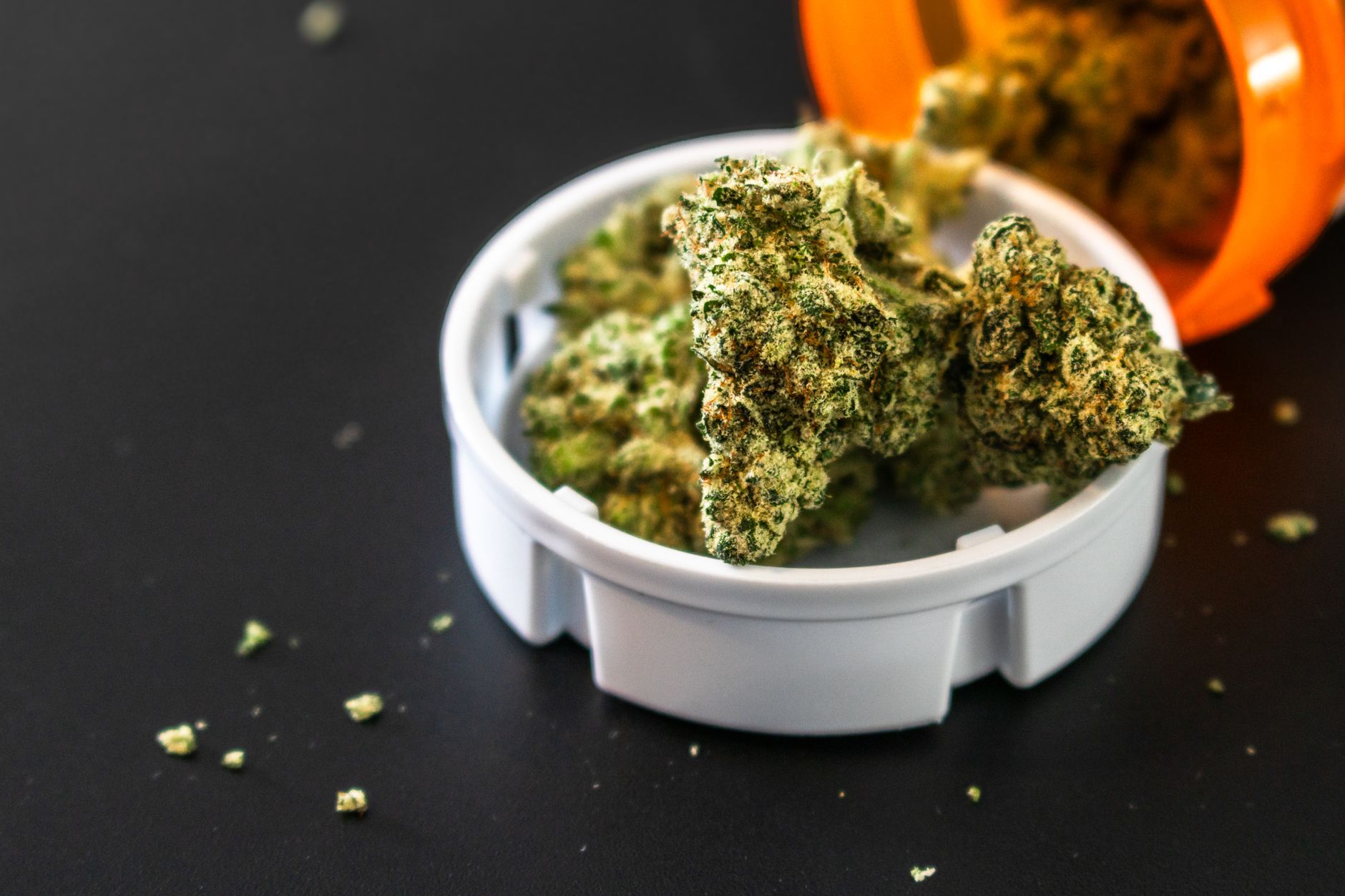
Talk to Us About Cannabis Medication Interactions — We’re Here for It
Understanding cannabis medication interactions isn’t just academic — it’s the difference between a product that helps you and one that creates new problems. You don’t have to figure this out alone. Our budtenders at MrGreen DC on Connecticut Avenue NW have these conversations every day, and we’ll help you choose products and methods that make sense for your specific situation. Stop by the shop, check out our cannabis menu, or get it delivered straight to your door with our same-day delivery service across DC — from Adams Morgan to Navy Yard and everywhere in between. Your health is worth the conversation.