
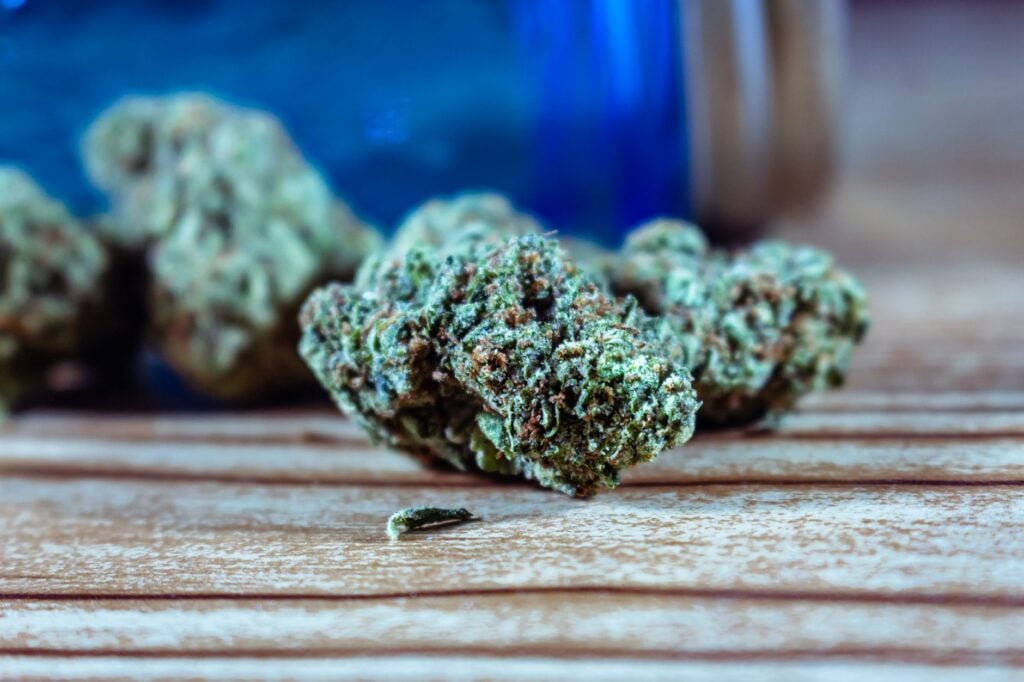
Explore cannabis for lupus relief — best strains, topicals, and tinctures for inflammation and joint pain. DC budtender tips from MrGreen DC on Connecticut Ave.
● mrgreendc.com
4302 Connecticut Avenue NW, Washington DC
If you’re researching cannabis for lupus, you’re probably not doing it out of casual curiosity — you’re doing it because you hurt. I get it. I had a patient walk in a few months ago, a woman in her thirties who lives over in Logan Circle. She’d been managing systemic lupus erythematosus for almost a decade, and she told me straight up: “I’m tired of being tired, and I’m tired of the side effects from my other meds.” That conversation lasted forty-five minutes, and it’s honestly one of the reasons I wanted to write this post. What you’ll find here isn’t copy-pasted medical advice. It’s what I’ve actually seen work behind the counter — the strains, the products, the terpene profiles, and the practical tips that DC medical cannabis patients with lupus keep coming back for.
Why Cannabis and Inflammation Matter for Lupus Patients
Lupus is, at its core, your immune system attacking your own body. Joints, skin, kidneys, brain — nothing’s really off-limits when SLE decides to flare. The chronic inflammation driving those flare-ups is relentless, and that’s exactly where cannabis and inflammation research gets interesting.
Cannabinoids like THC and CBD interact with your endocannabinoid system, which plays a direct role in regulating immune response and inflammation. I’m not a doctor, and I won’t pretend to be one. But the CB2 receptors — the ones concentrated in your immune tissue — respond to cannabinoids in ways that can dial down inflammatory signaling. That’s not me speculating. That’s published preclinical data.
Here’s the thing: most lupus patients I talk to at the shop aren’t just dealing with one symptom. It’s joint pain and bone-deep fatigue and brain fog and anxiety about the next flare. Cannabis doesn’t fix lupus. But it can address multiple symptoms simultaneously, which is something a lot of single-purpose pharmaceuticals simply don’t do. The anti-inflammatory cannabis angle is real, and it’s the main reason lupus patients are walking through our door on Connecticut Avenue.
Specific terpenes matter here too. Caryophyllene — the peppery one you’ll find in strains like GSC and Motorbreath — actually binds directly to CB2 receptors, functioning almost like a dietary cannabinoid. Myrcene has documented anti-inflammatory properties and is the most common terpene in cannabis. And linalool, the lavender-scented terpene, brings both anti-inflammatory and calming effects that lupus patients tend to love. If you want to go deeper on this stuff, check out our cannabis terpenes guide — I wrote a lot of it, and it’s genuinely useful.
Best Strains and Products for Lupus: Joint Pain, Fatigue, and Flare-Ups
Okay, let’s get specific. The most common question I get behind the counter from lupus patients is some version of: “What strain should I start with?” My answer depends on what’s hitting you hardest right now — cannabis and chronic pain needs a different approach than cannabis and fatigue, even though both are lupus symptoms.
For Joint Pain and Inflammation During Flare-Ups
Heavy indica strains with high myrcene and caryophyllene are your best friends during a flare. I keep pointing people toward Gelato Cake — it’s a potent indica-dominant strain that hits with deep physical relief without completely shutting your brain off. The caryophyllene content is solid, and the body relaxation is the kind that actually lets you unclench joints you didn’t realize you were guarding.
Motorbreath is another one I recommend constantly for pain. It’s heavy. Not a daytime strain for most people. But for nighttime flare management when your knees or hands feel like they’re full of ground glass? It does serious work.
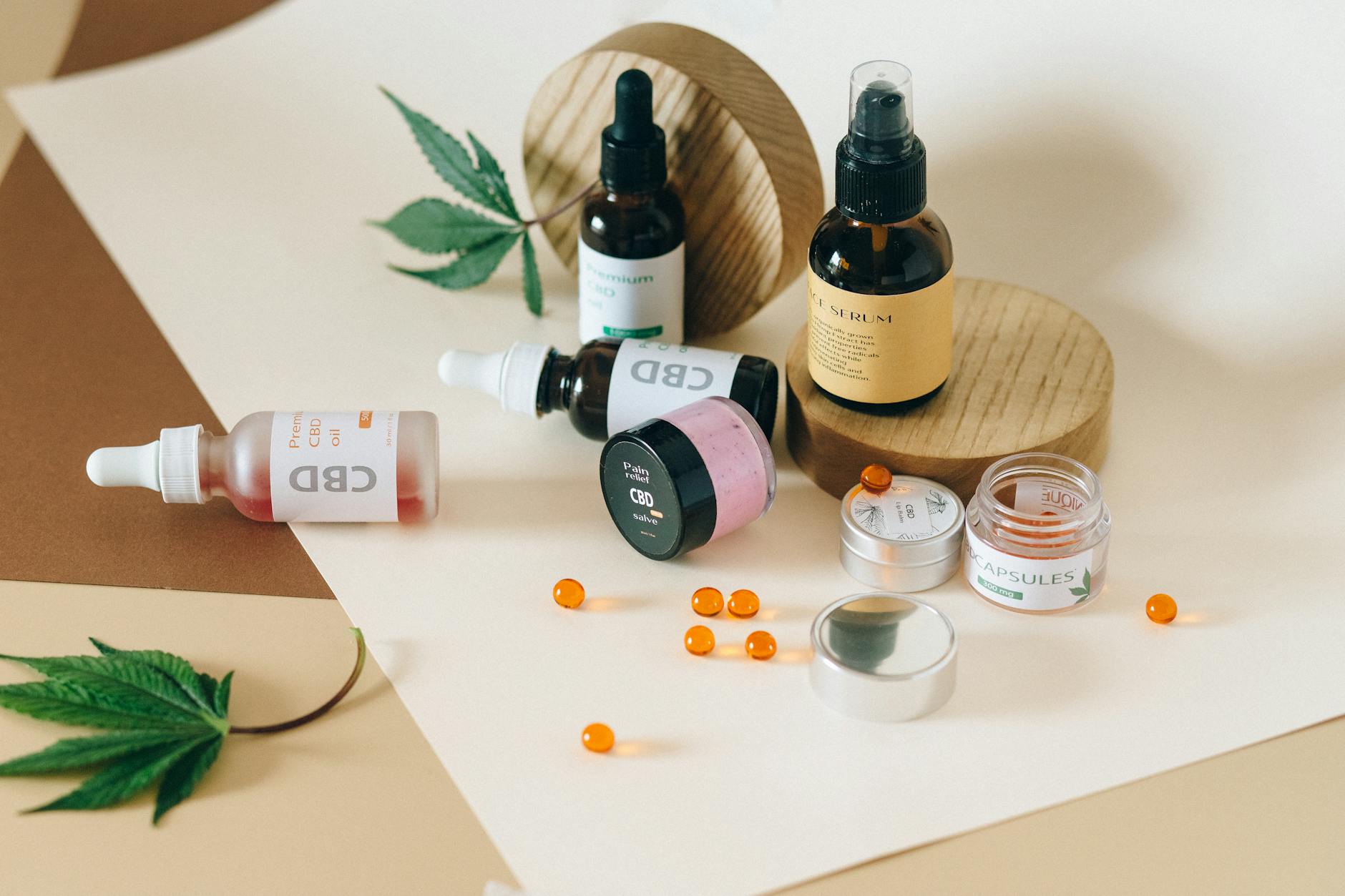
If you’re looking for something you don’t have to smoke, cannabis topicals applied directly to swollen joints can provide localized relief without any psychoactive effect (yes, zero head high — your coworkers won’t know). And our RSO syringe is popular with lupus patients who want strong, full-spectrum, whole-plant medicine they can dose precisely.
For Fatigue and Brain Fog
Cannabis and fatigue is a tricky pairing because the wrong strain will make exhaustion worse. Lupus fatigue isn’t the same as being sleepy — it’s that deep, systemic, “my bones are made of concrete” feeling. For daytime use, you want something with limonene and pinene — terpenes that promote alertness and mood elevation.
A balanced THC CBD ratio (think 1:1 or 2:1) is often the sweet spot here. You get enough THC to manage underlying pain without sedation, and the CBD keeps inflammation in check and smooths out the high. I’ll be blunt: pure sativa strains can sometimes spike anxiety in autoimmune patients who are already dealing with heightened nervous system activity. A balanced product is usually the smarter play.
If you don’t want to smoke at all, a cannabis tincture like our Motorbreath double-strength tincture lets you dial in your dose drop by drop. Sublingual absorption kicks in within fifteen to twenty minutes, so you’re not waiting around wondering if it worked.
cannabis and chronic pain
How to Use Cannabis Topicals and CBD for Localized Lupus Pain
Not every lupus patient wants to get high. Totally valid. Cannabis topicals and high-CBD for pain products exist specifically for this reason, and they’re genuinely effective for localized joint inflammation.
Topicals — balms, creams, transdermal patches — deliver cannabinoids directly to the affected area through your skin. They don’t cross the blood-brain barrier in meaningful amounts, so there’s no psychoactive effect. For lupus patients with specific problem joints (hands, knees, shoulders are the big three I hear about), a topical with both THC and CBD plus caryophyllene-rich terpenes can reduce swelling and dull that throbbing ache within about twenty minutes.
Honestly, I think topicals are underrated in the DC medical cannabis scene. People walk right past them looking for the best flower DC has to offer, and I get the appeal. But if you’ve got a swollen wrist that’s keeping you from typing at work, a topical is going to solve that problem faster and more discreetly than anything you smoke.
For broader, systemic inflammation — the kind that hits everywhere during a major lupus flare — a full-spectrum oral product is more practical. RSO (Rick Simpson Oil) contains the full range of cannabinoids and terpenes, and many lupus patients use a small dose (grain-of-rice size) once or twice daily as a maintenance strategy between flares. It’s not magic, but the patients who stick with a consistent routine are the ones who keep telling me their flares feel more manageable over time.
Building a Cannabis Routine Around Lupus Flare-Ups
Lupus isn’t constant. It comes in waves. So your cannabis use should reflect that. Here’s what I typically suggest to patients who are new to cannabis for lupus management:
- Between flares (maintenance): Low-dose CBD-dominant tincture in the morning, possibly a balanced 1:1 edible in the evening. Keep inflammation from building.
- During mild flares: Increase THC slightly. Add a topical for problem joints. Consider an indica-dominant flower for evenings — something like Purple Urkle, which is rich in myrcene and linalool.
- During severe flares: RSO for systemic relief. Heavy indica flower or concentrate at night. Topicals as needed throughout the day. This is also the time I’d suggest a vaporizer for faster onset — our PAX Mini is discreet and easy on inflamed lungs.
Look, the biggest mistake I see is patients only using cannabis reactively — waiting until pain hits an eight out of ten and then trying to put out a fire. Cannabis works better for chronic conditions like lupus when it’s part of a consistent daily routine, even at low doses. You wouldn’t skip your other medications for three weeks and then take five pills at once (no judgment, everyone asks about dosing strategy). Same logic applies here.
Whether you’re living in Shaw, working over by Capitol Hill, or posted up in Adams Morgan, flares don’t care about your schedule. Having products ready — a topical in your desk drawer, a tincture in the fridge, some indica strains on your nightstand — means you can respond immediately instead of scrambling.
Getting Your Medical Cannabis Card in DC Is Easier Than You Think
A lot of people assume getting a medical marijuana card DC requires a doctor’s visit, a diagnosis letter, and weeks of paperwork. It doesn’t. Not anymore.
DC uses a self-certification process through ABCA (the Alcoholic Beverage and Cannabis Administration). If you’re 21 or older, you can register online in about two minutes (seriously, two minutes). There’s no fee. No doctor’s appointment required. You self-certify that you have a qualifying condition — and autoimmune conditions like lupus absolutely qualify — and ABCA processes your registration.
Here’s the part that matters most to my patients with lupus who work federal jobs or government-adjacent gigs around Dupont Circle and Capitol Hill: ABCA does not share your patient data with employers, federal agencies, or anyone. Your registration is protected. Zero career risk. I’ve had this conversation hundreds of times, and the relief on people’s faces when they hear it is always the same. You deserve to manage your pain without worrying about your clearance.
Once you’re registered, you can walk into any licensed medical dispensary in Washington DC or order cannabis delivery straight to your home. No more guessing about product quality or wondering what’s actually in what you’re consuming.
Finding the Right Cannabis Dispensary in DC for Lupus Support
Not every cannabis dispensary DC has staff who understand autoimmune conditions. That’s just reality. You want a place where you can say “I have lupus” and the budtender doesn’t stare blankly or just point you toward the highest-THC flower on the shelf.
At MrGreen DC, we carry our full medical cannabis menu with the kind of variety lupus patients need — tinctures, RSO, topicals, balanced-ratio products, high-CBD options, and the best flower DC has available right now. Our team has years of cannabis industry experience and we actually take time with patients. If you need thirty minutes to figure out a routine, you get thirty minutes.
Using cannabis for lupus isn’t a one-size-fits-all situation. Your flare pattern, your symptom priority list, your tolerance, your work schedule — all of that matters. The right dispensary helps you figure it out rather than just swiping your card and sending you out the door.
If you’re a DC medical patient managing lupus and you’ve been curious about cannabis for lupus relief, come talk to us. We’re on Connecticut Avenue NW, easy to get to from pretty much anywhere in the city. You can also order through our same-day delivery service — we deliver throughout DC and to addresses near the DC/Maryland and DC/Virginia borders. Whether you need flower, a tincture, RSO, or just a real conversation about what might help, we’re here. Shop now at MrGreen DC or reach out with questions. You don’t have to figure this out alone.