Exploring cannabis for epilepsy seizures? MrGreen DC budtenders share the best strains, tinctures, and dosing tips for DC medical patients. Visit us today.
● mrgreendc.com
4302 Connecticut Avenue NW, Washington DC
If you’re researching cannabis for epilepsy seizures, you’re probably already past the “does this actually work?” phase and straight into “okay, what do I actually buy?” I get it. I had a patient come in a few months back — a Capitol Hill resident, mid-40s, been managing focal seizures for over a decade with two different anticonvulsants. She wasn’t trying to ditch her meds. She just wanted fewer breakthrough episodes and better sleep between them. We spent about forty minutes talking through her options, and three weeks later she came back and told me her seizure diary was the emptiest it had been in two years. That conversation is why I do this work. This post covers the strains, products, and practical seizure management strategies that actually matter for medical cannabis patients in DC.
Why Medical Cannabis for Epilepsy Seizures Is Getting Real Attention
Cannabis isn’t new to epilepsy treatment — what’s new is that the medical establishment finally stopped pretending it doesn’t work. The FDA approved Epidiolex (a pharmaceutical CBD isolate) back in 2018 for Lennox-Gastaut and Dravet syndromes, and that cracked open the door. But here’s what a lot of patients don’t realize: whole-plant cannabis products available at a medical dispensary in Washington DC often contain a broader range of cannabinoids and terpenes than a single-molecule pharmaceutical. That matters because of something called the entourage effect — where CBD, trace THC, and terpenes like linalool and myrcene work together in ways isolated compounds can’t replicate on their own.
Does that mean cannabis replaces your neurologist? Absolutely not. But it does mean that a well-chosen cannabis product can become part of a seizure management plan that’s more effective than either approach alone. The most common question I get behind the counter from epilepsy patients is whether they need to choose between CBD and THC. You don’t. In fact, the best results I’ve seen usually come from products that contain both — a balanced THC CBD ratio, typically somewhere between 1:1 and 1:20 CBD-to-THC.
Best High CBD Flower and Products for Seizure Management
Let’s get specific, because vague advice helps nobody. When patients ask me about using cannabis for epilepsy seizures, I steer them toward three main product categories, and I’ll rank them by what I’ve seen work best in six years of cannabis industry experience.
Cannabis Tinctures — The Gold Standard for Seizure Patients
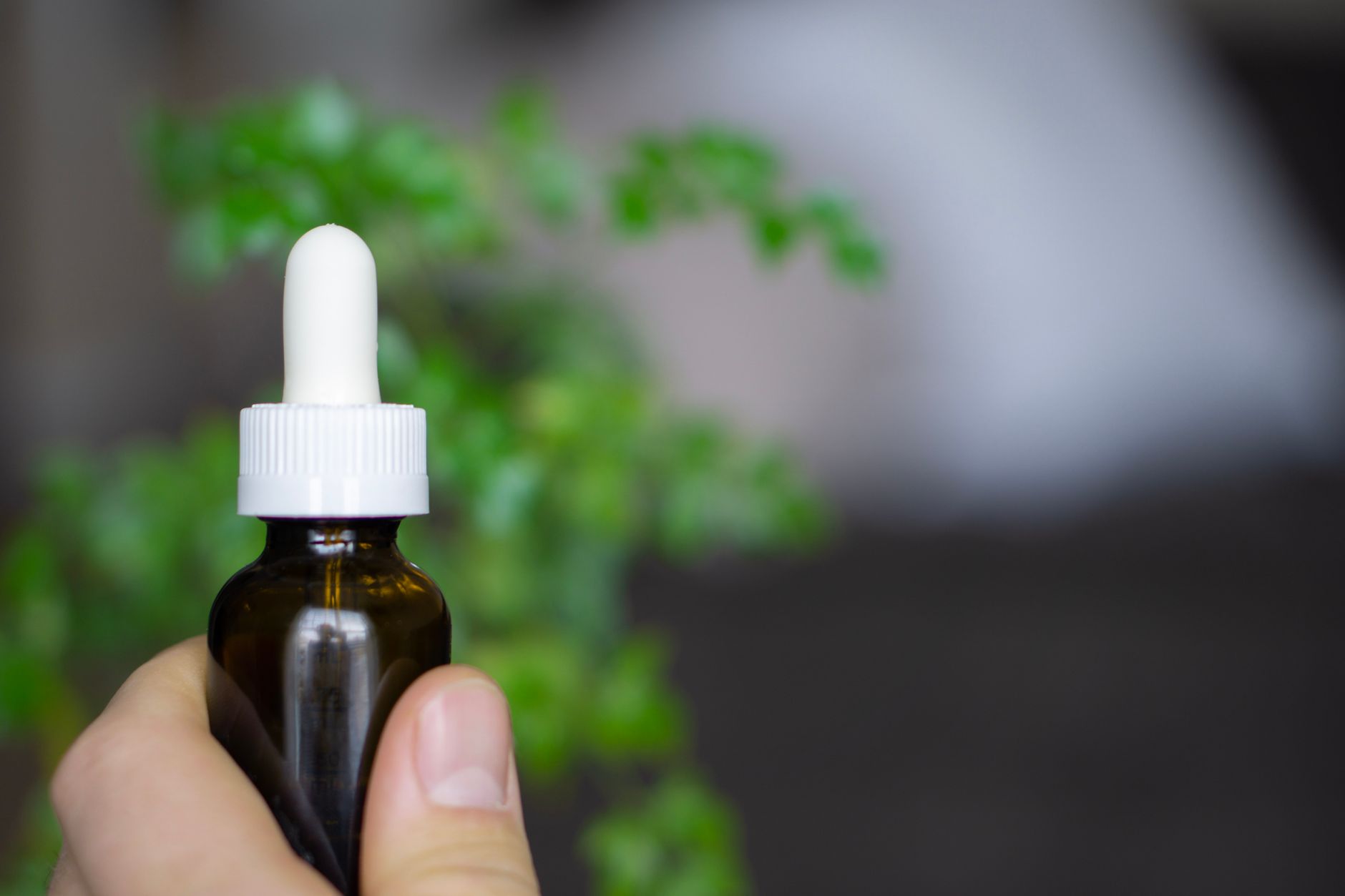
A cannabis tincture is my number-one recommendation for epilepsy patients. Full stop. Why? Dosing precision. You can measure down to the milligram with a dropper, and sublingual cannabis absorption (under the tongue) kicks in within 15–20 minutes. That’s faster than edibles and more controllable than smoking. Our Motorbreath double-strength tincture is popular for patients who need reliable THC content alongside their CBD regimen, though for a high-CBD tincture specifically, ask us what’s currently in stock — our inventory rotates and we’ll match you to the right ratio.
Honestly, tinctures are underrated in general. Most people walk in wanting flower or vapes, and I have to gently redirect them. For seizure management, consistency is everything. You can’t precisely dose a joint. You can precisely dose 0.5 mL of a tincture twice a day.
Cannabis Capsules and RSO for Longer-Lasting Relief
Cannabis capsules and RSO (Rick Simpson Oil) are the next tier. They take longer to kick in — usually 45 minutes to two hours — but they last significantly longer, often six to eight hours. For patients who experience seizures during sleep (nocturnal epilepsy is more common than people think), a cannabis oil like our RSO syringe (500mg) taken before bed can provide coverage through the night. RSO is potent, though. Start with a rice-grain-sized dose (seriously, that small) and work up slowly over a week or two.
High CBD Flower for Immediate Symptom Relief
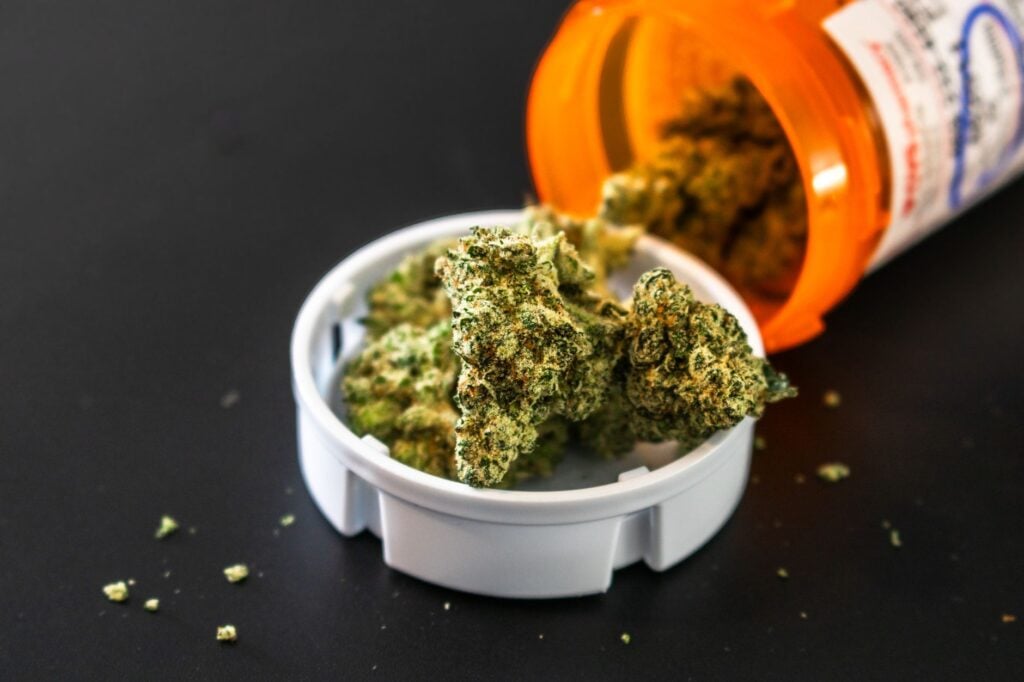
High CBD flower has its place too, particularly for patients who feel an aura or prodrome before a seizure and need something that works in minutes. Smoking or vaporizing delivers cannabinoids to the bloodstream almost immediately. The downside? Dosing is less precise, and duration is shorter — usually two to three hours. I’d consider flower a rescue option rather than a daily maintenance tool. A dry herb vaporizer like the PAX Mini is gentler on the lungs than combustion if you go this route.

cannabis tincture
Terpenes That Matter for Cannabis and Epilepsy Seizures
Not all cannabis is created equal, and the cannabinoid ratio is only half the story. Terpenes — the aromatic compounds that give each strain its smell and flavor — play a real role in how a product affects your nervous system. Here are the ones I pay attention to when helping epilepsy patients:
- Linalool — Found in lavender and certain cannabis cultivars. Research shows anticonvulsant properties in animal models, and anecdotally, patients report it enhances the calming effect of CBD.
- Myrcene — The most common terpene in cannabis. It’s sedating, which helps with the sleep disruption that comes with seizure disorders. Strains heavy in myrcene tend to relax the body without scrambling your head.
- Caryophyllene — This one’s unique because it actually binds to CB2 receptors like a cannabinoid. It’s anti-inflammatory and may help with the neuroinflammation associated with epilepsy.
- Limonene — Primarily an anti-anxiety terpene. Seizure patients deal with enormous anxiety (will one happen at work? while driving? in public?), and limonene-rich strains can take the edge off that constant worry.
- Pinene — Early research suggests neuroprotective properties. It’s also known to counteract some of THC’s cognitive fog, which matters if you’re microdosing THC alongside CBD during the day.
Here’s the thing: when you’re shopping at a dispensary, don’t just look at THC and CBD percentages. Ask to see the terpene profile on the lab results. If a budtender can’t show you terpene data, that’s a red flag. At MrGreen DC, we’ll walk you through every COA (certificate of analysis) on the shelf.
Microdosing Cannabis for Seizure Control — How to Start Smart
Microdosing cannabis isn’t just a trend — for epilepsy patients, it’s genuinely the safest way to begin. The goal is therapeutic benefit without impairment, and that means starting well below what a recreational user would consider a “dose.”
For CBD-dominant products, I usually recommend starting at 10–15 mg of CBD twice daily. If the product also contains THC (and for seizure management, a small amount of THC often helps), you’re looking at 1–2.5 mg of THC per dose initially. That’s typically not enough to feel “high” — most patients describe it as a subtle calm. Increase by 5 mg of CBD (and 1 mg of THC if applicable) every five to seven days until you find your sweet spot.
Keep a seizure diary. Old school, I know, but it works. Track your dose, the time you took it, seizure frequency, seizure intensity, sleep quality, and any side effects. After three to four weeks, you’ll have real data — not guesses — to share with your neurologist. Cannabis for epilepsy seizures works best when it’s part of a documented, tracked protocol rather than a “let’s see what happens” experiment.
A Note on Cannabis Drug Interactions
This part is non-negotiable: if you’re on anticonvulsant medications — especially clobazam, valproate, or carbamazepine — you need to know that cannabis drug interactions are real. CBD inhibits certain liver enzymes (CYP3A4 and CYP2C19, specifically) that metabolize many epilepsy drugs. That can increase the effective concentration of your medication in your blood, which might sound good but can actually push you into side-effect territory. Some patients on clobazam, for example, experience increased sedation when adding CBD.
I’m not a doctor. I won’t pretend to be one. But I’ve seen enough patients manage this successfully to know the process: start low with cannabis, get your blood levels checked two to four weeks after starting, and keep your neurologist in the loop. The patients who do best with cannabis for epilepsy seizures are the ones who treat it as a serious addition to their medical plan, not a casual experiment (no judgment if you started casually — everyone does, just tighten it up now).
How to Get a Medical Cannabis Card in DC — It’s Easier Than You Think
If you’re a DC resident or you work here and you’ve been wondering how to get a medical cannabis card DC style, the answer is going to surprise you. It takes about two minutes. No, really.
DC uses a self-certification process through the ABCA (Alcoholic Beverage and Cannabis Administration). You don’t need a doctor’s recommendation. You don’t need to prove a diagnosis. If you’re 21 or older, you go to the ABCA website, self-certify that you have a qualifying condition, and you’ll receive your medical cannabis patient card. There’s no fee. That’s it.
Now here’s the part that matters most for a lot of my patients in Dupont Circle, Shaw, and other DC neighborhoods: ABCA does not share your patient data with employers, federal agencies, or anyone else. Period. I can’t tell you how many government workers, contractors, and Hill staffers I’ve talked to who assumed getting a card would end their career. It won’t (yes, even your employer won’t know). Your registration is protected by strict patient privacy rules. There’s zero career risk from becoming a medical cannabis patient in DC.
For epilepsy patients specifically, having a medical card gives you access to products with verified lab testing, proper cannabinoid ratios, and actual dosing guidance from trained budtenders — none of which you get from unregulated sources. If you’re serious about using cannabis for seizure management, the card is step one. Check out our full walkthrough on how to get a DC med card if you want the step-by-step.
Choosing the Right Product: Practical Tips from Behind the Counter
After hundreds of conversations with patients managing seizure disorders, here’s what I’d tell you if you walked into our Connecticut Avenue location today:
- Start with a tincture or capsule, not flower. Consistency matters more than speed of onset for daily seizure management.
- Ask for a balanced THC CBD product first. Pure CBD isolate works for some people, but most of my epilepsy patients do better with at least a small amount of THC in the mix. A 10:1 or 20:1 CBD-to-THC ratio is a great starting point.
- Don’t chase high THC. This isn’t about getting the strongest product on the shelf. More THC isn’t better for seizure control — in fact, very high THC doses can lower the seizure threshold in some patients.
- Build a routine. Take your cannabis product at the same times every day, just like you would any other medication. Morning and evening dosing is what I see work most often.
- Communicate with your medical team. Bring your seizure diary. Show them what you’re taking. The best outcomes I’ve witnessed are always collaborative.
Look, I know the idea of walking into a dispensary and asking about seizures can feel weird. Especially if your only reference point for cannabis is your college roommate’s bong. But this is medicine. We treat it that way. Browse our cannabis menu before you come in so you have a sense of what’s available, and don’t hesitate to call ahead with questions — that’s what we’re here for.
Using cannabis for epilepsy seizures isn’t about miracle cures or replacing proven treatments. It’s about adding another tool — a real, evidence-backed one — to your seizure management plan. Whether you’re in Columbia Heights, Logan Circle, or anywhere else in the District, our team at MrGreen DC on Connecticut Avenue NW is ready to help you find the right product, the right dose, and the right routine. Stop by the shop, or set up a delivery if getting here is tough. You’ve already done the hard part — you’re informed. Now let’s put that knowledge to work.