This cannabis dosing guide for beginners covers edibles, tinctures, and flower dosing for DC medical patients. Get real advice from MrGreen DC budtenders o
If you’re a new medical cannabis patient in DC, this cannabis dosing guide for beginners is the thing I wish someone had handed me on my first day behind the counter six years ago. Because here’s what nobody tells you: the difference between a great experience and a terrible one almost always comes down to dose. Not the strain. Not the brand. The dose. I had a patient come in last month — a Capitol Hill attorney, super sharp, first time trying cannabis since college — and she’d eaten an entire 50mg edible her friend gave her. Spent four hours convinced her heart was going to explode. It wasn’t. She was fine. But she almost never came back. That’s the story I hear at least twice a week, and it’s completely preventable.
Today I’m breaking down exactly how to dose edibles, tinctures, and flower so you don’t become that story. We’ll cover how long edibles take to kick in, why microdosing cannabis is probably your best starting move, and the real differences between edibles vs smoking that actually matter. Let’s get into it.
How to Dose Edibles: The Format That Trips Up the Most Beginners
Cannabis edibles are the number-one thing new medical cannabis patients in DC ask me about, and they’re also the number-one thing people get wrong. The reason is simple: cannabis bioavailability through your digestive system is wildly different from inhaling it. When you eat a cannabis edible, your liver converts delta-9-THC into 11-hydroxy-THC, which is significantly more potent and lasts way longer. That’s not a warning label — it’s just biology.
Here’s my starting-dose rule that I give every single first-timer at our dispensary on Connecticut Avenue:
- True beginners: 2.5mg THC. That’s it. Not 5mg, not 10mg. Two and a half milligrams.
- Some cannabis experience but new to edibles: 5mg THC.
- Regular users switching formats: 5–10mg THC, then adjust from there.
I know 2.5mg sounds laughably small. It’s not. The most common question I get behind the counter is “why didn’t my edible work?” and the answer is almost always the same — they didn’t wait long enough and took more. So how long do edibles take to kick in? Anywhere from 45 minutes to two full hours, depending on your metabolism, what you’ve eaten that day, and your body composition. On an empty stomach, you might feel it in 30 minutes. After a big dinner in Adams Morgan? Could be 90 minutes before anything registers.
The golden rule: take your dose, set a timer for two hours, and don’t touch another milligram until that timer goes off. Write it on your hand if you have to.
Sublingual Dosing Tips: Why Tinctures Are My Go-To Recommendation for New Patients
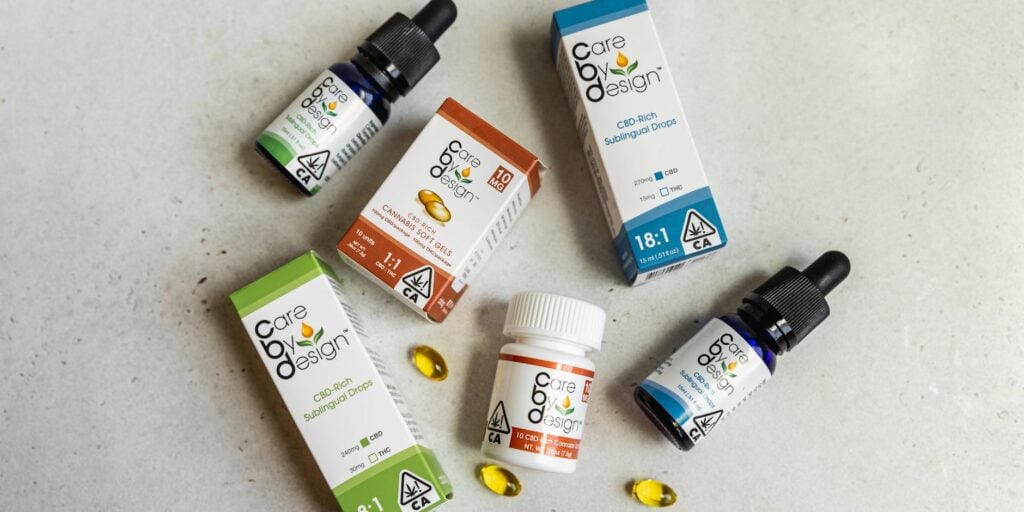
Honestly, if you’re a first-time dispensary visitor in DC and you’re nervous about dosing, I’m going to steer you toward a cannabis tincture before anything else. Here’s why: tinctures give you the most control. A calibrated dropper lets you measure down to 1mg of THC, which means you can dial in your perfect dose with actual precision instead of guessing.
The key with sublingual dosing tips is placement and patience. Drop the oil under your tongue, hold it there for 60–90 seconds (seriously, time it), then swallow. That sublingual absorption sends cannabinoids directly into your bloodstream through the tissue under your tongue. You’ll typically feel effects within 15–30 minutes — much faster than edibles, much more predictable. The cannabis bioavailability sublingual route is roughly 20–35%, compared to about 6–20% for swallowed edibles.
A lot of patients from the Dupont Circle and Logan Circle area stop by specifically for our tincture selection because they work in professional settings and need something discreet with reliable timing. A tincture at 8 PM means they know exactly what their evening looks like. No surprises. Check out our cannabis menu for the current tincture options — we keep both THC and CBD ratios in stock so you can customize your experience.
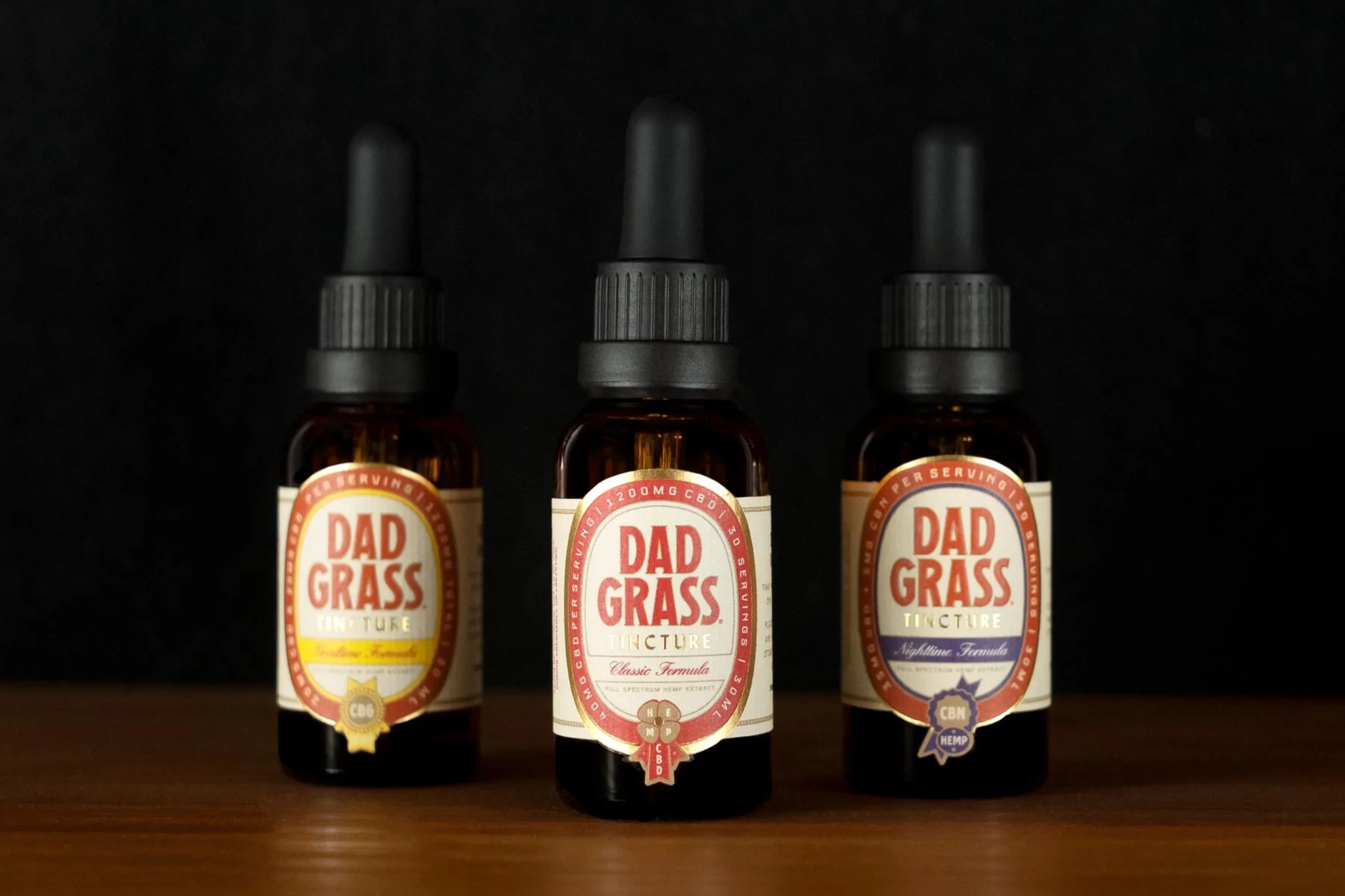
cannabis tincture
Edibles vs Smoking: Cannabis Flower Dosing for Medical Patients
Let’s talk about cannabis flower, because it’s still the most popular format we sell and for good reason. When you compare edibles vs smoking, the biggest practical difference is onset time and duration. Inhaled cannabis — whether smoked or vaped — hits in 1–5 minutes and generally lasts 1–3 hours. Edibles take up to two hours to kick in and can last 4–8 hours. That’s a massive difference when you’re trying to manage a medical condition on a schedule.
For flower dosing, I tell beginners to think in puffs, not bowls or joints. One small inhalation from a pipe or vaporizer is your starting dose. Wait 10–15 minutes. Still not feeling it? Take one more. This is microdosing cannabis in its simplest form, and it’s the fastest feedback loop you’ll get with any consumption method.
Terpene profiles matter here too. A flower high in myrcene is going to feel heavier and more sedating than something loaded with limonene, which tends to be uplifting and clear-headed. If you’re using cannabis for pain, strains with significant caryophyllene content are worth asking about — it’s the only terpene that directly interacts with CB2 receptors. Our cannabis terpenes guide goes deeper on this if you’re curious.
Here’s the thing: smoking flower gives you real-time control that edibles simply can’t match. You can stop the moment you feel right. With an edible, you’re along for whatever ride you bought the ticket to. That’s not a knock on edibles — they’re amazing for sustained relief — but for a brand-new medical cannabis patient in DC still figuring things out, flower or tinctures give you training wheels that actually work.
Microdosing Cannabis: The Strategy Most Beginners Skip
Microdosing cannabis means taking the smallest effective dose — typically 1–2.5mg of THC — to get therapeutic benefits without significant psychoactive effects. And I’ll be honest, most people don’t believe me when I say that 2mg of THC can actually do something meaningful. Then they try it for a week and come back surprised.
The patients I see around the U Street Corridor and Shaw neighborhoods who are using cannabis for anxiety or sleep tend to do really well with microdosing. It doesn’t knock you sideways. You can function. You’re not staring at the wall trying to remember what you were doing. You just feel… a little better. A little less tense. Your shoulders drop half an inch. That’s a microdose working.
A practical microdosing schedule I recommend:
- Days 1–3: 1–2.5mg THC (tincture or low-dose edible), once in the evening.
- Days 4–7: If you feel nothing, increase to 2.5–5mg. Same time, same routine.
- Week 2: You’ve likely found your minimum effective dose. Stay there.
The goal isn’t to keep increasing until you’re blasted. It’s to find the floor — the lowest amount that gives you relief. Your body’s endocannabinoid system responds to consistent, low-level input, and patience here pays off big. Strains or products with a mix of THC and CBD (like a 1:1 ratio) are particularly good for microdosing because the CBD moderates the THC’s intensity while adding its own therapeutic effects, especially when linalool or pinene are present in the terpene profile.
Getting Your DC Medical Cannabis Card: It’s Easier Than You Think
If you’ve read this far and you’re not yet a medical cannabis patient in DC, here’s the good news: getting your card is absurdly simple. DC uses a self-certification process through the ABCA medical cannabis program. Anyone 21 or older can register online. No doctor’s appointment needed. No fee. The whole thing takes about two minutes (no, I’m not exaggerating). You fill out a form, confirm you have a qualifying condition, and you’re in the system.
Look, the question I get asked most often — even more than dosing — is about privacy. People who work on the Hill, federal employees, folks with security clearances. They want to know: “Will my employer find out?” The answer is no. The ABCA (DC’s cannabis regulator) enforces strict patient confidentiality. Your registration data isn’t shared with employers, federal agencies, or anyone else. Period. You’re protected. Zero career risk from getting your card.
Once you’re registered, you can visit us on Connecticut Avenue or use our cannabis delivery service anywhere in DC — Columbia Heights, Georgetown, Navy Yard, wherever. We’ve also got a full breakdown on how to get a DC med card if you want step-by-step screenshots.
Find Your Dose With Help From Real Budtenders
A cannabis dosing guide for beginners can point you in the right direction, but nothing beats talking to someone who’s helped hundreds of first-timers find their sweet spot. That’s what we do every day at MrGreen DC on Connecticut Avenue NW. Swing by, bring your questions (no judgment, everyone asks), and we’ll walk you through product options that match your goals and your comfort level. Not in the neighborhood? Our same-day delivery covers all of DC — from Adams Morgan to Navy Yard and everywhere in between. Your first dose should be a good one. We’ll make sure it is.