
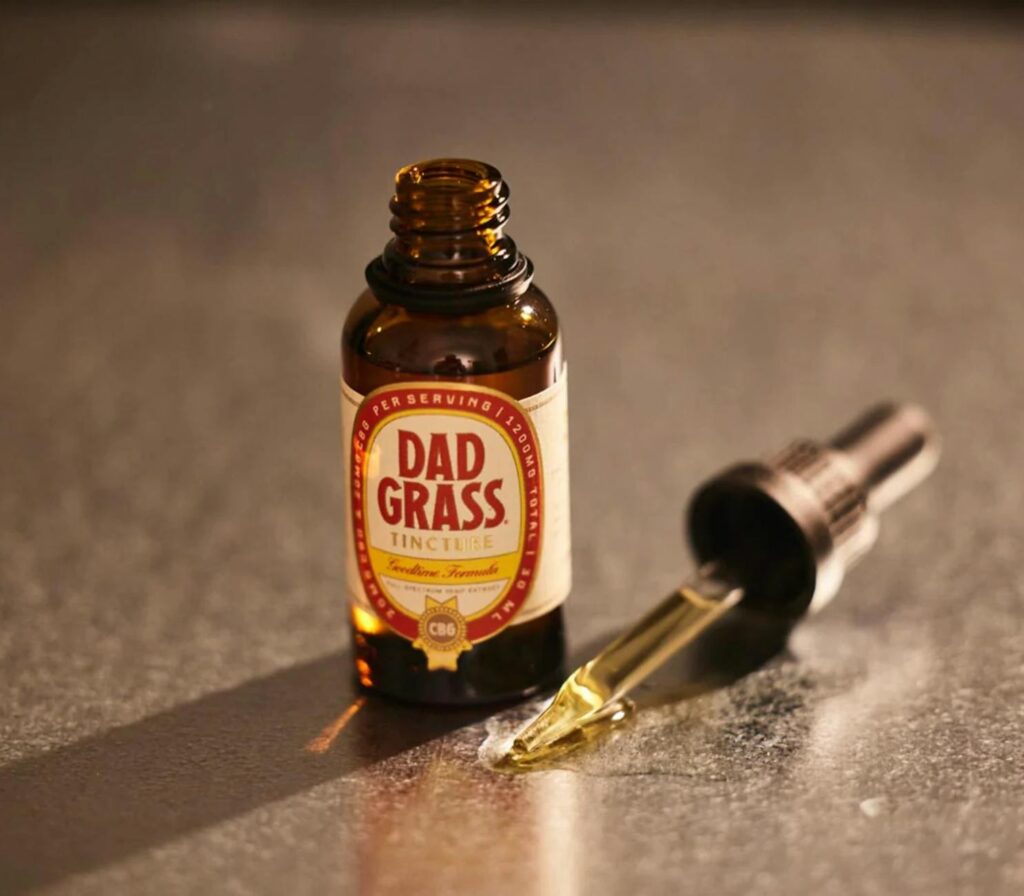
Learn how to use a cannabis tincture sublingually with dosing tips from DC budtenders. THC vs CBD, microdosing, and more. Visit MrGreen DC on Connecticut A
If there’s one product I find myself explaining more than any other behind the counter, it’s the cannabis tincture. People walk in expecting something complicated — lab equipment, chemistry degrees, whatever. Then I show them a small bottle with a dropper, and the relief on their faces is immediate. A tincture is just a liquid cannabis extract, usually in MCT oil or alcohol, that you drop under your tongue. That’s it. Simple, discreet, and wildly effective when you know what you’re doing.
I had a patient come in a few weeks ago — retired federal employee from Dupont Circle, early sixties, dealing with chronic knee pain. She’d never touched cannabis in her life. Smoking was off the table. Edibles scared her because a friend once ate a whole brownie and had a bad night. I handed her a low-dose CBD tincture with a little THC, walked her through sublingual dosing, and she came back the following week genuinely surprised at how well it worked. That’s the conversation I want to have with you right now.
In this guide, I’ll break down exactly how to take a cannabis tincture, the real differences between THC and CBD formulations, why sublingual cannabis hits differently than edibles, and how DC medical patients can get started with zero hassle. Whether you’re brand new or you’ve been a medical cannabis patient in DC for years, there’s probably something here you haven’t heard before.
How to Take a Cannabis Tincture: Sublingual Cannabis Basics
The word “sublingual” just means under the tongue. You shake the bottle, squeeze the dropper, place the oil under your tongue, and hold it there for 60 to 90 seconds before swallowing. That’s the whole process (seriously, two minutes). The tissue under your tongue is thin and loaded with blood vessels, which means the cannabinoids absorb directly into your bloodstream without passing through your digestive system first.
Why does that matter? Cannabis bioavailability. When you eat an edible, THC passes through your liver and gets converted into 11-hydroxy-THC — a different, often stronger metabolite. That’s why edibles can feel unpredictable and take an hour or more to kick in. Sublingual cannabis skips that whole process. You’ll typically feel effects within 15 to 30 minutes, and the experience is much more consistent dose to dose.
Here’s the thing: most people mess up the “hold it under your tongue” step. They squeeze the dropper, swish it around for five seconds, and swallow. That basically turns your tincture into a slow edible. If you want the fast, predictable onset that makes sublingual dosing worth it, you’ve got to be patient. Sixty seconds minimum. Ninety is better. I tell patients to set a timer on their phone until it becomes habit.
A few more practical tips. Don’t eat or drink anything for about ten minutes before and after dosing — you want a clean, dry mouth for maximum absorption. Start with whatever dose is marked as one serving on the bottle, which is usually 0.5 mL or 1 mL. And keep the bottle stored upright in a cool, dark spot. Cannabis oil degrades in heat and light, so the kitchen windowsill isn’t the move.
THC vs CBD Tinctures: Choosing the Right Formulation for You
This is probably the most common question I get behind the counter. “Should I get THC or CBD?” And my answer is always the same — it depends on what you’re trying to accomplish. (No judgment, everyone asks.) But I’m not going to leave it there. Let me actually break it down.
CBD-dominant tinctures are ideal if you want relief without any psychoactive effects. We’re talking anxiety, mild inflammation, general tension, trouble winding down at night. CBD doesn’t get you high. Period. A good CBD dosage guide would tell you to start around 10–15 mg and work up from there, but honestly, some patients do great at 25 mg right out of the gate. CBD is forgiving — there’s no real ceiling where things get uncomfortable.
THC-dominant tinctures are a different animal. These will produce a psychoactive effect, and they’re fantastic for chronic pain, nausea, insomnia, and appetite stimulation. But dosing matters a lot more. If you’re new to THC, start at 2.5 mg. Not 10. Not 5. 2.5. You can always take more in an hour. You can’t take less once it’s in your system.
Full spectrum cannabis tinctures contain both THC and CBD along with other cannabinoids and terpenes — and this is what I personally recommend to most patients. The entourage effect is real. When you’ve got linalool and myrcene working alongside THC and CBD, the relief is noticeably deeper and smoother than an isolate product. I’ve seen it over and over again at the shop. A 1:1 THC-to-CBD ratio is a brilliant starting point because the CBD actually moderates the THC, reducing anxiety and paranoia while still delivering therapeutic effects.
Check out our cannabis terpenes guide if you want to understand exactly how terpenes like caryophyllene and limonene shape the effects of different tincture formulations. It’ll change how you shop.

CBD-dominant tinctures
Sublingual Dosing Tips: How to Microdose and Find Your Sweet Spot
Microdosing cannabis is one of the smartest things a medical patient can do, and tinctures make it almost effortless. A standard dropper usually holds 1 mL of cannabis oil. Most bottles will tell you exactly how many milligrams of THC and CBD are in that 1 mL. From there, it’s just basic math.
Let’s say your tincture contains 20 mg of THC per milliliter. A full dropper is 20 mg — way too much for a beginner. Half a dropper is 10 mg. A quarter dropper is 5 mg. For true microdosing, you’d want 2.5 mg or less, which is about an eighth of that dropper. Some brands sell lower-potency tinctures specifically designed for microdosing, and those are honestly easier to work with if precise dosing matters to you.
My recommended approach for new patients:
- Days 1–3: Start with 2.5 mg THC (or 10 mg CBD if using a CBD tincture). Take it once in the evening so you can observe effects without worrying about work or obligations.
- Days 4–7: If you felt nothing meaningful, increase by 2.5 mg THC or 5 mg CBD. Same time of day.
- Week 2 onward: Continue increasing slowly until you find relief. The goal isn’t to get blasted — it’s to find the lowest effective dose.
Honestly, the patients I see who have the best outcomes are the ones who keep a simple journal. Just jot down the dose, the time, and how you felt an hour later. After a week, you’ve got real data instead of guessing. It takes the mystery out of the whole thing and saves you money because you’re not overshooting your dose.
One more thing people don’t talk about enough: timing matters. A sublingual tincture taken on an empty stomach will hit faster and sometimes harder. If you’ve just eaten a big meal, absorption slows down. Neither approach is wrong, but be consistent so you can compare results day to day.
How DC Medical Cannabis Patients Can Get Their Card in Minutes
I still get people walking into our shop on Connecticut Avenue who think they need a doctor’s appointment, referral letters, or some long bureaucratic process to become a medical cannabis patient in DC. That hasn’t been true for a while now. DC uses a self-certification system, and it’s the easiest thing you’ll do all week.
Here’s how it works. You go to the DC Health medical cannabis program website. If you’re 21 or older, you can self-certify — meaning you personally attest that you have a qualifying condition. There’s no doctor visit required. No fee. The whole process takes about two minutes online. Once you’re registered, you can legally purchase from any licensed medical dispensary in Washington DC.
Now, the privacy concern. I hear it all the time, especially from patients who work in government or federal contracting (this is DC, after all). The ABCA (DC cannabis regulator) enforces strict patient privacy protections. Your registration data is not shared with employers, federal agencies, or anyone else. Period. You’re protected. There’s zero career risk from having a DC medical cannabis card. I’ve had patients from Capitol Hill to Shaw who held off for years because of this exact worry — and every single one has told me they wish they’d signed up sooner.
If you want a full walkthrough with screenshots, check out our guide on how to get a DC med card. We put it together specifically so you don’t have to guess at any step.
Why a Cannabis Tincture Might Be the Best Product You’re Not Using
I sell flower all day. Vapes, too. But if someone asks me for my honest opinion on the most underrated product category in our cannabis menu, it’s tinctures every time. They’re discreet — no smell, no smoke, no visible vapor. You can dose precisely, which is almost impossible with flower. And the onset is fast enough to be practical but gentle enough to be manageable.
For patients dealing with chronic conditions — arthritis, anxiety, PTSD, insomnia — a consistent daily tincture routine often works better than sporadic smoking sessions. The cannabinoids stay more level in your system throughout the day. I’ve watched patients switch from smoking multiple times a day to a twice-daily tincture regimen and report better results with less total cannabis consumed. That’s not a sales pitch. That’s six years of watching what actually works.
Tinctures also travel well. Heading out from your Logan Circle apartment to a dinner in Adams Morgan? A small bottle in your bag is a lot easier than a vape pen you’ve got to worry about someone seeing. Older patients especially appreciate the simplicity — no learning curve, no accessories, no charging cables.
Look, I’m not saying tinctures are for everyone. If you enjoy smoking flower, keep doing that. But if you’ve been curious about sublingual cannabis and haven’t tried it yet, you’re genuinely leaving relief on the table.

Frequently Asked Questions About Cannabis Tinctures
How long does it take for a cannabis tincture to kick in?
Sublingual cannabis tinctures typically take 15 to 30 minutes to produce noticeable effects. This is significantly faster than edibles, which can take 60 to 90 minutes. The key is holding the oil under your tongue for at least 60 seconds so the cannabinoids absorb directly through the tissue into your bloodstream rather than passing through your digestive system.
What’s the difference between THC and CBD tinctures?
THC tinctures produce psychoactive effects and are primarily used for pain, nausea, insomnia, and appetite stimulation. CBD tinctures don’t cause a high and are best for anxiety, inflammation, and general relaxation. Full spectrum products contain both cannabinoids plus terpenes like myrcene and caryophyllene, which work together to enhance therapeutic benefits through the entourage effect.
Can I swallow a tincture instead of holding it under my tongue?
You can, but it changes how the product works. Swallowing a tincture routes it through your digestive system and liver, essentially turning it into an edible with slower onset and different potency. For faster, more predictable effects, always hold the cannabis oil sublingually for 60 to 90 seconds before swallowing. Most patients find sublingual dosing far more consistent.
How much tincture should a beginner take?
New patients should start with 2.5 mg of THC or 10 to 15 mg of CBD per dose. Take it once in the evening and wait at least two hours before considering a second dose. Increase by small increments every few days until you find your minimum effective dose. Microdosing cannabis this way prevents overconsumption and helps you build a reliable, comfortable routine.
Do I need a medical card to buy cannabis tinctures in DC?
Yes. Washington DC operates a medical-only cannabis program. To purchase tinctures or any cannabis product from a licensed dispensary, you need a medical cannabis card. The good news is DC’s self-certification process is free, takes about two minutes online through DC Health, requires no doctor visit, and is available to anyone 21 or older. Your information stays private and isn’t shared with employers.
Ready to Try a Cannabis Tincture? We’re Here to Help.
If you’re a medical cannabis patient in DC — or you’re about to become one — we’d love to walk you through your first cannabis tincture in person. The staff at MrGreen DC dispensary on Connecticut Avenue NW actually enjoys this stuff, and we’ll help you pick the right product, the right dose, and the right routine for your needs. Stop by our shop, or if you’re anywhere from Dupont Circle to Logan Circle and beyond, we offer same-day weed delivery straight to your door. No guesswork. Just good cannabis and honest advice.