
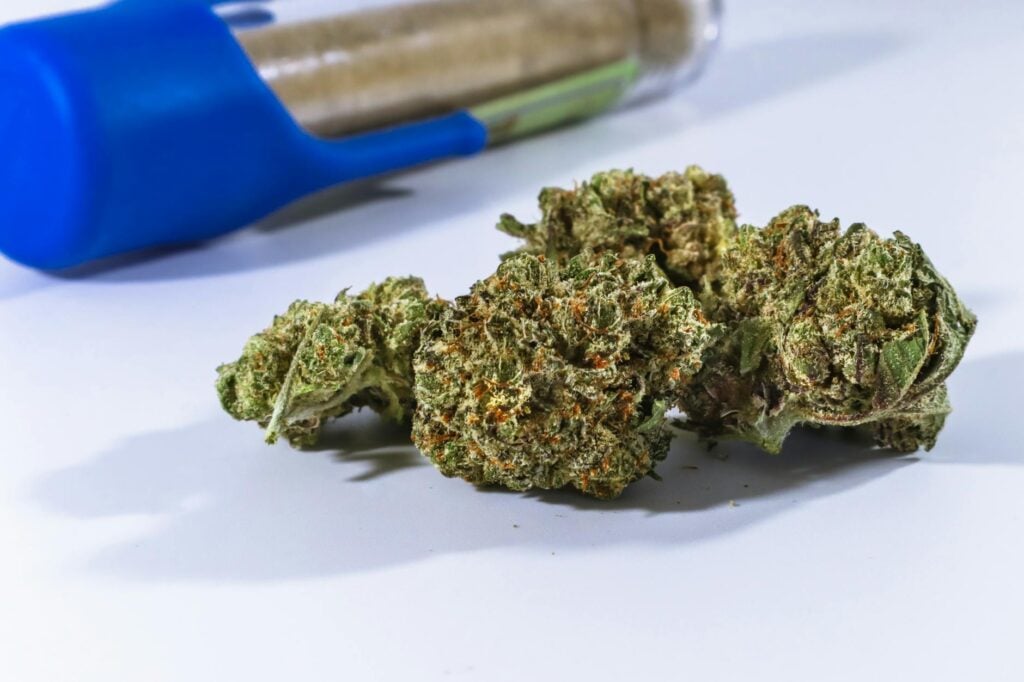
Cannabis for cancer patients DC — real budtender picks for pain, nausea, and sleep relief. Best strains, tinctures, and RSO. Visit MrGreen DC on Connecticut Ave.
● mrgreendc.com
4302 Connecticut Avenue NW, Washington DC
If you’re researching cannabis for cancer patients DC, I want you to know something right up front — you’re not alone in this, and you’re asking exactly the right questions. I’m Marcus, and I’ve been working the counter at MrGreen DC dispensary on Connecticut Avenue for six years now. A few months ago, a woman came in — mid-fifties, just finished her second round of chemo, couldn’t keep food down, hadn’t slept more than three hours straight in weeks. She told me her oncologist said, “Maybe try cannabis,” and sent her on her way with zero guidance. That’s a story I hear constantly. So this post is the guidance part. I’ll walk you through the best strains for cancer-related symptoms, which product formats actually make sense for patients in treatment, and how to get your medical cannabis card in DC without any hassle.
Why Medical Cannabis DC Patients Going Through Cancer Treatment Deserve Better Guidance
Most of the information out there about cannabis and cancer is either overly clinical or wildly irresponsible. I’m not going to tell you cannabis cures cancer — it doesn’t, and anyone who says otherwise is selling something you shouldn’t buy. What cannabis can do is help manage the brutal side effects of treatment. Pain. Nausea. Insomnia. Appetite loss. Anxiety that sits on your chest like a cinder block at 3 a.m.
Here’s the thing: the patients I work with who are going through chemo or radiation aren’t looking for a recreational high. They’re looking for relief. And the right strain, the right product format, and the right dose can make a meaningful difference in quality of life. That’s not me being a salesman — that’s six years of watching people walk out of here feeling a little more human than when they walked in.
Cannabis for pain is probably the number one reason cancer patients come through our door on Connecticut Avenue. But nausea is a very close second. The key is understanding that not every product works the same way for every symptom, and timing matters more than most people think.
Best Strains for Cannabis and Chronic Pain During Cancer Treatment
Pain management is where I spend the most time with oncology patients. If you’re dealing with deep, persistent pain — the kind that chemo or tumor pressure causes — you’ll want strains that are heavy in myrcene and caryophyllene. Myrcene is the terpene that gives you that full-body relaxation, and caryophyllene actually binds to your CB2 receptors, which is directly tied to inflammation and pain signaling. This isn’t bro-science. It’s chemistry.
For high CBD flower that still carries enough THC to actually do something, I’ll usually point patients toward balanced hybrids. But when the pain is serious — and it usually is — I lean toward heavier indicas. Gelato Cake is one I recommend constantly because it’s loaded with caryophyllene and delivers strong, lasting body relief without making you feel like you’ve been hit by a truck. Motorbreath is another heavy hitter. That one’s got a diesel-forward terpene profile with a myrcene backbone that genuinely settles deep pain.
For daytime pain management, something like Trainwreck works well — it’s got pinene and limonene alongside its pain-killing properties, so you can still function, have a conversation, maybe even take a walk around Dupont Circle without feeling glued to the couch. I’m not going to pretend every strain works for every patient, but these are the ones I’ve seen work most consistently for cannabis and chronic pain.

Cannabis and Nausea: Products That Actually Help When You Can’t Keep Anything Down
This is where product format matters as much as the strain itself. If you’re actively nauseous — like, mid-chemo-cycle nauseous — I’m not going to hand you a cannabis edible and wish you luck. Edibles take 45 minutes to two hours to kick in, and if your stomach’s rebelling, they might not absorb at all. That’s wasted money and wasted hope.
For fast-acting nausea relief, inhalation is king. A vaporizer cartridge lets you take one or two small puffs and feel relief within minutes. The Fuel Biscuits cartridge is one I keep recommending because it’s smooth, doesn’t irritate the throat, and works quickly. If you don’t want to inhale at all (no judgment, everyone asks), a cannabis tincture taken sublingually — under the tongue — absorbs through your mucous membranes and typically kicks in within 15 to 20 minutes. That bypasses your stomach entirely. Our Motorbreath double-strength tincture is a strong option for patients who need reliable dosing.
Honestly, the most common question I get behind the counter from cancer patients is “what do I do when I literally can’t eat?” And my answer is always the same: start with a sublingual tincture or a vape, wait for the nausea to back off, then try a small meal. Limonene-heavy strains tend to be the best for settling stomachs — there’s actual research supporting this, and I see it confirmed every single week.
RSO — Rick Simpson Oil — also deserves a serious mention here. It’s a concentrated full-spectrum extract that many cancer patients use specifically because you can dose it in tiny amounts (seriously, a grain-of-rice-sized dose) and it delivers the full entourage effect of cannabinoids and terpenes working together. We carry both a 500mg RSO syringe and a 2500mg RSO syringe for patients who need higher doses over time.
Sleep, Anxiety, and Appetite: The Other Side Effects Nobody Warns You About
Cancer treatment doesn’t just hurt. It rewires your daily life. Patients tell me they can’t sleep, can’t eat, and feel an anxiety that’s different from anything they’ve felt before — this creeping dread that sits underneath everything. Cannabis can help with all three, but you’ve got to match the right cannabinoid to the right problem.
For sleep, I always bring up CBN. It’s a minor cannabinoid that forms as THC ages, and it’s genuinely sedating without being disorienting. If you can find a product that combines THC, CBD, and CBN, that’s your best bet for getting through the night. Linalool — the same terpene found in lavender — also promotes sleep, and strains like Purple Urkle are naturally rich in it.
Appetite stimulation is where THC really shines. Low-dose cannabis edibles taken about 30 minutes before a meal can trigger genuine hunger signals. Our THC chocolate edibles come in 10mg pieces, and most patients I work with break those in half to start — 5mg is plenty to wake up your appetite without overdoing it.
For anxiety, I lean toward strains with a strong limonene and linalool profile. THC can actually increase anxiety at higher doses (yes, even your employer won’t know about your card, but your endocannabinoid system will definitely know if you took too much). Start low. Go slow. This isn’t a slogan — it’s the single most important piece of advice for any medical cannabis DC patient, especially one already dealing with the stress of a cancer diagnosis.
How to Get Your DC Medical Cannabis Card: It’s Easier Than You Think
Look, I know this part intimidates people. It shouldn’t. DC has one of the simplest medical cannabis programs in the country. Here’s what you actually need to do:
- Go to the DC Health medical cannabis program website.
- You must be 21 or older.
- Self-certify online. That means you check a box saying you have a qualifying condition. No doctor visit. No fee. No waiting room.
- The whole process takes about two minutes. I’m not exaggerating.
Cancer is absolutely a qualifying condition. So is chronic pain, nausea, and a long list of other things that cancer treatment causes. Once you’re registered, you can visit any licensed medical dispensary in Washington DC — including us on Connecticut Avenue.
And here’s the privacy piece that matters more than anything for patients who work in government or federal-adjacent jobs around Capitol Hill and Shaw: the ABCA (DC cannabis regulator) does not share your patient data with employers, federal agencies, or anyone else. Period. Your registration is protected. I’ve had patients from every three-letter agency you can think of come through our door, and their careers are just fine. Zero risk.
If you need help with the process, check out our step-by-step guide on how to get a DC med card.
What’s the best cannabis strain for cancer-related nausea?
Strains high in limonene and myrcene tend to work best for cancer-related nausea. I consistently recommend Trainwreck for daytime and Gelato Cake for evenings. Inhaled cannabis through a vaporizer or a sublingual tincture provides the fastest relief — edibles can be unreliable when your stomach’s already upset. Start with a low dose and increase slowly.
Can I get a medical cannabis card in DC if I have cancer?
Yes. Cancer is a qualifying condition under DC’s medical cannabis program. You can self-certify online through DC Health — no doctor visit and no fee required. The process takes about two minutes and is available to anyone 21 or older. Your patient data is kept private by ABCA and isn’t shared with employers or federal agencies.
Is cannabis safe to use during chemotherapy?
Many oncology patients use cannabis alongside chemotherapy to manage nausea, pain, and appetite loss. Always talk to your oncologist first, especially if you’re on medications that interact with liver enzymes. Cannabis tinctures and vaporizers are generally preferred over smoking during treatment because they’re gentler on the lungs and allow precise dosing.
What cannabis products help cancer patients sleep?
Products containing CBN alongside THC are the most effective for cancer-related insomnia. Strains rich in linalool, like Purple Urkle, also promote deep relaxation. RSO taken in small doses before bed provides sustained effects throughout the night. Avoid high-limonene sativas close to bedtime — they’ll keep you wired instead of winding you down.
Should cancer patients use edibles or tinctures for pain?
It depends on timing needs. Cannabis tinctures absorb sublingually in 15–20 minutes and offer precise dosing, making them ideal for breakthrough pain. Cannabis edibles take longer — up to two hours — but provide four to six hours of sustained relief, which is better for overnight pain management. Many cancer patients use both formats at different times of day.
Cannabis for cancer patients DC isn’t just a search term to me — it’s the patients I see every week who are fighting the hardest fight of their lives and deserve real, specific guidance on what might help them feel a little better. Whether you’re managing pain in Logan Circle, dealing with chemo side effects near the U Street Corridor, or just trying to sleep through the night, we’ve got products and people who understand what you’re going through. Come see us at MrGreen DC on Connecticut Avenue, browse our cannabis menu online, or order through our cannabis delivery DC service if getting out isn’t an option right now. We’re here for you.