
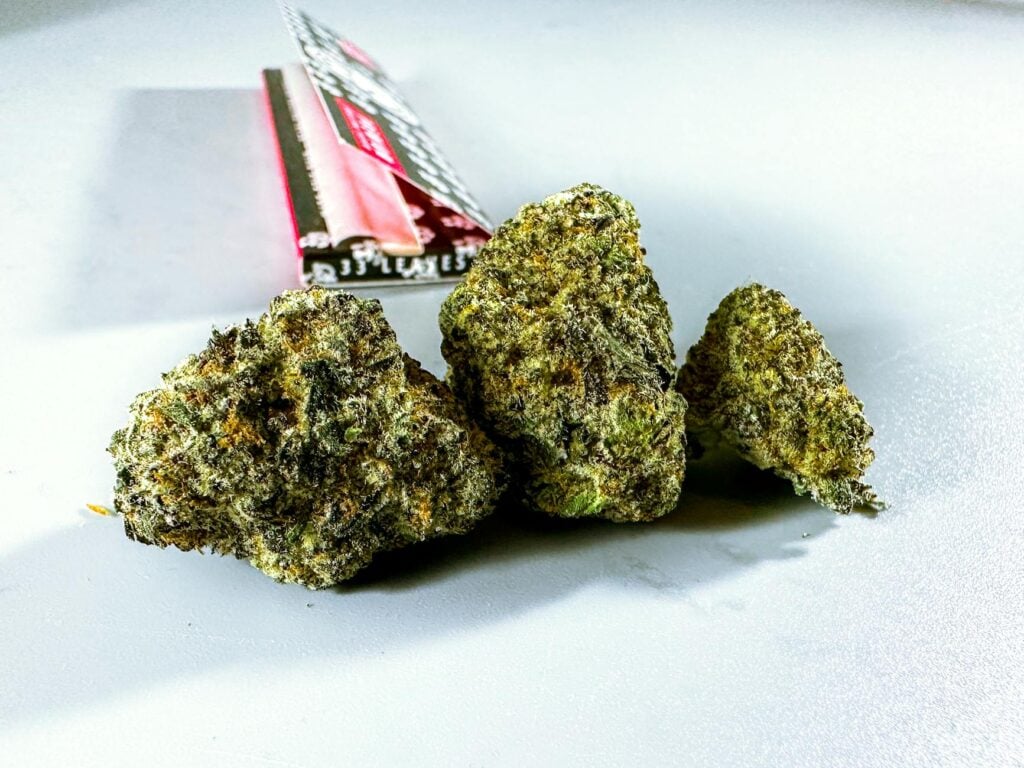
What are cannabis terpenes? MrGreen DC breaks down myrcene, limonene, and caryophyllene effects for DC patients. Learn to read terpene labels. Visit us on
If you’ve been shopping for medical cannabis in DC and wondering why two strains with the same THC percentage hit completely differently, cannabis terpenes are your answer. They’re the aromatic compounds that give each strain its smell, flavor, and — this is the part most people miss — a huge chunk of its therapeutic effect. I’ve spent six years behind the counter at MrGreen DC on Connecticut Avenue, and the most common question I get isn’t about THC anymore. It’s “why did this one work so much better than that one?” Nine times out of ten, the answer is terpenes.
I had a patient come in last month — a Hill staffer from Capitol Hill who’d been grabbing whatever had the highest THC on the label. She was dealing with tension headaches and wasn’t getting relief. I switched her to a strain with lower THC but high myrcene and caryophyllene. She came back a week later genuinely surprised. “It’s like a different plant,” she told me. It’s not a different plant. She just finally matched the right terpene profile to what her body actually needed.
That’s what this guide is about. I’m going to break down what terpenes are, walk you through the big three — myrcene, limonene, and caryophyllene — and show you exactly how to read a cannabis label so you stop guessing and start choosing. Whether you’re a first-time medical cannabis patient in DC or you’ve been at this for years, this is the stuff that changes how you shop.
What Are Terpenes and Why Should DC Medical Cannabis Patients Care?
Terpenes are organic compounds produced by the cannabis plant (and hundreds of other plants — lavender, citrus, pine trees, black pepper). They evolved as defense mechanisms against pests and as attractants for pollinators. In cannabis, they’re concentrated in the same trichome glands that produce cannabinoids like THC and CBD. That sticky, frosty coating on a well-grown bud? That’s where the magic lives.
Here’s the thing: terpenes don’t just make your flower smell like mango or diesel fuel. They actively influence how cannabinoids interact with your endocannabinoid system. This concept — often called the entourage effect — means that the whole plant works differently than isolated THC alone. A strain rich in the linalool terpene might calm you down even if the THC content is moderate. A strain loaded with pinene might keep you alert and focused despite being an indica on paper.
For medical cannabis patients in DC, understanding terpene effects is the difference between relief and frustration. You wouldn’t grab a random antibiotic off the shelf without knowing what infection you’re treating. Same logic applies here. Different terpene profiles address different symptoms, and once you learn to read them, you’ll never shop blind again.
I tell every new patient who walks into our dispensary on Connecticut Avenue the same thing: forget indica vs. sativa as your primary filter. Start with terpenes. That’s where the real information is.
Myrcene Terpene: The Relaxation Powerhouse Most DC Patients Need
The myrcene terpene is the single most abundant terpene in commercial cannabis. If you’ve ever picked up a strain and it smells earthy, musky, slightly fruity — almost like overripe mango — you’re smelling myrcene. It’s also found in lemongrass, hops, and thyme, which is why a really myrcene-heavy strain can remind you of an herbal tea.
What makes myrcene stand out for medical patients is its sedative, muscle-relaxing, and anti-inflammatory profile. Research suggests myrcene may enhance THC’s ability to cross the blood-brain barrier, which could explain why high-myrcene strains tend to feel stronger than their THC percentage would suggest. That “couch-lock” feeling everyone associates with indicas? Myrcene is usually the reason, not the indica genetics themselves.
Honestly, if you’re a DC patient dealing with insomnia, chronic pain, or muscle tension after a long commute from Dupont Circle to wherever your office is, myrcene-dominant strains should be at the top of your list. I typically recommend them for evening use. They’re not great for a 2pm meeting (no judgment if you’ve tried), but they’re phenomenal for winding down.
Common high-myrcene strains you’ll find on our cannabis menu:
- Granddaddy Purple — heavy myrcene with sweet grape notes
- OG Kush — myrcene-forward with a caryophyllene backbone
- Blue Dream — balanced myrcene that doesn’t knock you flat
- Mango Kush — the name isn’t a coincidence; loads of myrcene

myrcene terpene
Limonene Terpene: Mood Elevation That Actually Delivers
You already know what the limonene terpene smells like. Peel an orange. Zest a lemon. That bright, citrusy burst — that’s limonene. It’s the second most common terpene in cannabis, and it’s the one I point people toward when they say they want something uplifting without the anxiety that high-THC strains sometimes bring.
Limonene has shown promise in studies for anti-anxiety and mood-elevating properties. It may also support immune function and has demonstrated antifungal activity. But here’s what I see in practice: patients who switch to limonene-dominant strains for daytime use consistently report feeling more functional. Less foggy. More motivated. One of my regulars — a graphic designer who lives over in Shaw — told me a limonene-heavy Super Lemon Haze was the only strain that let him work and medicate at the same time. His words, not mine.
A quick warning, though. Limonene-dominant doesn’t mean anxiety-free for everyone. If you’re someone who’s sensitive to THC’s stimulating effects, a strain that’s high in both THC and limonene but low in myrcene might wind you up instead of settling you down. That’s why terpene profiles matter more than any single compound — it’s the ratio that determines your experience.
My go-to limonene-dominant recommendations:
- Super Lemon Haze — citrus bomb, great for daytime focus
- Wedding Cake — limonene plus caryophyllene for a balanced effect
- Strawberry Cough — limonene-forward with a noticeable pinene terpene kick that keeps you sharp
- Durban Poison — pure daytime energy with a clean citrus note
Caryophyllene Terpene: The Anti-Inflammatory Secret Weapon
The caryophyllene terpene (sometimes called beta-caryophyllene or BCP) is genuinely unique among cannabis terpenes. It’s the only terpene known to directly bind to CB2 receptors in your endocannabinoid system — the same receptors that cannabinoids target. That technically makes it a dietary cannabinoid in addition to being a terpene. Wild, right?
It smells peppery, spicy, woody. Think cracked black pepper, cloves, cinnamon bark. If you’ve ever sniffed a strain and thought “this smells like a spice rack,” caryophyllene is running the show. And because it hits those CB2 receptors, it’s a standout for anti-inflammatory and analgesic effects — potentially without the psychoactive intensity that comes from CB1 activation.
Look, this is the terpene I’m most passionate about recommending to DC medical cannabis patients dealing with chronic inflammation, arthritis, GI issues, or general pain management. The research on caryophyllene and inflammation is genuinely encouraging. And because it’s non-intoxicating on its own, strains with high caryophyllene tend to feel more “therapeutic” and less “I can’t remember what I was doing.”
I’ve been steering a lot of patients from the Logan Circle and Adams Morgan areas — folks with active lives who can’t afford to be couch-locked — toward caryophyllene-rich options. The feedback has been overwhelmingly positive. Our Logan Circle cannabis delivery and Adams Morgan delivery routes are popular precisely because these patients want specific terpene profiles brought right to their door.
High-caryophyllene strains to look for:
- GSC (Girl Scout Cookies) — caryophyllene-dominant with solid THC
- Bubba Kush — heavy on the spice, heavy on the relaxation
- Chemdog — peppery, diesel-forward, caryophyllene all day
- Original Glue (GG4) — one of the most caryophyllene-rich strains available
How to Read a Cannabis Label for Terpene Profiles at a DC Dispensary
Alright, so now you know what myrcene, limonene, and caryophyllene do. But how do you actually use that information when you’re standing at a dispensary counter or browsing a menu online? Here’s your practical breakdown on how to read a cannabis label with confidence.
Most lab-tested products in DC will list terpene content as a percentage by weight. You’ll typically see the top three to five terpenes listed. Here’s what to pay attention to:
- Look at the dominant terpene first. That’s the one driving the experience. If myrcene is number one at 1.2% and limonene is second at 0.4%, you’re getting a relaxation-forward strain with a slight mood lift.
- Check the total terpene content. Anything above 2% total terpenes is considered “terpy” — you’ll notice the flavor and effects. Below 1%? It’s probably going to feel flat regardless of THC content.
- Don’t ignore the minor players. A strain with 0.3% linalool alongside its dominant terpenes will have a noticeably calmer effect. Small amounts of pinene terpene can counteract some of THC’s memory impairment.
- Compare the full profile, not just one number. This is your cannabis strain finder shortcut. Two strains can both be “myrcene-dominant” and feel completely different depending on what else is in the profile.
If you’re ever unsure, just ask your budtender. That’s literally what we’re here for. At MrGreen DC dispensary, we walk patients through terpene profiles daily — it’s the most useful conversation you can have before making a purchase. You can also check our cannabis terpenes guide for quick reference anytime.
Getting Your DC Medical Cannabis Card Is Easier Than You Think
If you’re reading this and you’re not yet a registered medical cannabis patient in DC, here’s the good news: it’s absurdly simple (seriously, two minutes). DC uses a self-certification process through the ABCA medical cannabis program. Anyone 21 or older can register online. There’s no doctor visit required, no qualifying condition list to worry about, and no fee.
You fill out the form on the ABCA website, self-certify that you’d benefit from medical cannabis, and you’re done. Your temporary card comes by email, usually the same day. The permanent card arrives by mail within a couple weeks.
Now, the concern I hear most often — especially from people working in federal government or on the Hill — is about privacy. Let me be direct: the ABCA (DC cannabis regulator) does not share your patient data with employers, federal agencies, or anyone else. Period. Your enrollment is protected under DC law. I’ve had patients from every agency you can think of, and none of them have ever had an issue (yes, even your employer won’t know). Zero career risk.
If you want more details on the registration process, we’ve got a full walkthrough at how to get a DC med card. It covers everything step by step.

Ready to Shop by Terpene? Come See Us.
Understanding cannabis terpenes is the single biggest upgrade you can make to how you select medical cannabis. Stop chasing THC numbers. Start reading terpene profiles. Ask questions. Your body will thank you for it.
We’re at MrGreen DC on Connecticut Avenue NW, and our team knows these terpene profiles inside and out. Walk in and tell us what you’re dealing with — we’ll point you toward the right strain, not just the popular one. Can’t make it in? We’ve got cannabis delivery across DC, including Dupont Circle, Shaw, U Street Corridor, and Navy Yard. Same knowledge, same quality, delivered to your door.
Study: Research published in the Journal of Analytical and Applied Pyrolysis confirmed that decarboxylation of THCA to THC occurs most efficiently between 105°C and 120°C (220–250°F) over 30–45 minutes, with a molecular weight conversion factor of 0.877. Separate research in Cannabis and Cannabinoid Research (2020) found that raw THCA demonstrates anti-inflammatory and neuroprotective properties independent of THC conversion. (Wang et al., Journal of Analytical and Applied Pyrolysis, 2016; Nallathambi et al., Cannabis and Cannabinoid Research, 2020)