
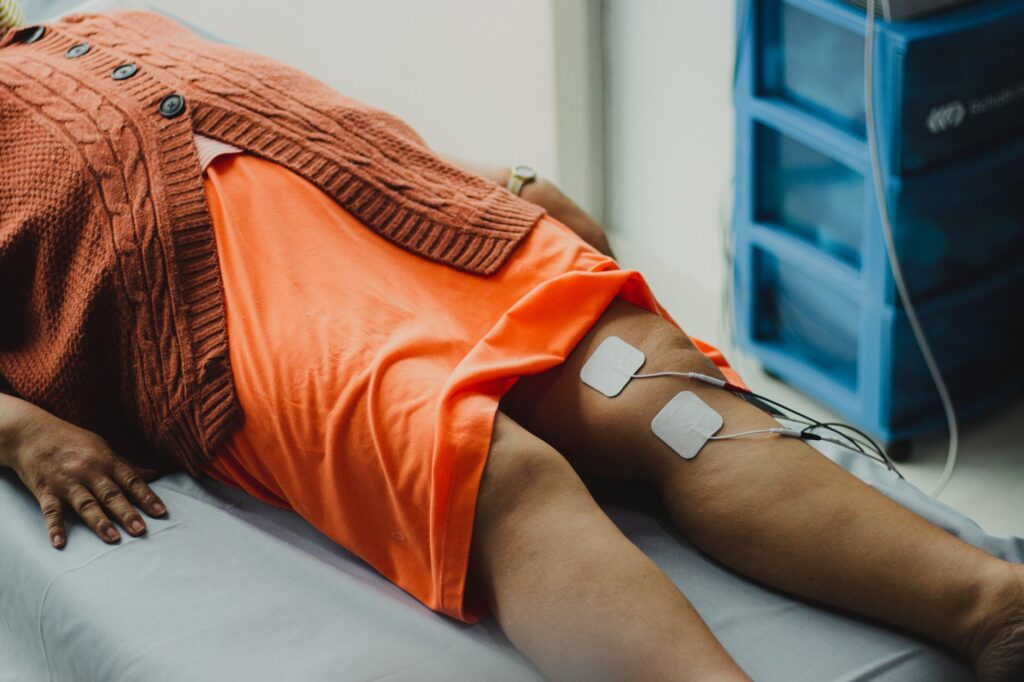
Managing cannabis sickle cell pain in DC? MrGreen budtenders share the best strains, tinctures, RSO, and crisis relief tips. Visit us on Connecticut Ave.
● mrgreendc.com
4302 Connecticut Avenue NW, Washington DC
If you’re searching for real answers about cannabis sickle cell pain management, you’re probably tired of vague advice and generic “talk to your doctor” disclaimers. I get it. I had a patient come in a few months ago — a young woman from Capitol Hill, maybe 28 — who’d been managing sickle cell disease since childhood. She told me she’d tried practically every pharmaceutical pain option out there and was exhausted by the side effects. She wasn’t looking for a miracle. She just wanted to sleep through the night without waking up in a pain crisis. That conversation changed how I think about what we carry on our cannabis menu and who it’s really for. In this post, I’m going to walk you through the specific strains, products, and strategies that DC medical cannabis patients with sickle cell disease are actually using — and what I’ve seen work behind the counter.
Why Cannabis and Chronic Pain From Sickle Cell Disease Make Sense Together
Sickle cell disease isn’t just “chronic pain.” It’s a whole different beast. You’ve got baseline pain that never fully goes away, then you’ve got vaso-occlusive crises — episodes where misshapen red blood cells literally block blood flow, causing sudden, severe pain that can land you in the ER. The inflammation is constant. The fatigue is relentless. And most of the standard treatments (opioids, NSAIDs, hydroxyurea) come with their own brutal side-effect profiles.
Here’s the thing: cannabis isn’t going to cure sickle cell disease. Nobody credible is saying that. But the relationship between cannabis and inflammation is well-documented, and that matters enormously for SCD patients. Cannabinoids like THC and CBD interact with your endocannabinoid system — specifically the CB1 and CB2 receptors — which directly influence how your body processes pain signals and inflammatory responses. For someone dealing with vaso-occlusive episodes, reducing that inflammatory cascade isn’t just nice. It’s critical.
I’ve talked to several patients who use anti-inflammatory cannabis products alongside their prescribed medications, and the common thread is always the same: fewer ER visits, better sleep, and a sense of control they didn’t have before. That’s not anecdotal fluff — it’s consistent enough that I pay attention.
Best Strains and Products for Cannabis Sickle Cell Pain Relief
Alright, let’s get specific. When patients ask me what cannabis products are good for pain — especially SCD pain — I don’t just throw out random strain names. The answer depends on what kind of pain you’re managing right now and when you need relief.
For Acute Pain Crises: Fast-Acting Options
During a vaso-occlusive crisis, you need something that works in minutes, not hours. That rules out edibles as your primary crisis tool (though they have their place — more on that below). Inhalation is the fastest route. I typically point patients toward heavy indica strains with high myrcene and caryophyllene content. Myrcene is the terpene that gives cannabis that heavy, sedating quality, and caryophyllene actually binds to CB2 receptors directly — making it one of the few terpenes with genuine anti-inflammatory properties. Check out our terpenes guide if you want the full breakdown on how these work.
Strains I’d personally recommend for crisis-level pain:
- Gelato Cake — heavy indica, loaded with caryophyllene and limonene. This one hits hard and fast, and the body relaxation is profound. Shop Gelato Cake flower
- Motorbreath — this is a diesel-forward strain with serious myrcene content. It’s not subtle. Patients dealing with intense pain episodes tend to love it because it doesn’t mess around. Shop Motorbreath flower
- Purple Urkle — a classic indica that’s been helping pain patients for decades. High in myrcene and linalool (the same terpene found in lavender), it’s excellent for pain that’s keeping you from sleeping. Shop Purple Urkle flower
For Daily Baseline Pain: Sustained Relief Products
Crisis management is one thing. But what about the grinding, everyday pain that SCD patients live with between episodes? That’s where cannabis edibles and cannabis tinctures shine. The onset is slower (30–90 minutes for edibles, 15–30 for sublingual tinctures), but the effects last four to eight hours. For a patient trying to get through a workday in Shaw or sit through a meeting in Dupont Circle without being in constant discomfort, that duration matters.
A balanced THC CBD ratio is usually my starting recommendation for daily use. Pure THC products work great for acute pain, but they can be too impairing for daytime use. A 1:1 or 2:1 THC-to-CBD ratio gives you meaningful pain and inflammation relief without making you feel like you can’t function. Our Motorbreath double-strength tincture is a popular choice — patients dose it sublingually in the morning and report steady relief that carries them through most of the day.
For nighttime, our THC chocolate edibles are legitimately useful. Each piece is 10mg, which makes dosing easy and predictable. Start with one. See how you feel in 90 minutes. You can always take more — you can’t take less (no judgment, everyone learns this lesson once).

what cannabis products are good for pain
RSO, Topicals, and the Products Most People Overlook
Honestly, the most underrated product in our entire store for chronic pain patients is RSO — Rick Simpson Oil. It’s a full-spectrum cannabis extract that you take orally, usually in tiny doses (a grain-of-rice-sized amount to start). RSO contains the full range of cannabinoids and terpenes working together, and for patients managing severe, ongoing cannabis sickle cell pain, it offers a depth of relief that isolated products just can’t match.
We carry both a 500mg RSO syringe and a 2500mg RSO syringe. The 500mg is perfect for patients who are new to RSO and want to titrate slowly. The 2500mg is for experienced patients who already know their dose and don’t want to re-up as often. I always tell people: RSO is potent. Respect it. Start with a dose the size of half a grain of rice, placed on food or under your tongue, and give it two full hours before you even think about taking more.
Cannabis Topicals for Localized SCD Pain
Cannabis topicals are another tool I don’t think enough SCD patients know about. During a vaso-occlusive episode, pain often concentrates in specific joints — knees, hips, lower back, shoulders. A high-potency cannabis topical applied directly to those areas can provide localized anti-inflammatory relief without any psychoactive effects. You won’t feel high. You’ll just feel less inflamed in that specific spot. It’s not going to replace systemic relief from a tincture or flower, but as part of a layered approach? It’s genuinely helpful.
Can Cannabis Help With Sickle Cell Insomnia?
Sleep disruption is one of the most common complaints I hear from SCD patients, and it makes sense — chronic pain and decent sleep don’t exactly coexist. Cannabis for insomnia is one of the things medical cannabis does best, period. Those indica strains I mentioned earlier (Gelato Cake, Purple Urkle) are ideal for nighttime use. The combination of myrcene, linalool, and significant THC content creates genuine sedation without the hangover effect you get from pharmaceutical sleep aids. I’ve had patients tell me they went from sleeping three hours a night to six or seven after adding a low-dose edible to their nighttime routine. That kind of improvement changes everything about how you manage a chronic condition.
Getting Your Medical Cannabis Card in DC: It’s Easier Than You Think
A lot of patients I talk to — especially folks coming in from Columbia Heights or Logan Circle for the first time — assume getting a medical marijuana card DC requires a doctor’s appointment, paperwork, and weeks of waiting. It doesn’t.
DC uses a self-certification process through the ABCA medical cannabis program. Here’s what that actually means: if you’re 21 or older, you go to the ABCA website, fill out a short form, and self-certify that you have a qualifying condition. Sickle cell disease absolutely qualifies. There’s no doctor visit required, no fee, and it takes about two minutes (seriously, two minutes). You’ll receive your registration, and then you can purchase from any licensed medical dispensary in Washington DC.
The question I get asked most often about this process is whether an employer can find out. The answer is no. The ABCA does not share your patient data with employers, federal agencies, or anyone else. Your registration is protected by strict privacy rules. If you work for the federal government — and plenty of our patients in the U Street Corridor and Adams Morgan do — your medical cannabis status is not reported, not shared, and not accessible to your agency (yes, even your employer won’t know). Zero career risk from registering.
If you want a step-by-step walkthrough, we’ve got a detailed guide on how to get a DC med card that covers every detail.
Building a Real Cannabis Sickle Cell Pain Management Plan
Look, there’s no single product that handles everything SCD throws at you. The patients I’ve seen get the best results are the ones who build a layered plan — different products for different situations. Here’s what that actually looks like in practice:
- Morning/daytime: A balanced THC CBD cannabis tincture taken sublingually for steady baseline pain and inflammation control. Low enough dose to stay functional.
- Acute crisis: Inhaled flower or a vape cartridge with a heavy indica profile — high myrcene, high caryophyllene. You need fast onset, and inhalation delivers that in under five minutes.
- Localized joint pain: Cannabis topicals applied directly to affected areas. Layer this on top of your systemic products.
- Nighttime/sleep: A 10–20mg edible taken 90 minutes before bed, or a few hits of Purple Urkle or Gelato Cake. This handles both pain and insomnia simultaneously.
- Severe, sustained episodes: RSO in small, measured doses. This is your heavy-duty option for multi-day crises where you need prolonged, deep relief.
The most common mistake I see? People using the same product for every situation. A 10mg edible isn’t going to break through a vaso-occlusive crisis in time, and smoking a heavy indica at 9am before work isn’t realistic for most people. Match the product to the moment.
Also — and I can’t stress this enough — cannabis sickle cell pain management works best when it complements your existing medical plan, not replaces it. Keep talking to your hematologist. Keep taking your prescribed medications unless your doctor says otherwise. Cannabis is an incredibly effective addition to your toolkit, but it’s an addition.
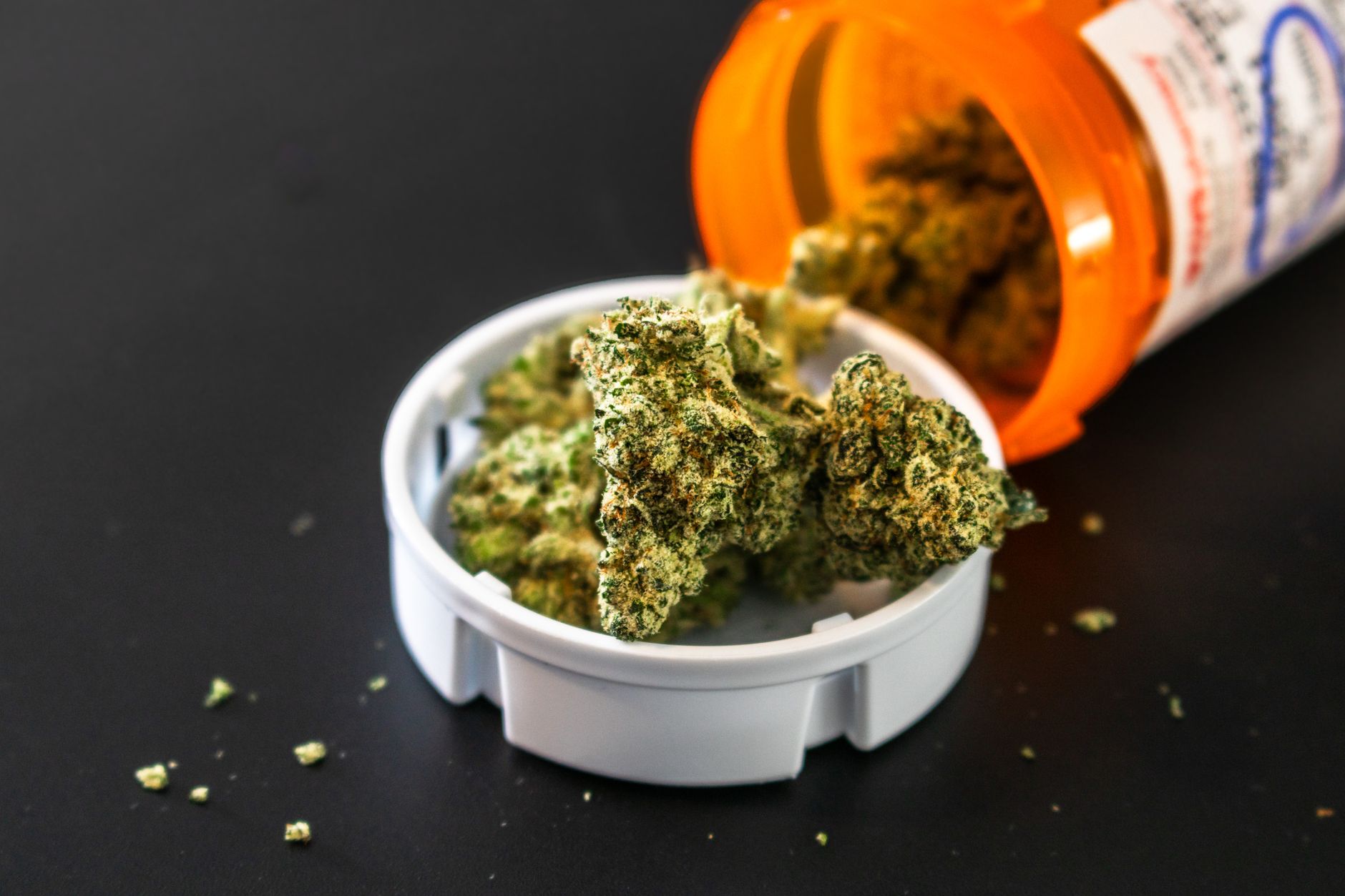
Managing cannabis sickle cell pain is personal, and the right combination of products looks different for every patient. That’s exactly why we’re here. Our budtenders at MrGreen DC on Connecticut Avenue NW have real experience helping chronic pain patients find what works — not just what sells. Stop by the store to talk through your specific situation, browse our full menu, or order through cannabis delivery if getting to us isn’t easy on a tough pain day. We deliver throughout DC, including to addresses near the DC/Maryland and DC/Virginia borders. Shop Now — MrGreen DC menu.