
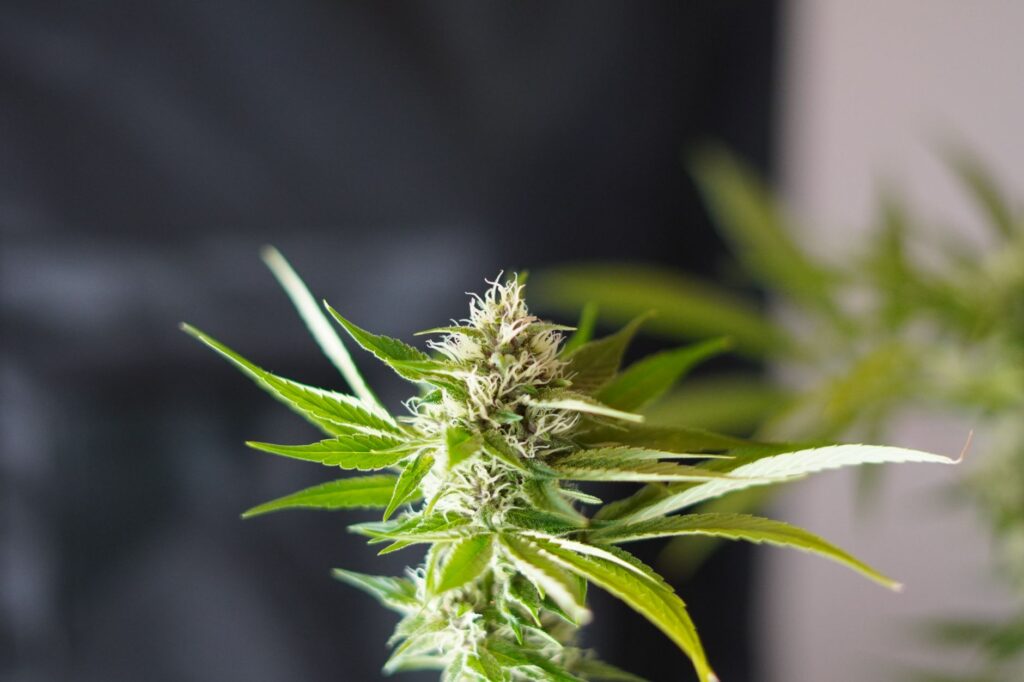
Learn how the entourage effect cannabis science makes THC, CBD, and terpenes work better together. MrGreen DC budtenders explain whole-plant medicine. Visit us on Connecticut Ave.
● mrgreendc.com
4302 Connecticut Avenue NW, Washington DC
The entourage effect cannabis concept is probably the most misunderstood — and most important — idea in medical cannabis right now. I get asked about it at the counter almost every single day, usually by someone holding a distillate cartridge in one hand and a jar of flower in the other, genuinely confused about why those two products feel so wildly different. I had a medical cannabis patient DC come in last month, a Capitol Hill nurse who’d been using pure THC isolate gummies for her chronic back pain. She was frustrated. The gummies “worked,” technically, but the relief felt flat, one-dimensional, and it faded fast. I handed her a full spectrum cannabis tincture with a terpene-rich profile, same THC milligrams. She came back a week later and told me it was like switching from instant coffee to a proper pour-over. Same caffeine, completely different experience. That’s the entourage effect in action, and in this guide I’m going to break down exactly what’s happening, why it matters for your relief, and how to use it to pick better products at MrGreen DC dispensary.
What Is the Entourage Effect? Full Spectrum Cannabis vs. Isolate, Explained
The cannabis entourage effect is a simple idea with big implications: the compounds in the cannabis plant — THC, CBD, CBN, CBG, terpenes, flavonoids, and dozens of minor cannabinoids — work better together than any of them work alone. THC is the headliner, sure. But it performs way better with its band.
Think about THC vs CBD for a second. Pure THC can be effective, but it can also spike anxiety or feel jittery in some patients. Add CBD into the mix and it smooths out that anxiety edge. That’s not a guess — research published in the British Journal of Pharmacology specifically documented how CBD modulates THC’s psychoactive intensity. Now multiply that interaction by the 100-plus cannabinoids and 200-plus terpenes that exist in whole-plant cannabis. You’ve got a full orchestra, not a solo act.
This is exactly the difference between full spectrum vs isolate products. A full spectrum cannabis product keeps all (or most) of those naturally occurring compounds intact. An isolate strips everything away except one molecule — usually THC or CBD. Isolates have their place, don’t get me wrong. But if you’re chasing the deepest, most well-rounded relief, full spectrum is where the magic lives.
Honestly, the most common question I get behind the counter is “why does this 20% THC flower hit harder than that 30% THC distillate cart?” The entourage effect cannabis science is your answer. That flower has a complete chemical profile — terpenes, flavonoids, minor cannabinoids all working together. The distillate cart? It’s basically been refined down to raw THC with the supporting cast stripped away.
Cannabis Terpenes: The Unsung Heroes of the Entourage Effect
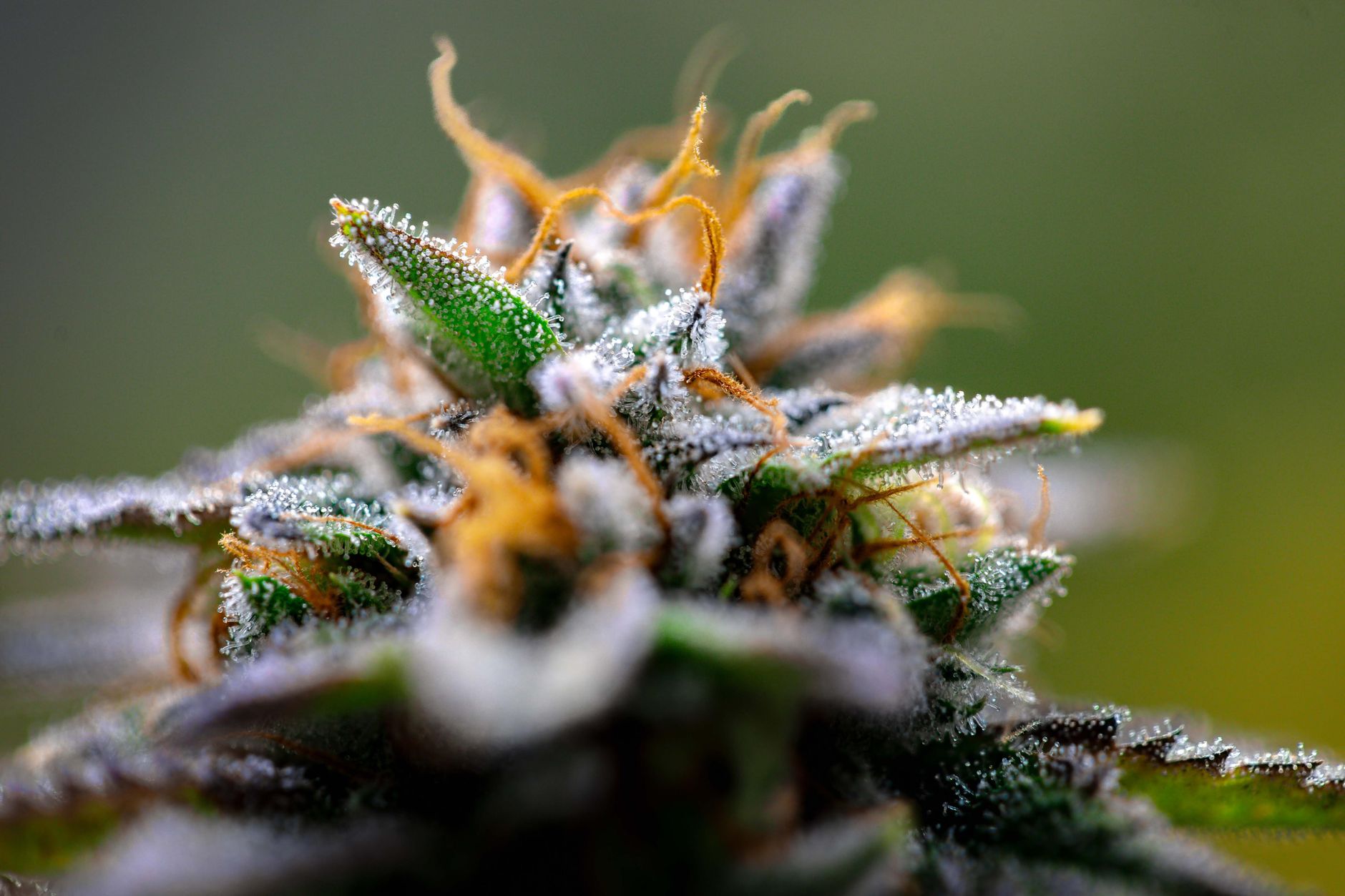
If you don’t know what terpenes are yet, you’re about to have a lightbulb moment. Cannabis terpenes are aromatic compounds — the reason different strains smell different. But they’re not just about aroma. They’re pharmacologically active, meaning they affect your body and your high in measurable ways. Check out our full cannabis terpenes guide for the deep science, but here’s your essential cheat sheet.
Myrcene Terpene — The Couch-Lock King
Myrcene is the most abundant terpene in most cannabis strains. It smells earthy, musky, almost like overripe mangoes. Its terpene effects are strongly sedative and muscle-relaxing, which is why myrcene-dominant strains tend to glue you to the couch. If you’re dealing with insomnia or chronic pain, a myrcene-heavy flower like our Gelato Cake is a solid pick.
Limonene Terpene — The Mood Lifter
Limonene smells exactly like you’d expect — bright citrus. It shows up heavily in strains that patients describe as “uplifting” or “good for daytime.” Research links the limonene terpene to stress relief and mood elevation. It’s also been studied for anti-inflammatory properties. Patients who come in feeling anxious or low? I’ll steer them toward limonene-forward options before anything else.
Caryophyllene Terpene — The Pain Fighter
Here’s the thing: caryophyllene is the only terpene that directly binds to your CB2 cannabinoid receptors, the same receptors that CBD interacts with. That makes the caryophyllene terpene uniquely powerful for inflammation and pain relief. It smells peppery and spicy — think black pepper, cloves. Our Motorbreath flower runs heavy on caryophyllene and it’s one of the most requested strains we carry for pain patients.
What About Linalool and Pinene?
Linalool (lavender, floral) is calming and has been studied for anti-anxiety effects. Pinene (pine, rosemary) may support alertness and respiratory function. Both are typically present in smaller concentrations, but in a full spectrum product they’re adding to the entourage in ways that isolate products simply can’t replicate. Every terpene is a thread in the larger pattern of effect.
THC, CBD, CBN, and the Cannabinoid Crew — How They Team Up
THC gets all the headlines, but medical cannabis DC patients who learn about the full cannabinoid spectrum tend to make much smarter purchasing decisions. Let me break down the key players.
THC — the primary psychoactive cannabinoid. Pain relief, appetite stimulation, nausea reduction. It’s the engine.
CBD — non-intoxicating, anti-inflammatory, anxiety-reducing. When comparing THC vs CBD, they’re not rivals — they’re teammates. CBD literally modulates how THC binds to your CB1 receptors, which is why a 1:1 THC:CBD product often feels calmer and more functional than a pure THC product at the same dose.
What is CBN? CBN (cannabinol) forms as THC ages and oxidizes. It’s mildly psychoactive on its own, but what is CBN actually useful for? Sleep. Patients struggling with insomnia are increasingly asking for CBN-containing products, and I’ve seen it make a real difference — especially when combined with myrcene-dominant flower. That entourage effect cannabis synergy shows up hard at bedtime.
CBG — sometimes called the “mother cannabinoid” because other cannabinoids are synthesized from it. Early research points to anti-inflammatory and antibacterial properties. It’s still relatively rare in high concentrations, but it contributes to the full spectrum profile.
Here’s a practical way to think about this: if you’re buying a product and the label only lists THC percentage with no terpene data and no mention of other cannabinoids, you’re buying a product with a missing nutrition label. You wouldn’t buy food that only listed calories, right? (No judgment — everyone starts here.) At our cannabis menu, we make sure patients can see the full picture.
Full Spectrum vs Isolate: Which Products Actually Deliver the Entourage Effect?
Not all cannabis products are created equal when it comes to preserving the entourage effect. Here’s a quick rundown of what to look for — and what to avoid — if you’re a medical cannabis patient DC wanting the full experience.
- Flower — the gold standard. Whole-plant cannabis flower preserves the complete terpene and cannabinoid profile. This is the entourage effect cannabis in its most natural form. Strains like Trainwreck and Purple Urkle offer very different terpene profiles and very different effects, even at similar THC percentages.
- Live resin and live sugar concentrates — made from fresh-frozen cannabis, so the terpenes are preserved beautifully. Our Pavé live sugar is a great example of a concentrate that maintains a rich terpene profile.
- RSO (Rick Simpson Oil) — a full-plant extract that keeps the full cannabinoid spectrum, including minor players like CBN and CBG. The RSO syringe we carry is popular with patients managing serious chronic conditions because it delivers that whole-plant medicine effect in a concentrated form.
- Full spectrum tinctures — like our Motorbreath tincture, which preserves the terpene and cannabinoid profile from the original plant.
- Distillate cartridges and pure THC edibles — these are typically closer to isolate territory. They work, but you’re getting a narrower effect. Some manufacturers re-add terpenes after distillation, which helps, but it’s still not the same as a naturally occurring full spectrum product.
Look, I’m not telling you to throw away your distillate cart. If it works for you, that’s what matters. But if you’ve been chasing higher and higher THC numbers without getting better relief, the answer probably isn’t more THC — it’s more of everything else. That’s the whole point of the cannabis entourage effect.
Getting Your DC Medical Cannabis Card Is Easier Than You Think
If you’ve been buying from unregulated sources around Adams Morgan or the U Street Corridor, you’re rolling the dice on product quality — and you have zero way to verify terpene content, cannabinoid ratios, or whether you’re getting a true full spectrum product. The legal medical program changes that entirely.
DC uses a self-certification system through the ABCA medical cannabis program. Here’s what that means for you:
- You must be 21 or older.
- You self-certify online — no doctor’s appointment needed, no fee.
- The process takes about two minutes (seriously, two minutes).
- Once approved, you can purchase from any licensed medical dispensary in DC, including MrGreen DC.
And the privacy question that everybody asks? ABCA does not share your patient data with employers, federal agencies, or anyone else. Your registration is protected. If you work a federal job on Capitol Hill or a government contract out near Navy Yard, you’re covered — zero career risk from being a registered medical cannabis patient in DC (yes, even your employer won’t know). For more details on the full process, check out our guide on how to get a DC med card.
How to Use the Entourage Effect Cannabis Science to Pick Better Products
Alright, so now you understand the science. Here’s how to actually use it next time you’re shopping.
Step one: stop shopping by THC percentage alone. I can’t stress this enough. A 22% THC flower with a rich terpene profile — high myrcene, solid caryophyllene, a splash of limonene — will often outperform a 30% THC flower with a thin terpene profile. Ask your budtender for the terpene data. At MrGreen DC, that’s exactly the kind of conversation we love having.
Step two: match terpenes to your symptoms. Need sleep? Myrcene and linalool. Pain and inflammation? Caryophyllene. Daytime mood support? Limonene and pinene. This is where cannabis becomes actual medicine and not just “getting high.” The entourage effect cannabis principle means your terpene selection matters as much as your cannabinoid selection.
Step three: choose full spectrum over isolate when possible. Flower, live resin, RSO, full spectrum tinctures — these are your best bets for whole-plant cannabis medicine. If you prefer vaping, a cured resin cartridge like our Khalifa Kush cartridge retains more plant compounds than a distillate cart.
Step four: keep a journal. Track the strain, the terpene profile if available, the dose, and how you felt. After a few weeks, patterns will emerge that no budtender or blog post can give you — because the entourage effect hits everybody a little differently based on your own body chemistry.

Understanding the entourage effect cannabis concept is the single biggest upgrade most medical patients can make. It shifts you from guessing to choosing, from chasing THC numbers to building a targeted terpene and cannabinoid profile that actually fits your needs. Whether you’re managing pain, anxiety, insomnia, or something else entirely, whole-plant medicine gives you more tools in the kit. Stop by MrGreen DC on Connecticut Avenue NW and we’ll walk you through your options in person — or order through our cannabis delivery DC service and we’ll bring the full spectrum straight to your door, anywhere from Dupont Circle to Shaw and beyond. We’re here for you.