
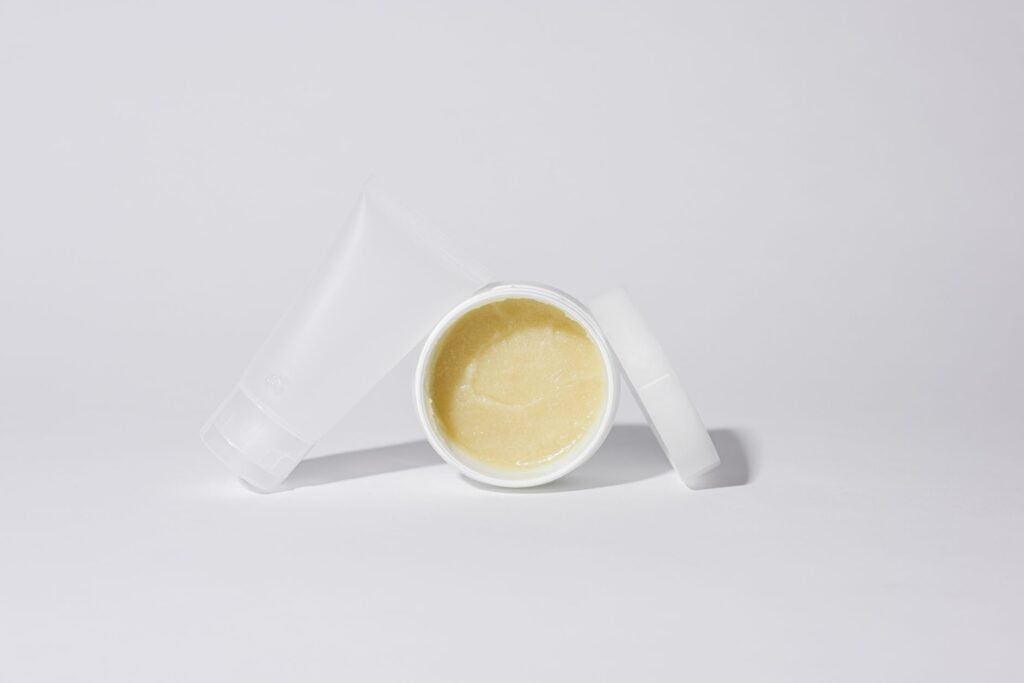
Learn how cannabis topicals for pain really work — creams, salves, balms, and transdermal patches explained by a DC budtender. Visit MrGreen DC on Connecticut Ave.
● mrgreendc.com
4302 Connecticut Avenue NW, Washington DC
If you’re researching cannabis topicals for pain, you’re probably tired of solutions that don’t actually work — or you’re nervous about feeling high at your desk job on K Street. I get it. I had a patient come in about two months ago, a Capitol Hill staffer in her fifties with arthritis in both hands so bad she couldn’t open a jar. She’d tried every over-the-counter cream at CVS. Nothing. Within a week of using a THC-infused balm on her knuckles, she texted us a photo of herself opening a pickle jar with the caption “miracle.” That’s not an exaggeration — that’s what the right topical cannabis product can do when you match it to the right condition. In this post, I’ll break down exactly how cannabis creams, salves, balms, and transdermal patches work, which ones actually enter your bloodstream (and which don’t), and how DC medical cannabis patients are using them for localized pain, inflammation, and even stubborn skin conditions.
How Cannabis Cream, Salve, and Balm Actually Work on Your Body
Here’s the thing most people don’t realize: your skin is loaded with cannabinoid receptors. They’re part of your endocannabinoid system — CB1 and CB2 receptors — and they’re sitting right there in the epidermis and dermis, waiting to interact with THC, CBD, and other cannabinoids. When you rub a cannabis cream or cannabis salve onto a sore knee or an inflamed shoulder, the active compounds bind to those local receptors. They don’t pass through into your bloodstream (more on that exception in a minute). That’s the whole beauty of it.
So no, a standard cannabis lotion or balm won’t get you high. Not even a little. You can apply it before work, before driving, before a meeting with your senator — nobody’s going to know, and you’re not going to feel impaired. The cannabinoids stay local, targeting the exact spot where you’re hurting.
The most common question I get behind the counter about topicals is: “Wait, so what’s the difference between a cream, a salve, and a balm?” Honestly, it’s mostly about texture and base ingredients. A cannabis cream is water-based, absorbs fast, and feels lighter on the skin. A salve uses oils and waxes — think beeswax, coconut oil — and sits on the surface longer, which can be better for dry or cracked skin. Balms are thicker still, almost waxy, and they’re great for targeted application on joints and small muscle groups. All three deliver cannabinoids the same way. Pick based on how your skin feels and where you’re applying it.
Terpenes matter here too. A lot of the topical cannabis benefits come from terpene profiles, not just THC and CBD content. Caryophyllene is a big one — it’s actually a dietary cannabinoid itself and binds directly to CB2 receptors, making it a strong anti-inflammatory compound. Myrcene contributes muscle-relaxing properties. Linalool (the same terpene that makes lavender smell calming) adds its own pain-relieving and anti-inflammatory effects. If you want to geek out on terpenes further, check out our cannabis terpenes guide — it’ll change how you shop for everything, not just topicals.
Cannabis Topicals for Pain vs. Transdermal Patches: The Critical Difference
This is where most blog posts get it wrong, so let me be really clear. Standard topicals — your creams, balms, salves, lotions — are not the same as a cannabis transdermal patch. They work on completely different principles, and understanding the difference matters for your treatment plan.
Regular topicals are localized. They affect the tissue directly under where you apply them. Cannabinoids don’t reach your bloodstream. No systemic effects. No psychoactivity. Simple.
A transdermal cannabis patch is engineered to push cannabinoids through all layers of skin and into your bloodstream using permeation enhancers. That means a THC transdermal patch can produce mild psychoactive effects, and the cannabinoids circulate throughout your entire body. Think of it like a nicotine patch but for cannabis. This makes transdermal patches useful for people dealing with widespread chronic pain, not just a sore elbow.
So how do you choose? If your pain is in one specific spot — a bad knee, tennis elbow, lower back tightness after sitting at a desk in Dupont Circle all day — a topical cream or salve is your move. If you’re dealing with full-body cannabis and chronic pain issues like fibromyalgia or widespread nerve pain, a transdermal patch delivers systemic relief over 8–12 hours. Some of my patients use both: a patch for baseline all-day management and a salve for flare-ups in specific joints.
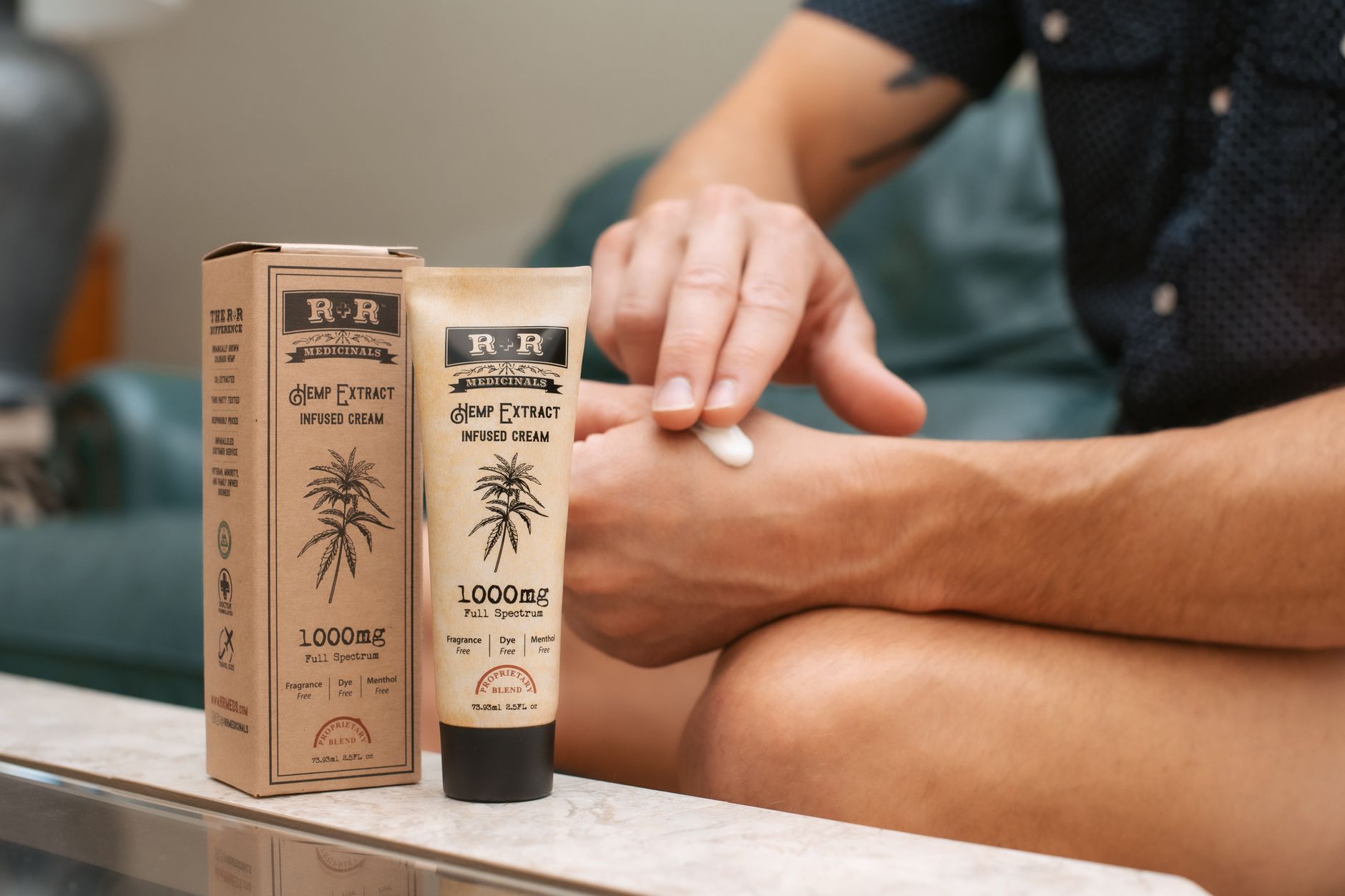
cannabis transdermal patch
What Conditions Respond Best to Topical Cannabis Products?
Arthritis, Joint Pain, and Anti-Inflammatory Cannabis Use
Arthritis patients are honestly our biggest topical buyers at MrGreen DC on Connecticut Avenue. Both osteoarthritis and rheumatoid arthritis involve inflammation of the joint tissue, and anti-inflammatory cannabis compounds — especially CBD paired with caryophyllene-rich formulas — have shown real results in reducing that swelling and the pain that comes with it. A 2016 study in the European Journal of Pain found that transdermal CBD significantly reduced joint swelling and pain behaviors in animal models of arthritis, and the anecdotal evidence from our patients backs that up daily.
For arthritis specifically, I recommend a salve over a cream. The thicker consistency stays on the joint longer and gives the cannabinoids more time to absorb into the tissue. Apply it generously (no, a tiny dab won’t cut it) and massage it in for at least 30 seconds.
Chronic Pain and Muscle Soreness
Cannabis and chronic pain management is a huge topic, but topicals carve out a very specific niche: they’re best for musculoskeletal pain that you can point to. Sore shoulders from carrying groceries up the stairs in Adams Morgan. A tight lower back from your commute. Post-workout soreness after a gym session. CBD for pain in topical form works well for these because it reduces local inflammation without sedation or cognitive effects.
Look, if your chronic pain is diffuse and hard to pin down, topicals alone probably aren’t enough. That’s where combining methods makes sense — maybe a topical on your worst spots plus an oral product like a tincture or RSO syringe for systemic relief. Your budtender can help you build that kind of layered plan.
Skin Conditions: Eczema, Psoriasis, and Dermatitis
This one surprises people, but cannabis topicals aren’t just about pain. The endocannabinoid system plays a role in regulating skin cell growth, oil production, and immune responses in the skin. Patients with eczema, psoriasis, and contact dermatitis have reported reduced redness, itching, and flaking when using CBD-dominant topicals. The anti-inflammatory properties of cannabinoids combined with terpenes like linalool and pinene can calm irritated skin without the side effects of steroid creams.
I’m not saying throw away your dermatologist’s prescription (seriously, don’t do that). But a cannabis cream as part of your skin care routine? It’s worth trying, especially if you’ve been stuck on corticosteroids and want to reduce your reliance on them. Talk to your doctor and your budtender. We can work together.
How to Get the Most Out of Cannabis Topicals for Pain
Buying a topical is one thing. Using it correctly is another. Here are the real tips that actually matter — not the generic advice you’ll find in every listicle on the internet:
- Clean the area first. Oils, sweat, and dead skin cells create a barrier. Wash the application site with warm water and pat it dry before you apply anything. This alone can double absorption.
- Use enough product. The number one mistake I see is patients applying a tiny amount like it’s expensive eye cream. You need a solid layer over the entire painful area. Don’t be stingy.
- Reapply every 4–6 hours. Topicals wear off. They’re not a one-and-done situation. Most patients find the best relief when they apply 2–3 times per day consistently.
- Look at the full ingredient list. Camphor, menthol, and arnica are common additions that boost the pain-relieving effects of the cannabinoids. A good cannabis topical is more than just THC or CBD — it’s a full formula.
- Store properly. Heat degrades cannabinoids. Keep your salve or cream in a cool, dark place — not on your bathroom windowsill in the DC summer sun.
For transdermal cannabis patches, placement matters a lot. Apply them to a venous area — the inside of your wrist, the top of your foot, or the inside of your ankle. These spots have thinner skin and better blood flow, which means faster and more consistent absorption. Don’t put a transdermal patch on your lower back and expect it to act like a topical — it’s going into your bloodstream regardless of where you stick it.
Becoming a Medical Cannabis Patient in DC Takes About Two Minutes
If you’re not already a medical cannabis patient DC, getting your card is shockingly easy. No doctor visit. No fee. No waiting room. The ABCA medical cannabis program — that’s DC’s Alcoholic Beverage and Cannabis Administration — runs the whole thing online. Anyone 21 or older can self-certify through the ABCA website (seriously, two minutes), and you’ll have access to every licensed medical dispensary in Washington DC.
I know the question you’re really asking: “Will my employer find out?” No. ABCA enforces strict patient privacy protections. They don’t share your data with employers, federal agencies, landlords, or anyone else. Period. Whether you work on the Hill, at a federal agency in Southwest, or for a private firm in Georgetown — your medical cannabis registration is between you and ABCA. Zero career risk. If you want the step-by-step walkthrough, we’ve got a full breakdown on how to get a DC med card.
Once you’re registered, you can shop at our dispensary near you in Washington DC or take advantage of cannabis delivery throughout DC. We deliver to addresses across the District — from Adams Morgan and Shaw to Navy Yard and everywhere in between.
Why Cannabis Topicals for Pain Deserve a Spot in Your Medicine Cabinet
Here’s my honest take after six years working in the DC medical cannabis space: cannabis topicals for pain are the most underrated product category in the dispensary. They don’t get the hype that flower and edibles get. Nobody posts their salve on Instagram. But for targeted, non-intoxicating relief from localized pain, inflammation, and skin irritation, nothing else in the cannabis toolkit works quite as precisely.
Whether you’re a longtime patient managing arthritis or someone brand new to medical cannabis who doesn’t want to feel high — topicals are a genuinely smart starting point. They’re low-risk, easy to dose, and you can apply them exactly where you hurt. Pair them with the right terpene profile and a consistent application schedule, and you might be surprised at how much your daily pain level drops.

If you’ve got questions about cannabis topicals for pain — or anything else on our cannabis menu — come see us at MrGreen DC on Connecticut Avenue NW. We’ll walk you through what we carry, help you pick the right product for your specific situation, and make sure you leave with something that actually works. Not in the neighborhood? No problem — we offer same-day cannabis delivery to addresses across the District. Your relief doesn’t have to wait.