

Learn about cannabis drug interactions with blood thinners, antidepressants, and opioids. MrGreen DC budtenders share 5 essential safety tips. Visit us on Connecticut Ave.
● mrgreendc.com
4302 Connecticut Avenue NW, Washington DC
If you’re a medical cannabis patient in DC who also takes prescription medication, understanding cannabis drug interactions is honestly one of the most important things you can do for your own safety. I’m not saying that to scare you. I’m saying it because I had a patient walk into our dispensary on Connecticut Avenue last month — really nice woman from Logan Circle, been using cannabis for chronic pain for about two years — and she mentioned offhand that she’d just started a new blood thinner. She had no idea that cannabis and her medication could interact in a meaningful way. Nobody told her. Not her doctor, not her pharmacist, nobody. That conversation stuck with me, and it’s why I’m writing this. Today we’re going to cover what actually happens when cannabis meets common prescriptions like blood thinners, antidepressants, and opioids, plus how you can use cannabis responsibly alongside your other meds.
Why Cannabis and Medication Interactions Matter More Than You Think
Here’s the thing: most people assume that because cannabis is a plant, it’s automatically gentle on your system. It’s not that simple. THC and CBD are both processed by your liver, specifically by a family of enzymes called cytochrome P450 (CYP450). These are the exact same enzymes responsible for metabolizing a huge number of prescription drugs. When cannabis competes for those enzymes, it can either slow down or speed up how your body processes your other medications. That means drug levels in your blood can spike too high or drop too low — and both scenarios can be a real problem.
CBD is actually the bigger concern here, which surprises a lot of people who’ve heard mostly about CBD benefits without the full picture. CBD is a potent inhibitor of CYP3A4 and CYP2D6, two enzymes that metabolize roughly 60% of all prescription drugs on the market. So if you’re taking a cannabis tincture with a high CBD ratio alongside certain medications, you could be unknowingly increasing the effective dose of that prescription. THC interacts with these enzymes too, but CBD tends to be more aggressive about it.
Does that mean you should panic and flush your cannabis? Absolutely not. It means you should be informed. And honestly, a lot of the fear around cannabis drug interactions comes from people not understanding dose, timing, and delivery method — all things you can actually control.
Cannabis and Blood Thinners: The Interaction Nobody’s Talking About
Warfarin is the classic one. If you’re on warfarin (brand name Coumadin) and you start using cannabis — especially CBD-dominant products — your INR levels can increase. INR measures how long it takes your blood to clot. Higher INR means thinner blood, which means a higher risk of bleeding. There have been documented cases of patients whose INR jumped significantly after adding CBD to their routine. This isn’t theoretical. It’s real, and it matters.
The mechanism is straightforward. CBD inhibits CYP2C9, which is the enzyme your body uses to break down warfarin. Less enzyme activity means the warfarin sticks around longer and hits harder. If you’re a medical cannabis patient DC who takes any blood thinner — warfarin, heparin, even newer ones like Eliquis or Xarelto — you need to tell your prescribing doctor that you use cannabis. Period. No exceptions.
My recommendation for patients in this situation? Stick with inhaled flower or vaporized products rather than edibles or tinctures when possible. Cannabis bioavailability differs dramatically by delivery method. Smoking or vaping produces a faster onset and shorter duration, which gives your liver less prolonged exposure compared to a cannabis tincture or edible that gets processed through your digestive system for hours. That’s not a free pass — it’s harm reduction. You still need bloodwork monitoring.
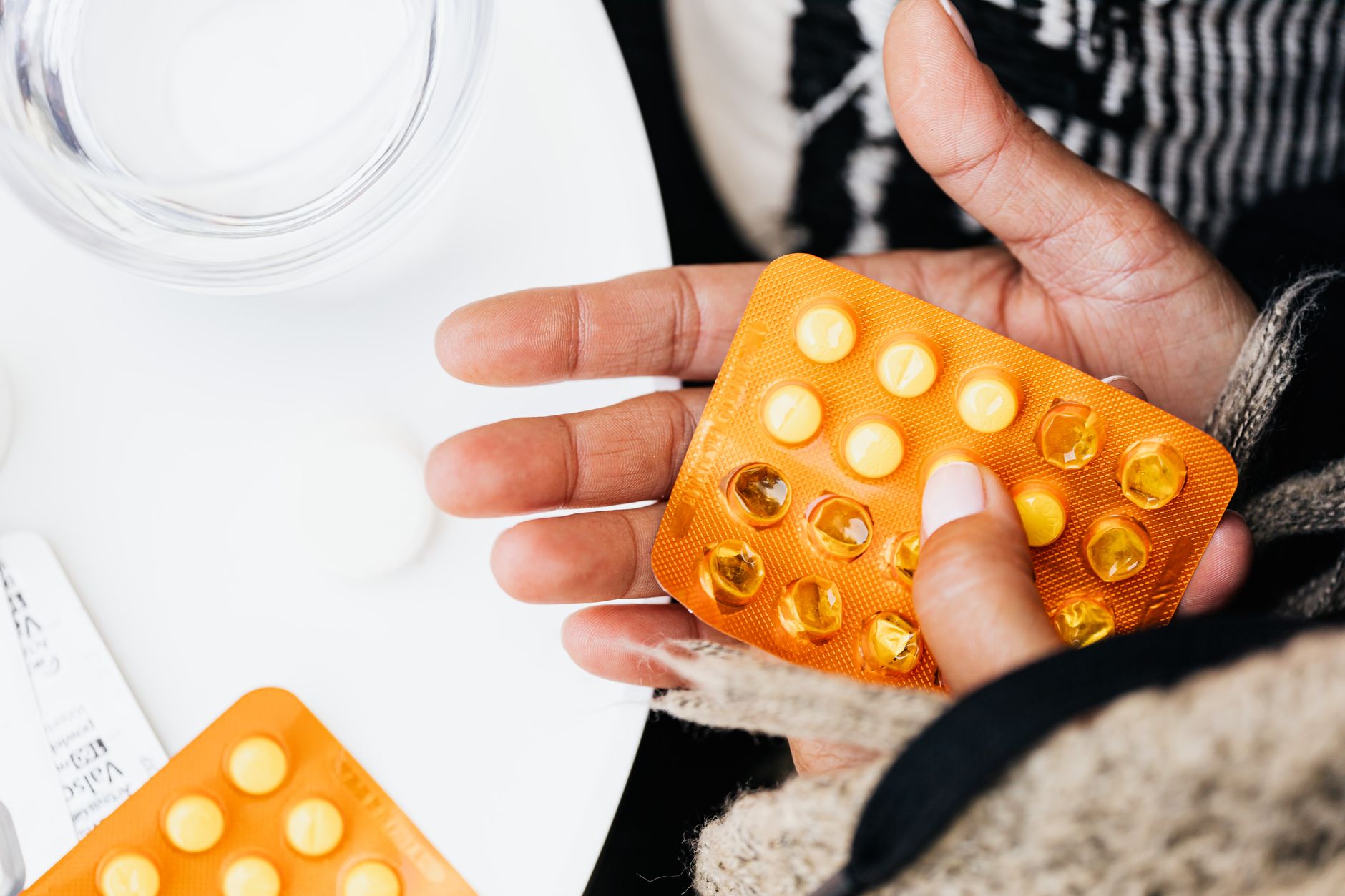
medical cannabis patient DC
Antidepressants, Anxiety Meds, and Cannabis: What’s Really Going On
This is the most common question I get behind the counter. Easily half of our patients at our medical dispensary in Washington DC are managing cannabis and anxiety or cannabis and depression alongside an SSRI, SNRI, or benzodiazepine. And they want to know: is it safe?
The short answer is that it depends on the specific medication and how you’re using cannabis — but I’m going to give you more than that.
SSRIs and SNRIs (Prozac, Zoloft, Lexapro, Effexor, Cymbalta)
CBD can inhibit the enzymes that metabolize these drugs, potentially increasing their blood levels. With SSRIs, that can mean amplified side effects — more nausea, more drowsiness, maybe serotonin-related issues in rare cases. Fluoxetine (Prozac) is particularly notable because it’s already a strong CYP2D6 inhibitor on its own. Adding CBD on top of that creates a double-inhibition situation that your doctor should know about.
THC, on the other hand, interacts with your endocannabinoid system in ways that can either complement or counteract your antidepressant. Low doses of THC tend to reduce anxiety. Higher doses can increase it. If you’re using cannabis for anxiety management alongside an SSRI, start extremely low — I’m talking 2.5mg THC or less — and track how you feel. A strain high in linalool and limonene (terpenes associated with calm and mood elevation) is going to serve you better than something loaded with myrcene that’ll just knock you out.
Benzodiazepines (Xanax, Klonopin, Valium, Ativan)
Look, this is where I get really direct with patients. Benzos and cannabis are both central nervous system depressants. Combining them amplifies sedation, slows your breathing, and impairs coordination. I’ve seen patients from Capitol Hill to Columbia Heights who use both, and the ones who do it safely are the ones who’ve worked out specific timing protocols with their doctors. They don’t take them at the same time. They use low doses of each. And they never, ever combine them with alcohol.
If you’re exploring cannabis and anxiety relief as a way to reduce your benzo dependence (no judgment, a lot of people are), that’s actually a conversation worth having with your prescriber. Some patients have successfully tapered benzos with medical cannabis support. But you don’t do it alone, and you don’t do it fast.
Cannabis and Opioids: The Interaction That Could Actually Help
Here’s where the story gets more interesting. Unlike most cannabis drug interactions that add risk, the relationship between cannabis and chronic pain medications — specifically opioids — has some genuinely promising data behind it. Multiple studies have shown that cannabis can enhance the pain-relieving effects of opioids, which means patients may be able to use lower opioid doses while still getting adequate relief. In states with medical cannabis programs, opioid prescriptions and overdose deaths have declined. That’s not nothing.
The terpene caryophyllene, which is found in strains like Gelato Cake, actually binds to CB2 receptors and has anti-inflammatory properties on its own. When you combine that with the analgesic effects of THC, you’re addressing pain through multiple pathways. Patients using medical marijuana DC programs for chronic pain should ask their pain management doctor about an opioid-sparing protocol that incorporates cannabis. It’s not fringe medicine anymore — it’s evidence-based harm reduction.
That said, the sedation warning still applies. Cannabis plus opioids equals more drowsiness, more respiratory depression risk (though cannabis alone doesn’t cause fatal respiratory depression the way opioids do), and impaired motor function. Timing matters. Dosing matters. And you need to understand how to read a cannabis label so you know exactly what you’re putting in your body.
Practical Tips for Responsible Cannabis Use Alongside Prescriptions
I’ve been in the DC cannabis industry long enough to know that most patients aren’t going to stop using cannabis just because there’s a theoretical interaction. And honestly, I’m not asking you to. I’m asking you to be smart about it. Here’s how:
- Tell your doctor. I know, I know. Some doctors are weird about it. But with medical cannabis DC being fully legal and regulated through ABCA (DC’s Alcoholic Beverage and Cannabis Administration), there’s no legal risk in being honest with your healthcare provider. They need the full picture to keep you safe.
- Start low, go slow. This applies doubly when you’re on other medications. A 5mg edible hits differently when your liver is also processing metformin and atorvastatin.
- Consider cannabis bioavailability by method. Smoking and vaping bypass first-pass liver metabolism (mostly), so they’re less likely to cause enzyme-level interactions than edibles or tinctures. But they also hit faster and harder, so there’s a tradeoff.
- Keep a journal. Seriously. Track your cannabis dose, your prescription timing, and how you feel. After two weeks, patterns emerge that are incredibly useful — for you and for your doctor.
- Ask your budtender. We’re not pharmacists (seriously, don’t treat us like ones), but experienced budtenders at a legit DC marijuana dispensary can help you choose products with terpene profiles and cannabinoid ratios that are less likely to cause problems.
Pinene-dominant strains, for example, tend to promote alertness rather than sedation — a better pick if you’re already on a sedating prescription. Meanwhile, heavy myrcene strains might compound drowsiness from antihistamines or muscle relaxants. These aren’t random details. They’re the difference between a good experience and a bad one.
Getting Your DC Medical Cannabis Card: It’s Easier Than You Think
If you’re reading this and you don’t have your medical cannabis card yet, let me make this incredibly simple. DC uses a self-certification process through ABCA. You don’t need a doctor’s visit. You don’t need a qualifying condition letter. You just go to the ABCA medical cannabis program website, fill out the form, and self-certify. Anyone 21 or older can do it (yes, even your employer won’t know). It takes about two minutes. There’s no fee.
The privacy piece matters a lot for patients worried about cannabis drug interactions showing up on some record. ABCA does not share your patient data with employers, federal agencies, or anyone. That’s not a suggestion — it’s policy. Whether you work on Capitol Hill, at a government contractor in Shaw, or anywhere else in DC, your medical cannabis status is protected. Zero career risk.
Once you’ve got your card, you can shop at a licensed medical dispensary in Washington DC where products are tested, labeled, and regulated. That testing and labeling is exactly how you make informed decisions about cannabis and medication interactions — because you can actually see the THC, CBD, and terpene content before you buy.

Honestly, understanding cannabis drug interactions isn’t about fear — it’s about using cannabis the way it should be used: intentionally, with full information, and with respect for everything else going on in your body. You deserve to feel good about your choices, and that starts with knowledge. If you’re a medical cannabis patient DC who takes prescription medications, you’re not alone in navigating this. We talk about it every single day at our shop.
Stop by MrGreen DC on Connecticut Avenue NW, or order through our cannabis delivery DC service — we deliver throughout DC and to addresses near the DC/Maryland and DC/Virginia borders. Whether you’re in Dupont Circle, Shaw, or anywhere in between, our budtenders are here to help you find the right product for your situation. Shop Now — MrGreen DC menu and let’s figure this out together.