
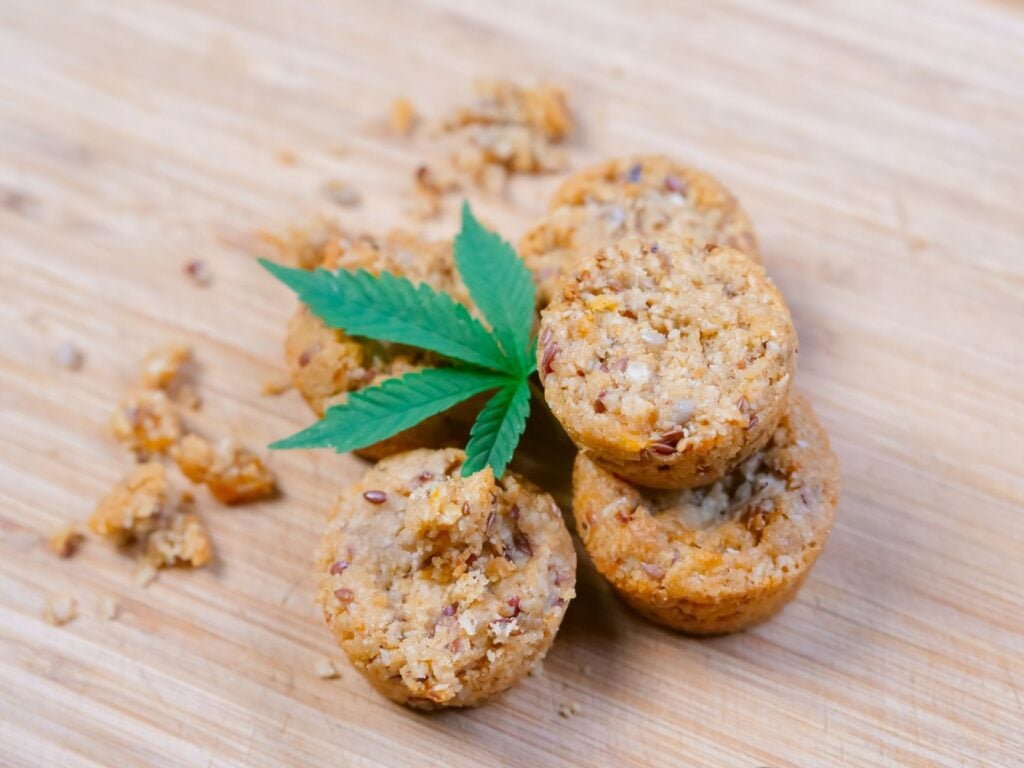
Cannabis for appetite loss actually works — if you pick the right strains and products. DC budtender shares the top 5 options for appetite stimulation. Visit MrGreen DC on Connecticut Ave.
● mrgreendc.com
4302 Connecticut Avenue NW, Washington DC
If you’re searching for cannabis for appetite loss, you’re probably not just casually curious — you’re dealing with something that’s actually affecting your life. I get it. Just last month, a patient came into our shop on Connecticut Avenue who’d lost nearly twenty pounds in six weeks after starting a new medication for anxiety. She wasn’t eating. Not because she didn’t want to — she literally couldn’t feel hunger anymore. Her body had just stopped sending the signal. We spent about forty minutes together going through options, and two weeks later she texted us a photo of a plate of jerk chicken she’d demolished. That’s why I do this work. In this post, I’m going to break down the best strains, the right products, and the actual practical tips that help DC medical cannabis patients dealing with wasting syndrome, eating disorders, medication-induced appetite suppression, and chronic nausea get their appetite back.
Why Cannabis and Appetite Are So Connected
There’s a reason “the munchies” became a cultural punchline — THC genuinely stimulates hunger. But it’s not just some random side effect. Your endocannabinoid system has receptors (CB1 receptors, specifically) in the hypothalamus, which is the part of your brain that regulates hunger, thirst, and body temperature. When THC binds to those receptors, it does a couple of things at once: it increases your sensitivity to smell and taste, it triggers the release of ghrelin (the “hunger hormone”), and it can even make eating feel more rewarding on a neurological level. That’s not bro science. That’s why medical cannabis DC programs list appetite loss and wasting syndrome as qualifying conditions.
Here’s the thing: not every cannabis product will stimulate your appetite the same way. Some strains can actually suppress hunger — I’ll get into THCV in a minute, because that’s a common mistake people make. The terpene profile matters too. Myrcene, found heavily in indica strains, tends to produce that deep body relaxation that makes a plate of food sound incredible. Limonene can help settle your stomach if nausea is the reason you’re not eating. And caryophyllene has anti-inflammatory properties that can calm gut issues down enough for you to feel comfortable taking a few bites.
So does cannabis make you hungry? Yes — but which cannabis, how much, and when you use it all matter enormously. The difference between helpful and useless is in the details.
Best Indica Strains for Appetite Stimulation
I’m going to give you real recommendations here, not a list copy-pasted from some seed bank website. These are strains I’ve personally seen work for patients at MrGreen DC dispensary who are struggling to eat.
Gelato Cake is probably my number-one suggestion for appetite loss. It’s an indica-dominant hybrid that’s heavy in myrcene and caryophyllene, and it produces a warm, full-body relaxation that makes food sound amazing without completely knocking you out. Patients dealing with cannabis and nausea issues especially love this one because it settles the stomach first, then the hunger kicks in about fifteen to twenty minutes later. You can Shop Gelato Cake flower on our menu right now.
Purple Urkle is another one I reach for constantly. It’s a classic indica with heavy myrcene content and a grape-forward flavor that patients actually enjoy tasting, which matters when your relationship with food has become complicated. For someone dealing with medication-induced appetite suppression — say, from SSRIs, ADHD meds, or chemotherapy — this strain tends to gently reintroduce hunger without overwhelming anxiety or paranoia. You can Shop Purple Urkle flower right from our site.
Sundae Driver rounds out my top three. It’s a balanced hybrid that leans indica, with a creamy, dessert-like flavor profile. The linalool and limonene in this strain create a calm, slightly euphoric headspace that helps patients who aren’t eating because of anxiety or depression around food — which is more common than people realize. Honestly, I’ve seen this one work well for patients in the Shaw and Logan Circle area who are managing eating disorder recovery alongside their therapists. Shop Sundae Driver flower if you want to give it a try.
A quick note on what not to pick: strains high in THCV (sometimes called “diet weed”) actually suppress appetite. Durban Poison, for example, is a terrible choice if you’re trying to eat more. THCV is a cannabinoid that blocks CB1 receptors instead of activating them — the exact opposite of what you need. I see this mistake all the time. Someone reads “best cannabis strains” on a random blog and ends up with something that makes their problem worse.
Gelato Cake
Cannabis Edibles, Tinctures, and RSO: Which Products Work Best
Smoking a bowl before dinner works for plenty of people. But if you’re dealing with serious appetite loss — wasting syndrome, post-chemo nausea, or an eating disorder — the form of cannabis matters just as much as the strain. Let me walk you through the options I actually recommend behind the counter.
Cannabis Edibles and Gummies for Appetite
Cannabis edibles are a double-edged sword for appetite stimulation. On one hand, they’re long-lasting (four to six hours of effect), which means you can dose before lunch and still feel hungry at dinner. On the other hand, if your stomach is already empty and irritated, a gummy sitting in there can feel uncomfortable. My suggestion: start with a low dose — 2.5 to 5mg of THC — and eat it with a small amount of something bland, even just a few crackers. Cannabis gummies are usually the easiest format because you can cut them in half for precise microdosing cannabis doses. We carry THC chocolate edibles that are 10mg per piece (so you’d break one in half or a quarter to start).
Cannabis Tincture for Appetite
Look, if I could only recommend one product format for appetite loss, it’d be a cannabis tincture. Tinctures absorb sublingually (under the tongue), so they kick in faster than edibles — usually fifteen to twenty minutes — and they don’t require you to eat anything first. For patients who genuinely cannot stomach food, this is the move. Our Motorbreath tincture is double-strength and alcohol-based, which means faster absorption and more predictable dosing. Start with half a dropper. Wait twenty minutes. Then try eating something small.
RSO for Wasting Syndrome and Severe Appetite Loss
RSO (Rick Simpson Oil) is the heavy hitter. It’s a full-spectrum, highly concentrated cannabis extract that’s popular with patients managing wasting syndrome, cancer-related appetite loss, and severe chronic conditions. A rice-grain-sized dose of RSO contains a significant amount of THC plus a full range of other cannabinoids and terpenes that work together. It’s not for beginners (no judgment, everyone asks), but for patients who’ve tried flower and edibles without enough relief, RSO is often the turning point. We carry both 500mg RSO syringes and 2500mg RSO syringes.
Microdosing Cannabis for Appetite: Why Less Can Be More
The most common question I get behind the counter from appetite-loss patients is some version of “How much do I take?” And my answer almost always surprises people: less than you think. Microdosing cannabis — taking 1 to 5mg of THC at a time — is often more effective for appetite stimulation than getting noticeably high. Why? Because a massive dose can cause anxiety, couch-lock, or brain fog that actually makes eating harder, especially if you’re already dealing with an eating disorder or medication side effects.
Here’s what I tell patients in our Dupont Circle location: take a small dose thirty to forty-five minutes before you plan to eat. Don’t wait until you’re starving and miserable — by then, the nausea has usually won. Think of it as priming the pump. A 2.5mg gummy or a quarter-dropper of tincture, taken consistently at the same time each day, trains your body to expect food. After a week or two, many patients tell me they’re starting to feel natural hunger cues again even on days they don’t dose.
The key thing people miss about cannabis for appetite loss is that consistency matters more than potency. A small, reliable dose every day beats a massive dose once a week that makes you eat an entire pizza and then feel terrible about it.
Cannabis Drug Interactions: What You Need to Know
I’m not a pharmacist, and I won’t pretend to be one. But cannabis drug interactions are real, and if you’re using cannabis for appetite loss alongside other medications, you need to be aware of a few things. THC and CBD are both metabolized by the same liver enzymes (CYP450 system) that process a huge number of prescription drugs — including SSRIs, blood thinners, anti-seizure medications, and certain anti-nausea drugs like ondansetron.
This doesn’t mean you can’t use cannabis alongside your meds. It means you should tell your doctor, and you should start with low doses and increase slowly (seriously, two minutes of conversation with your prescribing physician could save you a bad interaction). The patients I worry about most are the ones on chemotherapy who assume cannabis is “natural” and therefore can’t interact with anything. It can. Especially with drugs that have narrow therapeutic windows.
If you’re in DC and you want to talk through your specific situation, come see us. Our budtenders at our Connecticut Avenue store have experience helping patients who are on complex medication regimens. We can’t give medical advice, but we can share what we’ve seen work and what tends to cause problems.
Getting Your Medical Marijuana Card in DC: It’s Easier Than You Think
If you don’t have a medical marijuana card DC yet, here’s the good news: DC uses a self-certification process through ABCA’s medical cannabis program. You don’t need a doctor’s visit. You don’t need to pay a fee. If you’re 21 or older, you go to the ABCA website, fill out the self-certification form, and you’re registered as a medical cannabis patient. The whole process takes about two minutes. That’s it.
The question I hear constantly — especially from patients who work for the federal government or government contractors in Capitol Hill and Navy Yard — is whether their employer will find out. The answer is no. ABCA enforces strict patient privacy protections. Your registration data is not shared with employers, federal agencies, law enforcement, or anyone else (yes, even your employer won’t know). DC medical cannabis patients are legally protected, and there’s zero career risk from registering. If that’s been the thing holding you back from getting real help for your appetite loss, you can let that worry go.
Once you’re registered, you can purchase from any licensed cannabis dispensary DC. You can visit us in person or use our cannabis delivery DC service — we deliver throughout DC, including to addresses in Adams Morgan, Logan Circle, Shaw, and Navy Yard.
Practical Tips That Actually Help
I want to leave you with a few things that aren’t about strains or products — just practical stuff I’ve learned from six years of working with cannabis patients who struggle with appetite.
- Keep easy foods on hand. When your appetite comes back, it doesn’t always come back for a full meal. Applesauce, yogurt, protein shakes, toast — have things that require zero effort when the window opens.
- Use your nose. Strains high in limonene and myrcene can enhance your sense of smell. Some patients find that the aroma of food cooking — not even eating yet, just smelling it — helps kickstart hunger after they’ve dosed.
- Track what works. Keep a simple note on your phone: what you took, how much, what time, and whether you ate. After two weeks, you’ll have real data about your own body instead of guessing.
- Don’t skip your other treatments. Cannabis for appetite loss works best as part of your overall care, not as a replacement for it. If you’re working with a therapist for an eating disorder or an oncologist for chemo side effects, keep those appointments.
- Ask us. Seriously. Walk into the shop, call us, or check our cannabis menu online. We love this part of the job — matching the right product to the right problem.
Honestly, cannabis for appetite loss isn’t complicated once you understand the basics. Pick an indica-leaning strain with myrcene, avoid THCV, start with a low dose, be consistent, and give it time. You don’t need to become a cannabis expert. You just need to eat again.

Cannabis for appetite loss is one of the most legitimate, well-supported uses for medical cannabis — and it’s one of the reasons I’m proud to work at the best dispensary DC has to offer. If you’re in Washington DC and you’re ready to find something that actually works, come visit us at MrGreen DC on Connecticut Avenue NW. Or if you’d rather stay home, we’ve got same-day weed delivery to addresses across the city. Bring your questions. That’s what we’re here for.