Wondering about the best time to take cannabis for symptom relief? MrGreen DC budtenders break down morning, afternoon, and nighttime dosing. Visit us on Connecticut Ave.
● mrgreendc.com
4302 Connecticut Avenue NW, Washington DC
If you’ve ever wondered about the best time to take cannabis for your symptoms, you’re asking the right question — and you’re not alone. I get some version of this every single day behind the counter at MrGreen DC dispensary on Connecticut Avenue. A patient came in last week — works from home in Dupont Circle, manages chronic back pain, and told me she’d been taking her edible at noon every day “because that’s when the pain’s worst.” Fair logic. But after we talked through her schedule and sleep issues, we realized a split-dose approach — a small morning microdose plus a heavier nighttime routine — cut her daytime discomfort and fixed the insomnia she’d just been living with. Timing matters more than most people think. In this guide, I’ll walk you through how to match your cannabis use to your body’s clock so every dose actually does its job.
Why Timing Your Medical Cannabis DC Dose Actually Matters
Here’s a fact that doesn’t get talked about enough: the same strain, same dose, same person can produce noticeably different effects at 8 a.m. versus 8 p.m. Your endocannabinoid system doesn’t operate in a vacuum. It’s influenced by your cortisol levels, what you’ve eaten, how much sleep you got, and a dozen other variables that shift throughout the day. That’s why a medical cannabis patient DC who smokes a sativa-leaning strain before breakfast might feel focused and motivated, but smoking that exact bowl after a heavy dinner could land them on the couch staring at the ceiling.
I’m not saying there’s one perfect schedule for everyone. But I am saying most patients default to “whenever my symptoms flare up” without considering that strategic timing could reduce those flare-ups in the first place. Think of it less like taking an aspirin and more like building a routine — the way you’d time a coffee or a workout.
Your body has a circadian rhythm. Cannabis interacts with it. That interaction is the entire reason this conversation is worth having.
Best Cannabis for Daytime Use: Your Morning Cannabis Routine
Morning dosing scares people. I get it. Nobody wants to be foggy before a 9 a.m. meeting or a commute up Connecticut Ave. But a well-chosen morning dose — especially if you’re microdosing cannabis — can set the tone for your entire day without making you feel impaired.
For mornings, I lean heavily on strains with high limonene and pinene content. These terpenes are associated with alertness, mental clarity, and a brighter mood. Trainwreck is one of my go-to recommendations for a morning flower option. It’s energizing without being jittery, and the pinene content keeps your head clear. Shop Trainwreck flower if that sounds like your speed.
Sublingual Dosing Tips for Morning Patients
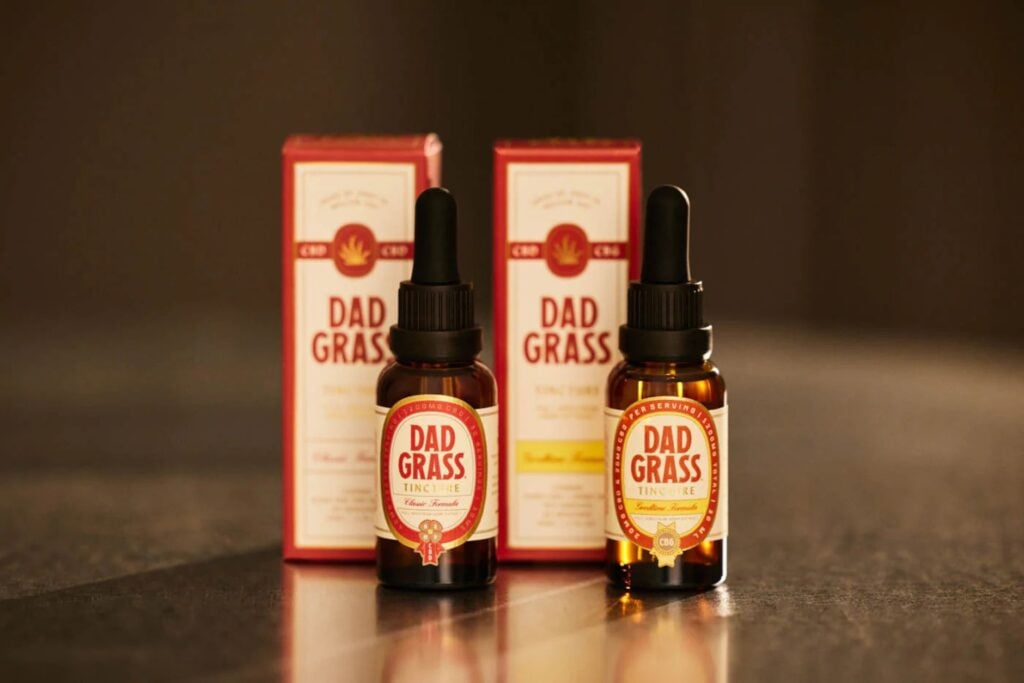
If you don’t want to smoke first thing (no judgment, everyone asks), sublingual dosing is your best friend. A tincture dropped under the tongue hits in about 15–20 minutes, gives you precise control, and doesn’t leave you smelling like a dispensary on your Metro ride through Shaw or Logan Circle. Our Motorbreath tincture is popular with patients who want something strong enough to manage pain but controllable enough for a work day.
Here are a few sublingual dosing tips that’ll make your mornings smoother:
- Hold the tincture under your tongue for at least 60 seconds — don’t just swallow it, or you’ll convert it into an edible experience with a longer onset and stronger body effects.
- Start with 2.5–5mg THC if you’re new to morning dosing. That’s a true microdose and won’t interfere with most people’s work.
- Eat something within 30 minutes. Cannabis on a completely empty stomach can hit harder than you expect.
- Keep your morning strain or product consistent for at least a week before deciding if the timing works. One-off experiments don’t tell you much.
The classic indica vs sativa framework isn’t perfect, but it’s still a useful starting point for mornings: lean sativa-dominant or hybrid for your a.m. dose, and save the heavy indicas for later.
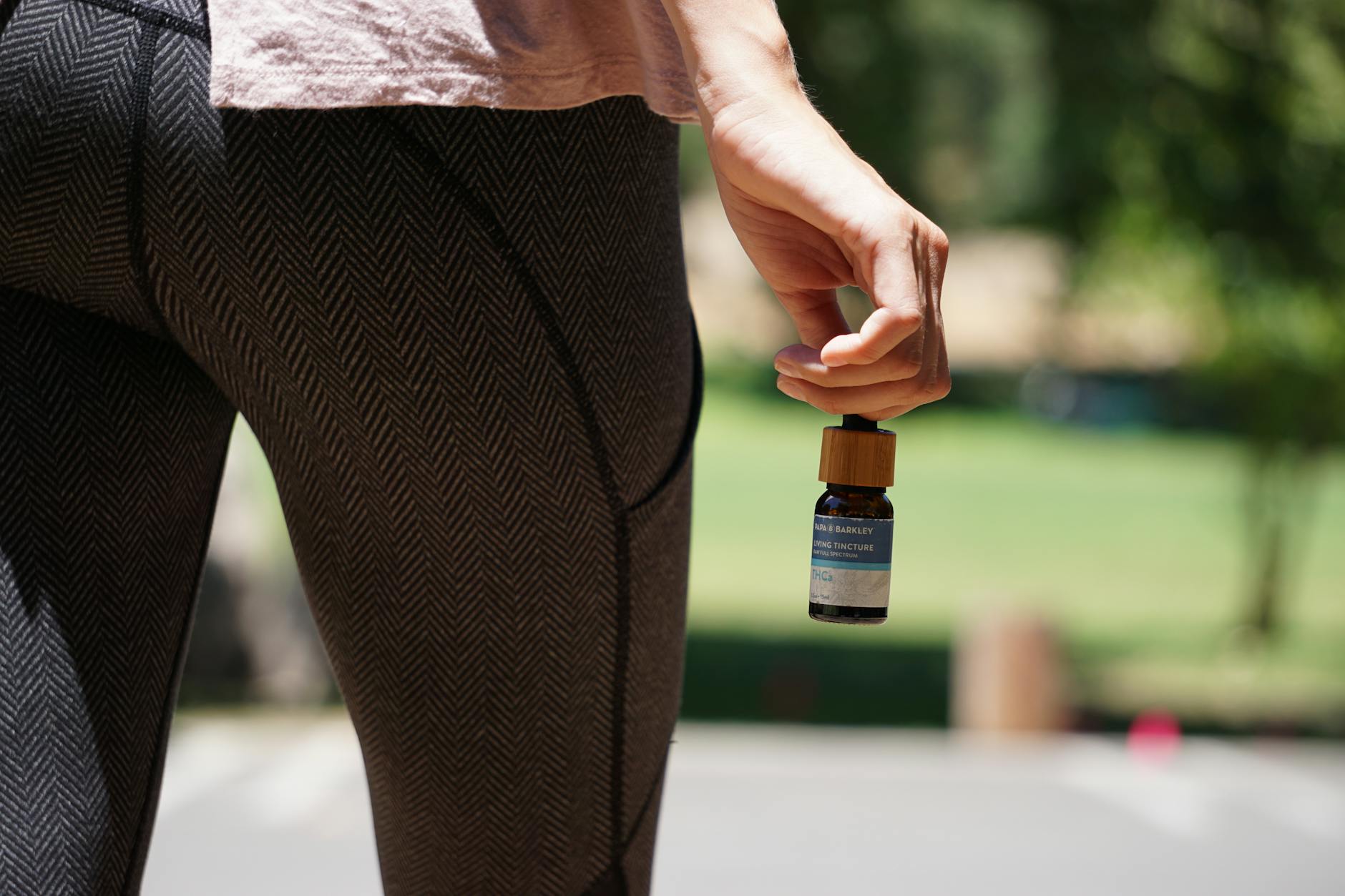
microdosing cannabis
Afternoon Dosing: The Midday Reset Most Patients Miss
Honestly, the afternoon window is the most underutilized dosing time I see. People think in terms of morning or nighttime cannabis routines, but that 1–4 p.m. stretch is where a lot of symptoms rebound. Pain creeps back. Anxiety spikes after lunch. Energy drops. If your morning dose wore off and your nighttime dose is six hours away, you’re just white-knuckling it through the afternoon for no reason.
A low-dose cannabis edible around lunchtime is my favorite approach here. Edibles take 45–90 minutes to kick in, which means if you take a 5mg chocolate around noon, you’re covered right through the afternoon slump. Our THC chocolate edibles are dosed at 10mg per piece, so you can easily snap one in half for a 5mg afternoon microdose.
Can You Microdose Cannabis During a Work Day?
Yes. Thousands of medical patients across DC do it every day. Microdosing cannabis — typically defined as 1–5mg THC — is designed to be sub-perceptual or barely perceptual. You shouldn’t feel “high.” You should feel like your symptoms are dialed down. There’s a massive difference between therapeutic dosing and recreational dosing, and that difference lives in the milligrams.
I’ll be straight with you: if 5mg makes you feel impaired, go lower. 2.5mg. Even 1mg. The point of microdosing isn’t to feel nothing — it’s to feel better without feeling altered. Patients who work downtown, up on Capitol Hill, over in Georgetown — they tell me all the time that finding their right microdose was the thing that made medical cannabis DC actually practical for their lives instead of just a nighttime-only option.
One thing worth mentioning: your delivery method matters here. A vape cartridge gives you quick, short-lived relief (great for a fast reset). An edible gives you longer, steadier coverage. A sublingual falls somewhere in between. Pick based on how long your afternoon looks. If you’ve got a four-hour stretch of focus work ahead, the edible wins. If you just need to take the edge off before picking up the kids, a single pull from a cartridge like our Khalifa Kush cartridge might be all you need.
Best Cannabis for Nighttime Use: Your Cannabis Nighttime Routine
This is where most medical cannabis patients DC-wide already have some routine — even if it’s just “smoke a bowl before bed.” But there’s a difference between using cannabis at night and having a real cannabis nighttime routine that’s optimized for sleep, pain relief, or whatever you’re managing.
For cannabis and sleep, you want strains heavy in myrcene and linalool. Myrcene is the terpene that gives you that sedating, body-heavy feeling. Linalool (same compound that makes lavender calming) adds an extra layer of relaxation. Gelato Cake is an absolute standout for nighttime. It’s indica-dominant, loaded with myrcene and caryophyllene, and it’ll quiet your brain and your body at the same time. Shop Gelato Cake flower — seriously, it’s one of the most consistently recommended strains for sleep on our menu.
Cannabis for Insomnia: Timing Your Night Dose Right
The most common question I get behind the counter about cannabis for insomnia is “how long before bed should I dose?” And the answer isn’t “right before you close your eyes.” That’s actually the mistake most people make.
If you’re smoking or vaping, dose about 30–45 minutes before you want to be asleep. This gives the peak sedation window time to line up with when you’re actually in bed. If you’re using an edible for sleep, you need to push that back to 90 minutes before bed — sometimes two hours depending on your metabolism. Taking an edible as you brush your teeth means you’ll probably fall asleep fine but wake up at 3 a.m. still loaded, then feel groggy the next morning. That’s not a good outcome.
Look, if sleep is your primary reason for using cannabis, consider RSO (Rick Simpson Oil). It’s potent, it lasts a long time, and a tiny rice-grain-sized dose can keep you asleep for a full 7–8 hours. We carry both the 500mg RSO syringe and the 2500mg RSO syringe, and patients using these for insomnia routinely tell me they haven’t slept this well in years. Start tiny. I mean it — a piece the size of half a grain of rice. You can always take more tomorrow night.
Your best cannabis for nighttime use isn’t always the highest-THC option, either. Some patients get better sleep from a moderate-THC indica with the right terpene profile than from a 30%+ strain that’s just brute-forcing sedation. Ask us about it. It’s literally what we’re here for.
Building Your Full-Day Cannabis Schedule: Finding the Best Time to Take Cannabis for You
The real power move is building a personalized daily schedule. Not copying someone else’s. Not following a generic chart from the internet. Yours.
Here’s a framework I walk patients through regularly:
- Identify your worst symptom window. When in the day are your symptoms hardest to manage? That’s your priority dose.
- Work backward from that window. If your worst time is 2 p.m., and you’re using an edible, you need to dose around noon.
- Layer in your secondary doses. If sleep is also an issue, add a nighttime dose. If mornings are rough, add a small morning microdose.
- Match the method to the moment. Fast-acting (vape, sublingual) for breakthrough symptoms. Slow-release (edibles, RSO) for sustained coverage.
- Track it for two weeks. Write down what you took, when, and how you felt two hours later. Patterns emerge fast.
Here’s the thing: finding the best time to take cannabis for your body isn’t a one-day experiment. It’s a two-week project. But patients who put in that effort almost always end up using less cannabis overall because every dose is working harder. That’s fewer trips to our dispensary on Connecticut Avenue DC — which, honestly, is a weird thing for a budtender to celebrate, but it means you’re doing it right.
Getting Your DC Medical Cannabis Card Takes About Two Minutes
If you don’t have your medical cannabis card yet, the process in DC is almost absurdly easy. You can self-certify through the ABCA medical cannabis program — that’s the Alcoholic Beverage and Cannabis Administration, the agency that actually runs DC’s medical program. You don’t need a doctor’s visit. You don’t need a qualifying condition letter. You don’t pay a fee. You just go online, verify you’re 21+, and self-certify (seriously, two minutes).
The part that matters most to people — especially patients who work for federal agencies, government contractors, or anyone in the Capitol Hill orbit — is privacy. ABCA does not share your patient data with employers, federal agencies, or anyone. Your registration is protected. Period. There’s zero career risk from holding a DC medical cannabis card. I’ve had patients agonize over this for months before finally registering, and every single one has said “I can’t believe I waited that long.” Don’t be that person. Check out our full walkthrough on how to get a DC med card if you want the step-by-step.

Whether you’re experimenting with a morning cannabis routine, dialing in your cannabis nighttime routine, or figuring out the best time to take cannabis for that afternoon symptom window you’ve been toughing out — the answer is closer than you think. Our budtenders at MrGreen DC on Connecticut Avenue NW have the cannabis industry experience to help you build a schedule that actually works. Stop by, browse our cannabis menu, or order through our cannabis delivery DC service — we deliver throughout DC, including Dupont Circle, Shaw, Capitol Hill, and beyond. Let’s get your timing right.