
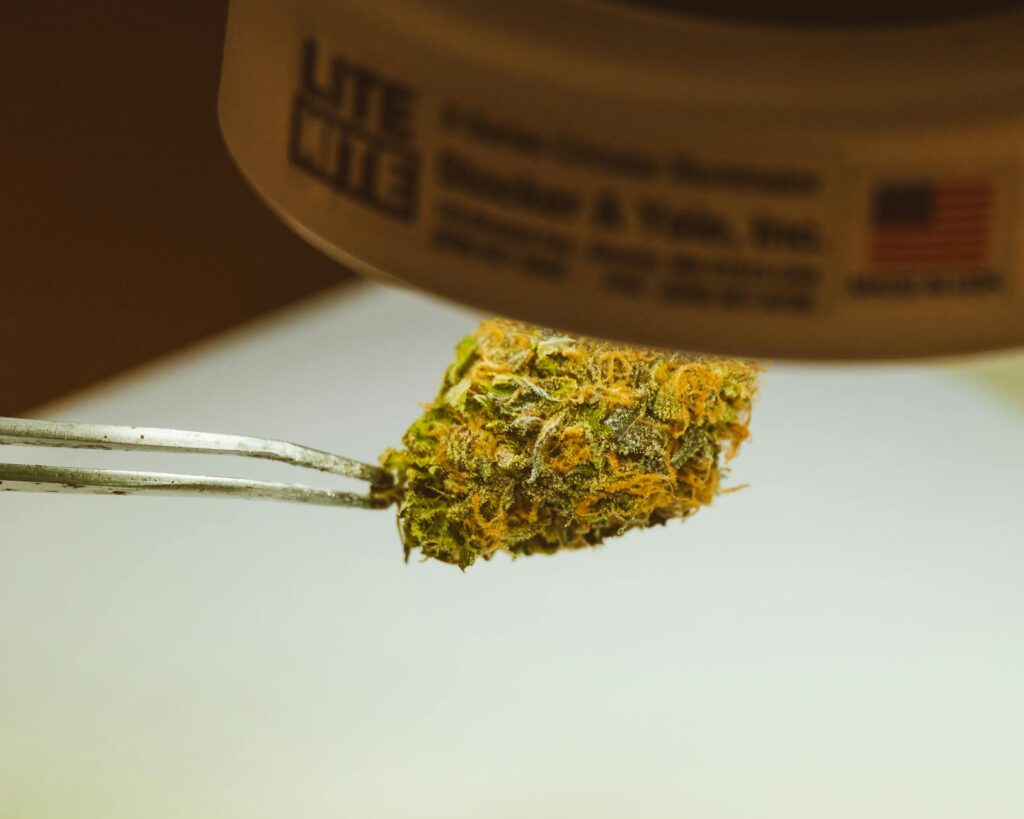
What is live rosin? MrGreen DC explains how this solventless concentrate is made, how it differs from live resin, and why DC patients prefer it. Visit us on Connecticut Ave.
● mrgreendc.com
4302 Connecticut Avenue NW, Washington DC
If you’re wondering what is live rosin, you’re asking the right question — and you’re not alone. I get this one almost daily behind the counter at our dispensary on Connecticut Avenue. Just last week, a patient from Dupont Circle came in holding his phone, showing me an Instagram post of some golden, badder-like substance, and said, “Marcus, what even is this stuff, and why’s it cost more than everything else on the menu?” That’s the reaction live rosin tends to get. It looks premium because it is premium. And by the time you’re done reading this, you’ll know exactly why it commands that price, how it’s made without any solvents, how it stacks up against live resin and regular rosin, and whether it’s the right cannabis concentrate for your medical needs here in DC.
What Is Live Rosin and Why Do People Call It the Best Cannabis Concentrate?
Let’s get the definition locked in. Live rosin is a solventless cannabis concentrate made by pressing bubble hash (also called ice water hash) under carefully controlled heat and pressure. That’s it. No butane. No propane. No CO2. No chemical solvents touching your medicine at any point in the process. The “live” part means the starting material is fresh-frozen cannabis — flower that was frozen immediately after harvest instead of being dried and cured. Freezing locks in the full terpene profile right at peak ripeness, which is why live rosin smells and tastes like nothing else on the shelf.
Here’s the thing: most concentrates you’ll find at a cannabis dispensary in DC are made using some kind of chemical solvent. That doesn’t automatically make them bad. But for patients who want full spectrum cannabis with zero solvent residue — not even trace amounts that passed a lab test — solventless cannabis is the gold standard. Live rosin sits right at the top of that category.
The flavor difference is real, too. Because those fresh-frozen trichomes retain terpenes like limonene, caryophyllene, linalool, and myrcene in their natural ratios, you’re getting the closest thing to biting into the actual bud. I’ve watched patients who thought all concentrates taste the same do a complete double-take after their first dab of quality live rosin. It’s that noticeable.
How Is Live Rosin Made? The Full Solventless Process Explained
Understanding what is live rosin really means understanding the process, because the process is the product. Here’s how it works, step by step:
- Fresh-freezing the harvest. Right after the plant’s cut down, it goes straight into a deep freezer. No drying room, no curing jars. This preserves volatile terpenes and cannabinoids that would otherwise degrade or evaporate during traditional curing.
- Ice water extraction (making bubble hash). The frozen plant material gets agitated in ice water, usually inside a series of mesh filter bags at different micron sizes. The cold water and gentle agitation separate the trichome heads — those tiny resin glands packed with THC, terpenes, and other compounds — from the plant matter. What collects in the finest micron bags is ice water hash, often called bubble hash. The best stuff looks like wet sand and rates between 70–120 microns.
- Freeze-drying the hash. That wet bubble hash needs all its moisture removed without degrading the good stuff. A freeze dryer does this at low temperatures. Skipping this step (or doing it wrong) is where a lot of inferior products go sideways.
- Pressing with heat and pressure. The dried bubble hash goes between parchment paper inside a rosin press. Controlled heat — usually between 150°F and 220°F — and mechanical pressure squeeze out the rosin. It oozes out as a golden, translucent substance. No chemicals involved at any stage.
The whole reason live rosin costs more than other concentrates is right there in those steps. It’s labor-intensive, requires premium starting material, and the yields are smaller than what you’d get running a hydrocarbon extraction. You can’t fake quality cannabis rosin — if the starting flower isn’t fire, the rosin won’t be either.

Fresh-freezing the harvest.
Live Rosin vs. Live Resin: What’s the Actual Difference?
This is the most common question I get behind the counter (no judgment, everyone asks). The names sound almost identical, but live rosin and live resin are fundamentally different products. Both start with fresh-frozen cannabis. That’s where the similarities end.
Live resin is made using a chemical solvent — typically butane or a butane/propane blend — in a closed-loop extraction system. It’s fast, efficient, and produces great-tasting concentrates. The solvent gets purged out afterward, and lab tested cannabis at licensed dispensaries in DC will show residual solvent levels well below safety thresholds. Live resin is a solid product, and plenty of patients prefer it.
Live rosin skips the solvent entirely. Ice water and mechanical pressure are the only extraction methods. For patients who are specifically seeking solventless cannabis — maybe you have respiratory sensitivities, maybe you just don’t want any solvent in the equation even at trace levels — live rosin is the answer.
- Extraction method: Live resin uses hydrocarbon solvents. Live rosin uses only ice water and heat/pressure.
- Terpene preservation: Both preserve terpenes well because of the fresh-freeze step, but live rosin’s lower-temperature pressing can retain more of the delicate, heat-sensitive terpenes like pinene and linalool.
- Price: Live rosin typically costs more. Smaller yields, more labor, higher-quality starting material required.
- Texture: Live resin often comes as a “sauce” or “sugar.” Live rosin ranges from a smooth badder to a more stable, waxy consistency depending on how it’s processed after pressing.
Honestly, I don’t tell patients one is objectively “better” than the other across the board. But if your top priority is a completely solvent-free, full spectrum cannabis experience, live rosin wins that contest every time. It’s the cleanest expression of the plant you can get in concentrate form.
What About Regular Rosin vs. Live Rosin?
Regular rosin (sometimes called “flower rosin” or “hash rosin” without the “live” prefix) uses dried and cured cannabis or hash as starting material instead of fresh-frozen flower. The pressing technique is the same — heat plus pressure, no solvents. But because the plant material has already been dried, some of those volatile terpenes have evaporated before the rosin press ever touches it.
The result? Regular cannabis rosin is still solventless and still a quality concentrate, but it won’t have the same depth of flavor or the same full terpene profile as live rosin. Think of it like the difference between fresh-squeezed orange juice and juice made from concentrate. Both are orange juice. One just hits different.
Is Live Rosin Stronger Than Other Concentrates? What DC Medical Patients Should Know
Let me be direct about potency, because I see a lot of confusion online. Live rosin typically tests between 60% and 85% THC, which is comparable to most other concentrates. It’s not necessarily “stronger” than a well-made live resin or even a cured resin badder in terms of raw THC percentage.
But here’s where things get interesting for medical patients. THC percentage isn’t the whole story. The entourage effect — the way cannabinoids and terpenes work together — matters enormously for therapeutic outcomes. A live rosin with 70% THC but a rich, intact terpene profile can feel significantly more effective for pain, anxiety, or sleep than an 85% THC distillate that’s been stripped of its terpenes. I had a patient from Shaw who’d been using distillate cartridges for chronic pain management and kept needing to increase her dose. We moved her to live rosin dabbed at low temp through a Puffco Peak Pro, and she told me two weeks later that she was actually using less product and getting better relief.
That’s the value proposition of the best concentrates in DC. You’re not just paying for potency. You’re paying for the complete chemical profile of the plant, preserved as faithfully as possible. That’s what “full spectrum” actually means when people aren’t just using it as a marketing buzzword.
How Should You Consume Live Rosin?
Low-temp dabbing is the move. Seriously. If you’re pressing live rosin at 700°F on a red-hot banger, you’re burning off half the terpenes you paid extra for. Keep your dab temperatures between 450°F and 550°F. An electronic rig or a quality vaporizer with precise temp control makes this easy. You can also add a small amount on top of flower in a bowl, but you won’t get the same flavor clarity.
Store it in the fridge if you’re not going to use it within a week or two. The terpenes in live rosin are volatile — that’s why it smells so good — and they’ll degrade at room temperature over time. A sealed glass container in the refrigerator keeps everything fresh.
How to Get Your DC Medical Cannabis Card and Access Lab Tested Concentrates
Look, if you’re reading this from anywhere in DC — whether you’re in Logan Circle, Capitol Hill, or Columbia Heights — and you don’t have your medical card yet, the process is genuinely painless. DC uses a self-certification system through ABCA (the Alcoholic Beverage and Cannabis Administration). You don’t need a doctor’s appointment. You don’t need a qualifying condition signed off by anyone. If you’re 21 or older, you go to the ABCA website, fill out the self-certification form (seriously, two minutes), and there’s no fee. That’s it. You’re a registered medical cannabis patient in the District.
The question I hear most often from professionals working on K Street or at federal agencies is about privacy. Can my employer find out? Will this show up somewhere? The answer is no. ABCA does not share your patient data with employers, federal agencies, or any third party. Your registration is protected by strict patient privacy rules. Zero career risk. Whether you’re a government contractor in Navy Yard or a consultant in Georgetown, your medical cannabis use stays between you, your dispensary, and nobody else.
Once you’re registered, you’ve got access to the full menu at licensed dispensaries — including solventless cannabis concentrates, lab tested cannabis products, edibles, tinctures, and flower. If you want help with the process, our team walks people through it every day. Check out our step-by-step DC med card guide or just reach out directly.
Why Understanding What Is Live Rosin Matters for Your Medicine
The concentrates market in DC is growing fast, and patients have more choices now than even a year ago. That’s great. It also means there’s more opportunity for confusion. Now that you know what is live rosin — a solventless concentrate made from fresh-frozen cannabis pressed through ice water hash — you can make informed decisions about what you’re putting in your body. You can read labels with confidence. You won’t get tricked into paying live rosin prices for something that’s actually a solvent-based extract with a fancy name.
My specific recommendation? If you’ve never tried live rosin and you’re curious, start with a half-gram. Dab it low and slow. Pay attention to how the effects feel compared to whatever concentrate you’ve been using — not just the high, but the onset, the duration, the body feel, the comedown. Most patients who try quality live rosin don’t go back to distillate. That tells you something.

If you’re ready to see what is live rosin for yourself — or if you want to talk through concentrates, terpene profiles, or anything else with someone who actually cares about your experience — come see us at MrGreen DC on Connecticut Avenue NW. We’re right near Dupont Circle, and our budtenders will set you straight without the sales pressure. Not close by? We deliver throughout DC, from Adams Morgan to Navy Yard and everywhere in between. Browse our cannabis menu, check out the terpenes guide if you want to geek out further, or just shop now and see what’s in stock today.