
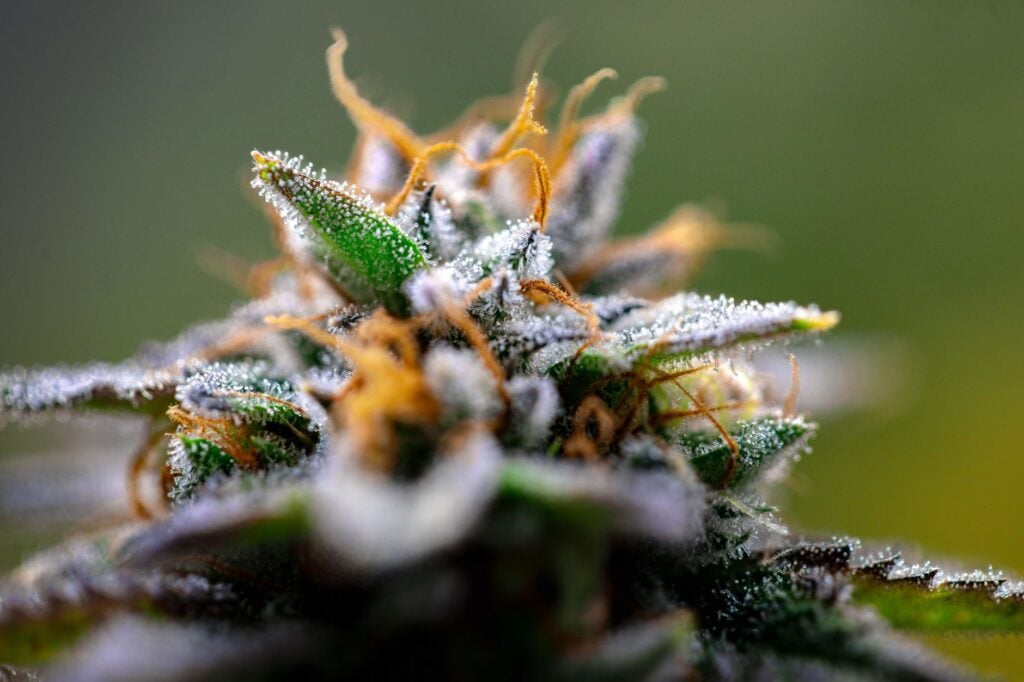
What is CBG? DC budtender Marcus explains cannabigerol benefits, how it compares to CBD, and why it matters for medical cannabis patients. Visit MrGreen on Connecticut Ave.
● mrgreendc.com
4302 Connecticut Avenue NW, Washington DC
If you’re a medical cannabis patient in DC and you’ve been wondering what is CBG, you’re asking the right question at the right time. I had a patient walk in last week — longtime regular, lives over near Dupont Circle, been using cannabis for chronic pain for years — and she pointed at a product label and said, “Marcus, what’s CBG and why should I care?” She’s not alone. That question comes up at our counter on Connecticut Avenue almost daily now, and the answer is genuinely exciting. CBG, short for cannabigerol, is a minor cannabinoid that’s earning a major reputation. In this post, I’ll break down exactly what it is, what the research says about its benefits, how it differs from CBD and CBN, and why it matters for medical cannabis patients in Washington DC.
What Is CBG and Why Do They Call It the “Mother Cannabinoid”?
Here’s the short version: every single cannabinoid in the cannabis plant — THC, CBD, CBN, all of them — starts its life as CBG-A (cannabigerolic acid). That’s it. CBG-A is the chemical precursor. As the plant matures, enzymes convert CBG-A into THC-A, CBD-A, and CBC-A. Whatever CBG-A doesn’t get converted stays behind as CBG after decarboxylation. That’s why most harvested flower contains less than 1% CBG — the plant has already used most of it up.
So when people call CBG the “mother of all cannabinoids,” it’s not marketing fluff. It’s literally the starting material. Without CBG-A, you don’t get THC. You don’t get CBD. You don’t get any of it. Think of it like a stem cell for cannabinoids — it has the potential to become many things, but in its original form it has its own unique properties that are worth paying attention to.
Is CBG psychoactive? No. Not in the way THC is. You won’t feel high from CBG alone. It interacts with both the CB1 and CB2 receptors in your endocannabinoid system, but it doesn’t bind strongly enough to CB1 to produce intoxication. That’s a big deal for patients who want therapeutic benefits without heavy psychoactive effects — something I hear constantly from folks commuting to federal jobs from Shaw and Capitol Hill (no judgment, everyone asks).
CBG Benefits: What the Research Actually Says
I’m not going to sit here and tell you CBG cures everything. That’s not how this works. But the early research is legitimately promising, and what I’ve seen behind the counter lines up with what scientists are finding in the lab.
Inflammation and Pain Relief
A 2021 survey published in the journal Biomedicines found that the majority of CBG users reported it was effective for chronic pain, anxiety, and insomnia. That matches what I hear from patients regularly. CBG appears to interact with the endocannabinoid system’s CB2 receptors, which are closely linked to inflammation and immune response. Patients dealing with inflammatory conditions — arthritis, Crohn’s, even general muscle soreness — often tell me that full spectrum products with measurable CBG content feel different than THC-only options. More balanced. Less “heavy.”
Does CBG Help With Anxiety?
This is the most common question I get about CBG, and honestly, yes — many patients report noticeable anxiety relief. CBG may inhibit the uptake of GABA (a neurotransmitter that promotes calm) more effectively than CBD does. That’s significant. If you’re comparing CBG vs CBD for anxiety, the early data suggests CBG could have an edge, though your results will depend on your own body chemistry and the product format you choose.
Appetite and Nausea
Honestly, this one surprises people. A 2016 study in Psychopharmacology showed CBG stimulated appetite in rats without producing the intoxication associated with THC. For medical cannabis patients dealing with appetite loss from chemotherapy or other treatments, that’s a real option worth discussing with your budtender.
Neuroprotective Potential
There’s interesting preclinical research showing CBG may protect nerve cells, particularly in models of Huntington’s disease and neuroinflammation. We’re still in early stages here — no one should be making bold medical claims — but it’s the kind of data that gets researchers excited.
CBG vs CBD vs CBN: Understanding the Differences
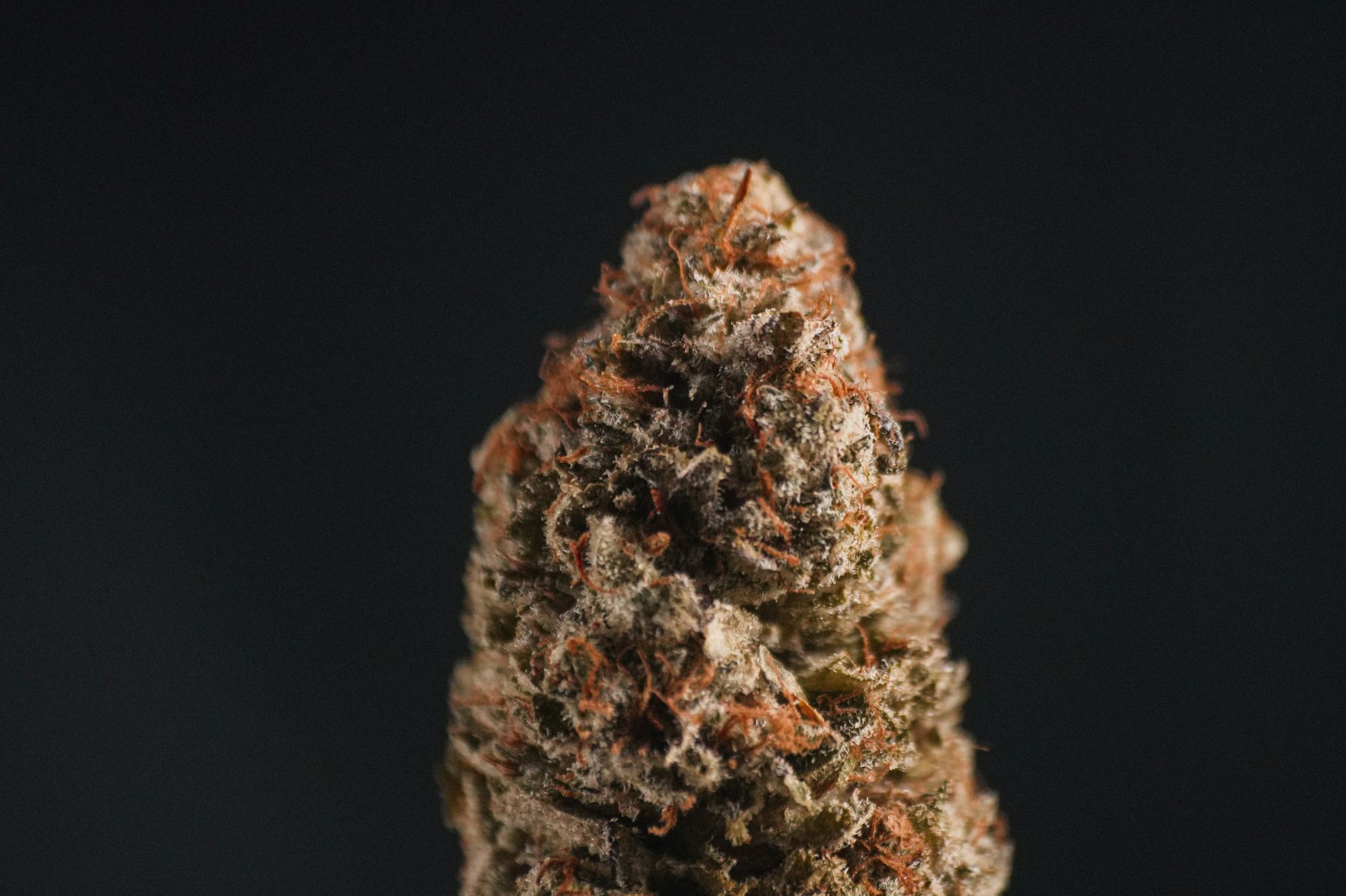
Look, I get why patients are confused. CBD, CBG, CBN — they sound almost identical. But they do very different things, and knowing the difference matters if you’re trying to build a cannabis wellness routine that actually works for you.
CBD (cannabidiol) is the most well-known non-intoxicating cannabinoid. It’s great for generalized anxiety, inflammation, and seizure management. Most patients have at least tried it. If you’re still asking “what is CBD?” — check out our cannabis FAQ page for a quick primer.
CBG (cannabigerol) shares some territory with CBD, but it also has its own mechanisms. It works on different receptor targets, which is why many patients report that CBD alone didn’t quite get them where they needed to be, but adding CBG changed the equation. The entourage effect — where cannabinoids and cannabis terpenes work together synergistically — is strongest when you’ve got multiple cannabinoids in the mix.
CBN (cannabinol) is what you get when THC degrades over time. It’s most associated with sedation and sleep support. Different use case entirely. If you need help sleeping, CBN’s your friend. If you need daytime relief without grogginess, CBG is probably the better pick.
Here’s the thing: you don’t have to choose just one. Full spectrum cannabis products — flower, tinctures, RSO — contain all of these cannabinoids in various ratios. That’s the whole point. Your endocannabinoid system wasn’t designed to process isolated compounds in a vacuum. It responds best to the full ensemble — cannabinoids plus terpenes like myrcene, limonene, caryophyllene, linalool, and pinene all doing their part. That’s the entourage effect in action, and it’s why I almost always steer patients toward full spectrum options when they ask me what’ll give them the most well-rounded relief.
How to Find CBG Products at a DC Dispensary
Not all cannabis products have meaningful CBG content. Remember, most mature flower is under 1% CBG because the plant converts it into other cannabinoids during growth. So if you’re specifically looking for CBG benefits, here’s what to look for.
Check Lab-Tested Cannabis Labels
At MrGreen DC, every product on our shelves is lab tested cannabis — that’s a requirement under DC’s medical program regulated by ABCA (DC’s Alcoholic Beverage and Cannabis Administration). Those lab reports list cannabinoid percentages. Look for products that list CBG or CBG-A separately. Even a small amount — 0.5% to 2% — can make a meaningful difference, especially alongside THC and CBD.
Full Spectrum Over Isolate
If you’re deciding between a CBD isolate product and a full spectrum option, go full spectrum. Every time. You’ll get trace amounts of CBG, CBN, and a complete terpene profile that an isolate simply can’t deliver. Our Motorbreath tincture and RSO syringe are both full spectrum products that patients love — they contain the whole plant profile, CBG included.
Ask Your Budtender (Seriously, That’s What We’re Here For)
The most common question I get behind the counter isn’t “what is CBG” — it’s “which product has the best cannabinoid profile for what I’m dealing with?” And the answer depends on your specific situation. Pain? Anxiety? Sleep? Appetite? We look at the lab results with you and help you match a product to your goals. That’s the advantage of shopping at a licensed dispensary near you in Washington DC instead of guessing online.
Getting Your DC Medical Cannabis Card Is Easier Than You Think
If you don’t already have your DC medical cannabis card, this is going to take you about two minutes (seriously, two minutes). DC uses a self-certification process through ABCA’s medical cannabis program. Anyone 21 or older can register online. No doctor’s appointment required. No fee. You self-certify that you have a qualifying condition, and you’re in.
I know what you’re worried about: your employer. Your security clearance. Your federal job. I hear this from patients all the time, especially those living in Logan Circle and working on the Hill. Here’s the truth — ABCA does not share your patient data with employers, federal agencies, or anyone else (yes, even your employer won’t know). Your registration is protected by strict privacy rules. Zero career risk from the card itself.
The entire process happens on the ABCA website from your phone or laptop. Once you’re registered, you can shop at any licensed medical dispensary in DC, including our dispensary on Connecticut Avenue. We also offer cannabis delivery throughout DC — from Adams Morgan to Navy Yard and everywhere in between.
Why CBG Matters for Medical Cannabis Patients in DC
The cannabis conversation is evolving fast. Five years ago, most patients only cared about THC percentage. Then CBD entered the mainstream and people started thinking differently about what the plant could do. Now, understanding what is CBG represents the next step in that evolution. Patients are asking smarter questions, reading lab reports more carefully, and demanding products with richer cannabinoid profiles.
That shift matters because it leads to better outcomes. When you understand the difference between THC vs CBD and where CBG fits into the picture, you make better purchasing decisions. You stop chasing the highest THC number and start looking for the right combination of cannabinoids and terpenes for your specific needs. That’s how you build a cannabis wellness approach that actually holds up week after week.
Now that you know what is CBG, you can start paying attention to it on product labels, asking about it at the counter, and noticing how full spectrum products make you feel compared to single-cannabinoid options. The difference is real, and it’s backed by both science and six years of conversations I’ve had with patients across this city.
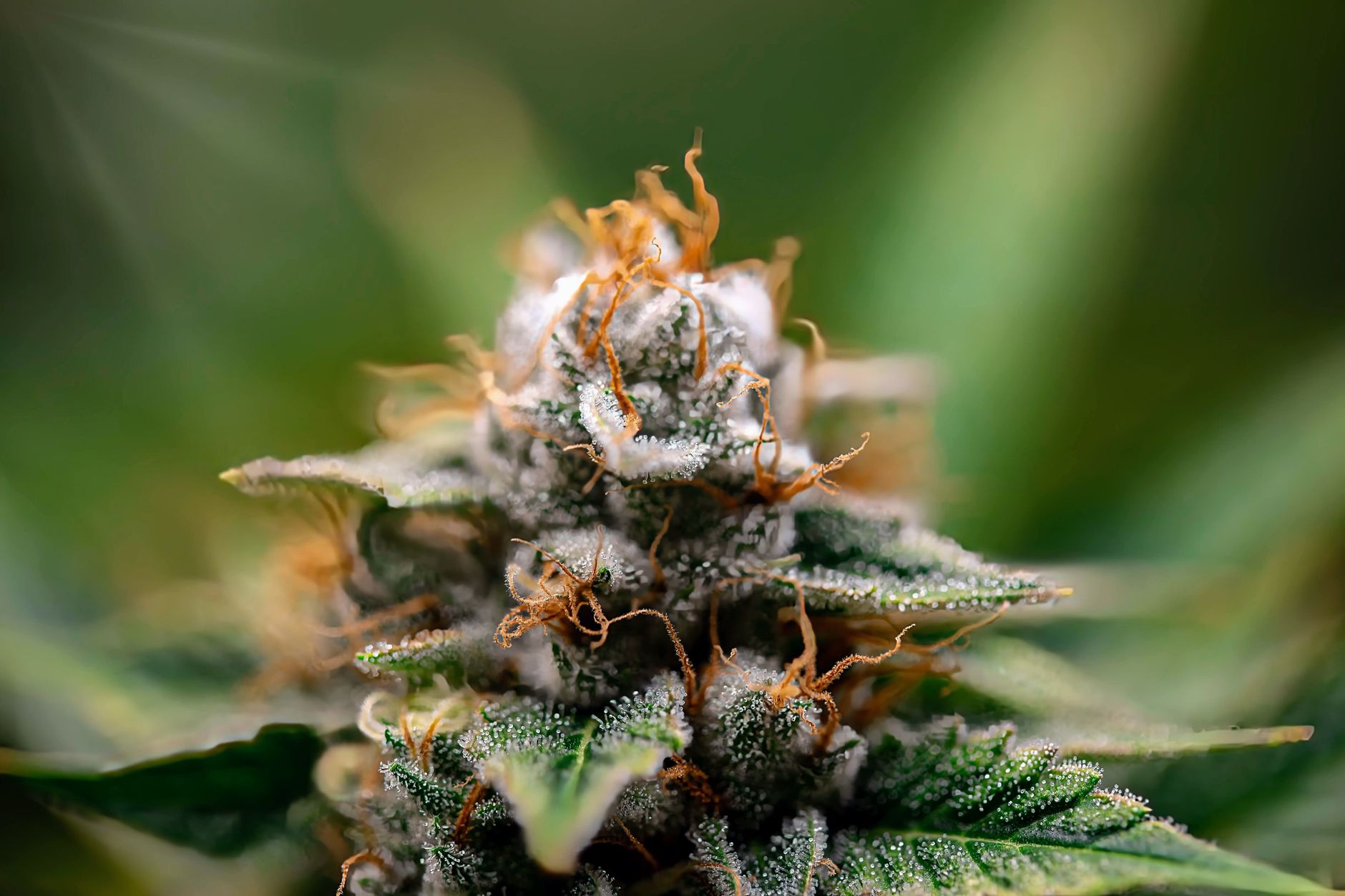
Ready to see what CBG-rich products we’ve got in stock? Stop by MrGreen DC on Connecticut Avenue NW — our budtenders will walk you through the lab results and help you find the right fit. Not close by? We deliver to every DC neighborhood. Check out our same-day delivery page and let us bring it to you. Your endocannabinoid system will thank you.