
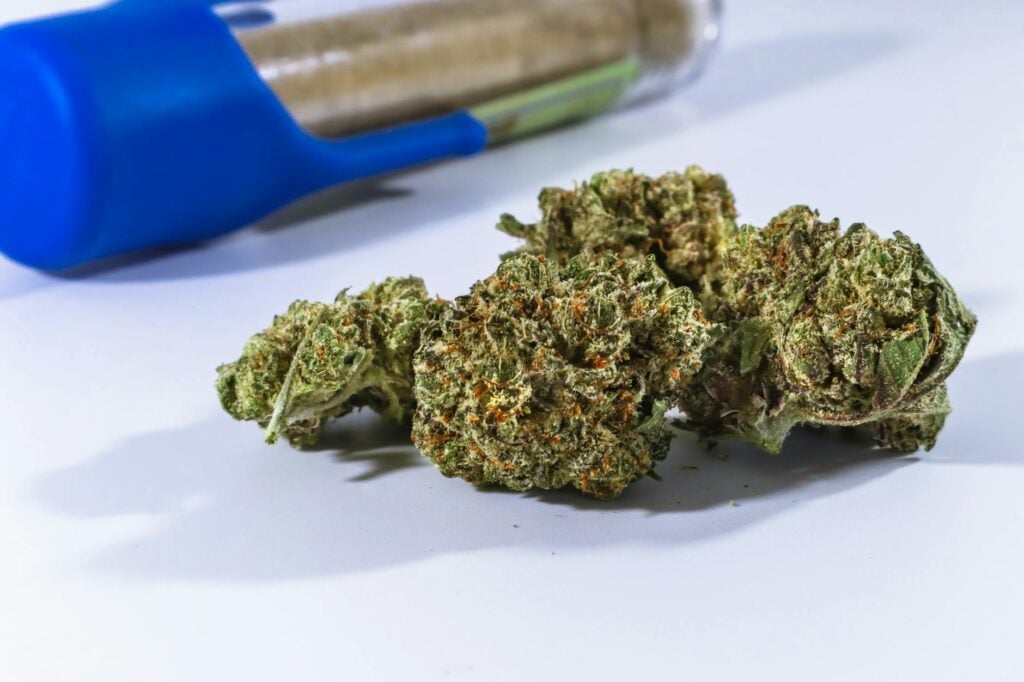
Confused about indica vs sativa vs hybrid? MrGreen DC budtenders explain which strain type fits your needs, plus terpene tips. Visit us on Connecticut Ave.
● mrgreendc.com
4302 Connecticut Avenue NW, Washington DC
If you’re a medical cannabis patient in DC trying to figure out the difference between indica vs sativa vs hybrid, I get it — the internet’s full of oversimplified charts and contradictory advice. I had a patient come in last week, a Capitol Hill attorney, super smart person, and she told me she’d been buying “whatever indica was cheapest” for her insomnia for two years. Turns out the strain she loved most — the one that actually knocked her out — was technically a sativa-dominant hybrid. That’s when she realized the labels don’t work the way most people think. So let’s talk about what actually matters when you’re choosing cannabis at a medical dispensary in Washington DC, because the indica-sativa-hybrid framework is useful, but only if you understand where it falls short.
The Old-School Take on Indica vs Sativa — And Why It’s Only Half Right
You’ve probably heard the basics a thousand times. Indica effects mean relaxation, couch-lock, sleepiness. Sativa effects mean energy, creativity, an uplifted mood. Hybrids sit somewhere in the middle. That’s the standard pitch, and honestly, it’s not completely wrong — it’s just incomplete.
Here’s the thing: the original distinction between indica and sativa was about how the plants look, not how they make you feel. Indica plants grow short and bushy with wide leaves. Sativas grow tall and lanky. That’s botany, not pharmacology. Over decades of crossbreeding, almost every strain on a dispensary shelf is technically a hybrid at this point. Pure landrace indicas and sativas barely exist anymore outside of seed banks.
So does the indica vs sativa classification still matter? Kind of. It gives you a rough starting point. If someone’s never used cannabis and they walk into our dispensary on Connecticut Avenue, I’m not going to start lecturing them about chemotypes. I’ll ask what they’re looking for — sleep, pain relief, daytime focus — and the indica/sativa/hybrid framework gives us a shared language to start that conversation. But the real magic is in the details: the terpene profile, the cannabinoid ratios, and your own body chemistry.
The most common question I get behind the counter is some version of “which one won’t make me anxious?” That question has nothing to do with indica vs sativa and everything to do with THC percentage, specific cannabis terpenes, and your individual tolerance. We’ll dig into all of that.
What Is Hybrid Cannabis — And Why Most Strains Are Hybrids Now
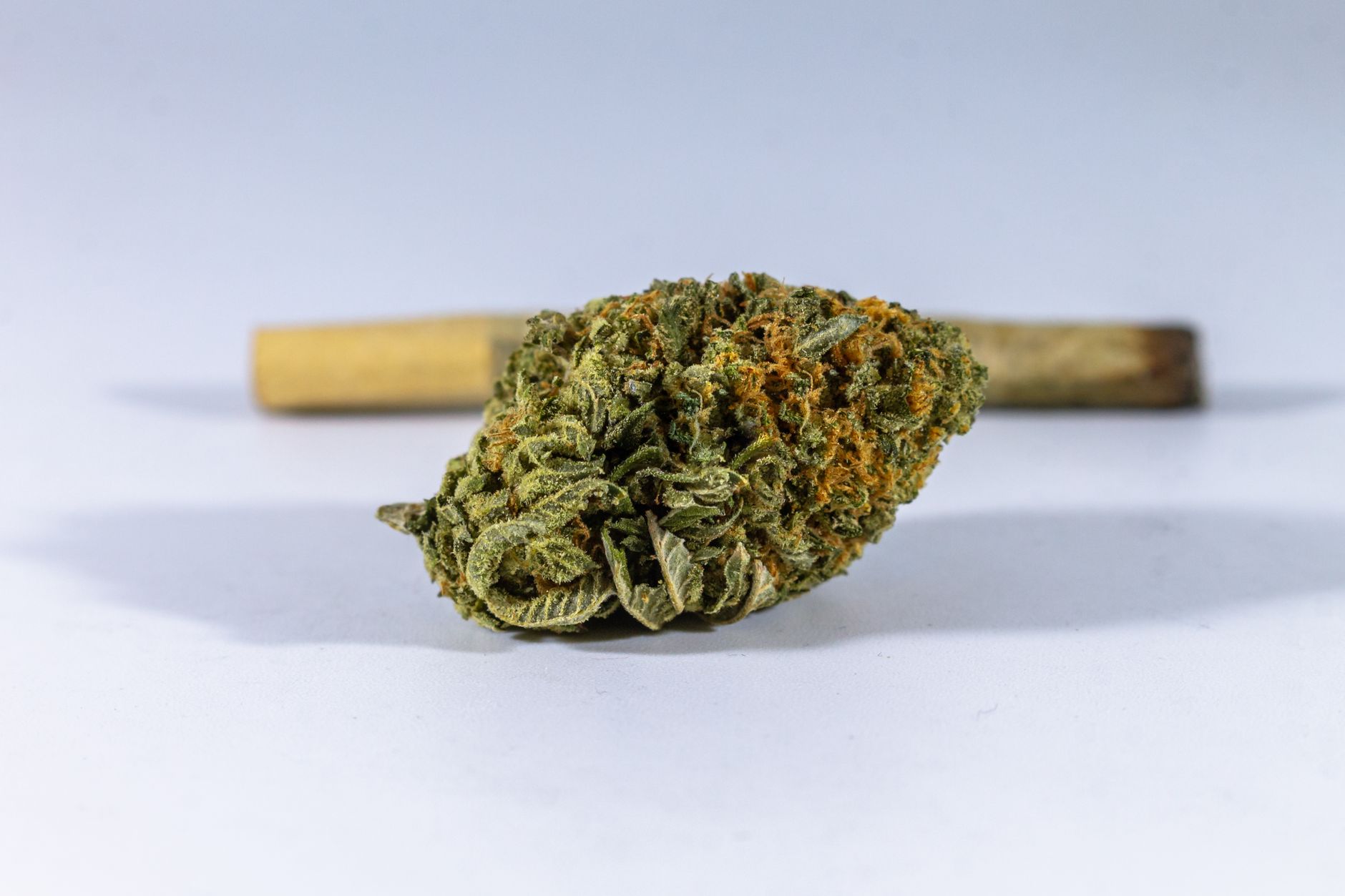
Let me clear this up because it confuses a lot of new patients. What is hybrid cannabis? It’s any strain bred from both indica and sativa genetics. And here’s the kicker: that’s virtually everything. When you see “hybrid” on a label, it usually means the breeder combined parent strains to get a specific set of effects, flavors, or growing characteristics.
Hybrid effects vary enormously depending on the specific cross. A 70/30 indica-dominant hybrid like Gelato Cake is going to feel very different from a 60/40 sativa-dominant hybrid like Trainwreck. The ratio matters, but so does everything else — the grow conditions, the cure, the harvest timing. Two batches of the exact same strain from two different cultivators can hit differently.
I tell patients to think of indica, sativa, and hybrid as neighborhoods on a map. They give you a general area. But you still need the street address. That street address? It’s the terpene and cannabinoid profile printed on your label. A hybrid high in myrcene and caryophyllene will probably lean sedating regardless of its genetic classification. One loaded with limonene and pinene will likely feel more alert and clear-headed.
If you’re looking at our cannabis menu and wondering how to find the right cannabis strain, start with the effect you want, then use the indica/sativa/hybrid label as a filter — not the final answer.
What is hybrid cannabis?
Terpenes Matter More Than Indica vs Sativa vs Hybrid Labels
I’m going to say something that might sound controversial coming from a budtender: the indica vs sativa vs hybrid label on your jar is less important than the terpene profile inside it. I’ve seen this play out hundreds of times at the counter. A patient grabs a “sativa” expecting daytime energy, and it puts them on the couch because it’s loaded with myrcene. Another patient avoids a “hybrid” thinking it won’t be strong enough for pain, and it turns out that strain’s caryophyllene content makes it one of the best options we carry for inflammation.
Here’s a quick breakdown of the terpenes that actually drive effects:
- Myrcene — the most common cannabis terpene. Earthy, musky. It’s the main reason certain strains feel sedating. High myrcene? Expect relaxation whether the label says indica or not.
- Limonene — citrusy, bright. Associated with mood elevation and stress relief. This is what makes a strain feel “uplifting.” Great for daytime use.
- Caryophyllene — peppery, spicy. It actually binds to CB2 receptors, which makes it unique among terpenes. Patients dealing with inflammation or chronic pain should look for this one.
- Linalool — floral, lavender-like. Calming without being knockout-level sedating. Solid for anxiety.
- Pinene — smells exactly like a pine forest. Tends to promote alertness and can counteract some of THC’s short-term memory effects (no judgment, everyone asks about that).
So when someone asks me “is sativa or indica better for daytime?” my honest answer is: look for strains — regardless of classification — that are high in limonene and pinene. Best cannabis for daytime use isn’t about the label. It’s about the chemistry. Similarly, the best cannabis for nighttime use is going to be anything rich in myrcene and linalool, whether it’s technically an indica, a hybrid, or even a sativa. Our Trainwreck flower is classified as a sativa, but certain phenotypes with higher myrcene content can still feel pretty mellow.
Does Indica Really Make You Sleepy?
Usually, yes. But not because it’s an indica — because most strains labeled indica happen to be high in myrcene and other sedating terpenes. It’s a correlation, not a guaranteed cause. I’ve seen indica-labeled strains with terpene profiles that are more energizing than half the sativas on our shelf. The label gives you a hint. The lab results give you the truth.
Does Sativa Really Give You Energy?
Same deal. Many sativas feel energizing because they tend to carry more limonene and pinene. But a sativa with a dominant myrcene profile can absolutely melt you into the couch. Trust the terpenes over the category name every single time.
How to Actually Choose Between Indica, Sativa, and Hybrid at a DC Dispensary
Alright, practical advice. You’re standing in our cannabis dispensary on Connecticut Avenue and you want to make a smart choice. Here’s my actual process when I help a medical cannabis patient in DC pick a strain:
- Start with your goal. Pain? Sleep? Focus during the workday? Appetite? Anxiety management? Don’t tell me you want an indica. Tell me what you’re trying to fix.
- Consider the time of day. If you need something for a Saturday morning walk around Dupont Circle, we’re talking about a completely different product than what you’d use before bed in your Adams Morgan apartment. Time-of-day context shapes everything.
- Check the terpene profile. I know not everyone’s a science person, but even glancing at the top two terpenes on the label will tell you more than the indica/sativa/hybrid designation.
- Start low. Especially if you’re newer to medical cannabis in DC or trying a new strain type. You can always take more. You can’t take less (seriously, two minutes of patience saves hours of being too high).
- Keep notes. I can’t stress this enough. Write down the strain name, the terpenes, the dosage, and how you felt. After a few sessions, you’ll have a personalized guide that’s more valuable than any blog post — including this one.
Honestly, the biggest mistake I see is patients chasing THC percentage. A 30% THC strain isn’t automatically better than a 22% strain. I’ve watched people pass on Sundae Driver because the THC was “only” 20-something percent, then come back a week later asking for it by name after a friend let them try it. That strain’s got a gorgeous mix of caryophyllene and limonene that makes it perfect for unwinding after work without total sedation. Numbers don’t tell the whole story.
If you’re curious about specific products that match your needs, check out our full menu here — or just ask one of our budtenders. That’s literally what we’re here for.
Getting Your DC Medical Cannabis Card Is Easier Than You Think
A lot of people in the District still don’t realize how simple it is to become a medical cannabis patient in DC. There’s no doctor’s appointment required, no fee, and the whole process takes about two minutes online. DC uses a self-certification system through the ABCA medical cannabis program — that’s the Alcoholic Beverage and Cannabis Administration, the agency that regulates the entire program.
Here’s what you need to know:
- Anyone 21 or older can self-certify as a medical cannabis patient through the ABCA website.
- It’s completely free. No hidden costs.
- You don’t need a doctor’s recommendation or diagnosis.
- Your patient information is not shared with employers, federal agencies, or any third party. ABCA enforces strict patient privacy (yes, even your employer won’t know).
- There’s zero career risk to getting your card. Federal employees, government contractors, Capitol Hill staffers — I see all of you, and your registration is protected.
Look, I talk to people every week who are nervous about signing up, especially folks working federal jobs in Shaw or on Capitol Hill. I get the hesitation. But ABCA’s privacy protections are real and they’re strong. If you want a step-by-step walkthrough, check out our guide on how to get a DC med card. It’ll take you less time than ordering coffee.
Once you’re registered, you’ll have access to lab-tested, regulated products from licensed dispensaries — and you’ll actually know the terpene profiles, cannabinoid percentages, and strain genetics behind what you’re consuming. That’s the real advantage of being a medical cannabis patient in DC. You get information. And information is how you make the indica vs sativa vs hybrid decision correctly.
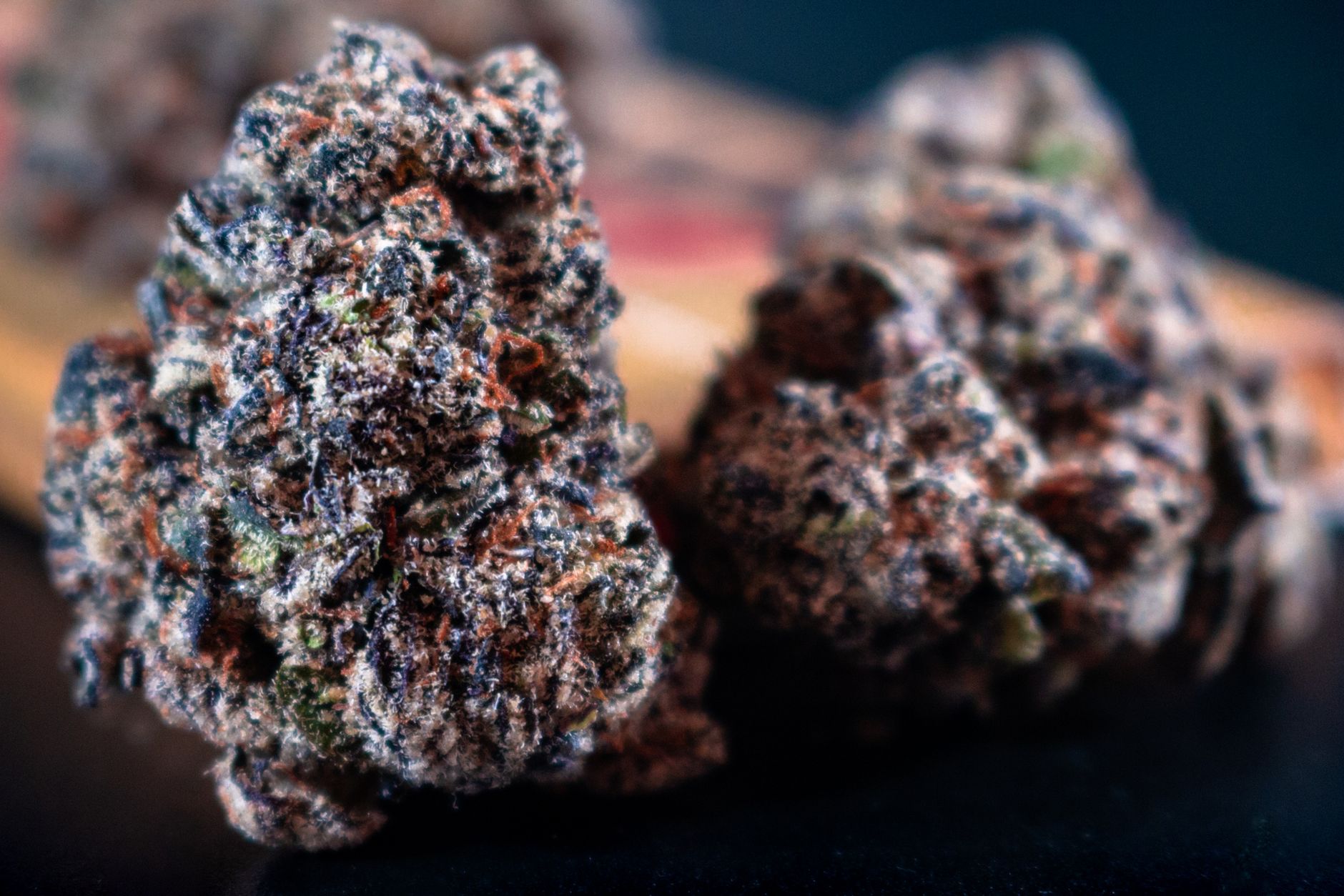
Understanding indica vs sativa vs hybrid is a great starting point, but the best way to find your ideal strain is to have a real conversation with someone who knows the product and knows DC’s medical cannabis scene. That’s what we do every day at MrGreen DC on Connecticut Avenue NW. Stop by and talk to us — we’ll walk you through terpene profiles, recommend strains based on your actual needs, and make sure you leave with something that works. Can’t make it in? We offer cannabis delivery throughout DC, including Dupont Circle, Adams Morgan, Shaw, and beyond. Your perfect strain is closer than you think.