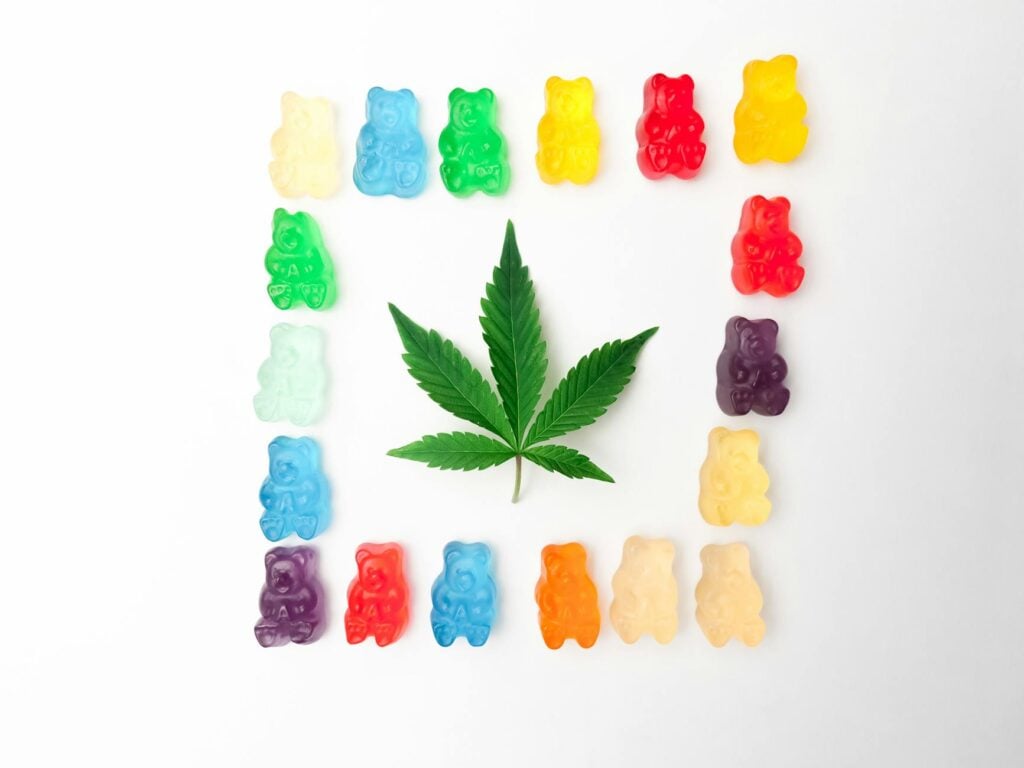
Edibles vs smoking cannabis — which is better for DC medical patients? MrGreen DC compares onset, dosing, and effects. Visit us on Connecticut Ave.
● mrgreendc.com
4302 Connecticut Avenue NW, Washington DC
If you’re weighing edibles vs smoking cannabis, you’re asking the single most common question I hear behind the counter at MrGreen DC. Seriously — I’d bet it comes up ten times a day. A patient walked in last month, a Capitol Hill government worker in her 40s, and she told me she’d been smoking flower for chronic back pain but hated the smell clinging to her clothes before meetings. She wanted to switch to edibles entirely. My answer surprised her: don’t pick one. Understand both, then build a plan that actually fits your life. That’s what this post is about — a real, honest comparison of cannabis edibles and smoking so you can figure out what works for your body, your schedule, and your medical needs as a DC patient.
How Long Do Edibles Take to Kick In — and Why Does Smoking Hit Faster?
Let’s start with the thing everybody wants to know: timing. When you smoke cannabis, THC crosses from your lungs into your bloodstream almost instantly. You’ll feel effects within one to five minutes, and they’ll peak somewhere around the 20-minute mark. It’s fast, it’s predictable, and it gives you real-time control over how high you’re getting.
Cannabis edibles are a completely different animal. You’re sending THC through your digestive system, where it gets processed by your liver and converted into 11-hydroxy-THC — a metabolite that’s actually stronger than regular THC. How long do edibles take to work? Anywhere from 30 minutes to two full hours, depending on your metabolism, what you ate that day, and your individual body chemistry. That’s a wide window, and it’s exactly where most first-timers get into trouble.
The most common mistake I see? Someone eats a cannabis gummy, doesn’t feel anything after 45 minutes, then eats another one. An hour later they’re way more medicated than they wanted to be. Don’t do that. Set a timer, occupy yourself, and wait at least 90 minutes before even thinking about a second dose (no judgment, everyone asks about this). Your patience will pay off.
One more timing note that matters: how long does a cannabis high last with each method? Smoking typically gives you one to three hours. Edibles? Four to eight hours, sometimes longer. For a medical cannabis patient in DC managing chronic pain or insomnia, that extended duration can be exactly what you need. For someone who just wants mild relief during a Saturday afternoon stroll through Adams Morgan, it might be overkill.
Cannabis Bioavailability: Why the Same THC Number Doesn’t Mean the Same Effect
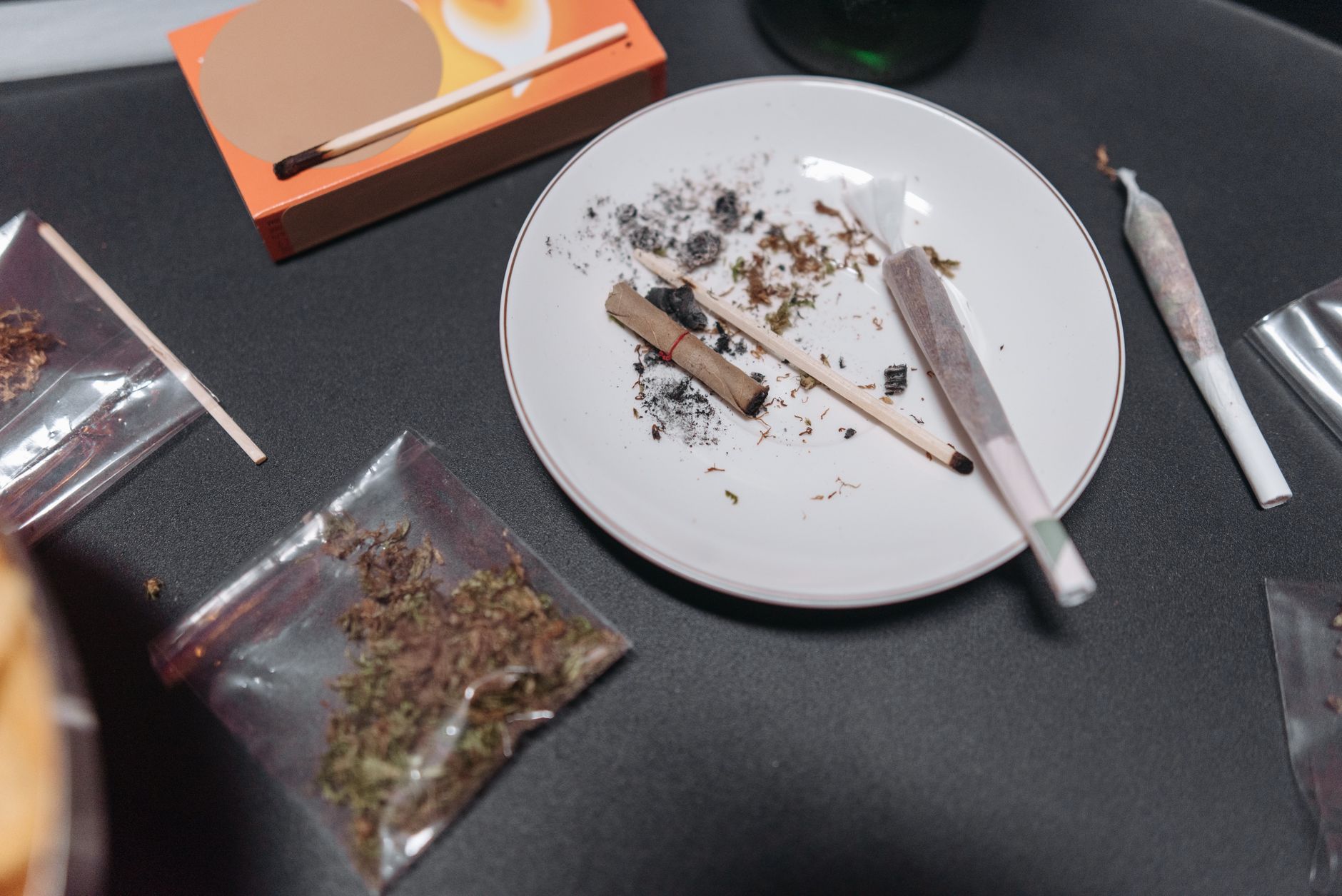
Here’s a term that’ll change how you think about dosing: cannabis bioavailability. It means the percentage of THC that actually makes it into your bloodstream. And it’s wildly different between smoking and eating.
When you smoke flower, bioavailability runs between 15% and 30%. So if you smoke a bowl with 100mg of total THC, maybe 20-30mg is actually doing the work. Not great efficiency, but the onset is instant and you can titrate easily — take a puff, wait, decide if you need more.
Edibles have lower bioavailability on paper — roughly 4% to 20%. But here’s the catch: that liver conversion to 11-hydroxy-THC makes the effects feel significantly stronger milligram for milligram. A 10mg edible can hit harder than a joint that technically delivered more THC to your blood. This is why edibles vs smoking cannabis isn’t a straightforward potency comparison. The numbers on the label don’t tell the whole story.
If you want something in between, a cannabis tincture taken sublingually (under the tongue) bypasses some of the digestive process and hits in 15-30 minutes. It’s honestly one of the most underrated options we carry. Check out our Motorbreath tincture if you’re looking for something with solid caryophyllene and myrcene content — it’s great for pain and relaxation without committing to a full edible experience.
cannabis bioavailability
How to Dose Edibles Safely (and Why Microdosing Cannabis Makes Sense)
Look, how to dose edibles is where most people need the most help. And I don’t say that to be condescending — the learning curve is real. Smoking gives you immediate feedback. Edibles require you to plan ahead and trust the process.
Here’s my standard recommendation for anyone new to cannabis edibles or anyone switching from smoking:
- Start at 2.5mg to 5mg of THC. Not 10mg. Not half a cookie your friend made. A precisely measured, lab-tested 2.5-5mg dose.
- Wait two hours. Yes, two hours. Your body might need the full window, especially if you ate a big meal.
- Keep a simple journal. Note the dose, what you ate beforehand, when effects started, and how you felt. After three or four sessions, you’ll have your own personal dosing blueprint.
- Increase by 2.5mg increments only after you’ve established your baseline. Slow and steady wins here.
Microdosing cannabis — taking 1-2.5mg doses — has become incredibly popular among DC medical patients who want symptom relief without feeling impaired. I’ve got patients in Dupont Circle and Shaw who microdose a cannabis gummy every morning for anxiety, and they say it takes the edge off without affecting their workday at all. It’s not about getting high. It’s about getting functional.
Our THC chocolate edibles are dosed at 10mg per piece, which means you can easily break them in half or quarters for precise microdosing. They’re one of the best edibles DC dispensaries carry for controlled, consistent dosing.
Health Considerations: What Smoking and Edibles Actually Do to Your Body
I’m not a doctor. I’ll say that upfront. But after six years working in the DC cannabis industry, I’ve had enough conversations with patients and read enough research to give you a straight answer on the health side of edibles vs smoking cannabis.
Smoking combusts plant material. That means you’re inhaling tar, carbon monoxide, and other irritants along with your cannabinoids and terpenes. Is it as harmful as tobacco? The research says probably not — cannabis smoke doesn’t carry the same carcinogenic risk profile. But it’s still smoke, and if you’ve got asthma, COPD, or any respiratory sensitivity, it’s going to aggravate things. Vaporizing flower (not concentrates, actual dry herb vaping) is a middle ground that reduces combustion byproducts significantly. Something like the PAX Mini vaporizer is a solid option if you want the fast onset of inhalation without the harshness.
Edibles are easier on your lungs — obviously, since your lungs aren’t involved. But they’re harder on your patience and your planning. The delayed onset means accidental overconsumption is a real risk. And because 11-hydroxy-THC is more potent, an edible overdose (you won’t die, but you’ll be very uncomfortable) tends to last much longer than smoking too much. If it happens, CBD, black peppercorns, and a calm dark room are your best friends.
Honestly, the “healthiest” method depends entirely on your specific medical situation. A patient managing neuropathic pain probably benefits from the sustained release of edibles. Someone with acute nausea who needs relief in minutes? Smoking or vaping makes way more sense. This isn’t about good vs bad — it’s about matching the delivery method to the symptom.
What About Terpenes?
One thing people don’t think about enough: terpene preservation. When you smoke or vape flower, you’re getting the full terpene profile — limonene for mood, linalool for anxiety, pinene for focus, myrcene for sedation. Edibles made from distillate often lose those terpenes during processing. Full-spectrum edibles and RSO-based products (like our RSO syringe 500mg) retain more of that original plant chemistry. If you care about the entourage effect — and you should — ask what kind of extract your edible is made from. We break it all down in our cannabis terpenes guide.
Becoming a Medical Cannabis Patient in DC Takes About Two Minutes
Here’s the thing: none of this matters if you don’t have legal access. The good news is that becoming a medical cannabis patient DC is absurdly simple.
DC uses a self-certification process through the ABCA medical cannabis program. If you’re 21 or older, you go to the ABCA website, self-certify that you have a qualifying condition, and you’re done (seriously, two minutes). No doctor’s appointment. No fee. No waiting period.
The question I get constantly from patients — especially folks who work on the Hill or for federal contractors in the U Street Corridor and Logan Circle — is whether their employer will find out. The answer is no. ABCA does not share your patient data with employers, federal agencies, or anyone. Your registration is protected. Zero career risk. I’ve watched dozens of government-adjacent professionals go through this process without a single issue.
Once you’re registered, you can purchase from any licensed medical dispensary in Washington DC, including us right here on Connecticut Avenue. If you’ve been putting it off, our guide to getting a DC med card walks you through every step.
So Which Is Actually Better — Edibles or Smoking?
I’ll give you my honest take after years of helping patients figure this out. The debate over edibles vs smoking cannabis doesn’t have one winner. But it does have a clear answer for you, depending on a few questions:
- Do you need relief fast? Smoking or vaping wins. Nothing else comes close on onset speed.
- Do you need relief that lasts 6+ hours? Edibles or RSO, hands down. Especially for sleep and chronic pain.
- Are you concerned about lung health? Edibles, tinctures, or capsules are the obvious choice.
- Do you want the most control over your dose? Smoking gives you puff-by-puff control. But a precisely dosed edible (not homemade, lab-tested) is equally reliable once you know your number.
- Do you care about discretion? Cannabis gummies don’t smell. A pre-roll does. For patients in apartment buildings throughout Columbia Heights and Navy Yard, that distinction matters a lot.
My actual recommendation for most new medical marijuana DC patients: start with both. Use a low-dose edible for sustained background relief and keep a vape pen or small amount of flower on hand for breakthrough symptoms. That combination covers almost every scenario. Browse our cannabis menu to see what’s currently in stock for each category.
The edibles vs smoking cannabis question really comes down to knowing your own body, being honest about your goals, and starting slow with whichever method you choose. There’s no single right answer — but there’s absolutely a right answer for you, and it’s probably easier to find than you think.
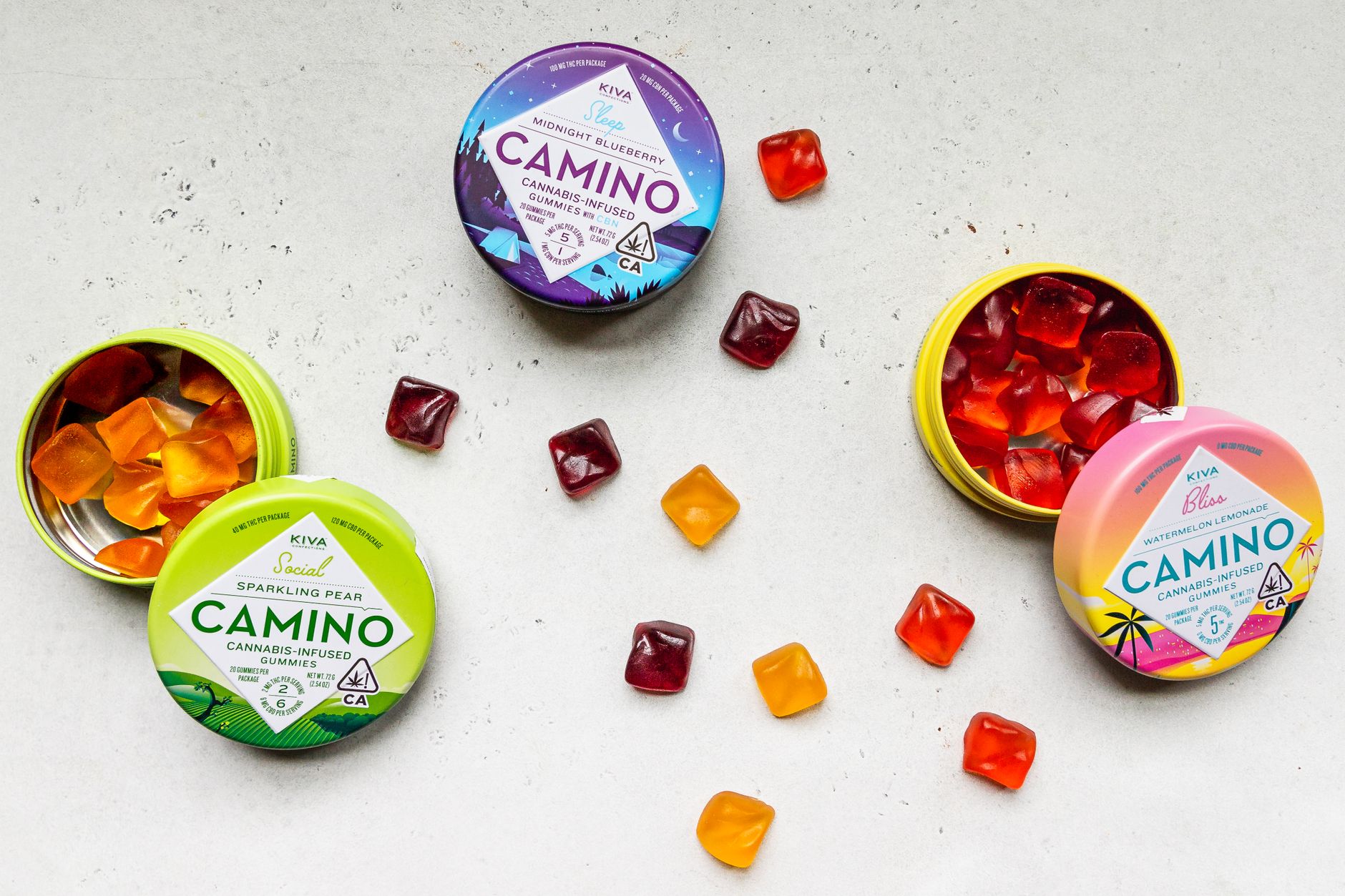
Whether you’re leaning toward cannabis edibles, flower, tinctures, or all of the above, our team at MrGreen DC on Connecticut Avenue NW is here to help you dial it in. Stop by in person, or order through our cannabis delivery service — we deliver throughout DC and to addresses near the DC/Maryland and DC/Virginia borders. No guesswork, no pressure. Just real answers from people who actually care about getting this right for you. Shop Now — MrGreen DC menu.