
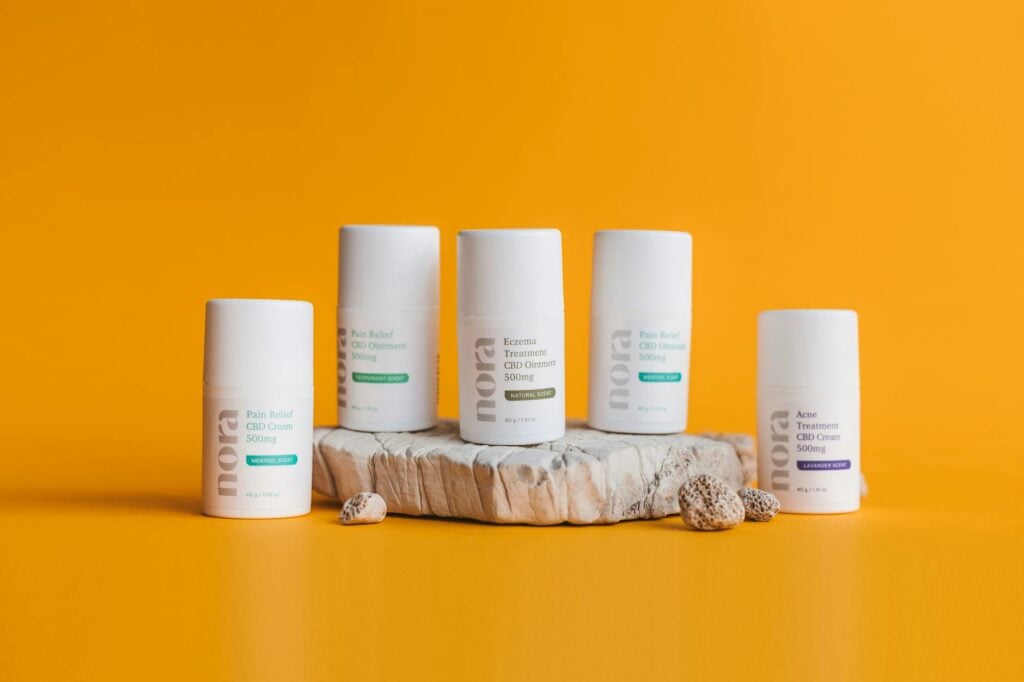
Learn how cannabis topicals for pain work — creams, balms, and patches explained by a DC budtender. Visit MrGreen DC on Connecticut Ave or order delivery.
● mrgreendc.com
4302 Connecticut Avenue NW, Washington DC
If you’ve been curious about cannabis topicals for pain but weren’t sure whether a cream, balm, or patch would actually do anything for your sore knees, inflamed joints, or that stubborn shoulder that’s been killing you since February — you’re in the right place. I had a patient walk in last month, a guy who commutes from Capitol Hill to an office near Dupont Circle, and he’d been white-knuckling it through chronic lower back pain for years. He’d tried CBD lotions from a grocery store, ibuprofen by the fistful, and a heating pad that barely took the edge off. We got him started on a full spectrum cannabis cream, and two weeks later he came back genuinely smiling. That’s the kind of result that keeps me excited about this work. In this post, I’ll break down exactly how topical cannabis works, which product types make sense for different conditions, and why a medical dispensary in Washington DC carries options you won’t find at a random wellness shop.
What Are Cannabis Topicals — And Why Should a Medical Cannabis DC Patient Care?
Cannabis topicals are exactly what they sound like: products infused with cannabinoids (THC, CBD, or both) that you apply directly to your skin. That includes cannabis cream, cannabis salve, cannabis lotion, balms, and transdermal patches. They’re designed to deliver relief right where you need it without getting you high. That last part surprises a lot of people.
Here’s the thing: your skin is loaded with CB1 and CB2 receptors — part of the endocannabinoid system that helps regulate pain signals, inflammation, and immune response. When you rub a cannabis-infused balm into your aching wrist, the cannabinoids bind to those local receptors. They don’t cross into your bloodstream (with one exception I’ll get to), so there’s no psychoactive effect. You stay clear-headed, you go about your day, and the pain quiets down.
For a medical cannabis patient DC who works a desk job near Logan Circle or teaches on their feet all day in Shaw, that’s a big deal. You get the anti-inflammatory cannabis benefits without worrying about feeling altered at work. The most common question I get behind the counter is, “Wait, this has THC but it won’t get me high?” Correct. Topicals applied to the skin keep everything local. Your boss won’t know. Your drug test won’t flag it (unless you’re using a transdermal patch — more on that below).
So does cannabis cream actually work for pain? Absolutely. Multiple studies on cannabinoid receptor activation in peripheral tissue support what patients have been telling me for years: the stuff works. It’s not a miracle cure, and it won’t replace physical therapy for a torn rotator cuff, but for chronic aches, arthritis flare-ups, muscle soreness, and localized inflammation, cannabis topicals for pain are one of the most underrated tools in a patient’s routine.
Cannabis Cream vs. Salve vs. Lotion vs. Transdermal Patch: What’s the Difference?
Not all topicals are created equal, and picking the wrong format is a common mistake I see. Here’s how they break down:
- Cannabis cream and cannabis lotion: Water-based, absorb quickly, feel light on the skin. Great for daytime use when you don’t want a greasy residue. They tend to work within 15–30 minutes and last a couple of hours. Best for moderate, surface-level pain and skin conditions like eczema or psoriasis patches.
- Cannabis salve and balm: Oil or wax-based, thicker, slower to absorb. These sit on the skin longer and deliver cannabinoids more steadily. I recommend these for deeper joint pain — knees, hips, lower back. The trade-off is they can feel heavy, so maybe not your first pick before putting on dress clothes for dinner in Georgetown.
- Cannabis transdermal patch: This is the outlier. A transdermal cannabis patch pushes cannabinoids through the skin and into your bloodstream. That means it can produce systemic effects, including mild psychoactivity if it’s a THC-dominant patch. It also means it could show up on a drug test. But for patients managing widespread inflammation or chronic pain that doesn’t stay in one spot, a transdermal patch provides slow, consistent dosing over 8–12 hours. Think of it like a nicotine patch, but for pain.
Honestly, the best approach for most patients is to keep both a fast-absorbing cream and a thicker balm on hand. Use the cream during the day, the balm at night before bed. And if your pain is systemic or you need longer-lasting relief, talk to us about whether a cannabis transdermal patch makes sense for your situation. You can check our cannabis menu for current topical availability — stock rotates, but we keep a solid range.
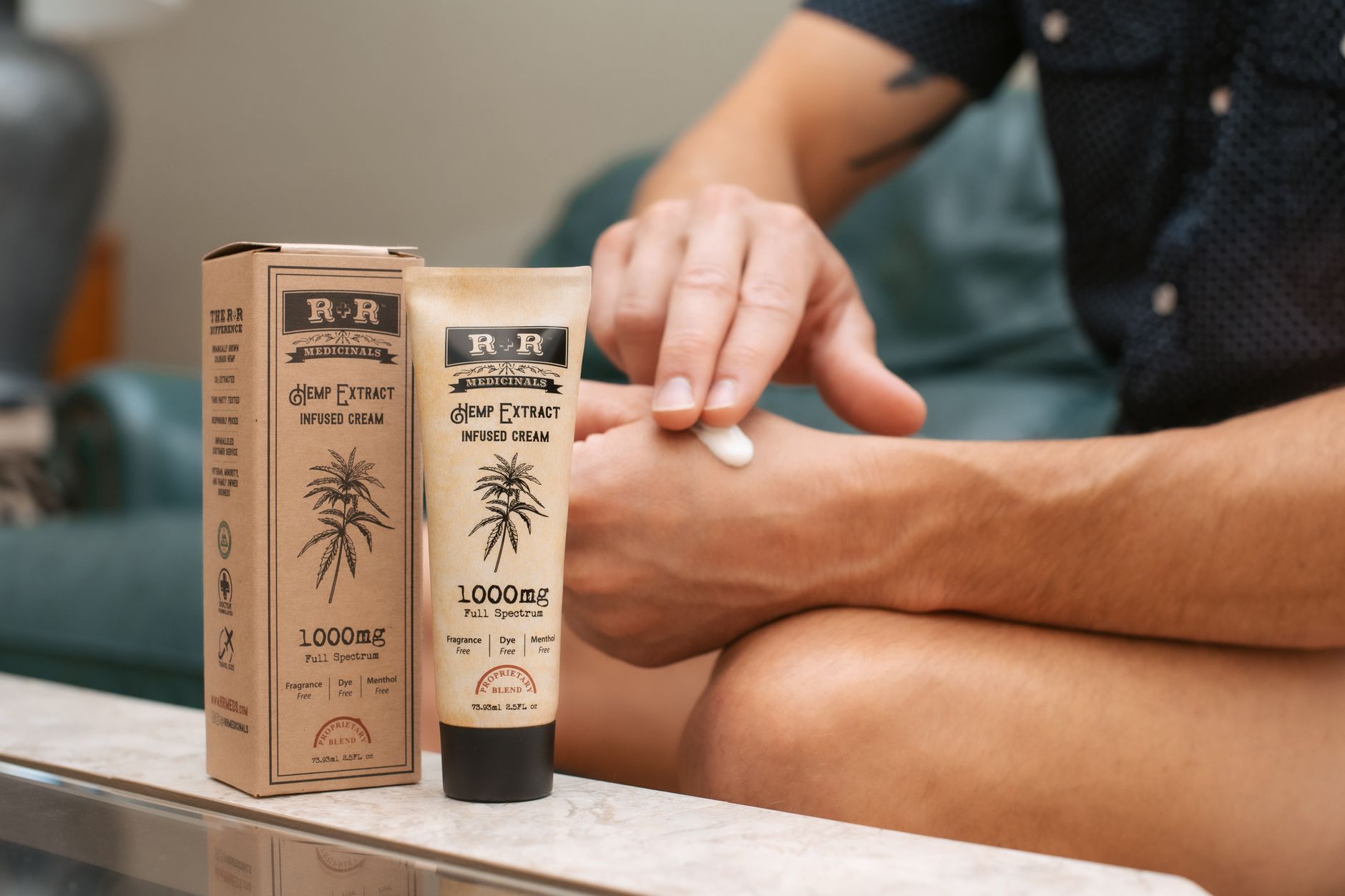
Cannabis cream and cannabis lotion:
How Cannabis and Inflammation Are Connected — The Terpene Factor
You can’t talk about cannabis and inflammation without talking about terpenes. Cannabinoids like THC and CBD get all the attention, but the terpene profile of a topical product matters just as much for anti-inflammatory results.
Which Terpenes Make Cannabis Topicals for Pain More Effective?
Caryophyllene is the star here. It’s the only terpene that directly binds to CB2 receptors, which are heavily involved in inflammatory and immune responses. A full spectrum cannabis topical that’s high in caryophyllene is going to hit harder for joint inflammation than one without it. You’ll find caryophyllene in strains with a peppery, spicy nose.
Myrcene is another heavy hitter — it’s known for its muscle-relaxant and analgesic properties. If your pain is muscular (think tension from sitting at a desk all day, or post-workout soreness after running the trails near Adams Morgan), myrcene-rich topicals tend to give that deep, loosening relief. Linalool, the terpene you’ll recognize from lavender, adds a calming analgesic layer. And pinene has its own anti-inflammatory profile that pairs well with the others.
This is why I always push patients toward full spectrum cannabis topicals over isolate-based products. Full spectrum means you’re getting the whole plant — cannabinoids, terpenes, flavonoids — all working together. That entourage effect isn’t marketing hype; it’s the reason a medical-grade topical from a licensed dispensary near you in Washington DC outperforms something you grabbed off a shelf at a vitamin store. Want a deeper breakdown on individual terpenes? We’ve got a whole cannabis terpenes guide that’s worth your time.
Topical Cannabis Benefits Beyond Pain: Skin Conditions, Recovery, and Everyday Use
Pain relief gets the headline, but topical cannabis benefits extend further than most people realize.
Can You Use Cannabis Topicals for Skin Conditions?
Yes — and this is where things get interesting. CBD for pain gets talked about a lot, but CBD’s anti-inflammatory and antioxidant properties also make it useful for managing eczema, psoriasis, contact dermatitis, and even acne. I’ve seen patients who dealt with persistent skin irritation on their hands (from constant hand-washing in healthcare jobs) get real relief from a CBD-rich cannabis lotion applied twice a day.
THC-containing topicals help too, especially for conditions where itching and inflammation overlap. The cannabinoids interact with receptors in the skin that regulate cell proliferation and immune response. That’s not me playing scientist — that’s published dermatological research catching up to what cannabis patients have known for a while.
Post-Workout and Recovery Use
If you’re pounding pavement through the U Street Corridor or lifting weights at a gym in Columbia Heights, a cannabis salve post-workout can cut recovery time. I personally keep a balm in my gym bag (no judgment, everyone asks what it is). Apply it to sore quads or tight shoulders within 30 minutes of finishing your session. The combination of anti-inflammatory cannabinoids and terpenes like myrcene helps reduce that delayed-onset muscle soreness that makes you walk funny for two days.
How Long Do Cannabis Topicals Take to Work?
Most patients feel something within 15–45 minutes, depending on the product format and how much they applied. Creams and lotions kick in faster. Balms and salves take a bit longer but last longer too. A transdermal cannabis patch might take up to an hour to reach full effect, but then it delivers steady relief for 8–12 hours. My advice: apply generously. People tend to use too little. This isn’t a moisturizer — don’t be stingy. Rub it in thoroughly and give it a few minutes before deciding it’s not working.
Cannabis topicals for pain won’t show up on a standard drug test (again, patches are the exception because they enter the bloodstream). That’s a huge consideration for federal employees and contractors in DC — and there are a lot of them.
Getting Your DC Medical Cannabis Card Is Easier Than You Think
Look, if you’re reading this and you don’t have your medical cannabis card yet, you’re overcomplicating things. DC uses a self-certification process through ABCA (the Alcoholic Beverage and Cannabis Administration). Anyone 21 or older can register online. No doctor visit needed. No fee. The whole process takes about two minutes (seriously, two minutes). You self-certify your qualifying condition, and your temporary card comes through digitally so you can start shopping at a licensed dispensary right away.
The question I hear most about this: “Will my employer find out?” No. ABCA does not share your patient data with employers, federal agencies, or anyone else. Your registration is protected. Whether you work on the Hill, at a federal agency in Southwest, or anywhere else in DC — your status as a medical cannabis patient DC is private. Zero career risk. That privacy protection is one of the strongest parts of DC’s program, and it’s enforced by ABCA directly.
Once you’ve got your card, you can walk into our store on Connecticut Avenue or order cannabis delivery DC-wide and start exploring topicals, tinctures, edibles, flower — whatever fits your needs.
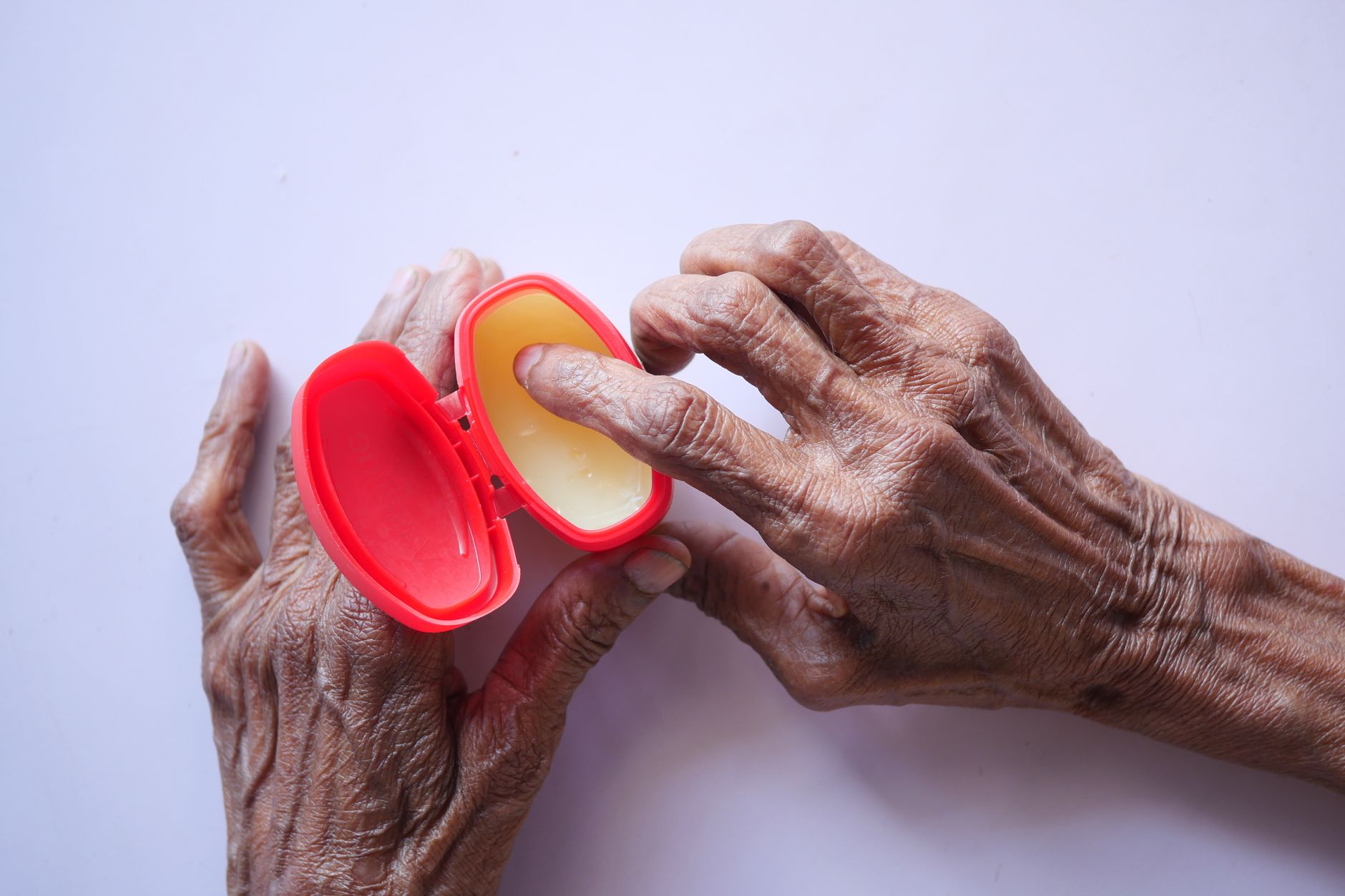
Whether you’re managing chronic arthritis, recovering from a workout, dealing with a stubborn skin condition, or just trying to get through your workday without reaching for another bottle of Advil, cannabis topicals for pain deserve a spot in your medicine cabinet. They’re discreet, effective, non-intoxicating (for creams and balms, at least), and backed by real science that’s only getting stronger. The key is choosing full spectrum products from a licensed source — not the unregulated stuff with a pretty label and no lab results.
We’re here for exactly this kind of conversation. Stop by MrGreen DC on Connecticut Avenue NW, and one of our budtenders will walk you through every topical option we carry. Not near Dupont Circle? No worries — we deliver throughout DC, including Adams Morgan, Capitol Hill, Shaw, and beyond. Shop Now — MrGreen DC menu and find the relief you’ve been looking for.