
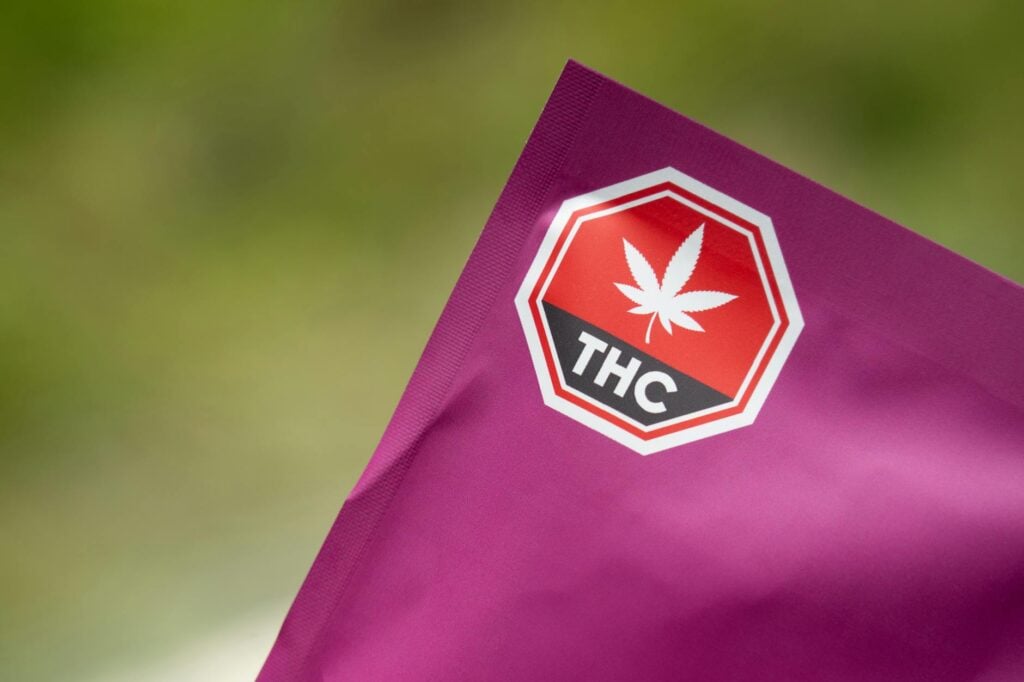
Learn how to read cannabis labels like a pro — THC percentages, terpene profiles, and COA lab results explained. MrGreen DC budtenders break it down. Visit us on Connecticut Ave.
● mrgreendc.com
4302 Connecticut Avenue NW, Washington DC
If you don’t know how to read cannabis labels, you’re basically shopping blindfolded — and I see it happen every single day. A patient came in last week from Dupont Circle, been buying cannabis for three years, and she told me she’d always just picked the jar with the highest THC number. That’s it. No attention to terpenes, no glance at the lab results, nothing. She’d been missing out on strains that would’ve worked twice as well for her insomnia because she was chasing a number that doesn’t tell the whole story. This guide is everything I wish I could explain to every person who walks through our door on Connecticut Avenue. You’ll learn what THC percentages actually mean, why cannabis terpenes matter more than most people think, how to decode a Certificate of Analysis, and how to use all of it to make smarter choices at the dispensary.
What Is THC and Why the Percentage Doesn’t Tell You Everything
Let’s start with the big one. What is THC? It’s delta-9-tetrahydrocannabinol — the primary psychoactive cannabinoid in cannabis. It’s what gets you high, it’s what most people fixate on, and it’s the number printed biggest on every label. But here’s where most medical cannabis patients in DC get it wrong: a higher THC percentage does not automatically mean a stronger or better experience.
Think of it like alcohol proof. A 190-proof grain alcohol is technically “stronger” than a glass of good bourbon, but nobody’s arguing it’s a better drink. Cannabis potency testing gives you a number, sure. But that number doesn’t account for the terpenes, the minor cannabinoids, or how your individual endocannabinoid system processes the whole package. I’ve seen patients get absolutely rocked by a 19% flower and barely feel a 30% one. It happens all the time.
When you’re reading a cannabis product label, you’ll typically see two THC figures: THC and THCA. THCA is the raw, non-psychoactive form that converts to THC when you apply heat (smoking, vaping, baking). The actual THC you’ll experience is roughly THCA × 0.877 + THC. Most labels do this math for you under “Total THC,” but not all of them. If you only see THCA listed, just know the real number’s a bit lower.
THC vs CBD — What the Ratio Means for You
The other big number on your label is CBD. Understanding THC vs CBD ratios is actually more useful than raw THC percentage for many medical cannabis patients in DC. CBD doesn’t get you high. It does modulate how THC hits you — smoothing out anxiety, reducing the racing-heart feeling some people get, and adding its own anti-inflammatory properties.
A 1:1 THC-to-CBD product is great for patients who want therapeutic benefits without feeling overwhelmed. A 20:1 ratio? That’s going to be a much more psychoactive experience. Every product on our cannabis menu lists this information, and it’s one of the first things I point new patients toward.
Cannabis Terpenes: The Part of the Label Most People Skip
This is my favorite section to talk about, and it’s the part almost nobody reads on the label. What are terpenes? They’re aromatic compounds produced by the cannabis plant — the same molecules that make a lemon smell like a lemon or a pine tree smell like a pine tree. But they don’t just create flavor and aroma. They actively shape your experience, and they’re a massive part of why two strains with identical THC numbers can feel completely different.
Here are the terpenes you’ll see listed most often on DC medical cannabis labels:
- Myrcene — The most common cannabis terpene. Earthy, musky, slightly herbal. It’s associated with sedation and body relaxation. If a strain knocks you to the couch, myrcene is probably the reason.
- Limonene — Bright citrus scent. Tends to elevate mood and reduce stress. I recommend limonene-dominant strains to patients dealing with anxiety or depression pretty regularly.
- Caryophyllene — Peppery, spicy. It’s the only terpene that also acts as a cannabinoid by binding to CB2 receptors. Great for inflammation and pain.
- Linalool — Floral, lavender-like. Calming. Patients who struggle with sleep or tension tend to respond well to it.
- Pinene — Smells like a forest. Associated with alertness and memory retention — it actually counteracts some of THC’s short-term memory effects.
Honestly, once you start paying attention to terpene profiles on your labels, you’ll never go back to shopping by THC alone. The entourage effect — the idea that cannabinoids and terpenes work better together than any single compound alone — is why full spectrum cannabis products tend to outperform isolates for most patients. It’s the whole plant working as a team. You can read a deeper breakdown in our cannabis terpenes guide.

What are terpenes?
What Is a COA? Reading Lab Test Results Like a Pro
A COA — Certificate of Analysis — is the document that proves a cannabis product is what it says it is. Third party lab testing cannabis is required in DC’s medical program, and the ABCA (DC cannabis regulator) mandates that every product sold at a licensed dispensary has been tested by an independent laboratory. This isn’t optional. It’s the law.
Here’s the thing: most patients don’t even know they can ask to see a COA. You absolutely can. At MrGreen DC, we’re happy to pull one up for you (seriously, just ask). Here’s what you’re looking at when you read one:
Cannabinoid Potency Panel
This section lists every cannabinoid detected and its concentration. You’ll see THC, THCA, CBD, CBDA, CBN, CBG, and sometimes more. This is where your cannabis potency testing data lives. It confirms whether the THC percentage printed on the front of the package is accurate — and whether there are meaningful amounts of minor cannabinoids that contribute to the entourage effect.
Terpene Analysis
Not every COA includes a full terpene breakdown, but the good ones do. This is where you’ll find exact percentages for myrcene, limonene, caryophyllene, and the rest. If a label on the shelf says “limonene-dominant” but the COA shows myrcene at twice the concentration, now you know. The COA doesn’t lie.
Contaminant Testing — The Safety Section
This is the part that actually matters most for your health. Lab tested cannabis in DC gets screened for:
- Pesticides — residual chemicals from cultivation
- Heavy metals — lead, arsenic, cadmium, mercury
- Microbial contaminants — mold, bacteria, yeast
- Residual solvents — relevant for concentrates and extracts
- Mycotoxins — toxic compounds from certain mold species
Every line item should say “Pass.” If anything says “Fail” or the COA is missing sections, that’s a red flag. I had a patient come in from Shaw who’d been buying untested products elsewhere and dealing with persistent headaches. Switched to lab-tested flower from our menu, headaches stopped within a week. You can’t always see or smell contamination, which is exactly why third party lab testing matters.
How to Read Cannabis Labels on Every Product Type
Labels aren’t identical across product categories, and the dispensary menu at any DC shop will have flower, concentrates, edibles, tinctures, and more — each with slightly different labeling conventions. Here’s what to focus on for each:
Flower Labels
You’ll get strain name, total THC/CBD percentages, net weight, and (on good labels) the top three terpenes. Check the harvest date or packaging date if it’s listed. Cannabis isn’t like wine — it doesn’t improve with age. Terpenes degrade over time, and flower older than six months has lost a noticeable amount of its profile. Something like our Gelato Cake flower moves fast enough that freshness isn’t an issue, but it’s still worth checking.
Edible Labels
Edibles list THC in milligrams per serving and per package. In DC, you’ll commonly see 10mg servings. If you’re new, start at 5mg (cut a piece in half) and wait at least two hours before deciding you need more. I can’t tell you how many patients from Capitol Hill and Logan Circle have told me they ate the whole pack because “it wasn’t working” and then had a very rough Tuesday evening. The label tells you the dose. Trust it.
Concentrate and Cartridge Labels
These list potency as a percentage — and it’ll be high, often 60-90% total THC. What separates a quality cart from a mediocre one isn’t just the number but whether it’s live resin, cured resin, or distillate. Full spectrum cannabis concentrates (live resin, live sugar) preserve more terpenes than distillate. Our Pavé live sugar is a great example — the terpene profile on that thing reads like a greatest-hits list.
Tincture Labels
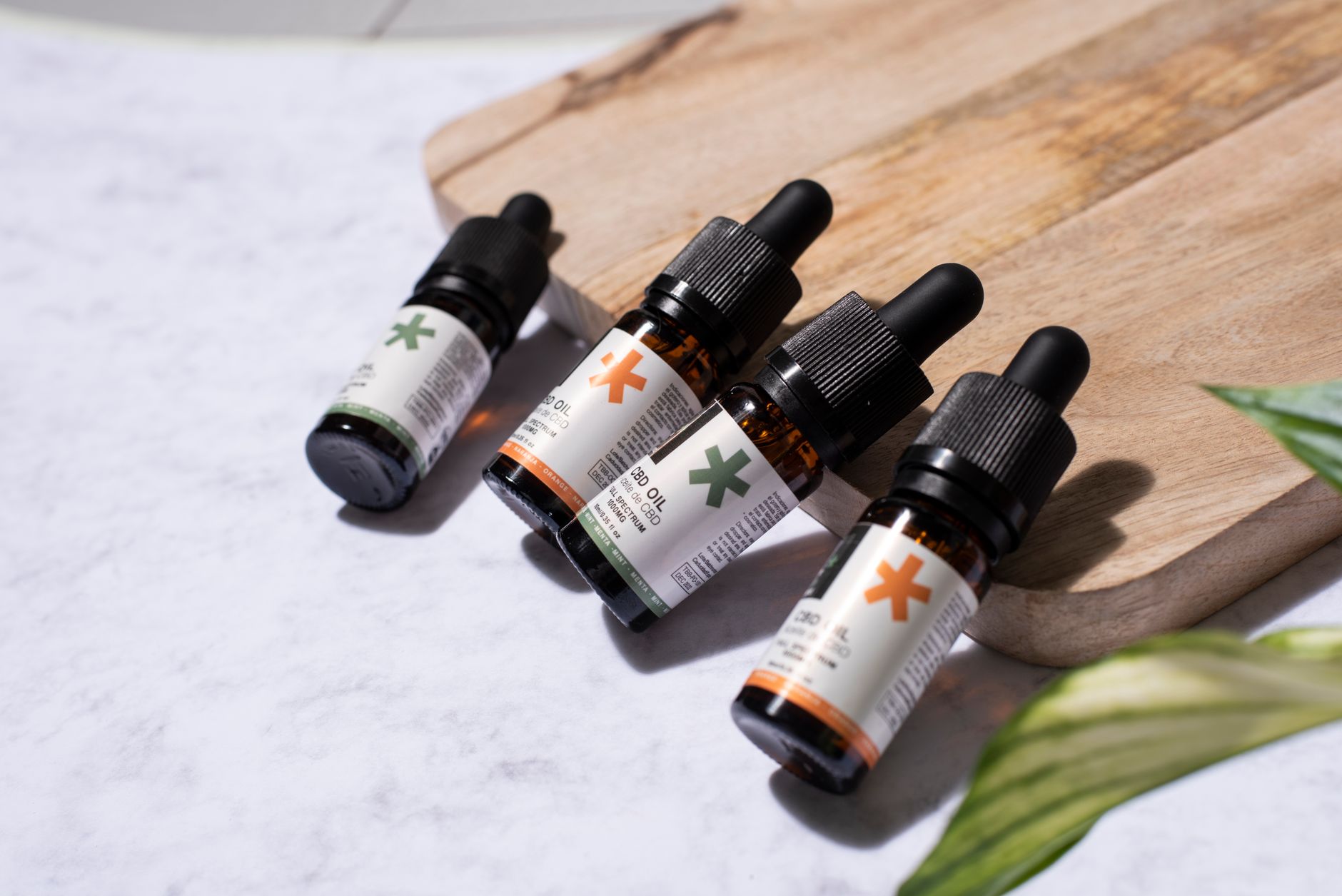
Tinctures list milligrams of THC (and CBD, if present) per milliliter and per bottle. They’ll also tell you the carrier — MCT oil or alcohol-based. The Motorbreath tincture we carry is alcohol-based and double-strength, so reading that label carefully matters. Dose precision is the whole point of tinctures.
Your DC Medical Cannabis Card: Easier Than You Think
Look, none of this label knowledge does you much good if you don’t have legal access. The good news is that becoming a medical cannabis patient in DC is shockingly easy. DC uses a self-certification process through the ABCA medical cannabis program. You don’t need a doctor’s visit. You don’t need a diagnosis letter. You don’t pay a fee. If you’re 21 or older, you go to the ABCA website, fill out the form, and you’re done (no exaggeration, it takes about two minutes).
The question I get behind the counter more than any other: “Will my employer find out?” The answer is no. The ABCA enforces strict patient privacy protections. Your registration data is not shared with employers, federal agencies, or anyone else (yes, even your employer won’t know). Whether you work on Capitol Hill, in a Georgetown law firm, or at a federal agency near the U Street Corridor, your medical cannabis status stays between you and the dispensary. Zero career risk. Period.
Putting It All Together: A Smarter Way to Shop
Now that you know how to read cannabis labels, here’s my actual recommendation for your next dispensary visit. Don’t walk in chasing the highest THC number. Instead, tell your budtender what you’re trying to accomplish — sleep, pain relief, creativity, whatever — and then look at the terpene profile together. Check the COA if anything seems off. Compare the cannabinoid ratios. That ten-minute conversation will do more for your results than months of random guessing.
The most common mistake I see? Patients who find one product that works and never look at the label to understand why it works. Then that product goes out of stock and they’re lost. If you know it was the high myrcene content or the 2:1 THC-to-CBD ratio that made the difference, you can find a replacement in minutes. Knowing how to read cannabis labels turns you from a passive consumer into someone who can reliably get what they need, every time.
We’d love to help you put this into practice. Stop by MrGreen DC on Connecticut Avenue NW, or order through our cannabis delivery service if you’re anywhere from Adams Morgan to Navy Yard. Every product on our shelf is lab tested, clearly labeled, and backed by budtenders who’ll actually walk you through what it all means. No judgment. Just good information and good cannabis.