
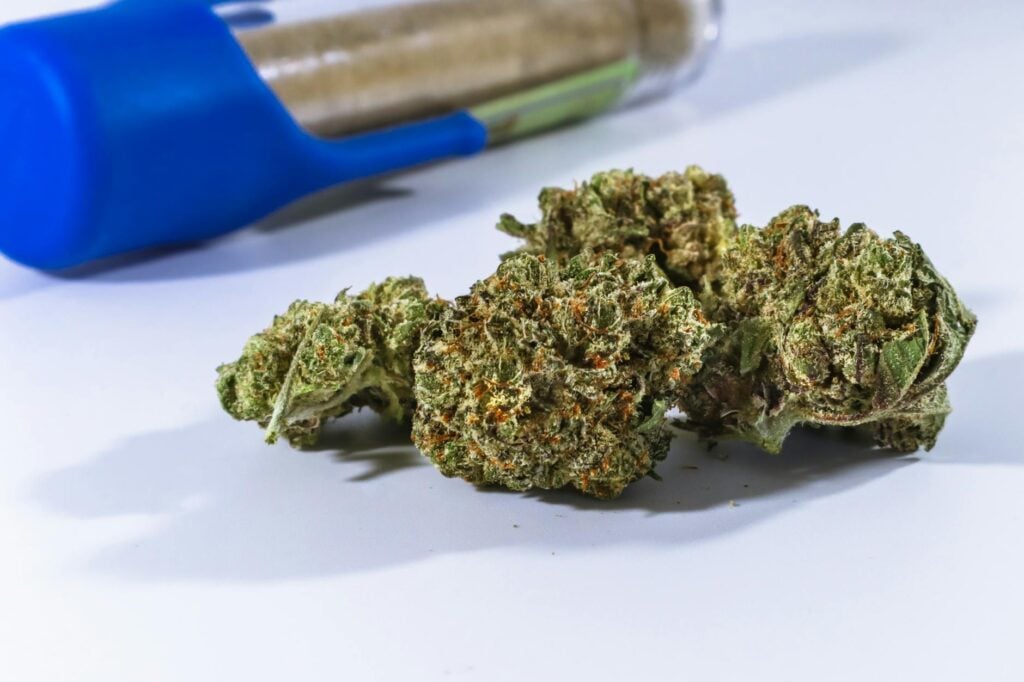
How long does THC stay in your system? DC budtender breaks down real detection times for urine, blood, saliva & hair tests. Visit MrGreen DC on Connecticut Ave.
● mrgreendc.com
4302 Connecticut Avenue NW, Washington DC
“How long does THC stay in your system?” — it’s the single most common question I get behind the counter at MrGreen DC. Hands down. More than strain recs, more than dosing advice, more than “what’s the strongest thing you got.” I had a patient come in last Thursday — works for a contracting firm near Capitol Hill, just started his medical cannabis card in DC, and he was genuinely nervous that a single gummy was going to follow him around for months. That fear is real, and it’s based on a lot of bad information floating around online. So let’s set the record straight with actual numbers, actual science, and what I’ve seen play out with hundreds of patients over six years in the DC medical cannabis scene.
How Long Does THC Stay in Your System? The Real Detection Windows
There’s no single answer to how long does THC stay in your system, because your body isn’t a timer — it’s a chemistry lab. THC is fat-soluble. That means it parks itself in your fat cells and slowly releases over days or weeks, long after the effects have worn off. The detection window depends entirely on what kind of test someone’s running.
Here’s the breakdown that actually matters:
- Urine test: This is what most employers use. A single-use patient might clear it in 3–4 days. Regular daily users? You’re looking at 15–30 days, and I’ve seen heavy, long-term patients still flag at 45 days after stopping completely.
- Blood test: THC clears the blood fast — usually within 1–2 days for occasional users, up to 7 days for daily consumers. These are rare for employment purposes.
- Saliva test: Detection window is roughly 24–72 hours. Roadside tests use these sometimes.
- Hair test: This one’s harsh. A hair follicle test can detect THC metabolites for up to 90 days. It’s not measuring current impairment — it’s basically reading your hair like a diary.
The key factor nobody talks about enough is cannabis bioavailability. The way you consume determines how much THC actually enters your bloodstream, which directly affects how long metabolites hang around. Smoking or vaping delivers THC fast with high bioavailability (around 30%), while edibles have lower bioavailability (10–20%) but produce a metabolite called 11-hydroxy-THC that your liver creates during digestion. That metabolite is actually more potent and sticks around longer — which is why edibles vs smoking is such an important distinction for drug testing.
Does Cannabis Show Up on a Drug Test? What Actually Triggers a Positive Result
Yes. Full stop. If you’re a medical cannabis patient in DC using THC products, you will test positive on a standard drug screen during the detection window. The test isn’t looking for THC itself — it’s looking for a metabolite called THC-COOH, which your liver produces as it processes THC.
Honestly, the amount of misinformation I hear about beating drug tests could fill a book. Patients come in asking about cranberry juice, niacin, those sketchy “detox drinks” from gas stations. I’m not going to pretend I’ve never heard a success story (no judgment, everyone asks), but the science doesn’t support most of those hacks. Your body eliminates THC-COOH at its own pace, and that pace depends on:
- Body fat percentage — more fat cells means more storage for THC metabolites
- Metabolism — faster metabolism, faster clearance
- Frequency of use — this is the biggest variable, period
- Potency and consumption method — a 100mg RSO dose leaves a heavier metabolite footprint than a single puff of flower
- Hydration and exercise habits — they help, but they’re not magic
Here’s the thing: does cannabis show up on a drug test even if you only used once? It can. Most standard immunoassay urine screens use a cutoff of 50 ng/mL, and a single session can push you above that threshold for 1–4 days. If the initial screen triggers a confirmation test (GC-MS), the cutoff drops to 15 ng/mL, and that’s where occasional users sometimes get caught off guard.

Body fat percentage
How Long Does a Cannabis High Last? (And Why It Matters for Drug Tests)
People confuse how long does a cannabis high last with how long THC is detectable. They’re completely different things. Your high might last 1–3 hours from smoking or vaping, maybe 4–8 hours from edibles. But the metabolites that drug tests detect linger in your system for days or weeks after the effects are long gone.
This is something I explain to almost every new patient who walks into our shop on Connecticut Avenue. The high is temporary. The metabolite trail is not. That disconnect is exactly why responsible cannabis use includes understanding your own detection timeline — especially if you’re in a career where testing is a possibility.
Different products also produce different duration of effects. A high-myrcene indica flower like Gelato Cake might produce a heavier, longer-lasting body effect because myrcene enhances THC’s ability to cross the blood-brain barrier. A limonene-dominant sativa might give you a shorter, more energetic experience. But from a drug test standpoint, the THC metabolite load is what matters — not the terpene profile. Check out our cannabis terpenes guide if you want to understand how terpenes shape your experience.
Cannabis Tolerance Breaks, Withdrawal, and Clearing Your System Faster
If you’ve got a test coming up and you need to know how long does THC stay in your system for your specific situation, a cannabis tolerance break is really the only reliable strategy. Stop consuming, hydrate well, exercise regularly (cardio helps mobilize fat stores where THC hides), and give your body time.
Now — can you expect cannabis withdrawal symptoms during a break? Some patients do experience them, and they’re mild compared to alcohol or opioid withdrawal, but they’re real. Irritability, trouble sleeping, reduced appetite, and sometimes vivid dreams are the most common complaints I hear from patients in the Logan Circle and Dupont Circle area who take breaks for work-related reasons. These usually peak around day 2–3 and resolve within a week or two.
A few practical tips from six years of talking to patients about this:
- Don’t crash-exercise the day before your test. Burning fat right before a test can actually spike THC-COOH levels in your urine temporarily. Exercise during the break, but taper off 48 hours before the test.
- Stay hydrated on test day — not to “flush” anything, but dilute urine can buy you a retest if you’re borderline. Don’t overdo it though; labs flag overly diluted samples.
- Consider your cannabis and medication interactions. Some medications affect liver enzyme activity (specifically CYP450 enzymes), which can slow or speed up how your body metabolizes THC. If you’re on other meds, talk to your pharmacist — seriously, two minutes of their time could save you a lot of stress.
For patients worried about cannabis drug interactions with their existing prescriptions, that’s a conversation worth having with your healthcare provider. THC and CBD both interact with the CYP2C9 and CYP3A4 enzyme pathways, which can affect blood thinners, certain SSRIs, and some anti-seizure medications.
Your DC Medical Cannabis Card and Employer Drug Testing — Know Your Rights
This is where a lot of DC patients get tripped up, so let me be direct. Being a medical cannabis patient in DC does not automatically protect you from employer drug testing. Federal contractors, safety-sensitive positions, and companies that follow federal guidelines can still test and make employment decisions based on results. DC’s medical cannabis law provides some workplace protections, but they’re not bulletproof — especially for federal employees and contractors (and in this city, that’s a lot of people).
That said, enrolling in the DC medical marijuana program through self-certification is still the smartest move for anyone using cannabis legally. Here’s why:
- Self certification cannabis DC is free, takes about 2 minutes online through ABCA, requires no doctor visit, and is available to anyone 21 and older.
- The ABCA (DC’s cannabis regulator) does not share your patient data with employers, federal agencies, or anyone else. Period. (Yes, even your employer won’t know.)
- Having your card means you’re purchasing from licensed, tested sources — so you actually know the THC content of what you’re consuming, which is critical for managing your detection timeline.
- DC medical cannabis patients are protected under local employment discrimination laws for many private-sector jobs.
Being registered is zero career risk from a privacy standpoint. The ABCA is strict about patient confidentiality. Your enrollment is between you and ABCA — nobody else has access.
Stop Guessing — Talk to Someone Who Knows
Understanding how long does THC stay in your system isn’t just trivia — it’s practical information that affects your career, your peace of mind, and the way you approach responsible cannabis use as a medical patient. Whether you’re brand new to the DC medical marijuana program or you’ve been a patient for years, having a budtender who’ll give you straight answers makes all the difference.
Come see us at MrGreen DC on Connecticut Avenue NW — we’ll help you find the right products for your needs and talk through anything that’s on your mind. Not near Dupont? We offer same-day delivery across DC, from Adams Morgan to Navy Yard and everywhere in between. Check our menu and let us take care of the rest.