
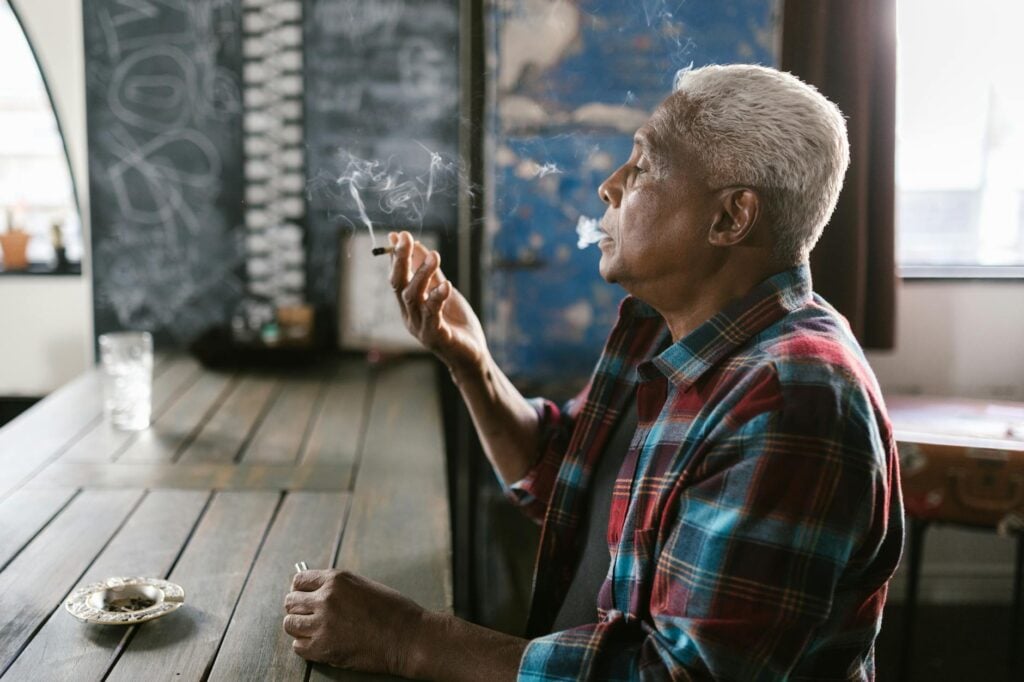
Cannabis for Parkinson’s disease: DC budtender shares the best strains, tinctures, and tremor relief tips for medical patients. Visit MrGreen DC on Connecticut Ave.
If you’re researching cannabis for Parkinson’s disease, you’re probably tired of vague answers and want someone to just tell you what actually works. I get it. I’ve been behind the counter at MrGreen DC for six years now, and I’ve watched the number of Parkinson’s patients walking through our door on Connecticut Avenue triple in the last two years alone. One gentleman — retired federal employee from Dupont Circle — came in last month shaking so badly he could barely fill out his intake form. Three weeks later he came back to reorder, and he wrote his name steady as a surgeon. That’s not a miracle. That’s the right product, the right dose, and a budtender who actually listens. This post covers the strains, products, delivery methods, and practical tips I share with Parkinson’s patients every single week.
Why Medical Cannabis DC Patients with Parkinson’s Are Turning to Plant Medicine
Parkinson’s disease chips away at your body’s dopamine production. That means tremors, rigid muscles, sleep that won’t come, and pain that standard prescriptions barely touch. Most of my patients have already been through the carousel of pharmaceuticals — levodopa, dopamine agonists, MAO-B inhibitors — and they’re still hurting. Cannabis doesn’t replace those medications, but it fills in the gaps they leave behind.
The endocannabinoid system has receptors concentrated in the basal ganglia, which is the exact brain region Parkinson’s hammers hardest. THC and CBD both interact with those receptors, and early research (plus a whole lot of patient feedback I’ve personally collected) suggests they can reduce tremor severity, ease muscle rigidity, improve sleep quality, and help with the chronic pain that comes along for the ride. A balanced THC CBD ratio is usually the sweet spot for Parkinson’s, and I’ll explain why below.
Here’s the thing: most of the patients I work with aren’t cannabis veterans. They’re in their 60s and 70s, many of them are new to this entirely, and they don’t want to get blasted. They want relief. That’s a completely different conversation than what most dispensaries are having, and it’s exactly the conversation we prioritize at our medical dispensary in Washington DC.
Best Strains and High CBD Flower for Parkinson’s Tremor Relief
Not all strains are created equal when you’re dealing with Parkinson’s. You want specific terpene profiles that support what your body actually needs — anti-inflammatory action, muscle relaxation, and neuroprotection. Let me break down what I recommend most often.
For daytime tremor management: Look for high CBD flower with measurable THC (think 1:1 or 2:1 CBD-to-THC ratios). Strains rich in pinene and limonene keep you alert while taking the edge off rigidity. I’ve seen really consistent results from patients who use balanced flower in a dry herb vaporizer first thing in the morning. The onset is fast — five to ten minutes — and it doesn’t knock you sideways.
For evening and nighttime relief: This is where indica-dominant strains shine. Purple Urkle is one I keep coming back to for Parkinson’s patients because it’s packed with myrcene and linalool — two terpenes that genuinely relax muscles and promote sleep. If rigidity is your biggest complaint at night, this one’s worth trying.
For pain days: Gelato Cake has a heavy caryophyllene profile, which binds directly to CB2 receptors and acts almost like a natural anti-inflammatory. It’s not subtle, though. Keep this one for evenings or days when you’re home and don’t need to be sharp. Cannabis for chronic pain generally works best when you match the potency to the occasion, and Gelato Cake is firmly in the “couch time” category.
A quick note on what to avoid: super high-THC sativas with no CBD backup can actually worsen tremors in some Parkinson’s patients. I’ve seen it happen. If a strain is 30%+ THC with no CBD content, that’s probably not your friend. Stick to balanced profiles or lean CBD-heavy and add THC gradually.
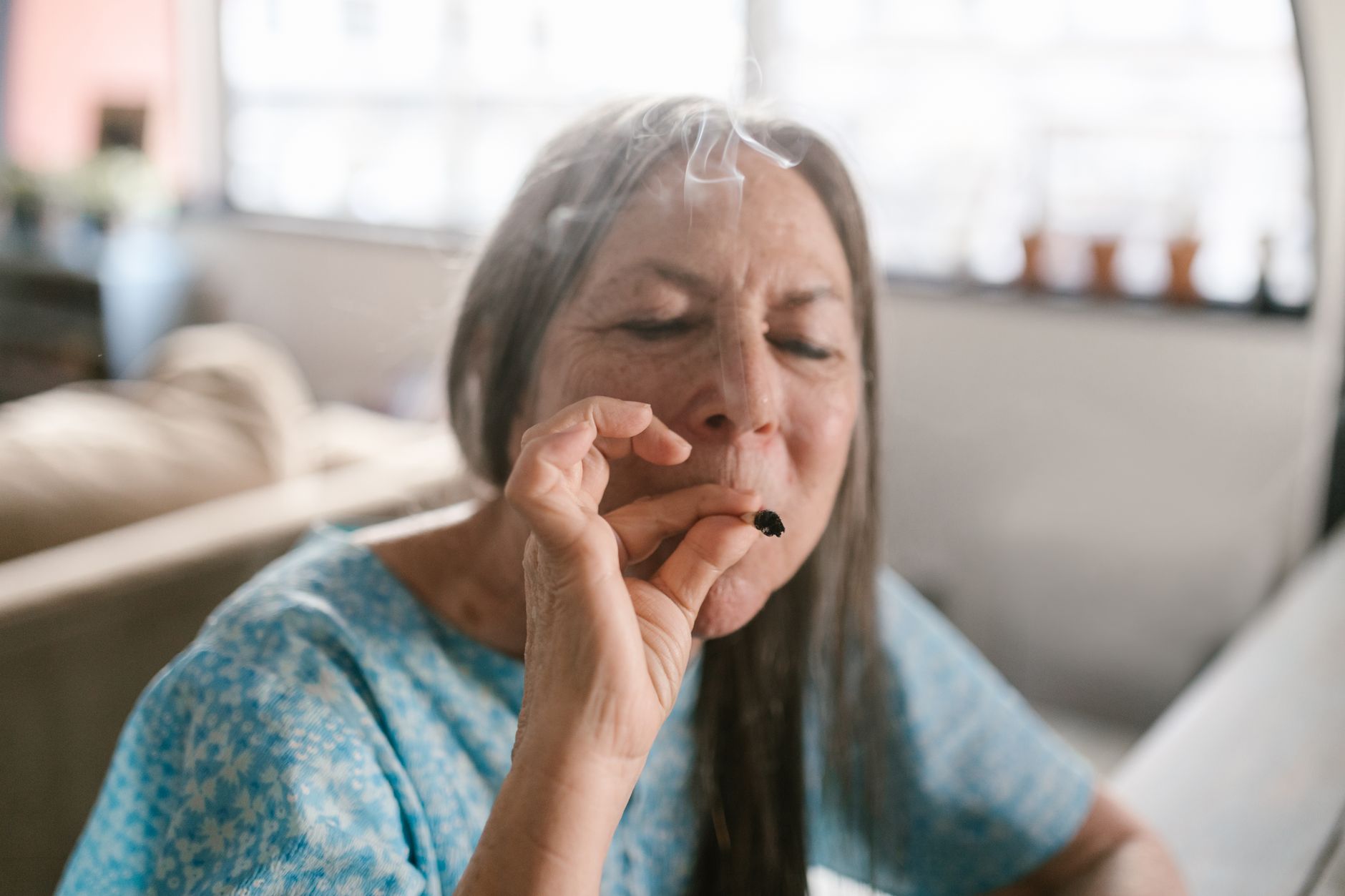
For daytime tremor management:
Microdosing Cannabis for Parkinson’s: The Smart Approach
Honestly, microdosing cannabis is the approach I wish every Parkinson’s patient started with. The most common question I get behind the counter from new patients is “how much should I take?” and the answer is always less than you think.
A microdose is typically 1-2.5mg of THC, often paired with an equal or greater amount of CBD. At that level, you’re not impaired. You’re not high. You’re just… a little less rigid, a little less anxious, sleeping a little better. Many of my patients from Capitol Hill and Logan Circle are professionals who still work — some for the federal government (yes, even your employer won’t know) — and microdosing lets them manage symptoms without any cognitive fog.
Here’s how to microdose effectively with Parkinson’s:
- Start at 1mg THC + 2mg CBD using a tincture or low-dose edible
- Take it at the same time each day — consistency matters more than amount
- Increase by 0.5-1mg every 3-4 days until you notice symptom improvement
- Keep a simple journal — tremor severity, sleep quality, mood — so you can actually track what’s working
- Don’t chase a “feeling” — the right microdose often feels like nothing except your symptoms getting quieter
Cannabis for Parkinson’s disease isn’t about getting medicated to the point of numbness. It’s about finding the minimum effective dose that gives you your life back. That takes patience, but it’s worth every careful milligram.
Cannabis Drug Interactions: What Every Parkinson’s Patient Needs to Know
Cannabis drug interactions are real, and I’d be doing you a disservice if I glossed over this part. Parkinson’s patients are typically on multiple medications, and cannabis — especially THC — is metabolized by the same liver enzymes (CYP3A4 and CYP2C9) that process many common drugs.
Specifically, cannabis can potentially interact with:
- Levodopa/carbidopa — some patients report cannabis enhances its effectiveness, which sounds great until you realize that could mean more dyskinesia if doses aren’t adjusted
- MAO-B inhibitors (selegiline, rasagiline) — theoretical risk of blood pressure changes, though clinical evidence is limited
- Benzodiazepines and sleep medications — CBD can increase sedation by slowing how fast your body clears these drugs
- Blood thinners — CBD may increase warfarin levels; this one needs monitoring
Look, I’m not a pharmacist and I don’t play one on the internet. But I am the guy who’ll tell you straight: talk to your neurologist about adding cannabis to your regimen. Bring them the products you’re considering. Most DC neurologists in 2025 are at least open to the conversation, and the good ones will help you adjust your existing meds so everything works together instead of against each other.
If your doctor is dismissive, that’s their problem, not yours. You can still self-certify as a medical cannabis patient in DC and make informed decisions — but please do keep your entire care team in the loop.
How to Get Your DC Medical Cannabis Card (It’s Easier Than You Think)
A lot of Parkinson’s patients assume getting a medical card in DC is a hassle. It’s not. DC uses a self-certification process through ABCA medical cannabis program, and here’s what that actually means:
- You must be 21 or older
- You register online — no doctor’s appointment required, no fee
- The whole process takes about two minutes (seriously, two minutes)
- You self-certify that you have a qualifying condition — Parkinson’s disease absolutely qualifies
- Your card arrives digitally and you can shop at any licensed medical dispensary in DC
Now for the part I know you’re worried about: privacy. The ABCA (Alcoholic Beverage and Cannabis Administration) — that’s DC’s cannabis regulatory body — does not share your patient data with employers, federal agencies, or anyone else. Period. Your registration is protected health information. I’ve had patients from Shaw and Georgetown who held security clearances and still registered without a single issue. Zero career risk.
If you need help with the process, our staff at MrGreen DC walks patients through it every day. Stop by our Connecticut Avenue location or check out our step-by-step guide to getting a DC med card.
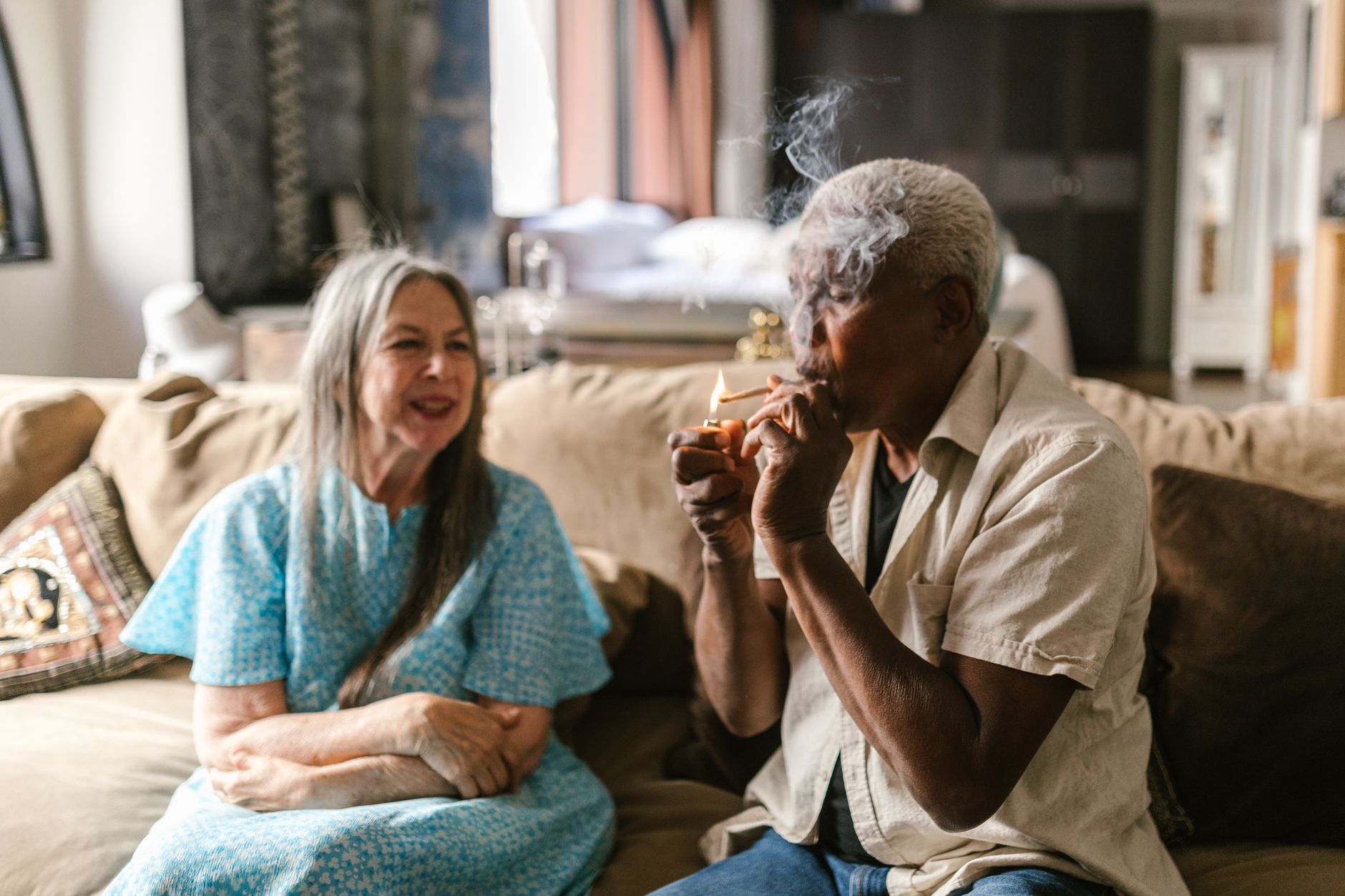
Get the Right Guidance at MrGreen DC
Using cannabis for Parkinson’s disease isn’t something you should figure out alone from Reddit threads and guesswork. You deserve a budtender who’s spent real time with Parkinson’s patients, who understands terpene profiles and drug interactions, and who’ll actually remember your name when you come back. That’s what we do at MrGreen DC on Connecticut Avenue NW. Come see us in person, or if mobility is an issue, we offer cannabis delivery across DC — including Dupont Circle, Capitol Hill, and Logan Circle. Bring your questions. We’ve got time.